
Highland landscape with poplars — History & Facts
This sentiment resonates deeply within the gentle, undulating contours of a tranquil landscape, where the allure of nature conceals its turbulent history. The scene is a reminder that beneath the surface of idyllic beauty lies the weight of transformative change. Look to the right at the tall poplars, their slender forms reaching toward the sky, standing resolute amidst a backdrop of rolling hills. The artist’s brushwork creates a sense of movement in the trees, as if whispering secrets of what lies beneath the surface of this picturesque view.
A soft palette of greens and blues envelops the canvas, contrasted by the golden hues of light that bathe the scene, reflecting both hope and a quiet melancholy in the same breath. Yet, within this seemingly serene composition, there’s a tension brewing. The poplars, symbols of resilience, stand in stark contrast to the soft, almost ephemeral clouds that drift above, hinting at the fragility of peace amidst the backdrop of potential upheaval. The landscape is not just a scene of beauty but a silent witness to the revolutions occurring in society—nature transformed by human hands, echoing the struggles of its time within the whispers of the wind. Arthur Blaschnik painted this work between 1859 and 1879, a period marked by significant social and political change across Europe.
The art world was grappling with new movements, reflecting the complexities of modern life. As industrialization pushed forward, artists like him sought to capture the essence of untouched nature, providing a counter-narrative to the encroaching urban landscapes and the revolutions reshaping society.
More Artworks by Arthur Blaschnik
Browse all →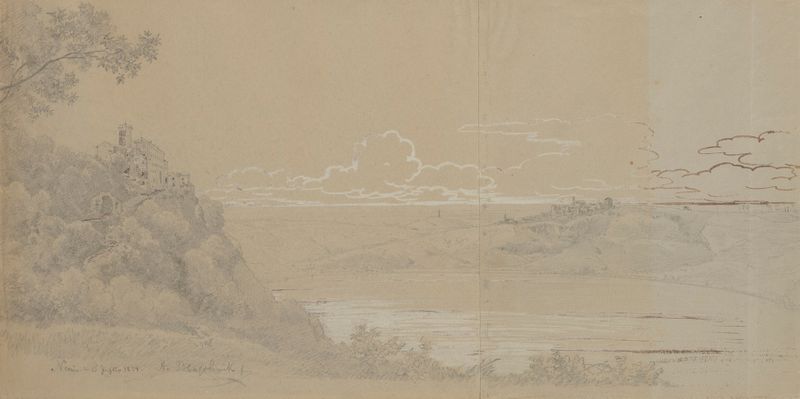
Palazzo Ruspoli by Lake Nemi, in the Distance the Town of Genzano di Roma
Arthur Blaschnik
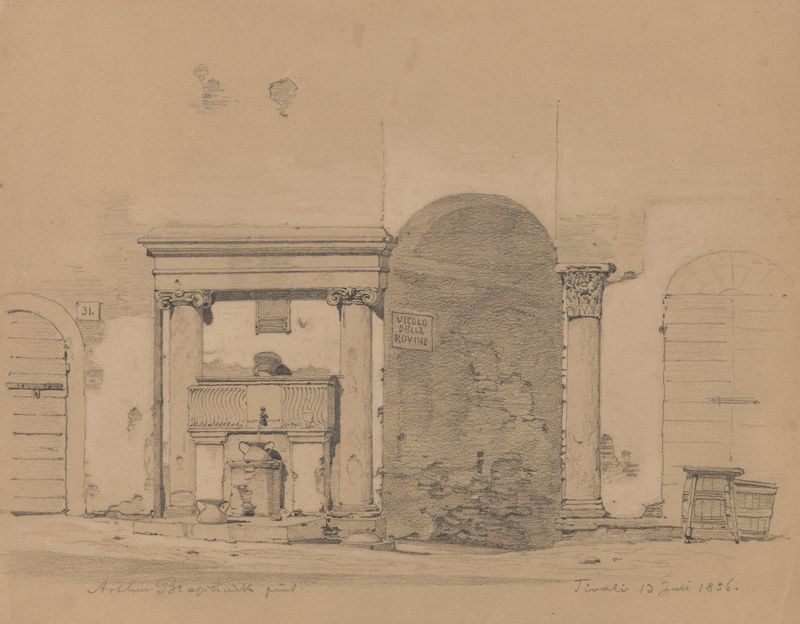
Gate Leading to Vicoli dei Grana near Piazza Palatina in Tivoli
Arthur Blaschnik
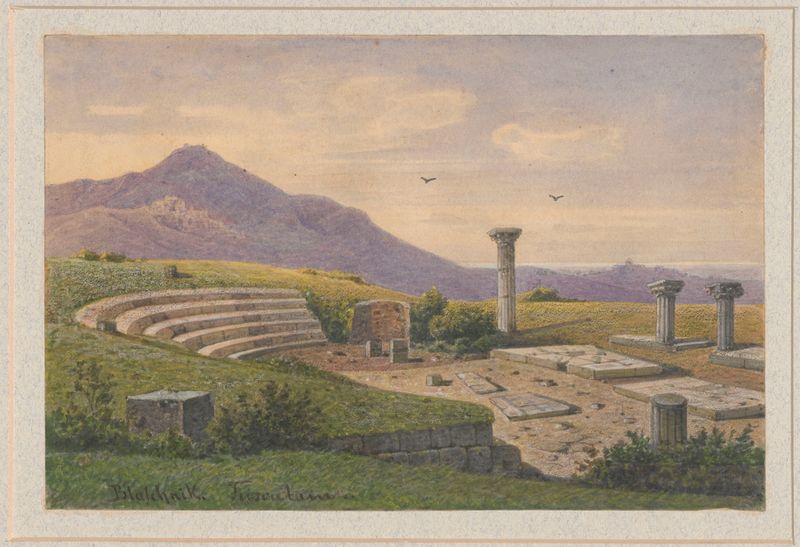
Amphitheatre in Tusculum
Arthur Blaschnik
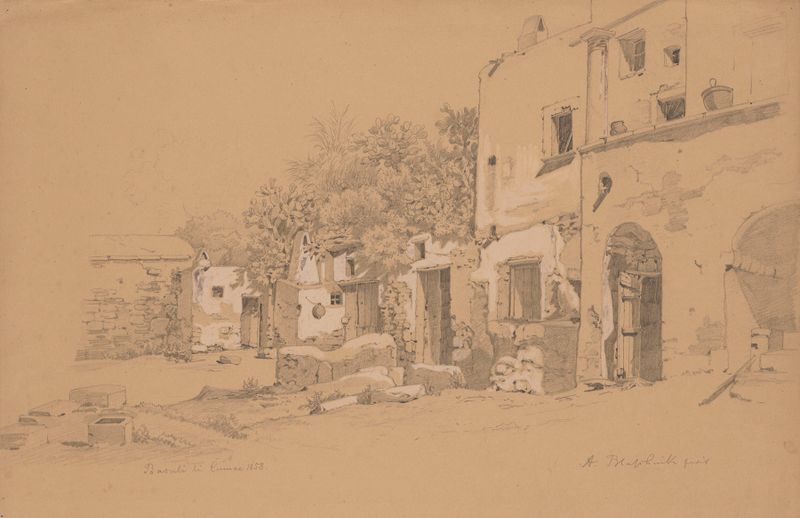
House and Outbuildings in Bacoli
Arthur Blaschnik
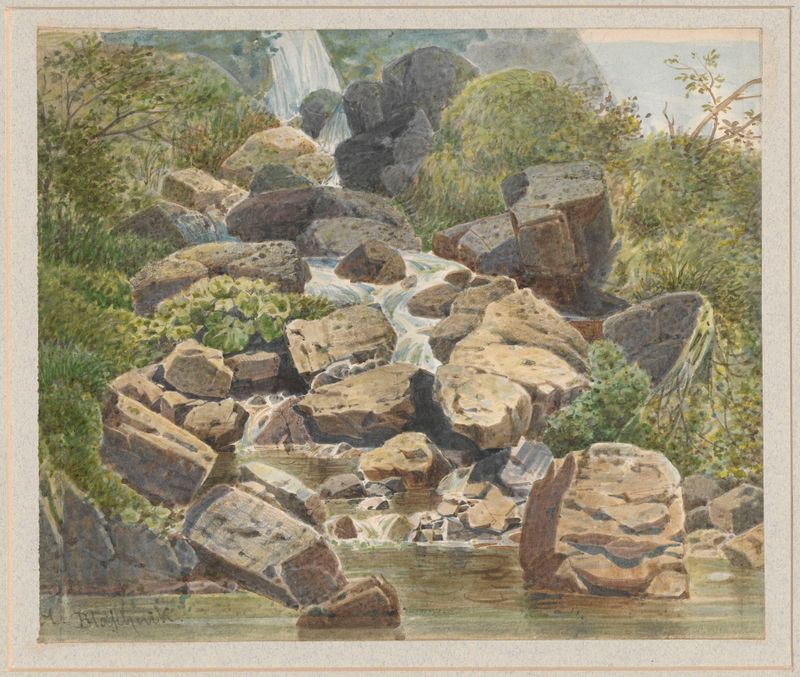
View of a small waterfall near Covigliaio, Tuscany
Arthur Blaschnik
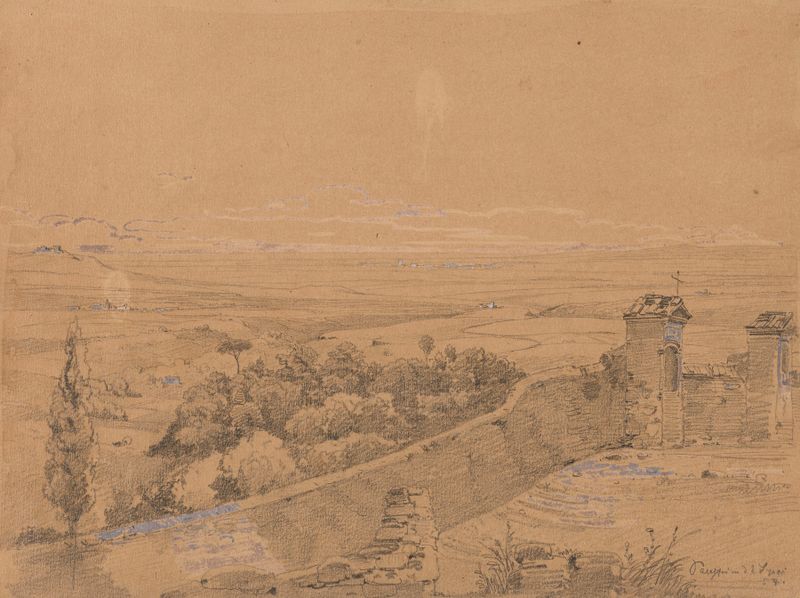
Landscape from the Vicinity of Palestrina
Arthur Blaschnik
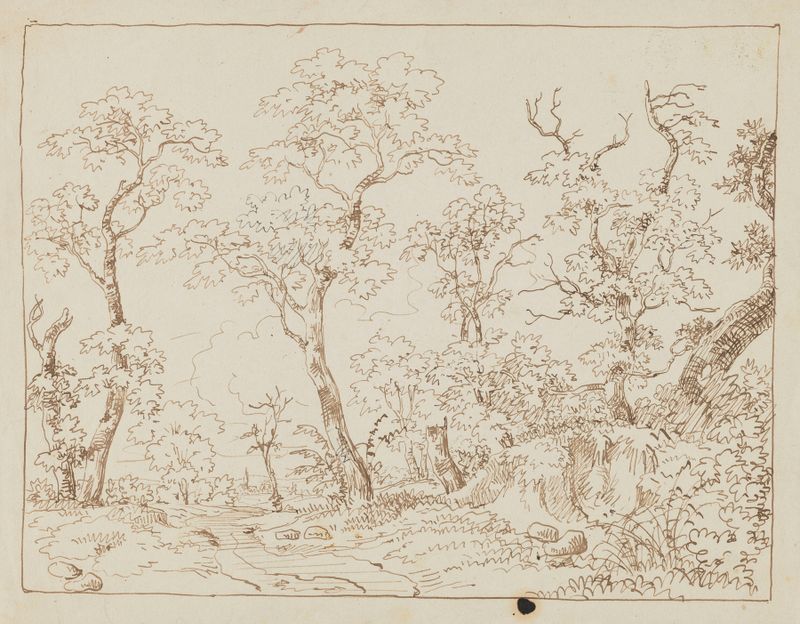
Studies of Trees, Landscape
Arthur Blaschnik
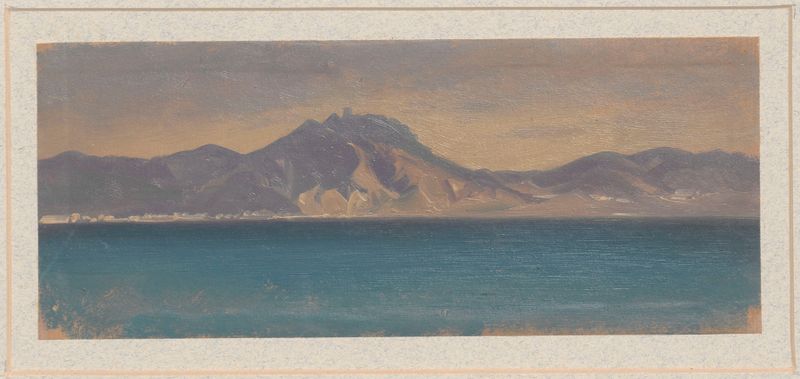
View of the Island of Capri
Arthur Blaschnik
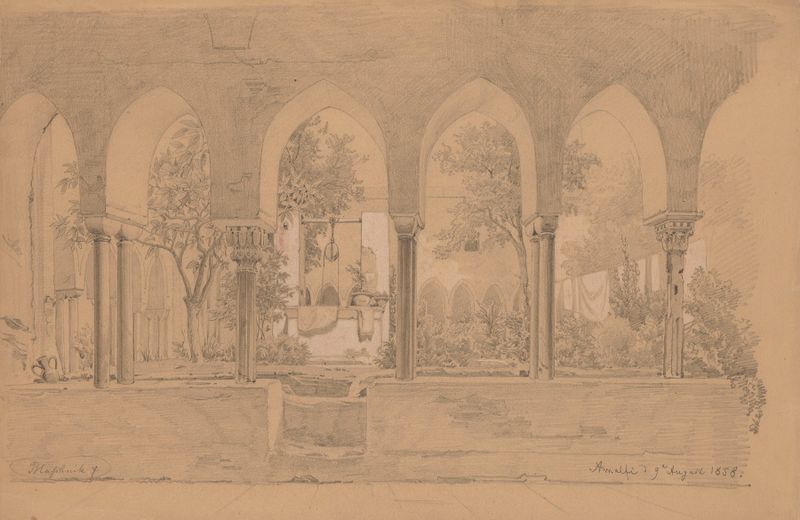
Cloister with Arcade Gallery in Amalfi
Arthur Blaschnik
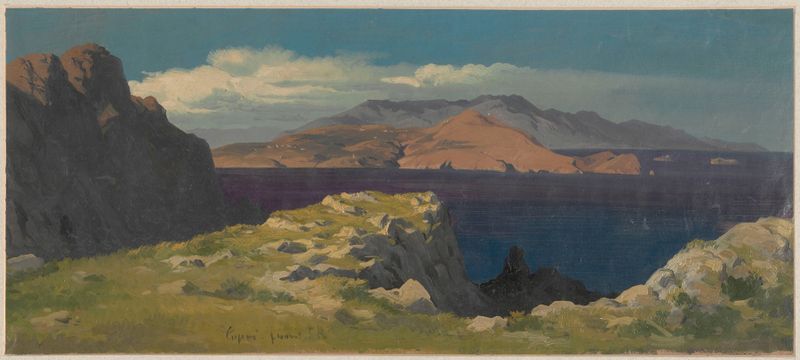
View of Capri
Arthur Blaschnik





