
Hill of Dreams — History & Facts
Where does light end, and longing begin? The interplay of soft hues and shadowy forms in this artwork invites the viewer to ponder the boundaries of reality and aspiration. Focus on the gentle transition from the vibrant greens of the hill to the ethereal blues of the sky. Notice how the delicate brushstrokes create an almost dreamlike texture, blurring the line between the earthly and the celestial. The light cascades down the slope, illuminating patches of wildflowers that sit like scattered thoughts, each bloom a whisper of nature's secrets.
The composition leads your gaze upward, suggesting an ascent into the unknown, where dreams and existence merge. Beneath the surface, a tension simmers between the serene landscape and the yearning it evokes. The hill, both a tangible place and a metaphorical journey, hints at the struggles of the soul to transcend the mundane. Each element in this artwork, from the winding path to the expansive sky, holds a duality — it is both invitation and barrier, encouraging the viewer to reflect on their own aspirations while acknowledging the weight of reality that anchors us.
The gentle interplay of color evokes a sense of nostalgia, a longing for moments that feel just out of reach. In 1919, Ernest Haskell painted this piece during a period of personal and societal change, following the aftermath of World War I. Emerging from a time of turmoil, he sought solace in landscapes that spoke to transcendence and the pursuit of beauty. It was an era when artists began to explore emotional depth and symbol, creating works that resonated with both individual and collective experiences, and through this painting, Haskell encapsulates that complex journey toward hope and enlightenment.
More Artworks by Ernest Haskell
Browse all →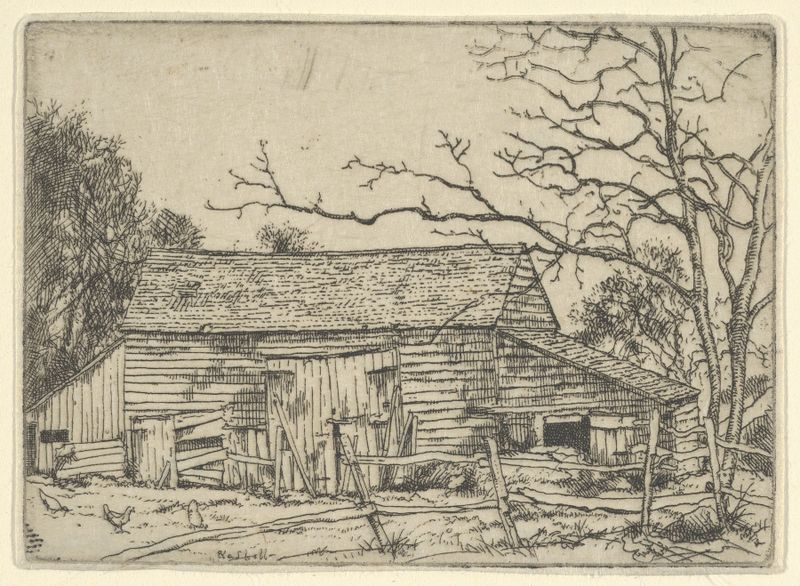
The Barn–Staten Island, N.Y.
Ernest Haskell

Four Live Oaks
Ernest Haskell
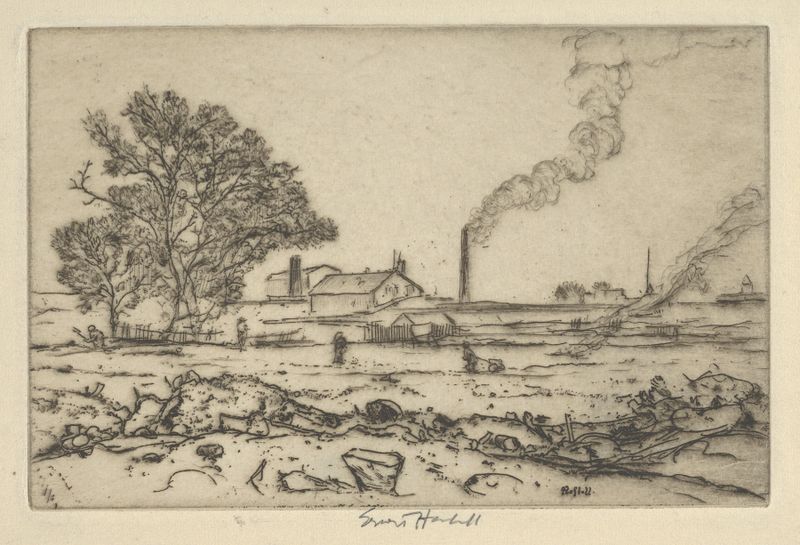
Outskirts of Boston
Ernest Haskell
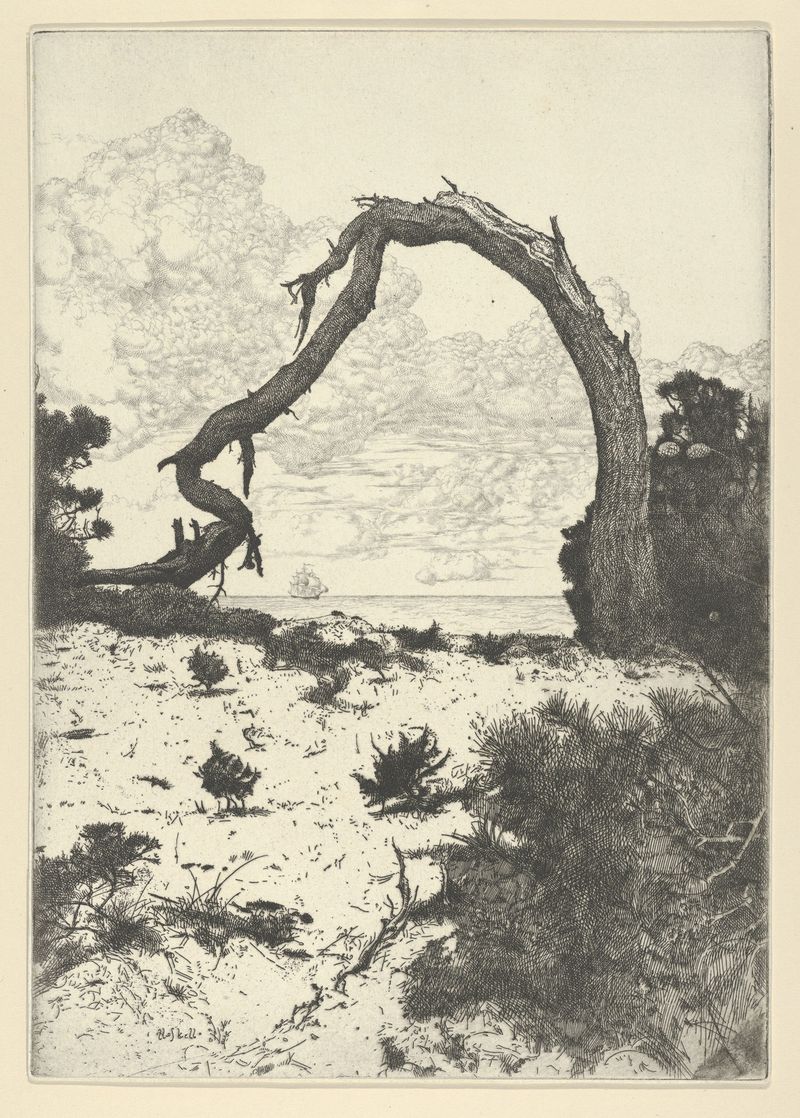
Pine Arch
Ernest Haskell

General Sherman
Ernest Haskell
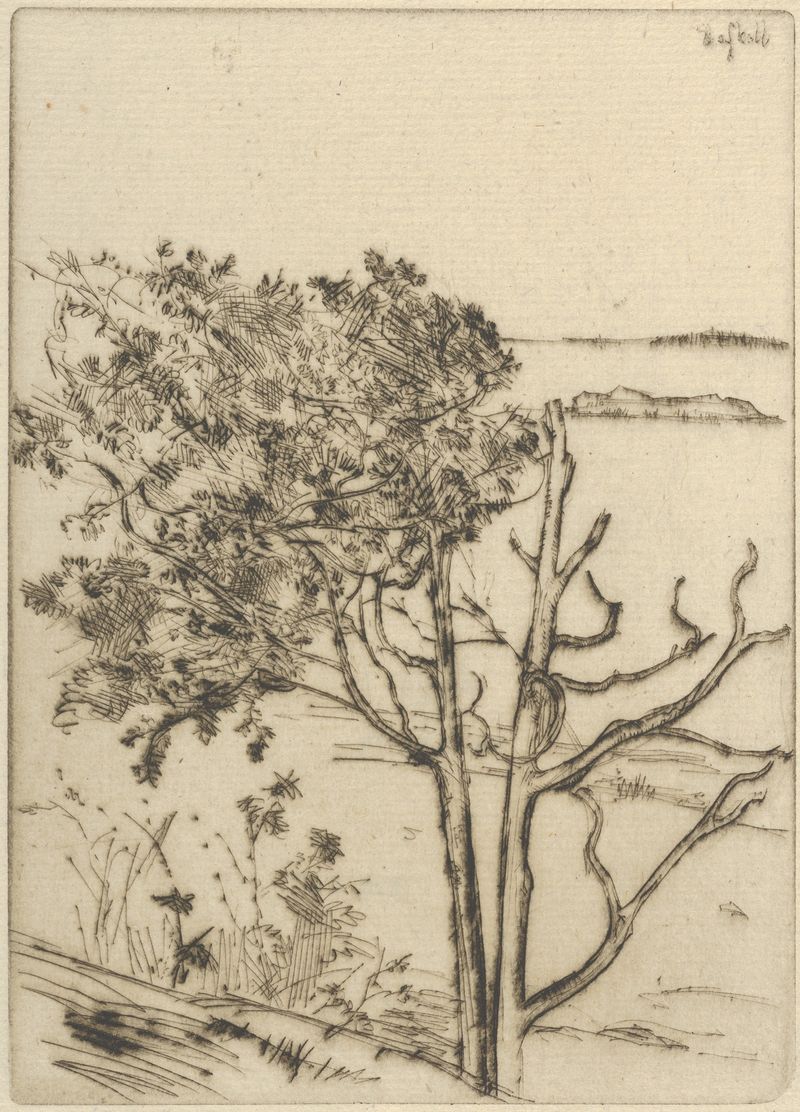
Ragged Tree – Maine
Ernest Haskell

Tide Mill
Ernest Haskell

Ship Building
Ernest Haskell
To the Southward – Ragged Island, Me.
Ernest Haskell
Long Island Marshes
Ernest Haskell





