
Hill of Oaks — History & Facts
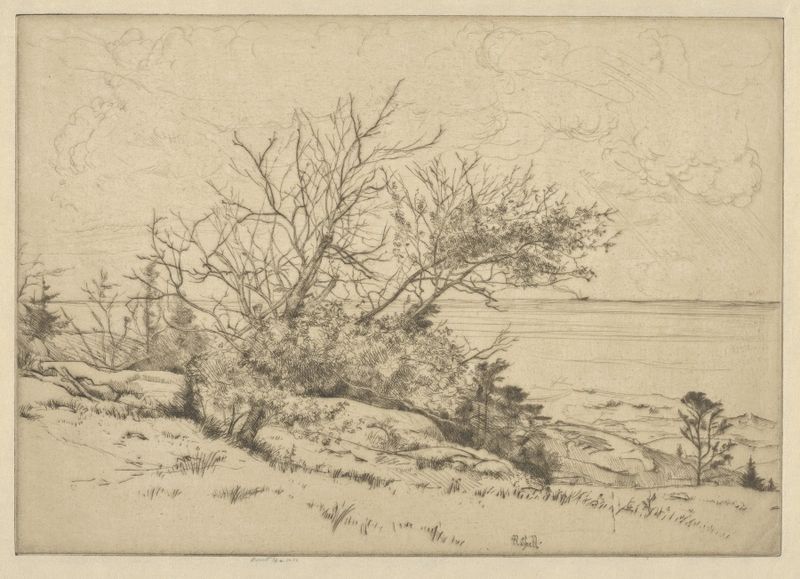
In the quiet spaces of our existence, the weight of loss often whispers through the rustling leaves of memory. Look closely at the canvas, where the somber hues of green and brown dominate the landscape. The oaks rise majestically, their gnarled branches stretching upward, as if reaching for a forgotten sky. Notice how the light softly cascades through the foliage, creating dappled patterns on the earth below.
Each stroke reveals not just the trees but also the hidden narratives etched in their bark, inviting you to explore the depths of their stillness. There’s an emotional tension woven through the layers of paint—the contrast between the sturdy trunks and the fragile play of light evokes a sense of resilience against the backdrop of impermanence. The absence of human figures amplifies this sense of solitude, allowing the viewer to reflect on their own experiences of loss. In this serene yet haunting landscape, nature stands as a witness, capturing both the beauty and the heartache of life’s inevitable transitions. In the early 20th century, as Ernest Haskell painted this work, he was navigating his own turbulent waters, both personally and artistically.
Working primarily in New England, where the natural landscape inspired many of his pieces, he was part of a broader movement that sought to capture the essence of American life. This period was marked by a transition from traditional approaches to more expressive interpretations of nature, a thematic exploration that echoes through Hill of Oaks.
More Artworks by Ernest Haskell
Browse all →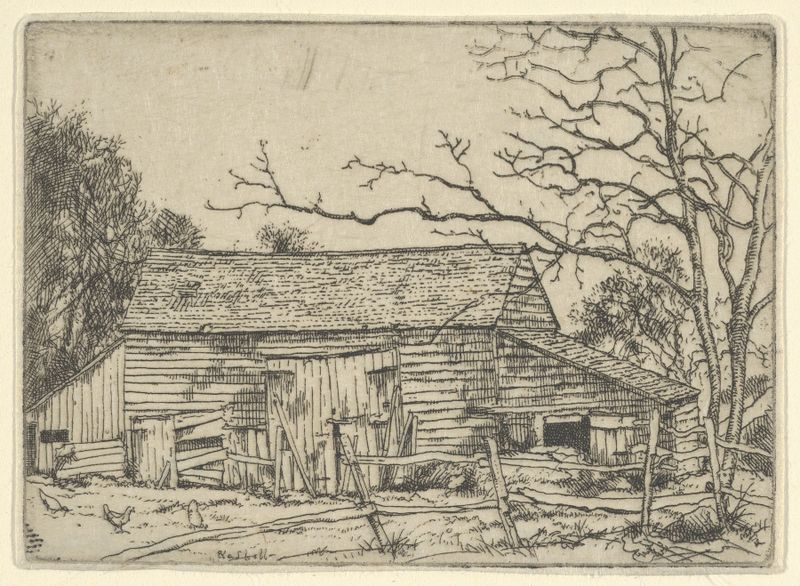
The Barn–Staten Island, N.Y.
Ernest Haskell

Four Live Oaks
Ernest Haskell
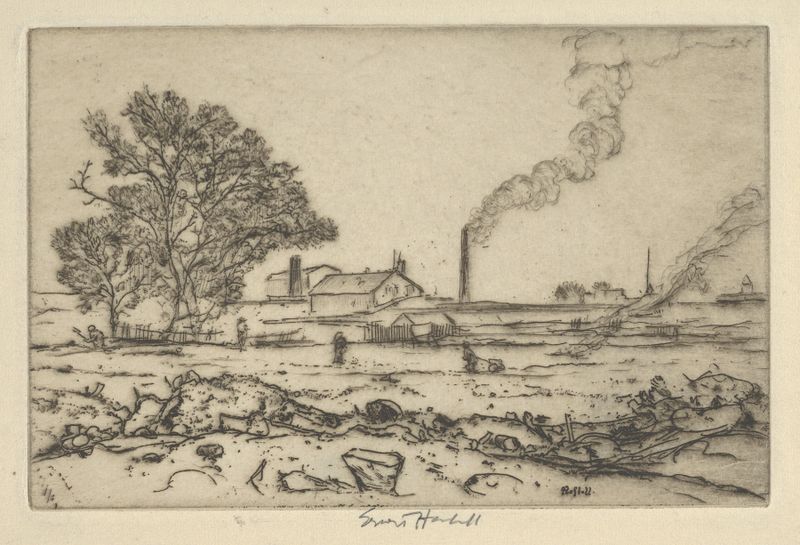
Outskirts of Boston
Ernest Haskell
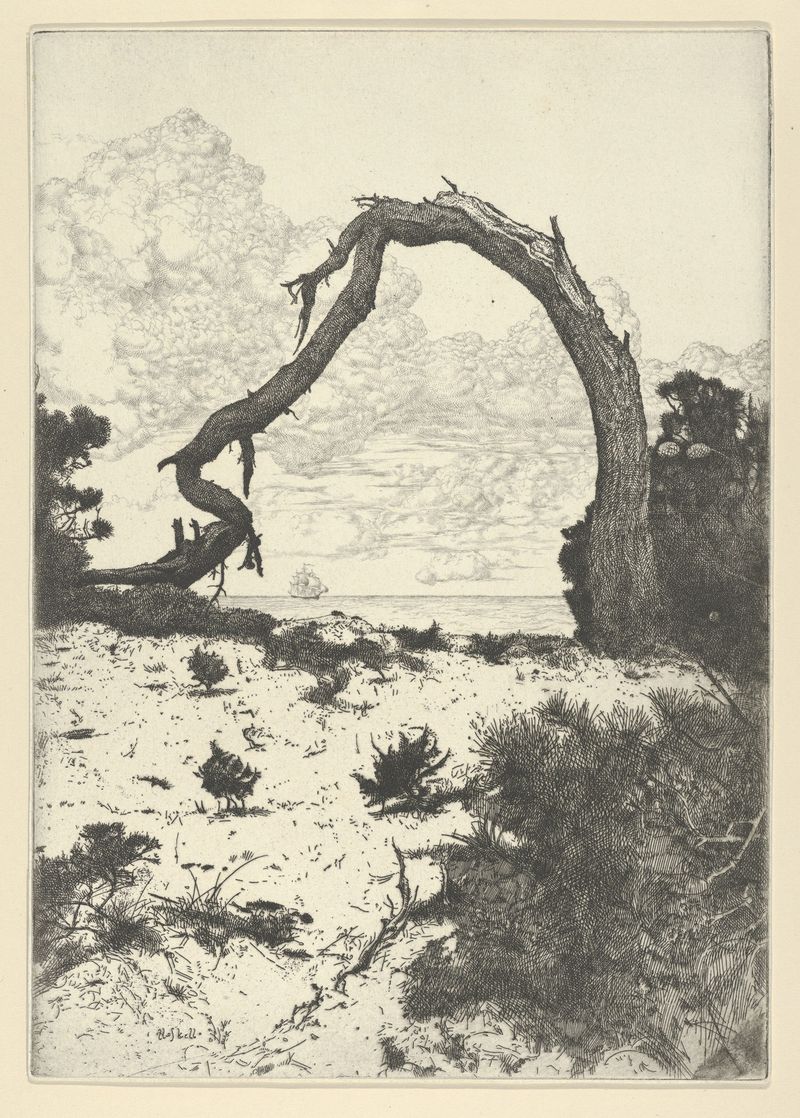
Pine Arch
Ernest Haskell

General Sherman
Ernest Haskell
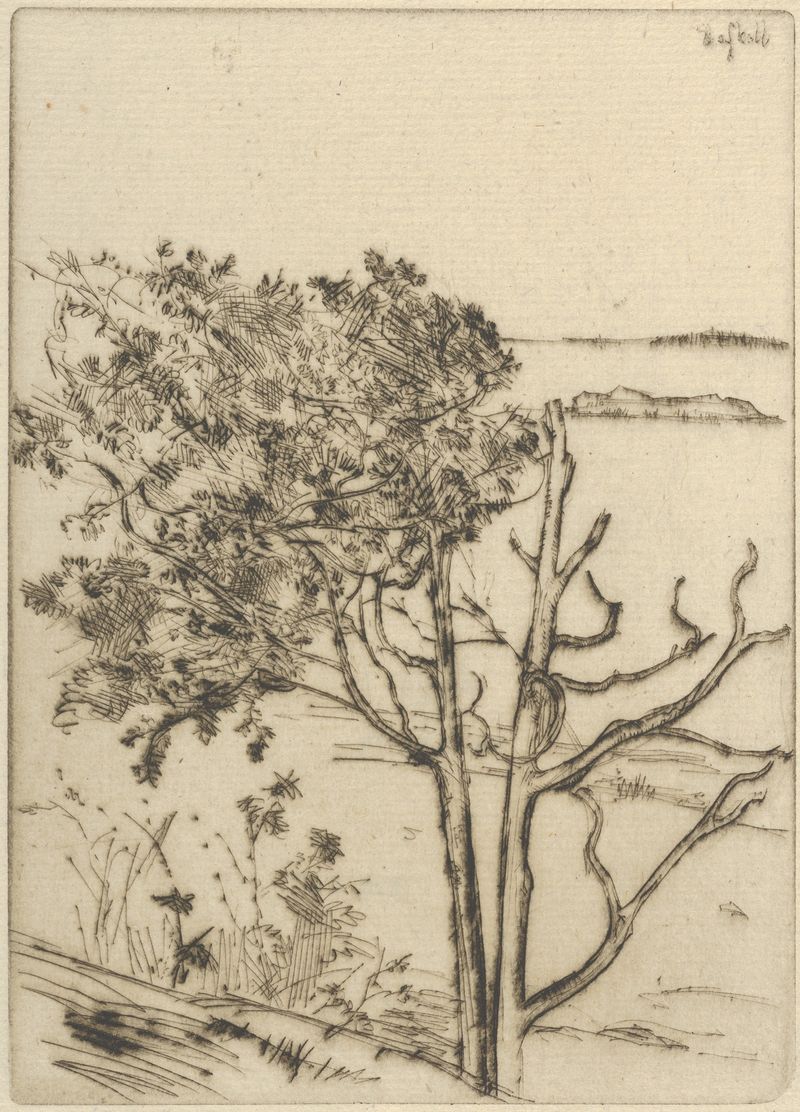
Ragged Tree – Maine
Ernest Haskell

Tide Mill
Ernest Haskell

Ship Building
Ernest Haskell
To the Southward – Ragged Island, Me.
Ernest Haskell
Long Island Marshes
Ernest Haskell





