
Hill Ranch — History & Facts
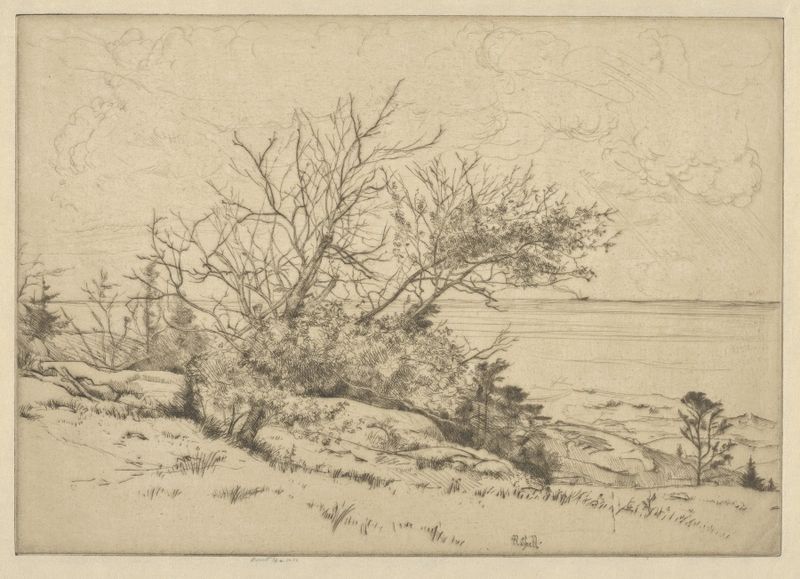
What if beauty was never meant to be finished? In Hill Ranch, we encounter a moment where nature confidently stands still, inviting us to explore its unrefined charm. Look to the left at the rolling hills, their contours softened by a tender green palette that suggests a gentle breeze is always in play. The composition is anchored by a modest farmhouse, its simplicity contrasting with the intricate details of the landscape, drawing the eye across the canvas. Notice how the light falls upon the trees, casting delicate shadows that dance across the earth, while the hazy sky looms overhead—a reminder of the vastness that envelops this serene haven. Beneath its tranquil surface lies a compelling tension between human presence and the wild beauty of nature.
The farmhouse, though inhabited, seems almost an afterthought against the grandeur of the hills. Here, the artist captures a profound balance, highlighting the interplay between cultivation and wilderness, permanence and transience. Each brushstroke resonates with the idea that life, like this scene, is an ongoing dialogue—a masterpiece forever in process. Ernest Haskell created this work during a time when American art was shifting, embracing both modernist and traditional values.
His focus on the rural landscapes reflected a growing appreciation for the beauty of everyday life. Though the exact date of Hill Ranch remains elusive, it embodies the spirit of an artist dedicated to capturing the essence of his surroundings during a transformative period in the early 20th century.
More Artworks by Ernest Haskell
Browse all →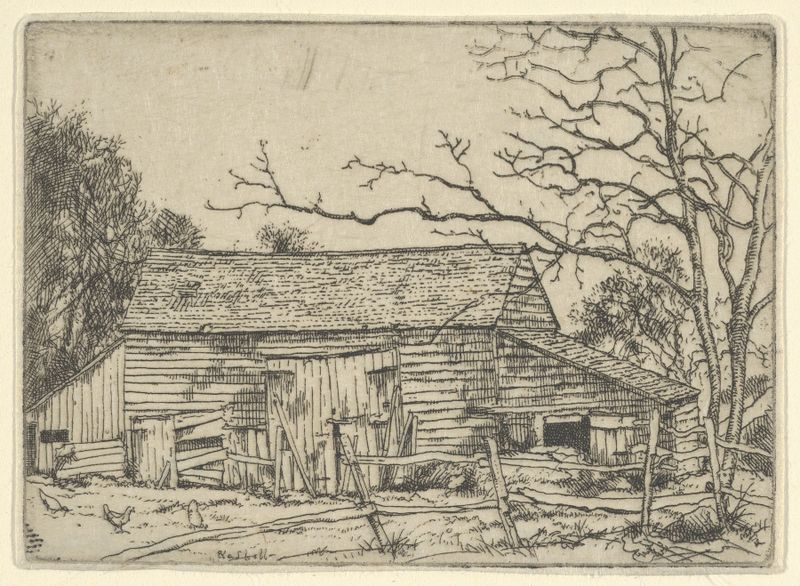
The Barn–Staten Island, N.Y.
Ernest Haskell

Four Live Oaks
Ernest Haskell
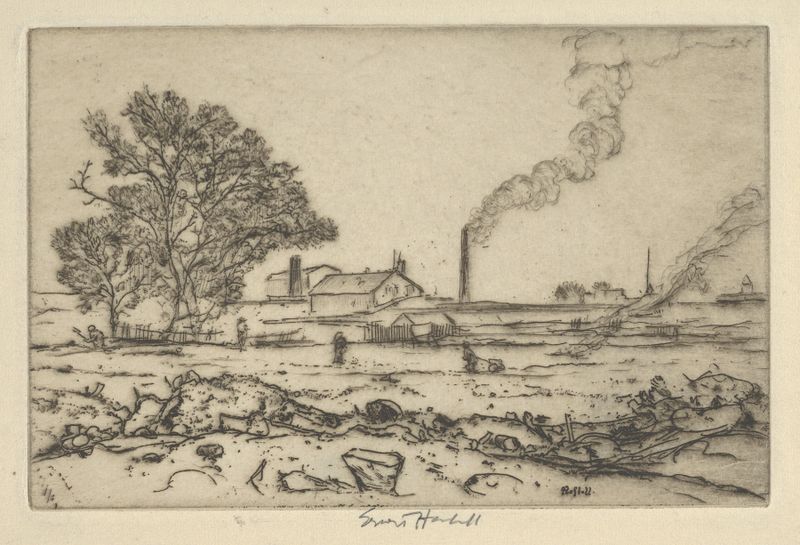
Outskirts of Boston
Ernest Haskell
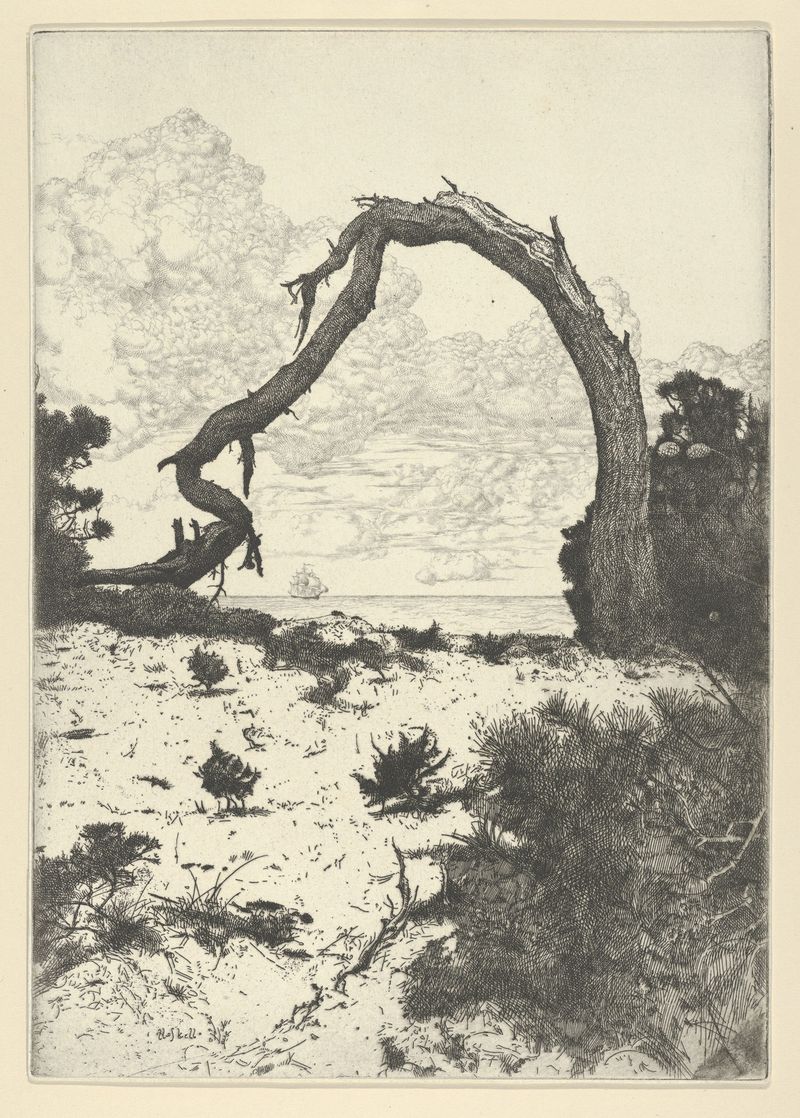
Pine Arch
Ernest Haskell

General Sherman
Ernest Haskell
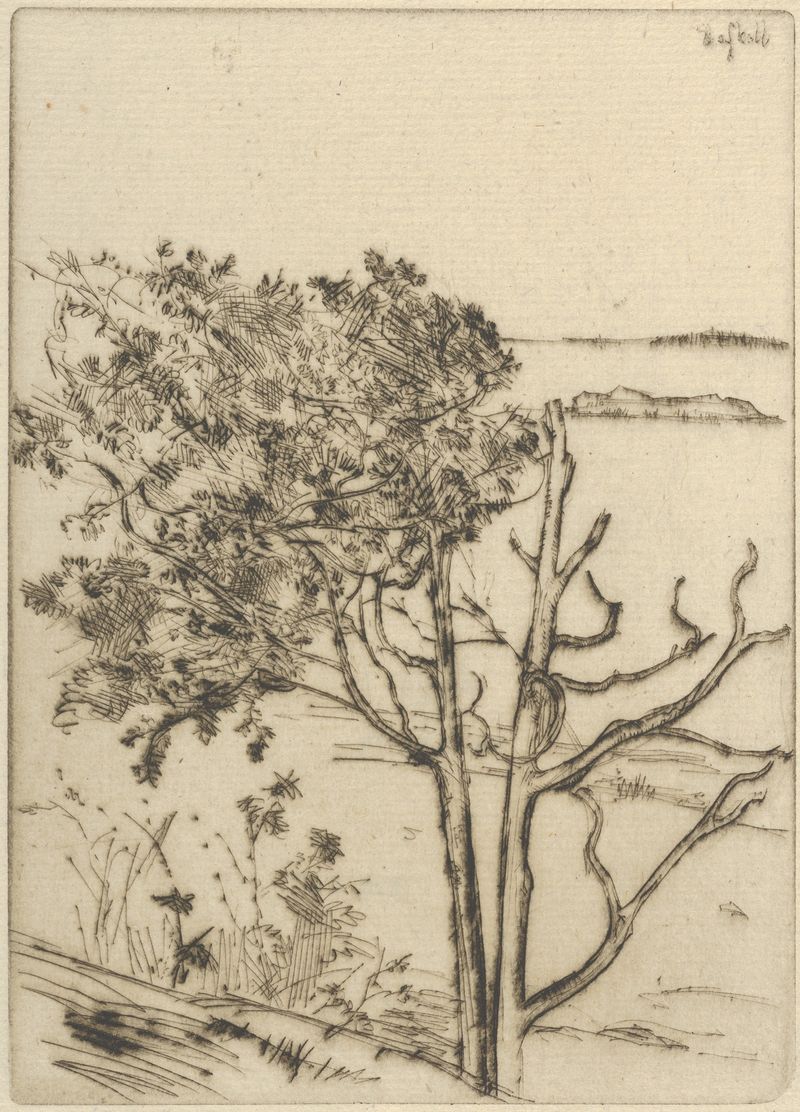
Ragged Tree – Maine
Ernest Haskell

Tide Mill
Ernest Haskell

Ship Building
Ernest Haskell
To the Southward – Ragged Island, Me.
Ernest Haskell
Long Island Marshes
Ernest Haskell





