
Hilltop Chickens — History & Facts
When did color learn to lie? In a world where time is fluid and perception is mutable, the interplay of hues can evoke both nostalgia and uncertainty. Look closely at the vibrant greens dominating the canvas; they draw you to the rolling hills that cradle a flock of chickens. The brushstrokes are loose yet deliberate, creating a sense of movement that seems to echo the soft rustle of feathers. Notice how the golden afternoon light bathes the birds, casting playful shadows on the ground, while the distant horizon blurs into a soft haze.
This balance between clarity and ambiguity invites contemplation of what we see versus what we feel. Within this idyllic scene lies a deeper commentary on domesticity and the passage of time. The chickens, symbols of both livelihood and simplicity, embody the comfort of familiar routines, yet their placement on the hill also suggests a longing for freedom. The vibrant palette contrasts with underlying tones of muted earth, hinting at the tension between nature’s vibrancy and the quiet struggles of rural life.
Each stroke tells a story, revealing layers of meaning that resonate with both joy and melancholy. During the early 20th century, while working on Hilltop Chickens, the artist captured the essence of a transitioning world. Living in New Hampshire, Haskell was deeply influenced by the Arts and Crafts movement, which emphasized the beauty of handcrafted objects and the inherent value of everyday life. This painting reflects a period when artists began to explore the relationship between nature and the human experience, marking a significant shift in American art as it sought to define itself in the face of modernity.
More Artworks by Ernest Haskell
Browse all →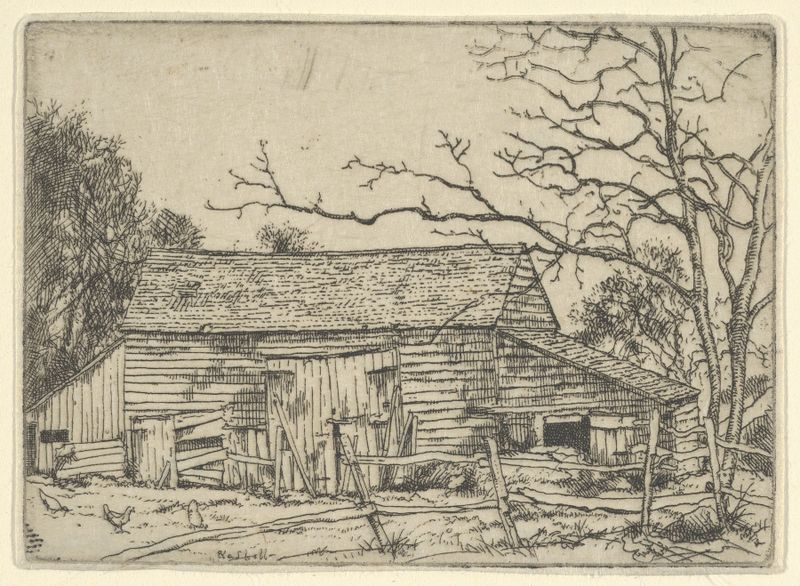
The Barn–Staten Island, N.Y.
Ernest Haskell

Four Live Oaks
Ernest Haskell
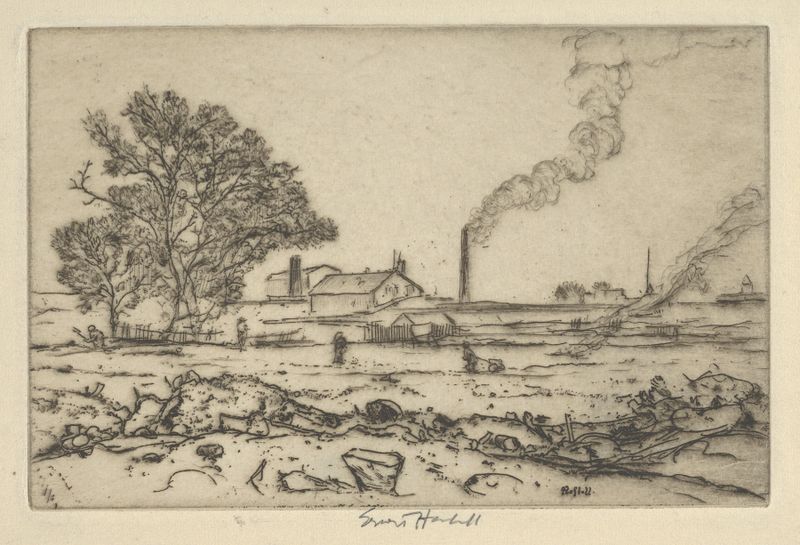
Outskirts of Boston
Ernest Haskell
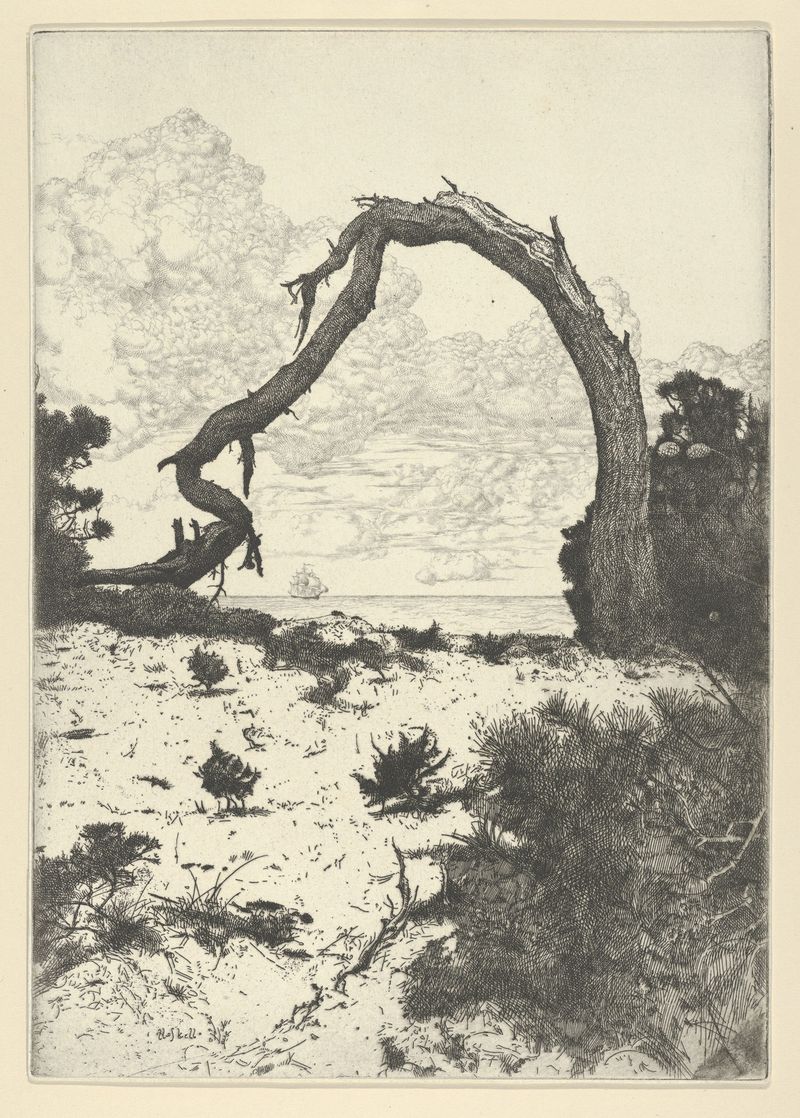
Pine Arch
Ernest Haskell

General Sherman
Ernest Haskell
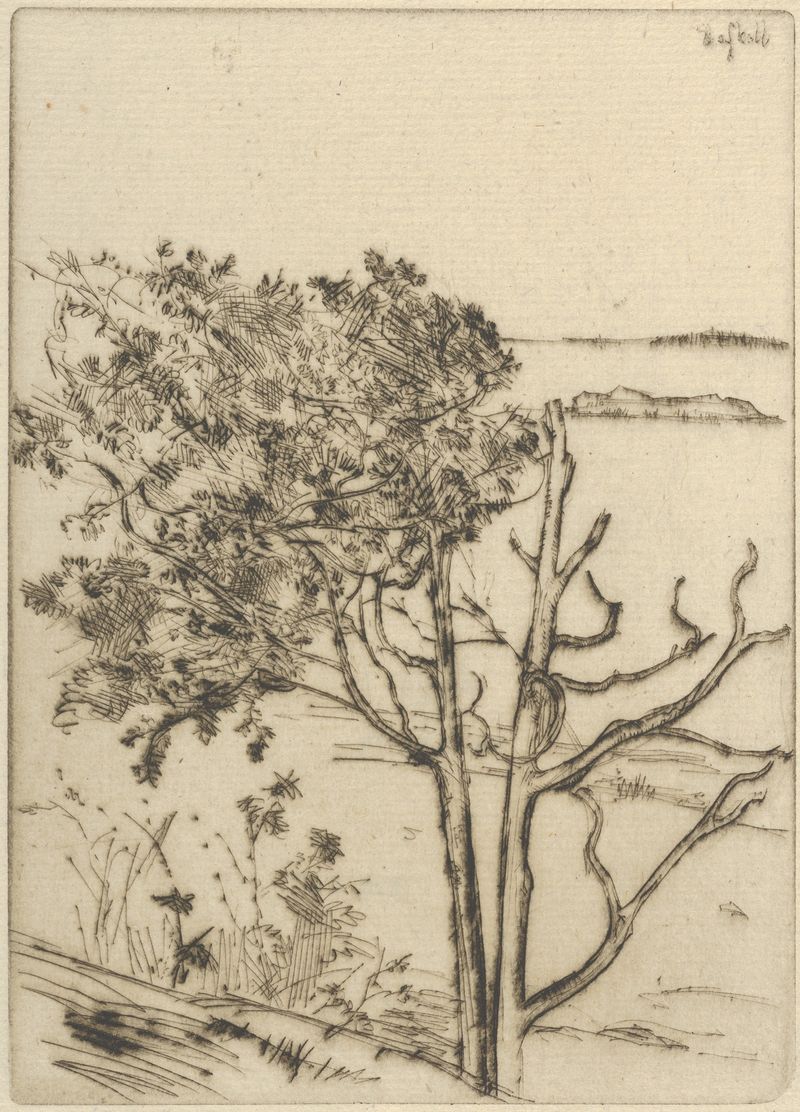
Ragged Tree – Maine
Ernest Haskell

Tide Mill
Ernest Haskell

Ship Building
Ernest Haskell
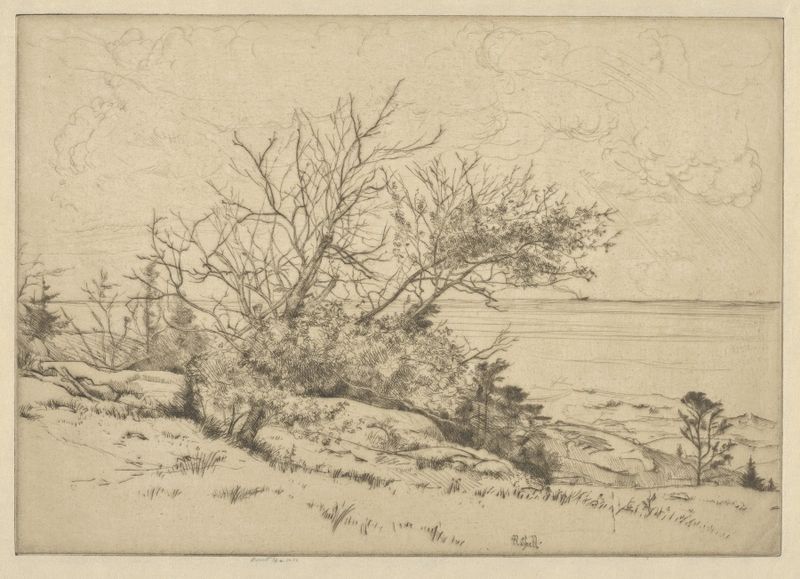
To the Southward – Ragged Island, Me.
Ernest Haskell
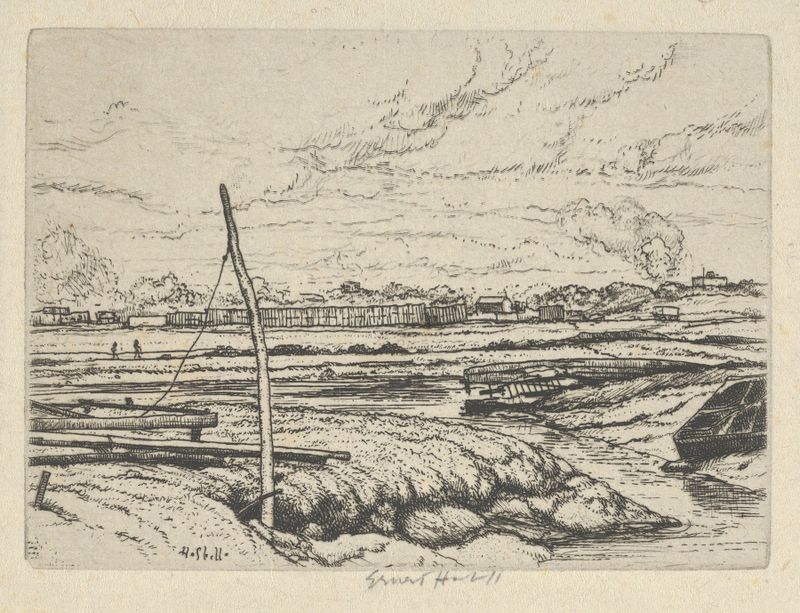
Long Island Marshes
Ernest Haskell





