
Hilly landscape — History & Facts
When did color learn to lie? In the realm of art, the very palette that ignites our senses may also veil deeper truths, awakening a bittersweet ecstasy within. Focus on the undulating hills, where vibrant greens and soft blues intertwine like a lover's embrace. Notice how the brushstrokes dance—each stroke a pulse, a heartbeat that leads your eye toward the horizon. The light cascades across the landscape, illuminating patches of wildflowers scattered like confetti, while shadows lurk in the folds of the hills, suggesting both refuge and mystery.
This dynamic interplay of light and shadow invites contemplation, drawing the viewer into its serene yet charged atmosphere. As you immerse yourself in this hilly vista, consider the tension between the idyllic beauty of nature and the underlying solitude it conveys. The radiant colors may evoke joy, yet they conceal the vulnerability that exists within this pastoral paradise. Each element, from the soaring trees to the distant mountains, tells a story of longing—a reminder of nature's duality, where ecstasy and melancholy coexist. In 1889, Hans Thoma painted this work during a period marked by a growing appreciation for nature and a romantic response to its beauty.
Living in Germany, Thoma was influenced by the wider Symbolist movement, which sought to express emotional truths through nuanced color and form. This landscape encapsulates both his personal journey and the artistic climate of the time, reflecting a world grappling with the sublime and the ephemeral.
More Artworks by Hans Thoma
Browse all →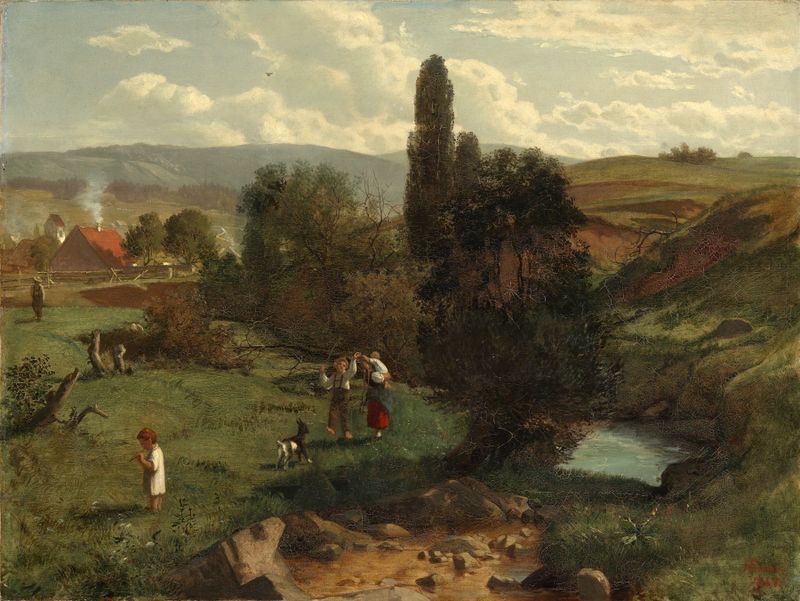
Schwarzwaldlandschaft
Hans Thoma
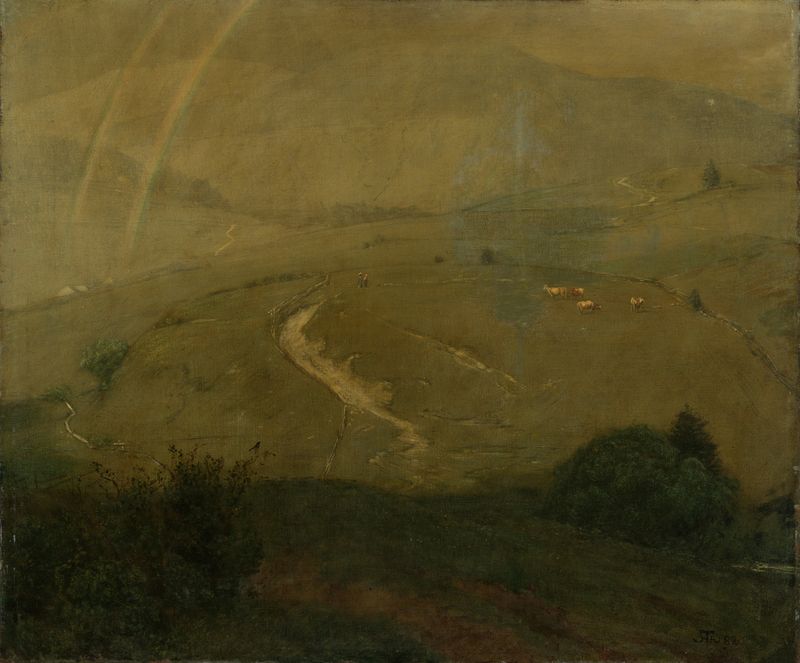
Regen im Schwarzwald
Hans Thoma
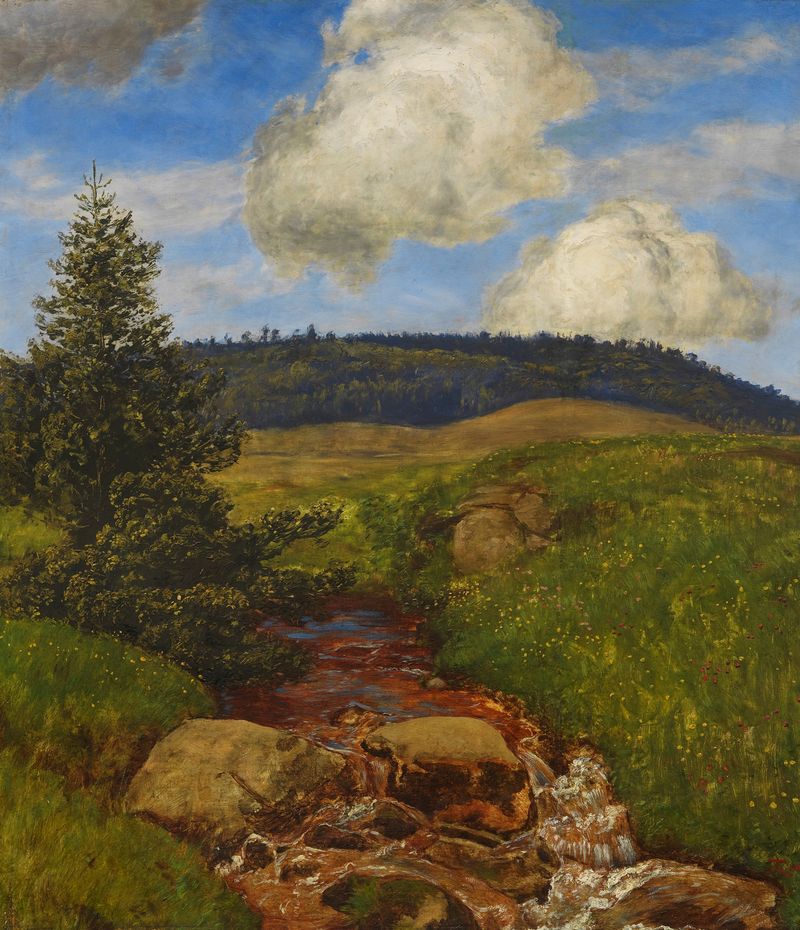
Schwarzwaldbach
Hans Thoma
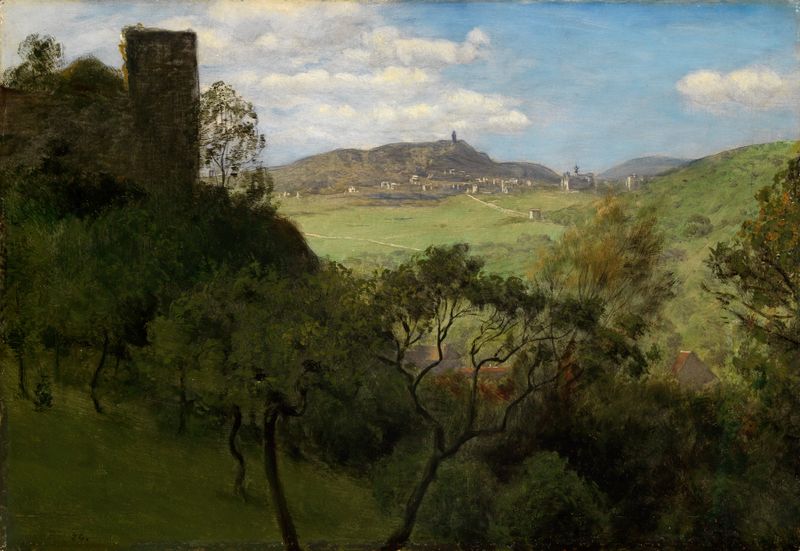
Blick auf Falkenstein im Taunus
Hans Thoma
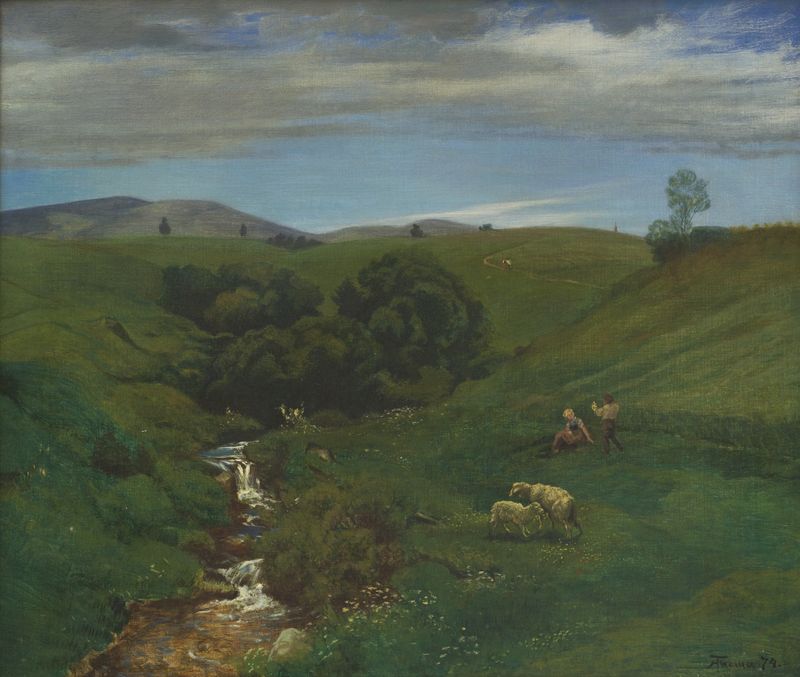
Black Forest Meadow near Bernau
Hans Thoma
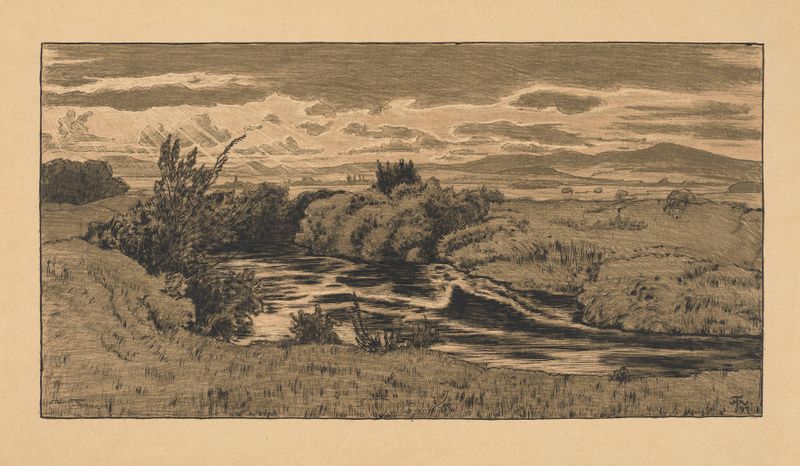
Evening by the Nidda River
Hans Thoma
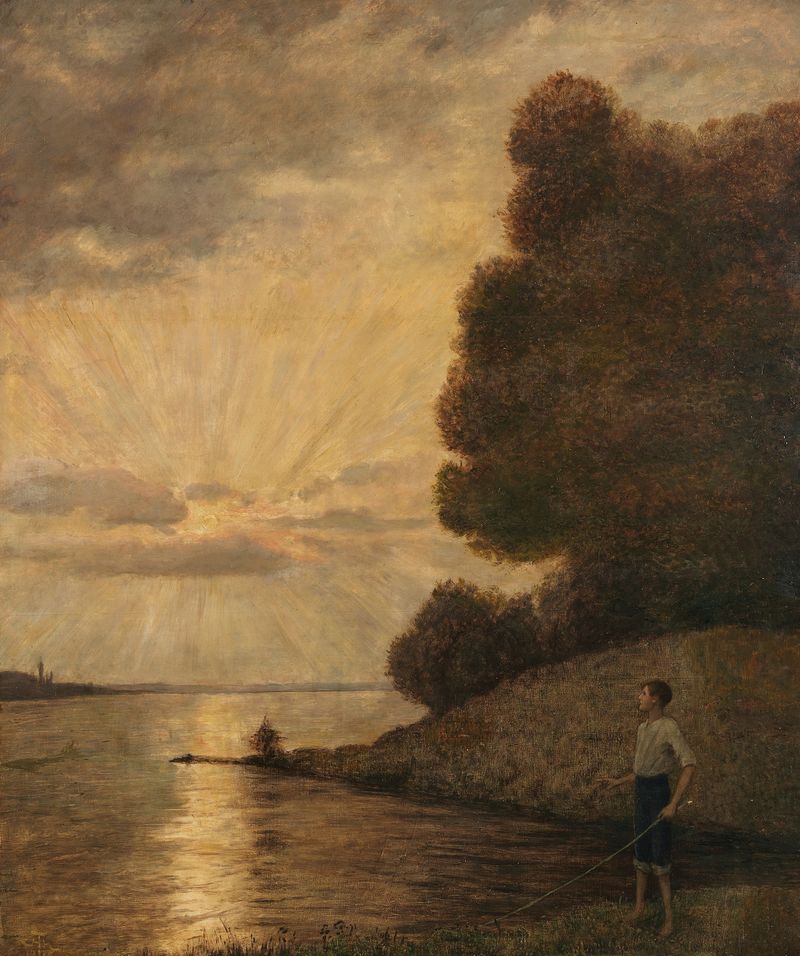
Sonnenuntergang am Oberrhein
Hans Thoma
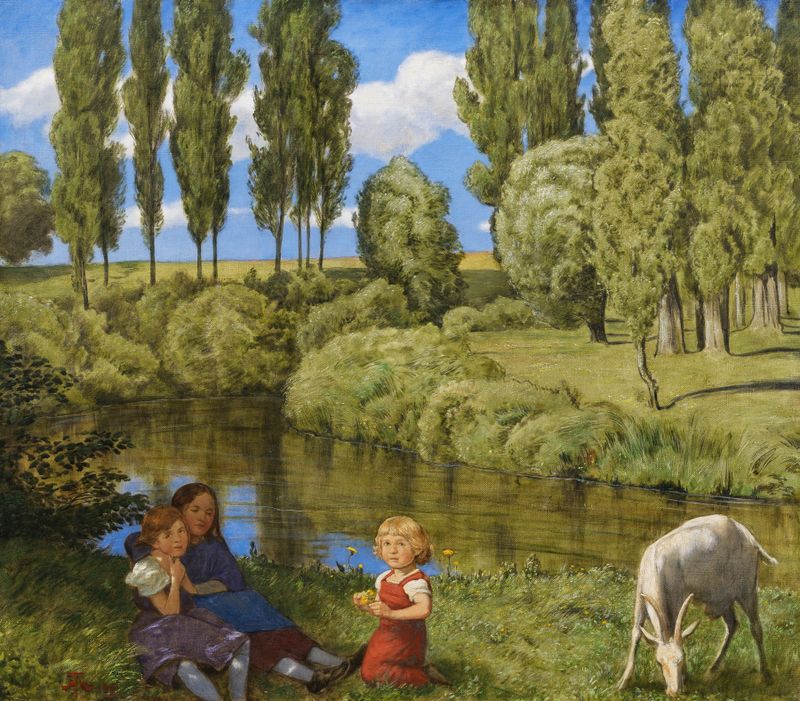
Am Stillen Bach
Hans Thoma
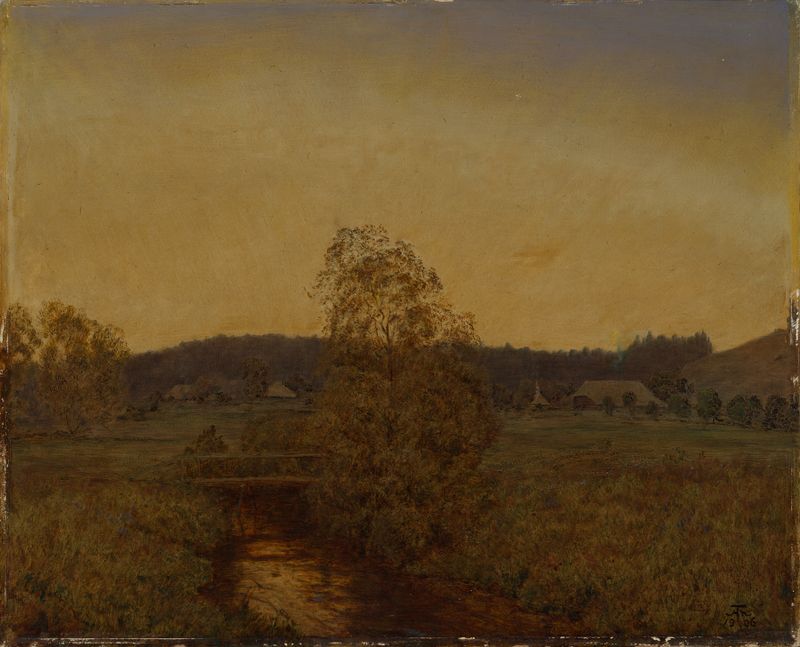
Der Abendstern
Hans Thoma
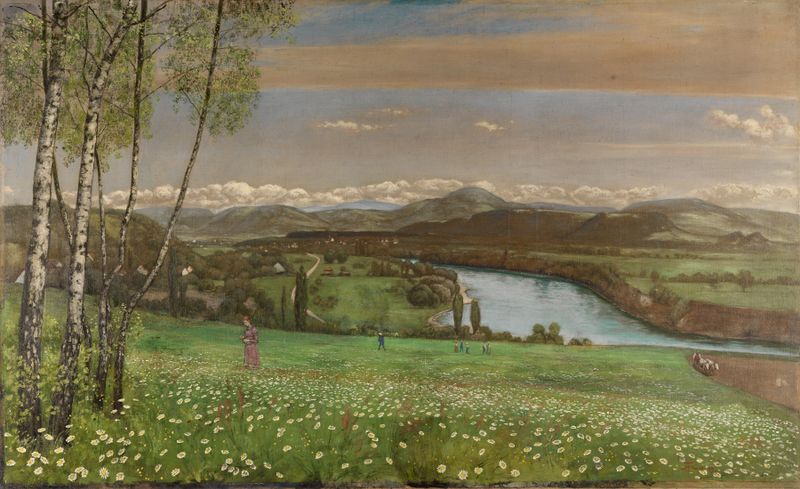
Das Rheintal bei Säckingen
Hans Thoma





