
Hiraizumi Konjikido (Konjiki Hall at Hiraizumi) — History & Facts
Is this a mirror — or a memory? In the delicate interplay of light and shadow within Hiraizumi Konjikido, a serene moment unfolds, inviting introspection and reverie. The viewer is drawn into a world where architectural beauty meets the ethereal, suggesting a deeper narrative hidden within the reflections cast by time. Focus on the shimmering surface of the water, where the gilded silhouette of Konjiki Hall emerges, cloaked in soft hues of gold and azure. Notice how the gentle ripples distort the image, creating a striking contrast between the solid lines of the building above and the fluidity of its reflection below.
The careful balance of light illuminates the hall while casting long shadows, evoking a sense of peace and contemplation. Each brushstroke is deliberate, guiding the eye across the composition, revealing textures that celebrate the harmony between nature and human creation. Beneath this tranquil surface lies a profound tension between permanence and transience. The hall, a symbol of spiritual devotion, stands firm against the ephemeral nature of its reflection, suggesting that moments of beauty are fleeting yet impactful.
The warm light enveloping the structure hints at nostalgia, while the dark shadows evoke the mysteries of what has come before. This duality invites viewers to ponder their own memories, making the piece both personal and universal in its resonance. In 1957, Kawase Hasui was at a pivotal point in his career, having established himself as a leading figure in the shin-hanga movement, which sought to blend traditional Japanese aesthetics with modern sensibilities. Painting this serene landscape in Hiraizumi, he drew upon the region’s rich cultural history during a time of post-war reflection in Japan, positioning his work as a bridge between the past and a hopeful vision of the future.
More Artworks by Kawase Hasui
Browse all →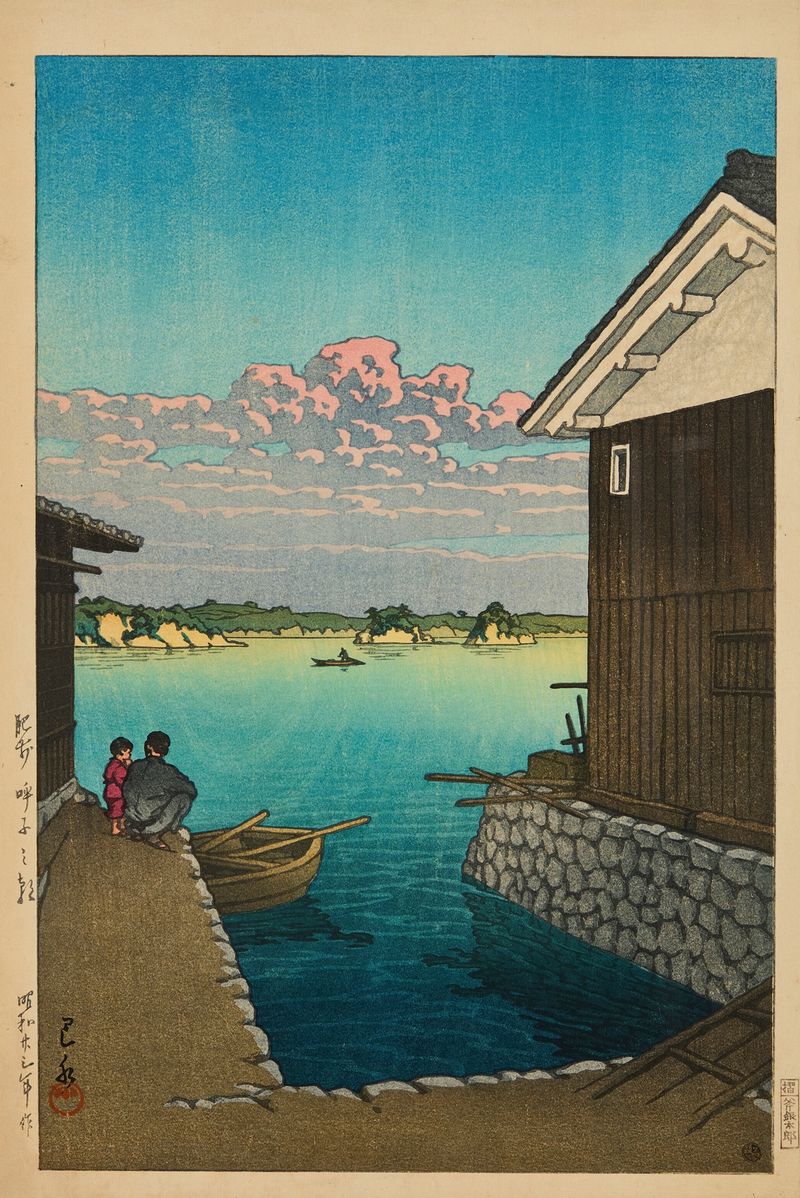
Hizen Yobuko no asa (Morning in Yobuko, Hizen)
Kawase Hasui
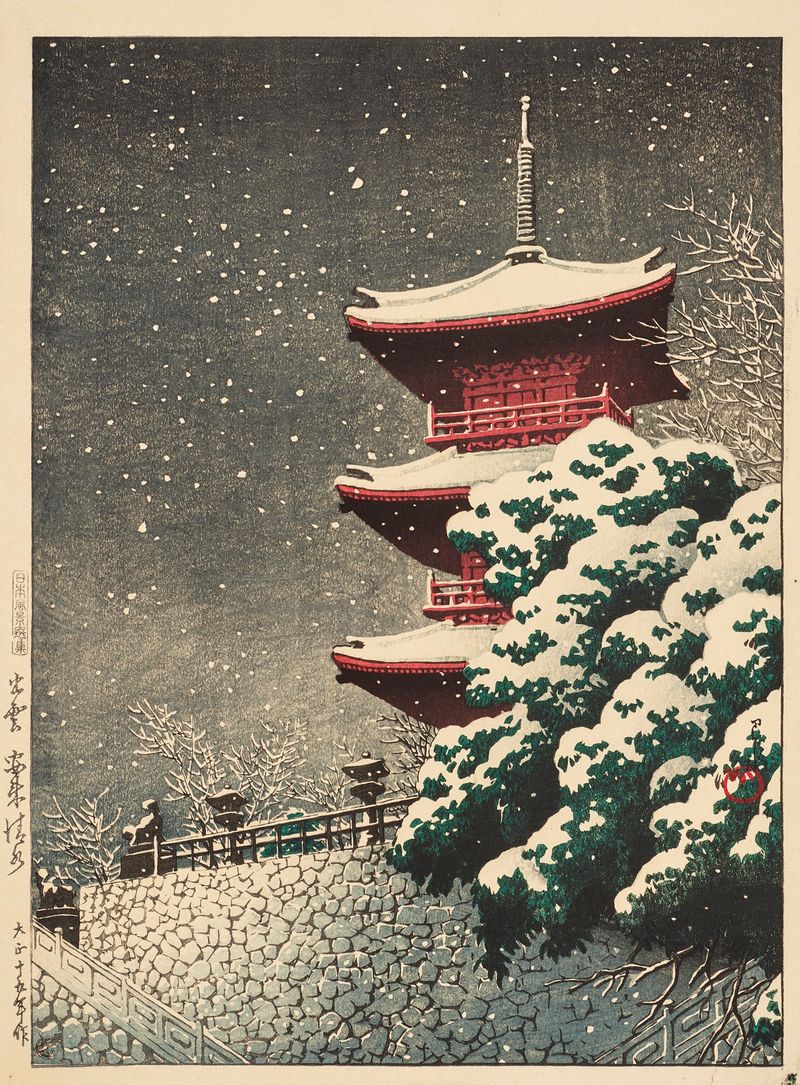
Izumo, Yasugi Kiyomizu (Yasugi Kiyomizu Temple at Izumo)
Kawase Hasui
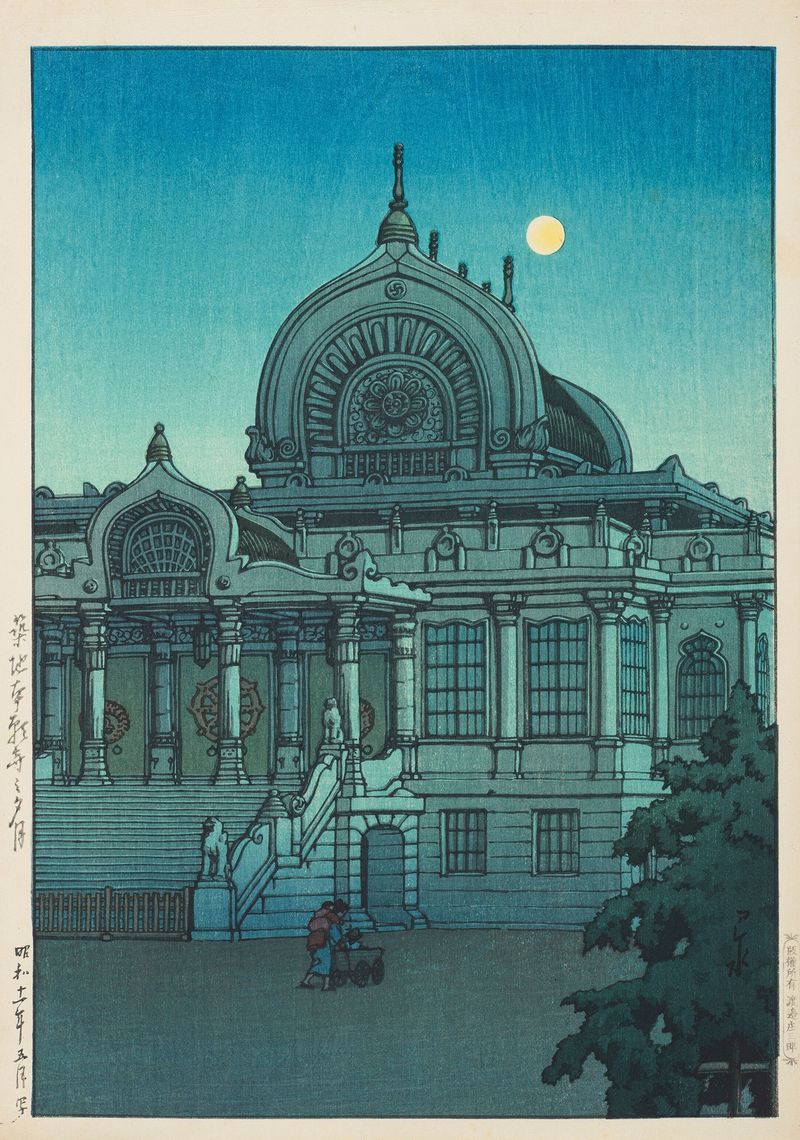
Tsukiji Honganji no yuzuki (Evening moon at Honganji Temple in Tsukiji)
Kawase Hasui
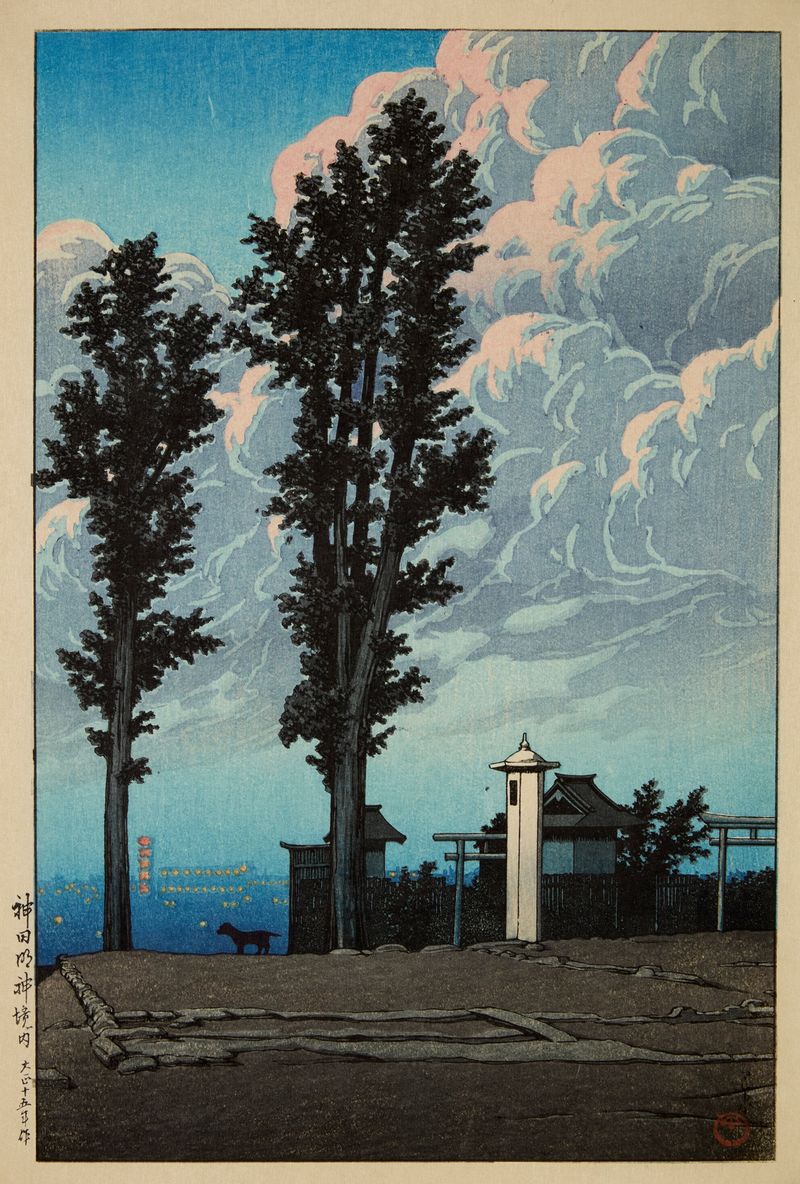
Kanda Myojin keidai (Kanda Myojin Shrine precent)
Kawase Hasui
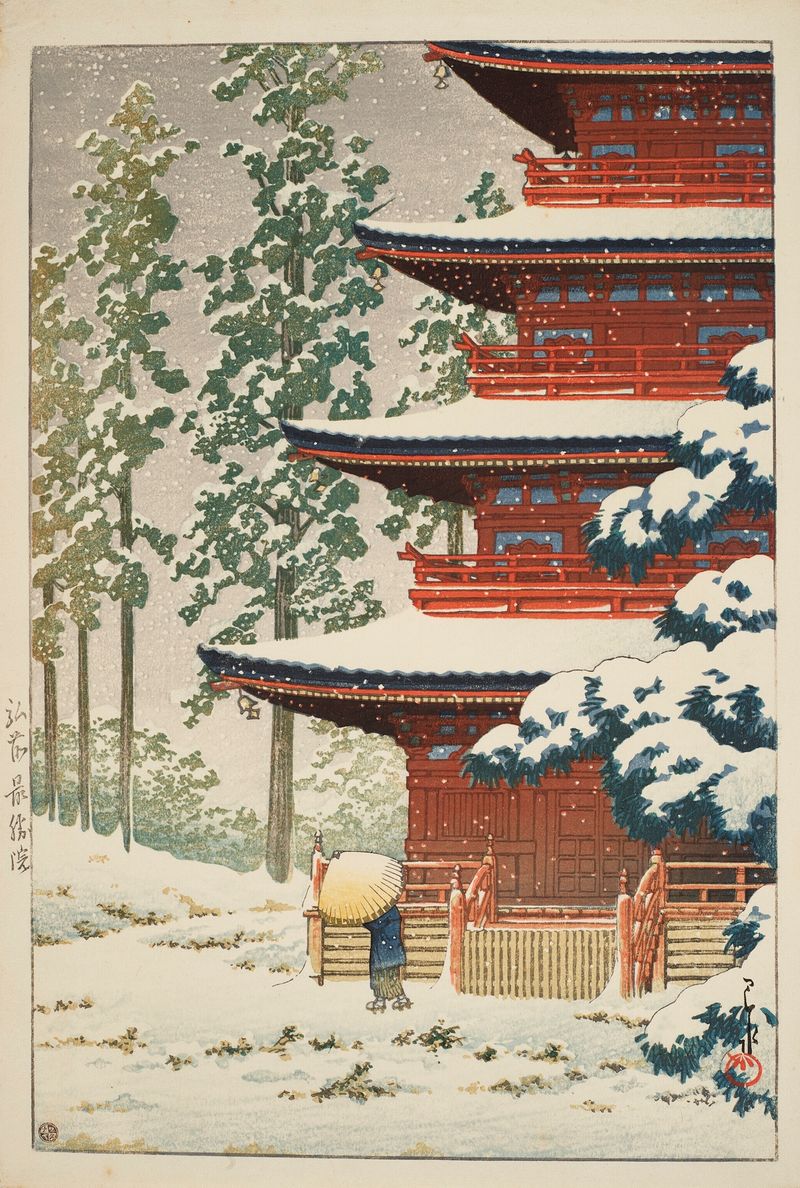
Saisho-in Temple, Hirosaki
Kawase Hasui
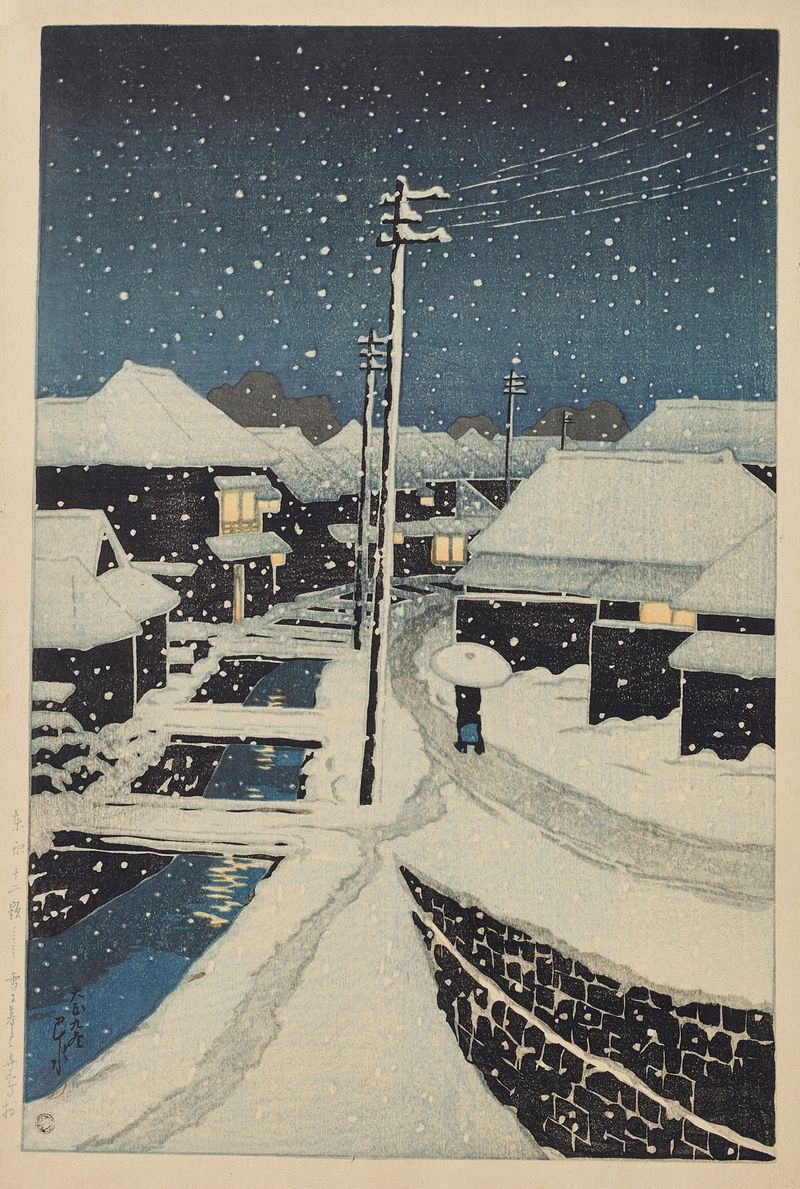
Yuki ni fururu Terajima mura (Evening snow at Terajima Village)
Kawase Hasui
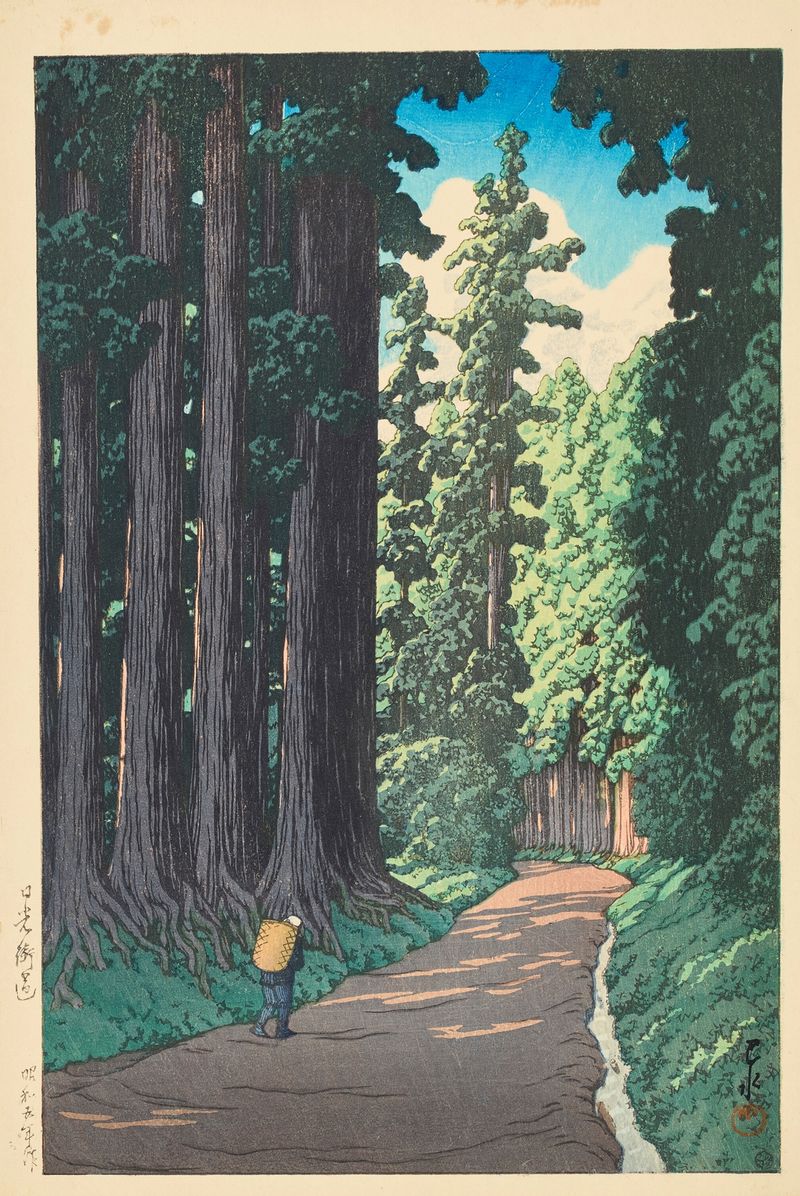
Nikko gaido (The Road to Nikko)
Kawase Hasui
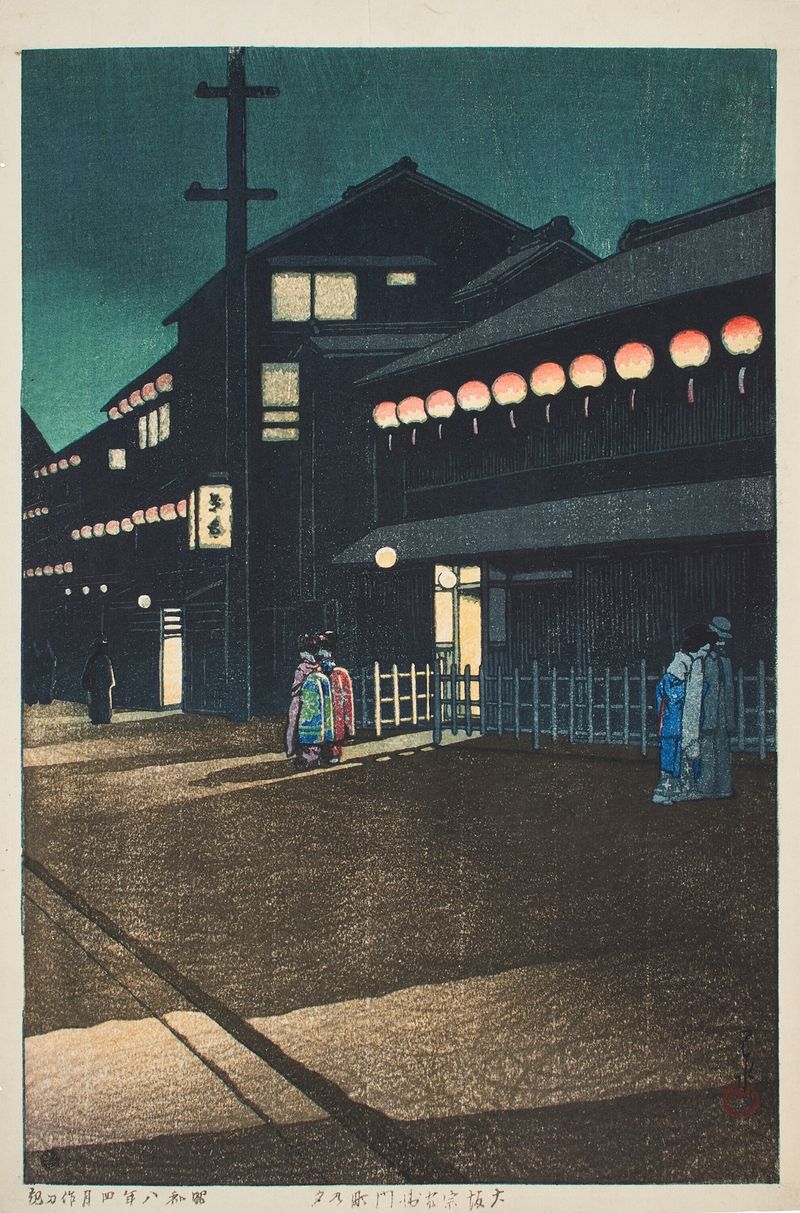
Osaka Soemon-cho no yu (Evening in Soemon-cho, Osaka)
Kawase Hasui
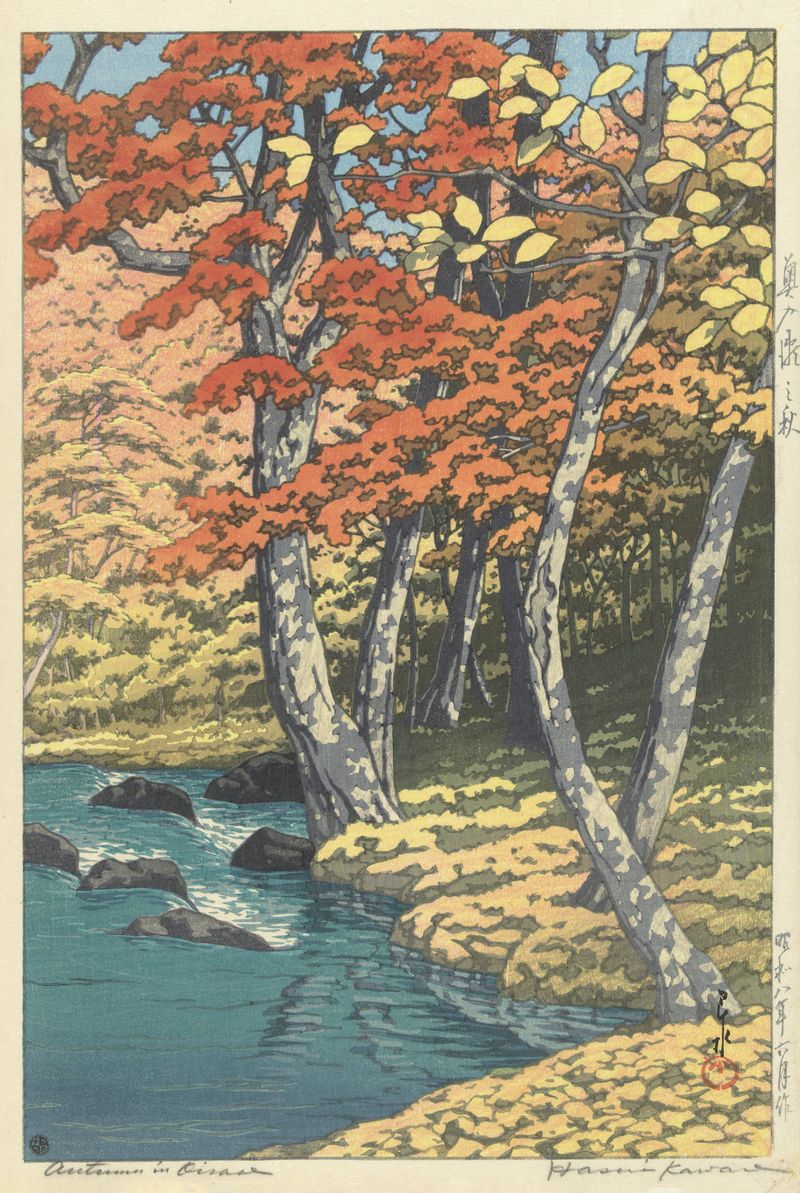
Autumn In Oirase
Kawase Hasui
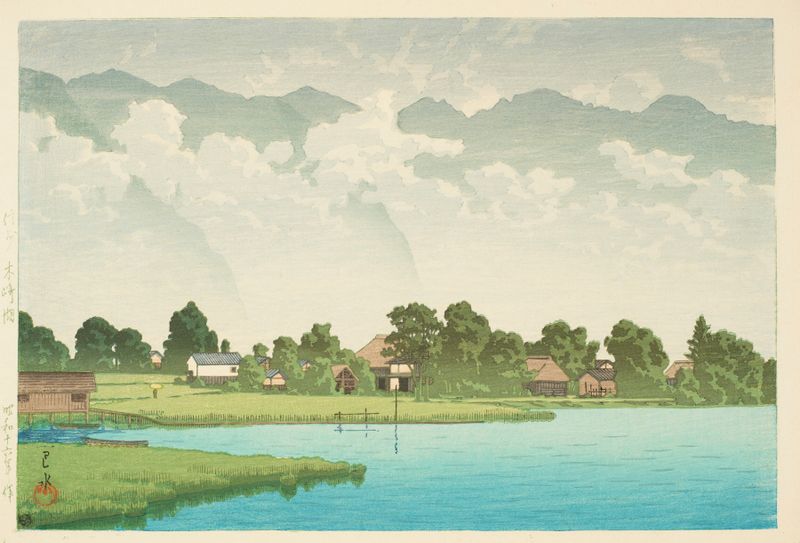
Shinshu Kizakiko (Kizaki Lake in Shinshu)
Kawase Hasui





