
Hirano no aki (Autumn at Hirano) — History & Facts
Did the painter know this moment would outlive them? In Hirano no aki, the essence of an autumn day is captured with such tenderness that it seems to whisper secrets about time's passage and nature's fleeting beauty. Focus on the gentle interplay of colors as the vibrant russet leaves dance in the breeze, leading your gaze towards the serene, reflective water below. Notice how the soft strokes create a harmonious balance between the trees and their reflection, blurring the line between reality and the imagined. The artist’s delicate use of light, particularly in the golden hues that suggest the waning sun, draws you deeper into the tranquil scene, inviting contemplation. The emotional tension lies in the contrast between the vibrant foliage and the stillness of the water.
Each leaf, a fleeting moment, contrasts with the unchanging surface beneath, echoing the impermanence of life. The quietude of the landscape evokes a sense of nostalgia, prompting viewers to reflect on their own experiences with nature and the passage of time—elements that bind humanity to the world around them. In 1945, Kawase Hasui painted this work during a tumultuous period in Japan’s history, as the country was recovering from the devastation of World War II. The artist was a leading figure in the ukiyo-e movement, which reinterpreted traditional woodblock print techniques for contemporary themes.
Amidst the chaos, Hasui dedicated himself to creating serene landscapes that offered solace and beauty, embodying a moment of peace that transcended the hardships of his time.
More Artworks by Kawase Hasui
Browse all →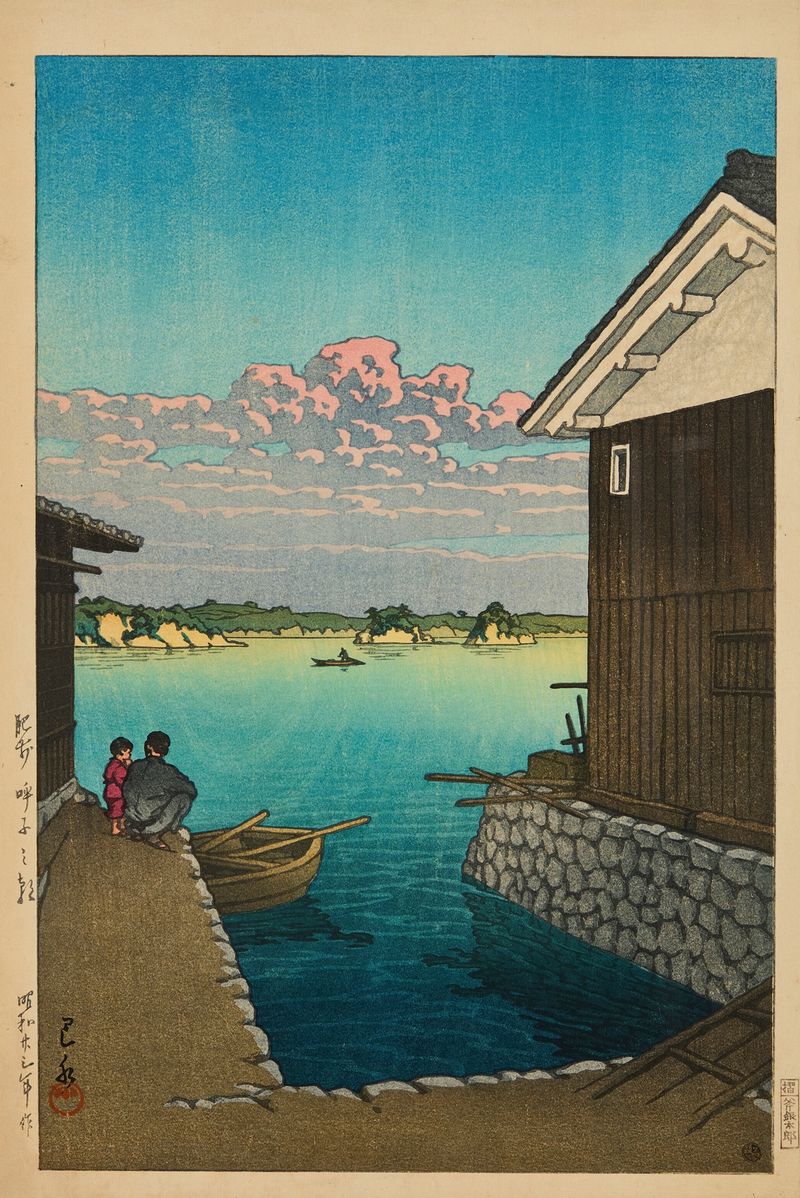
Hizen Yobuko no asa (Morning in Yobuko, Hizen)
Kawase Hasui
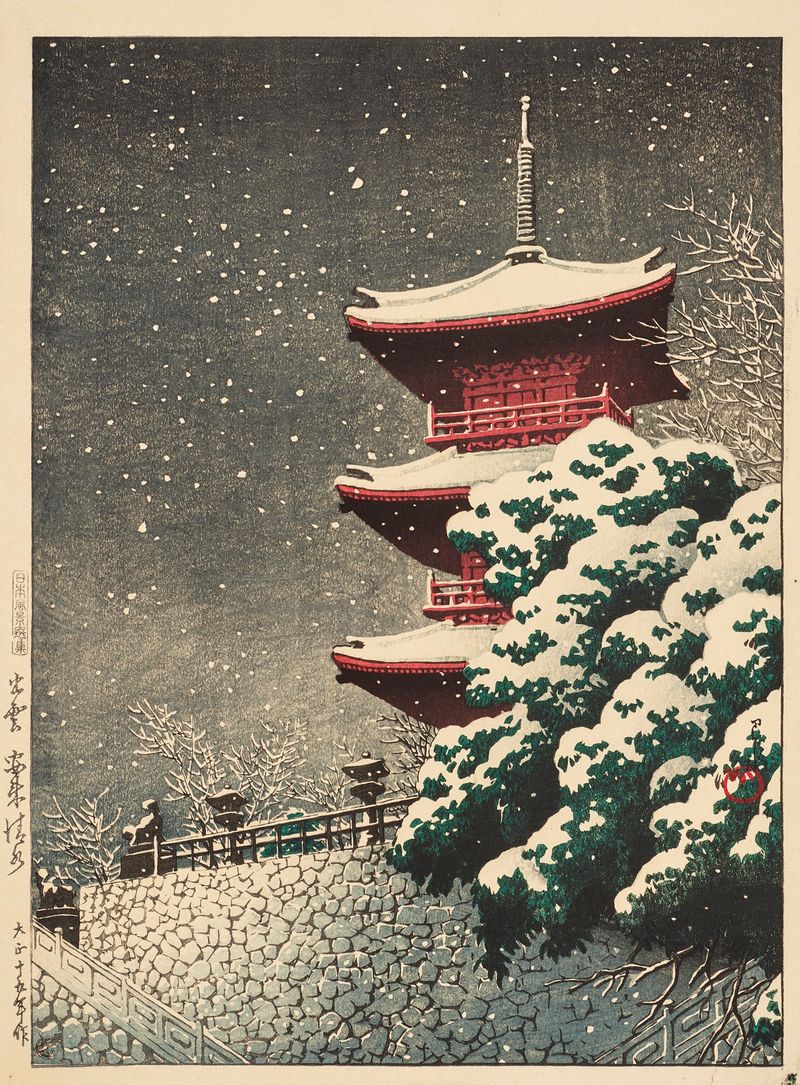
Izumo, Yasugi Kiyomizu (Yasugi Kiyomizu Temple at Izumo)
Kawase Hasui
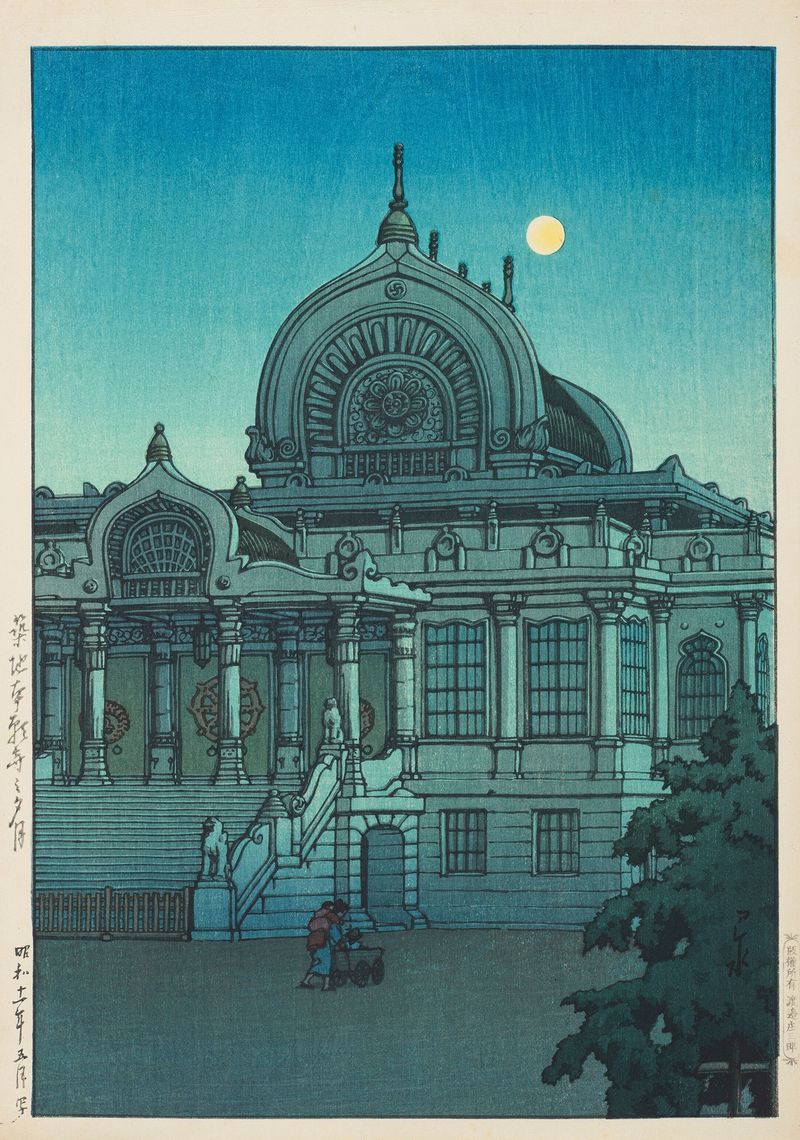
Tsukiji Honganji no yuzuki (Evening moon at Honganji Temple in Tsukiji)
Kawase Hasui
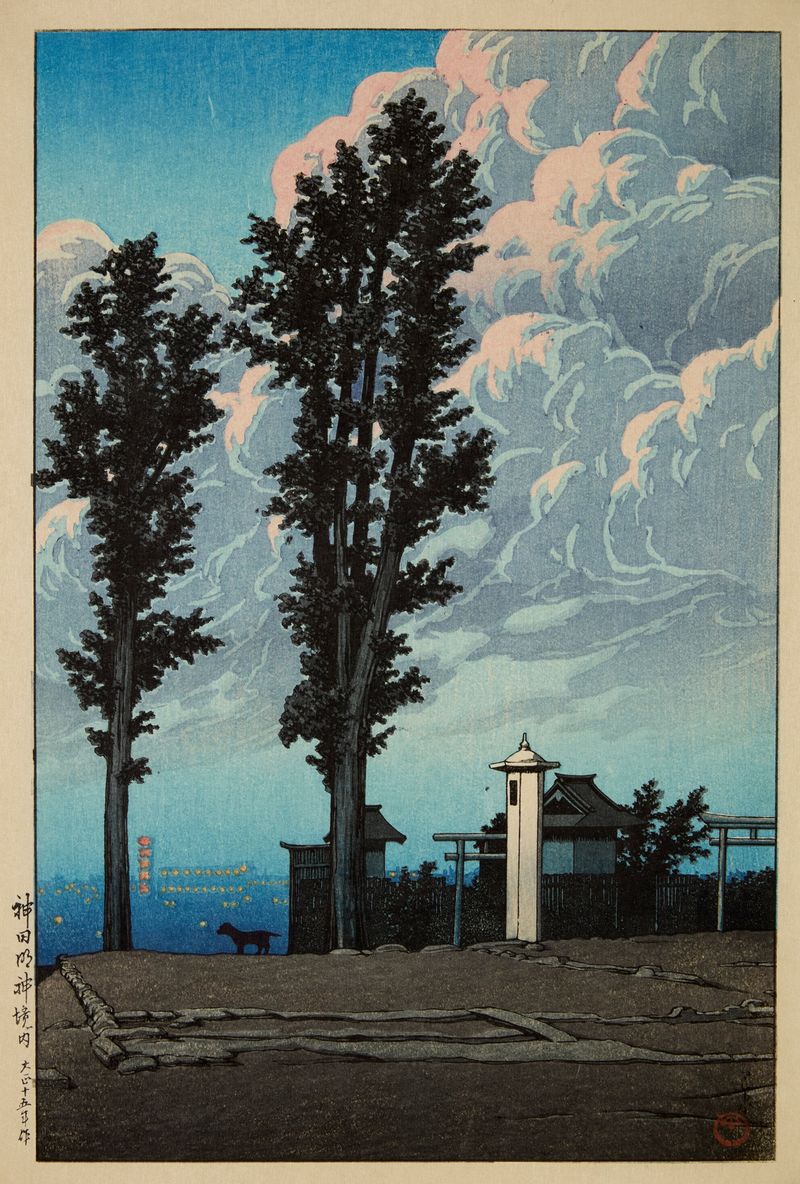
Kanda Myojin keidai (Kanda Myojin Shrine precent)
Kawase Hasui
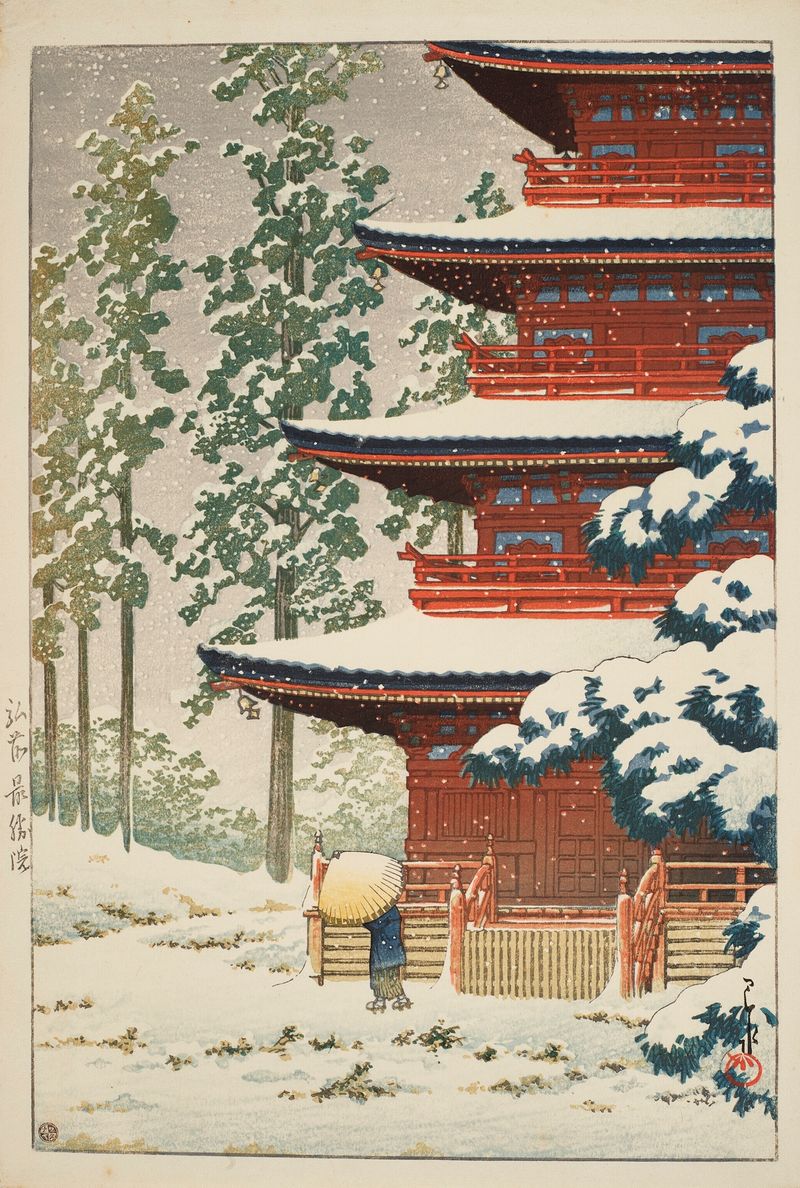
Saisho-in Temple, Hirosaki
Kawase Hasui
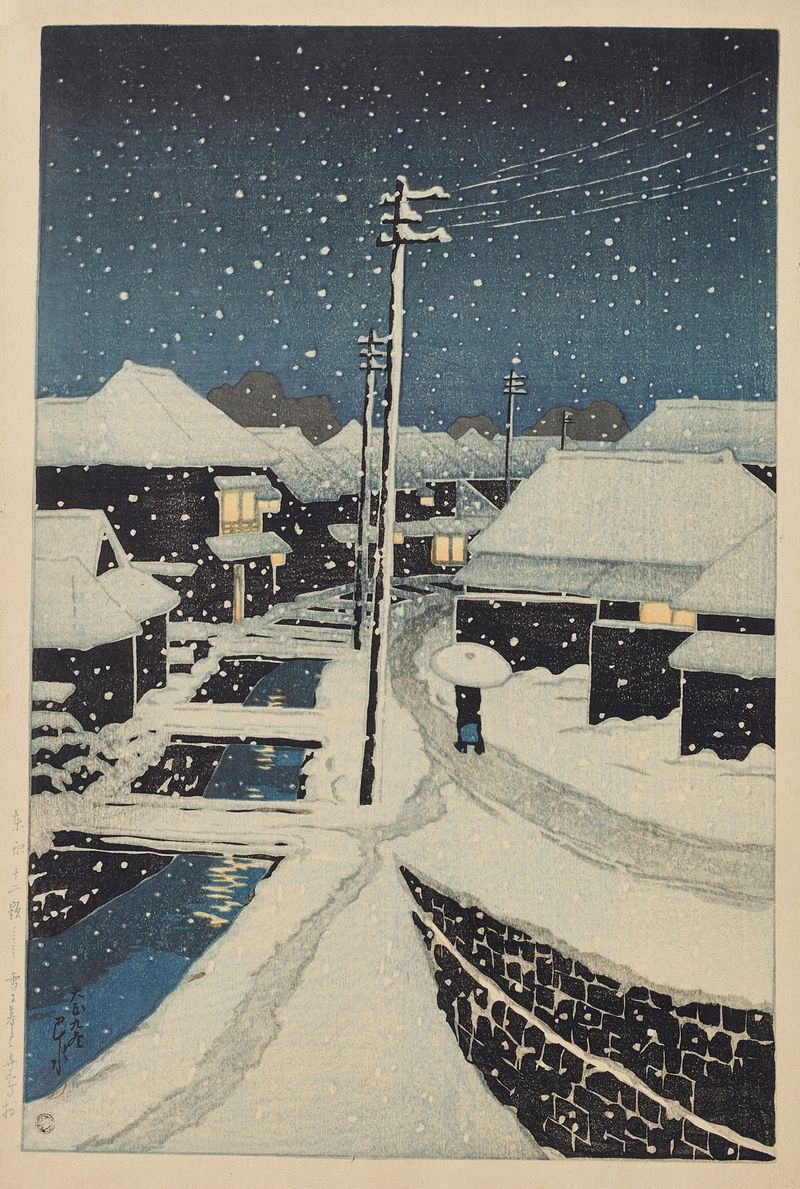
Yuki ni fururu Terajima mura (Evening snow at Terajima Village)
Kawase Hasui
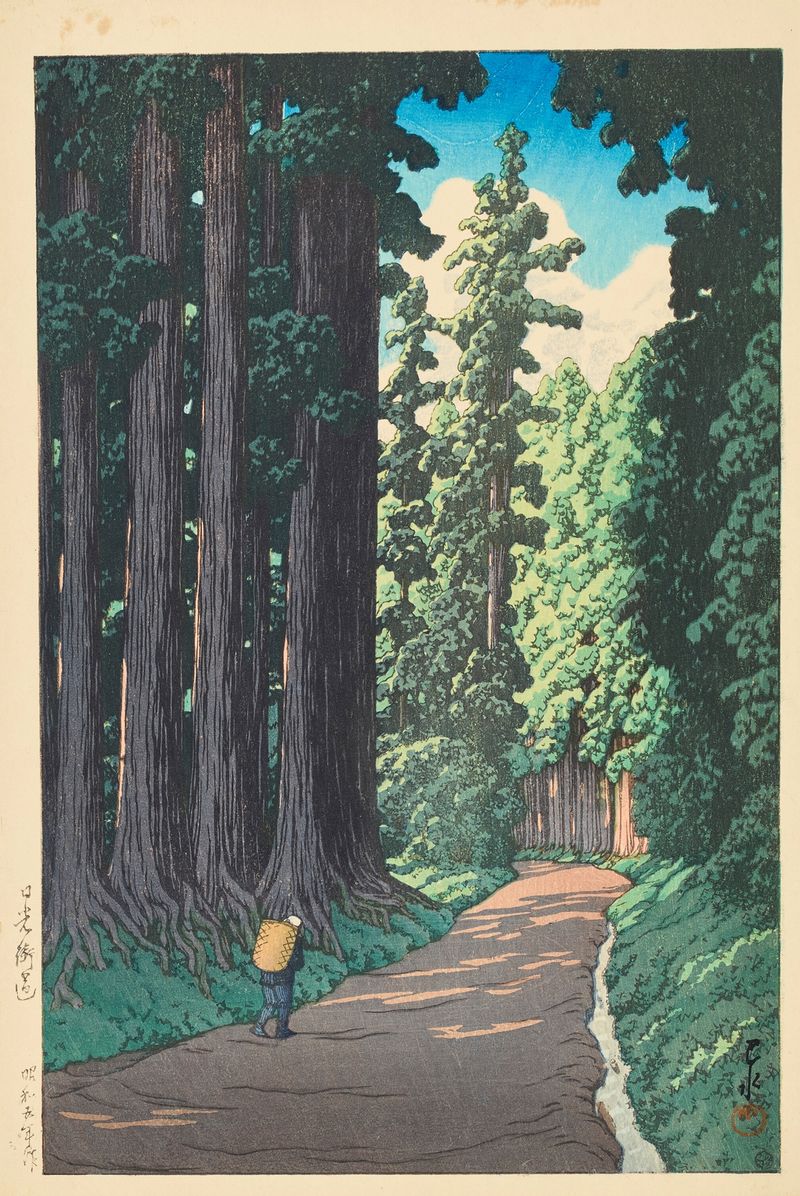
Nikko gaido (The Road to Nikko)
Kawase Hasui
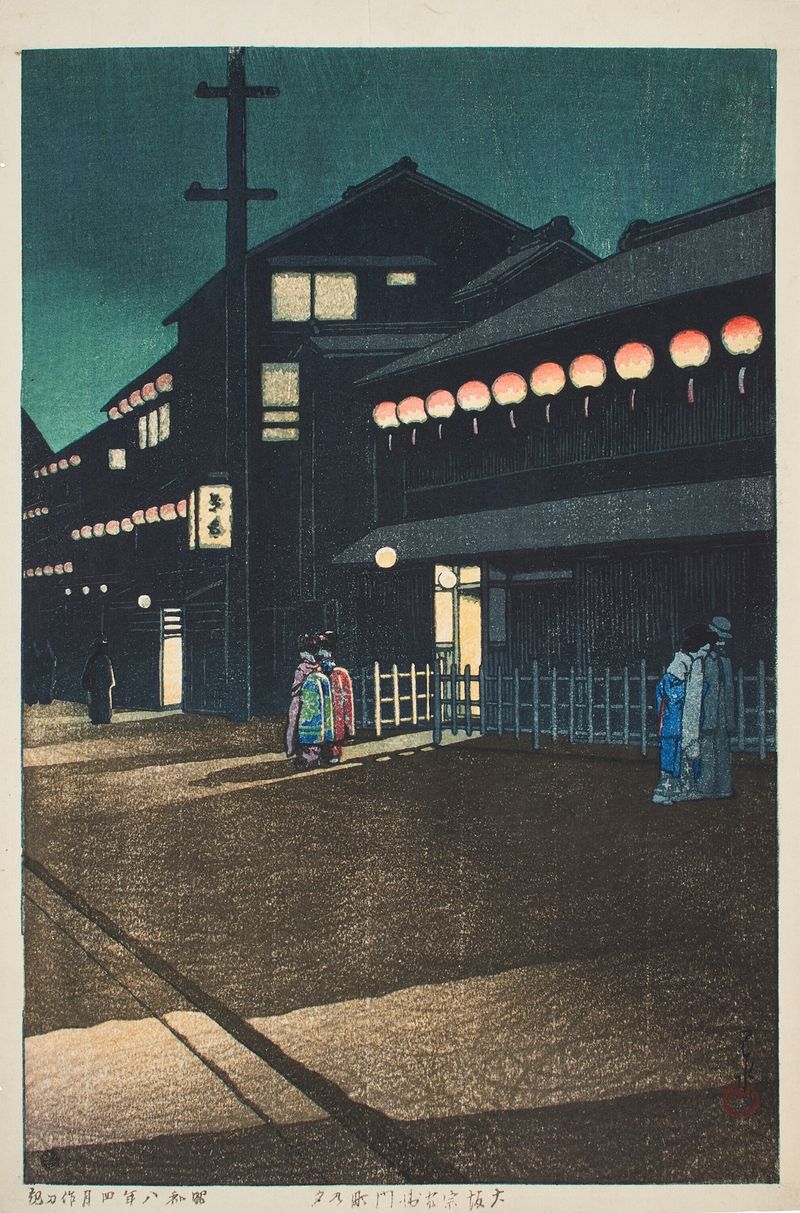
Osaka Soemon-cho no yu (Evening in Soemon-cho, Osaka)
Kawase Hasui
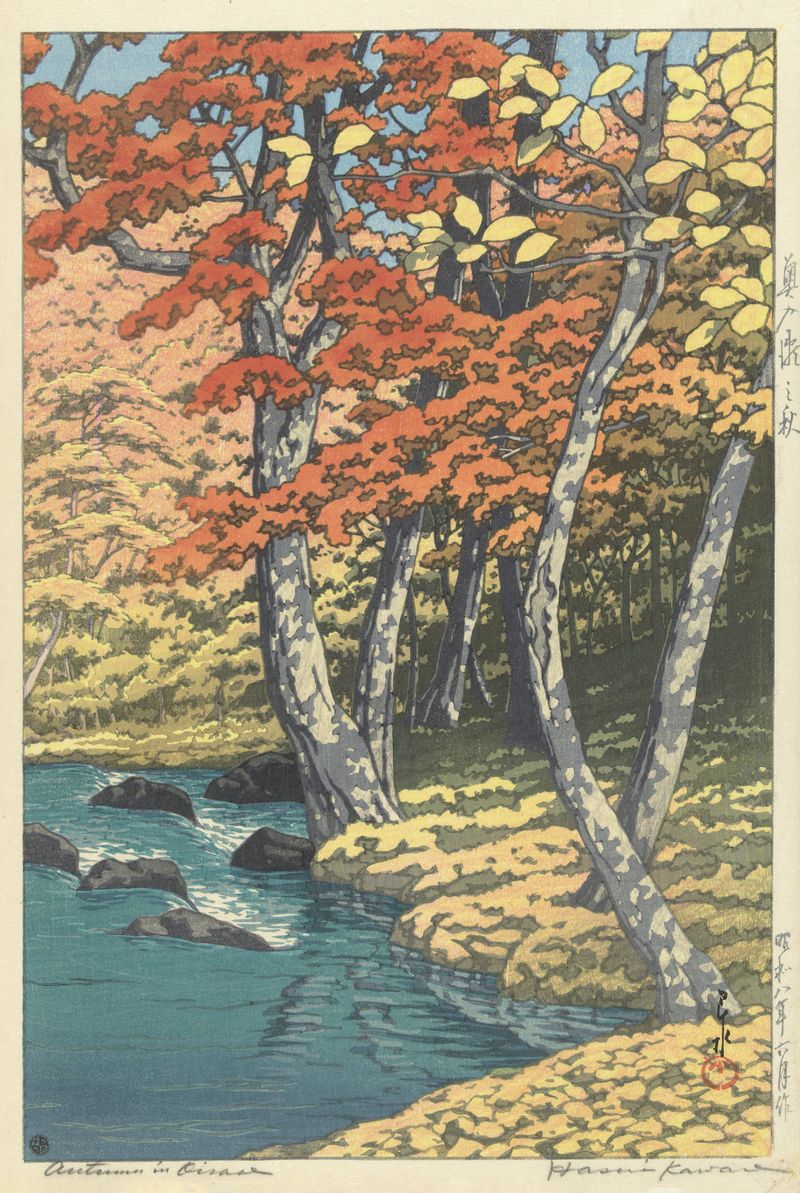
Autumn In Oirase
Kawase Hasui
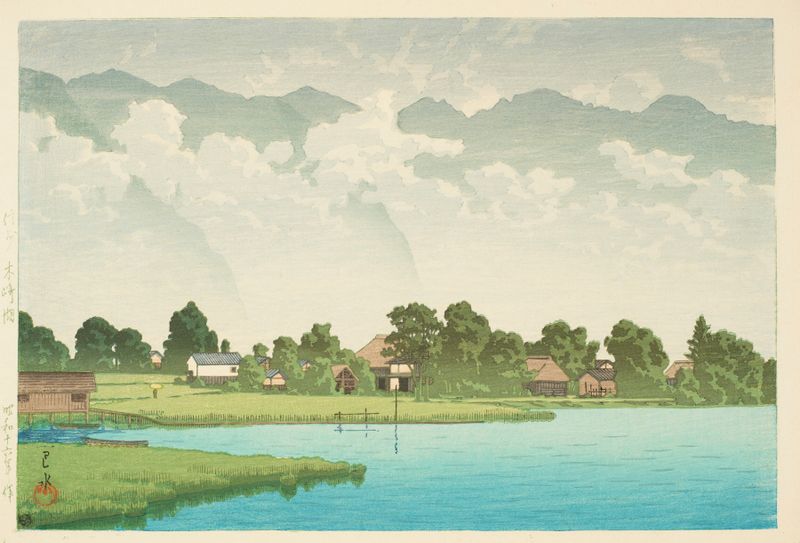
Shinshu Kizakiko (Kizaki Lake in Shinshu)
Kawase Hasui





