Hälleforsy — History & Facts
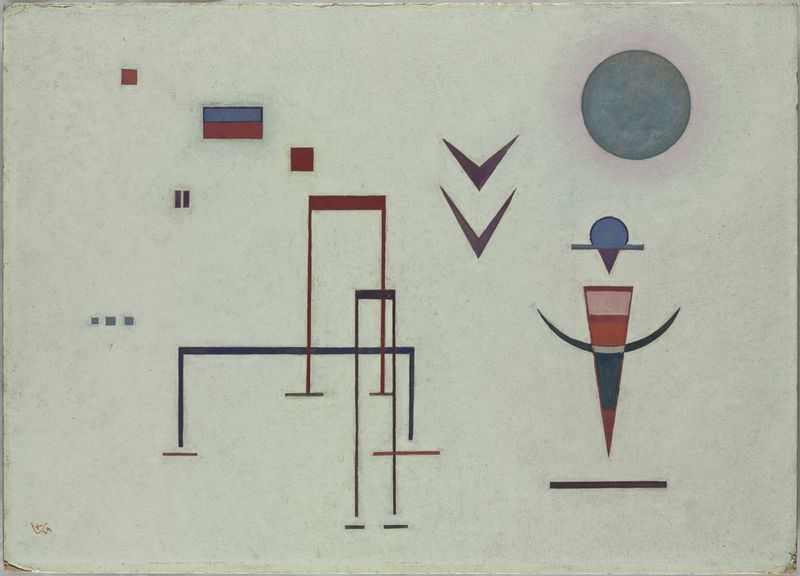
This sentiment encapsulates the complexity of existence, where the allure of aesthetics often masks deeper, unsettling truths. Look closely at the swirling forms, where vibrant hues of gold and deep crimson wrestle for attention. Notice how the chaotic brushstrokes interact; they seem to pulse with energy, almost alive, drawing the eye toward the center, where tension coalesces. The texture creates a visceral sensation, as if the violence behind the creation is clawing its way into view.
The dynamic interplay of light and shadow enhances this experience, offering a glimpse into the artist's inner turmoil. Delve deeper, and you'll discover hints of struggle entwined within the beauty. The violent contrasts in color suggest a tumultuous emotional landscape, where serenity and chaos coexist in a fragile balance. Each stroke lays bare an underlying vulnerability, perhaps reflecting societal tensions or personal strife.
In this work, the delicate veneer of beauty is tantalizingly close to fracturing, revealing the raw emotion simmering beneath the surface. Ferdinand Boberg painted this piece between 1915 and 1924, during a time marked by significant upheaval in Europe. The aftermath of World War I cast a long shadow over artistic expression, prompting many artists to grapple with their identities and the human condition. As Boberg navigated this era, Hälleforsy emerged as both a personal reflection and a commentary on the broader societal discord, embodying the duality of beauty and violence that characterized his time.
More Artworks by Ferdinand Boberg
Browse all →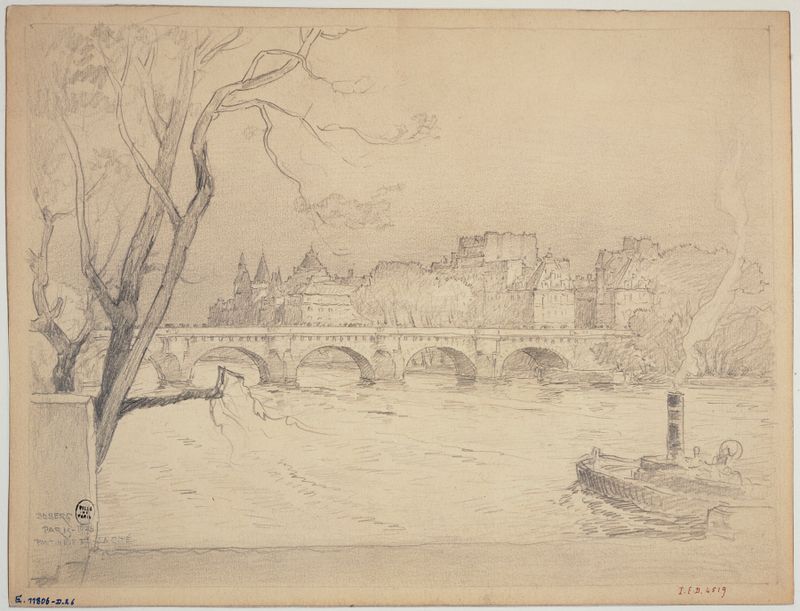
Le Pont-Neuf et la Cité
Ferdinand Boberg
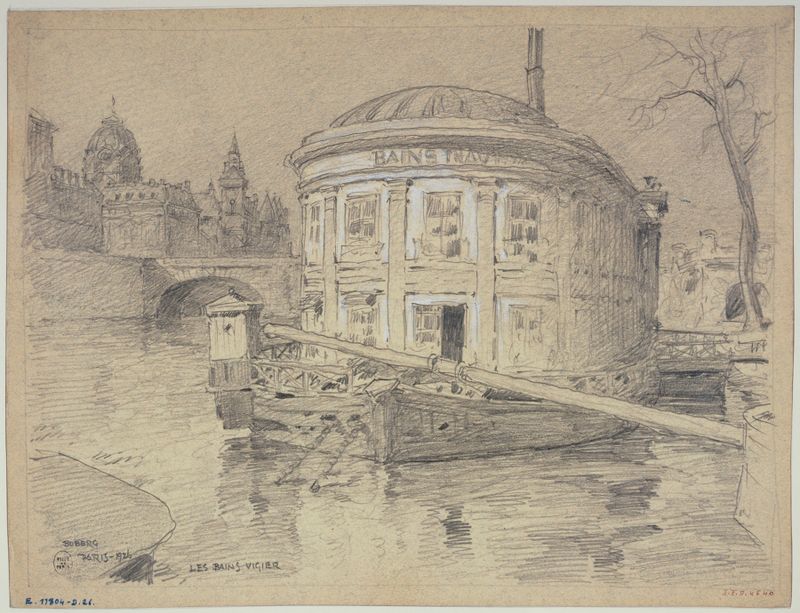
Les bains Vigier au Pont-Neuf
Ferdinand Boberg
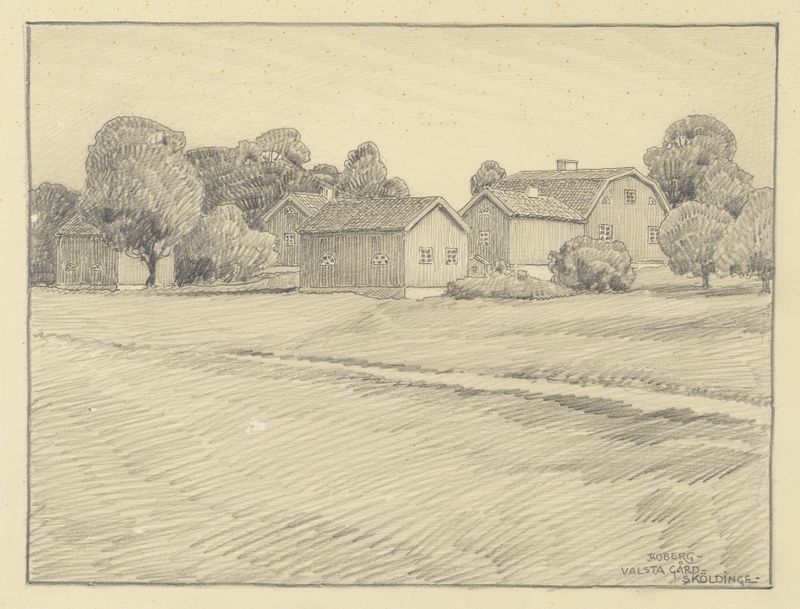
Valsta Gård
Ferdinand Boberg
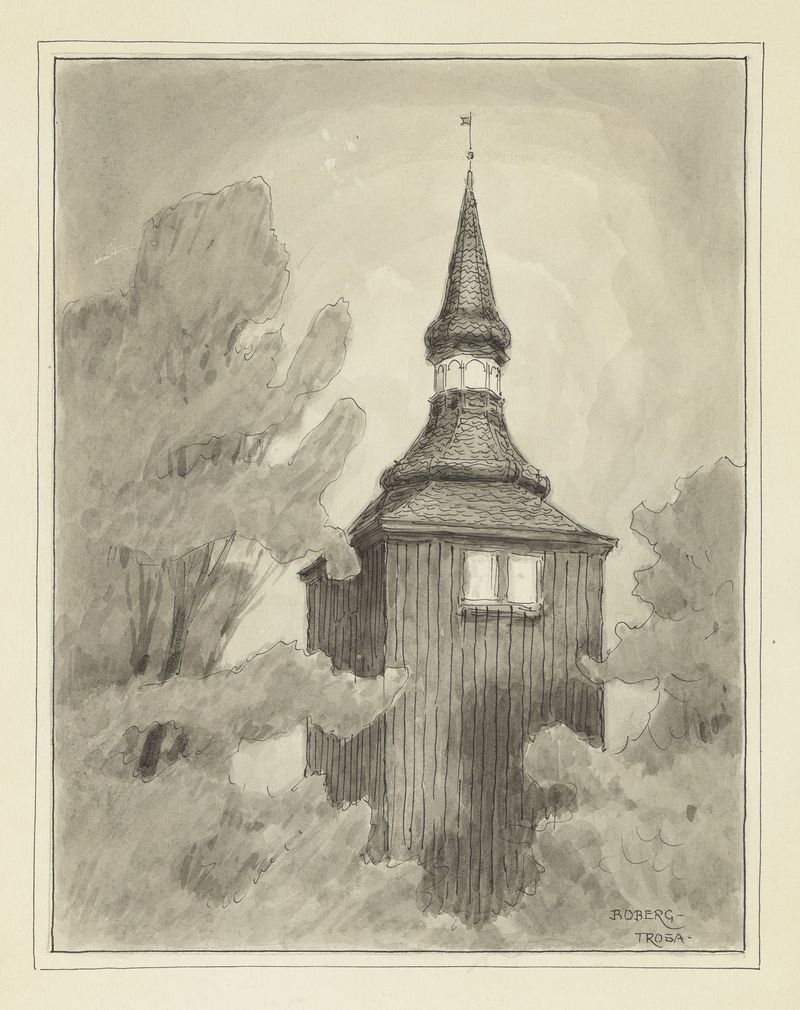
Trosa
Ferdinand Boberg
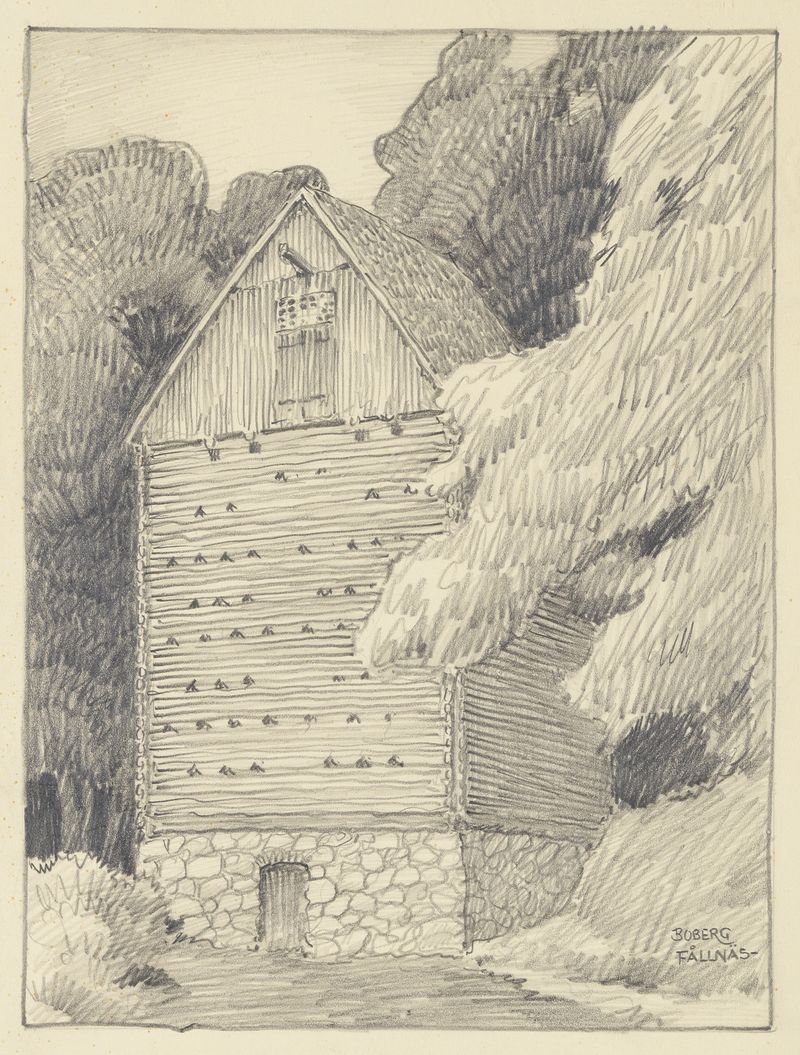
Fållnäs
Ferdinand Boberg
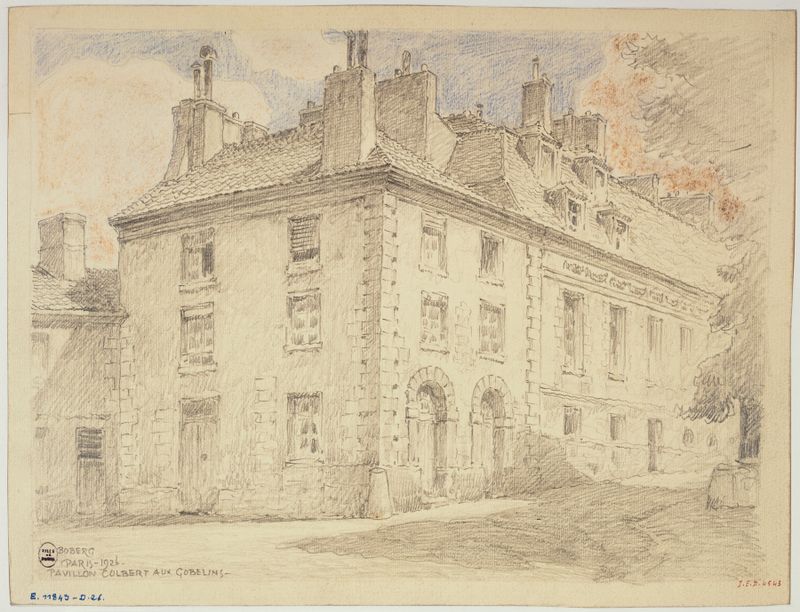
Le pavillon Colbert aux Gobelins
Ferdinand Boberg
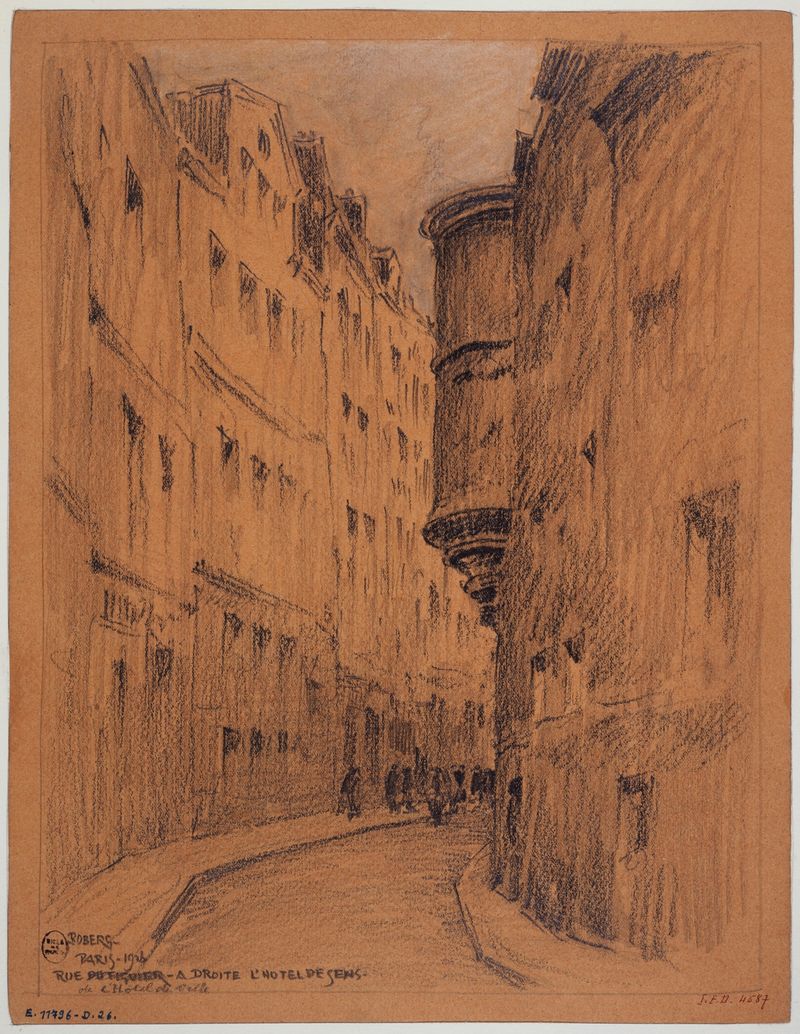
Rue de l’Hôtel de Ville; l’hôtel de Sens
Ferdinand Boberg
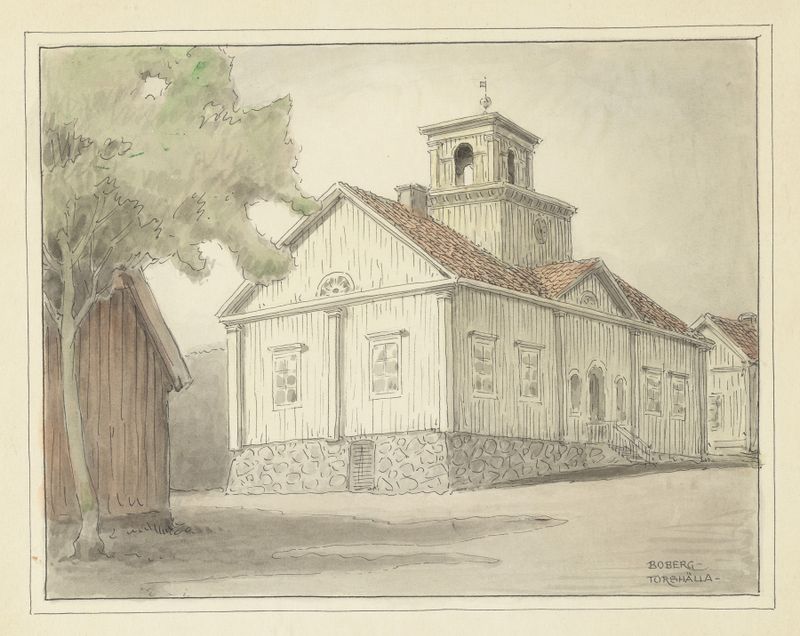
Torshälla
Ferdinand Boberg
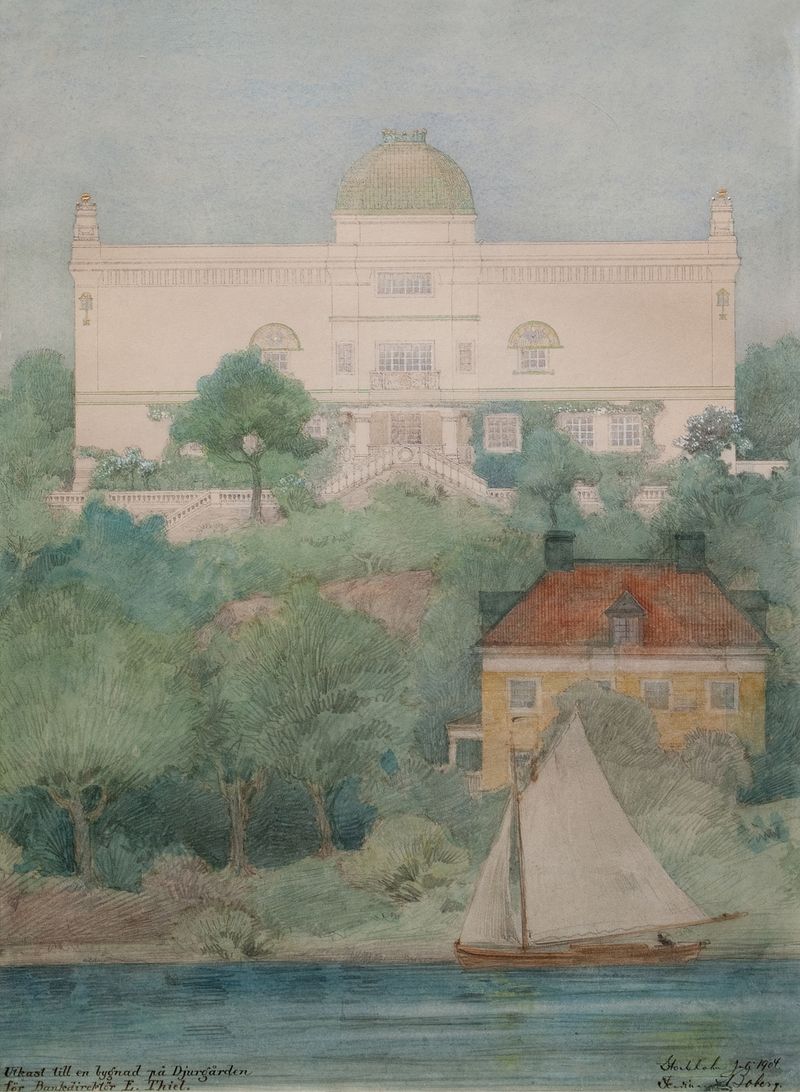
Sketch for a building for Thiel’s Gallery
Ferdinand Boberg
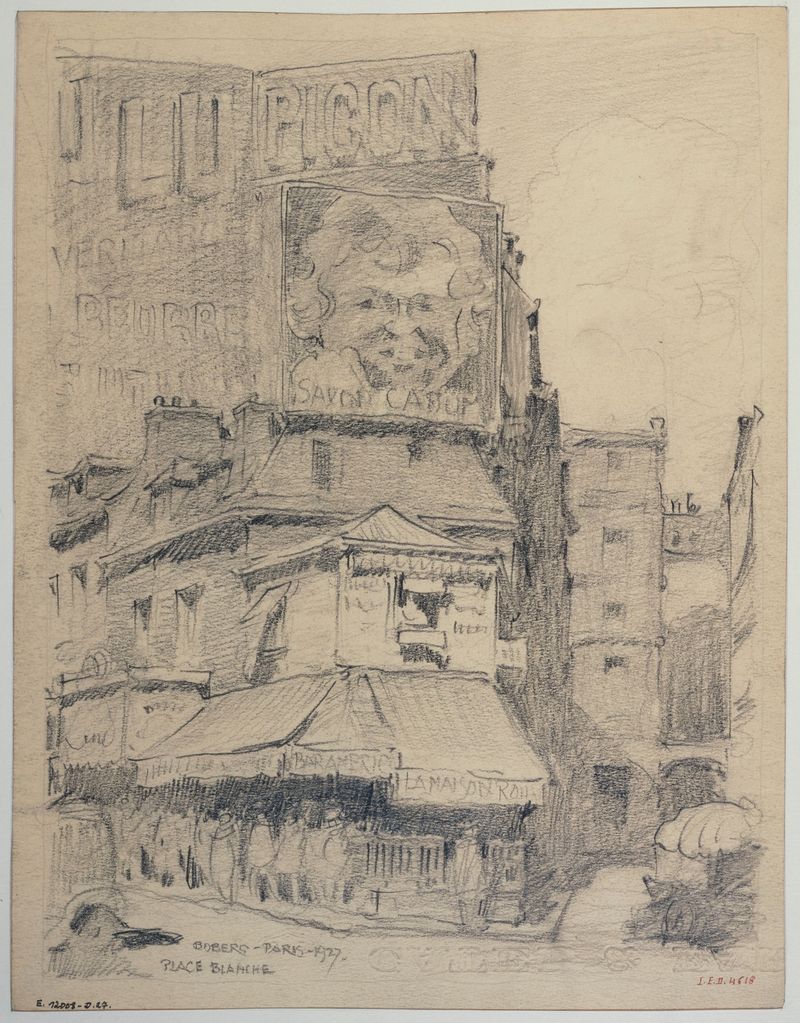
La place Blanche
Ferdinand Boberg