
Hogepriester staand in liturgisch kleding — History & Facts
Who listens when art speaks of silence? In the stillness of Hogepriester staand in liturgisch kleding, a solemnity fills the air, echoing the whispers of decay and reverence. Focus your gaze on the high priest, whose richly embroidered robe commands attention at the center of the canvas. Notice the intricate details woven into the fabric, each thread telling a story of devotion and authority. The soft light caresses his solemn face, highlighting the sharp contrast between the vibrant hues of the vestments and the muted background.
This careful juxtaposition underscores the weight of his role, suggesting both power and vulnerability. Yet, there is an unsettling tension in the composition. The high priest's gaze, while fixed firmly ahead, seems to hint at the inevitable decay of human influence and the fragility of faith. The delicate balance of opulence and somber expression reflects the clash between spiritual ambition and the temporal world.
The slight wrinkles on his forehead betray a burden of responsibility, while the fading colors in the background whisper of the passage of time, where even the most devout are not immune to decline. Cranach created this piece between 1523 and 1526, during a period of profound religious transformation in Europe. The Reformation was reshaping the landscape of faith, and the artist, closely associated with Martin Luther, sought to capture the essence of piety amidst changing tides. This context reveals the high priest not just as a figure of divine authority, but as a symbol of the era—caught between tradition and the turbulent currents of reform.
More Artworks by Lucas Cranach (I)
Browse all →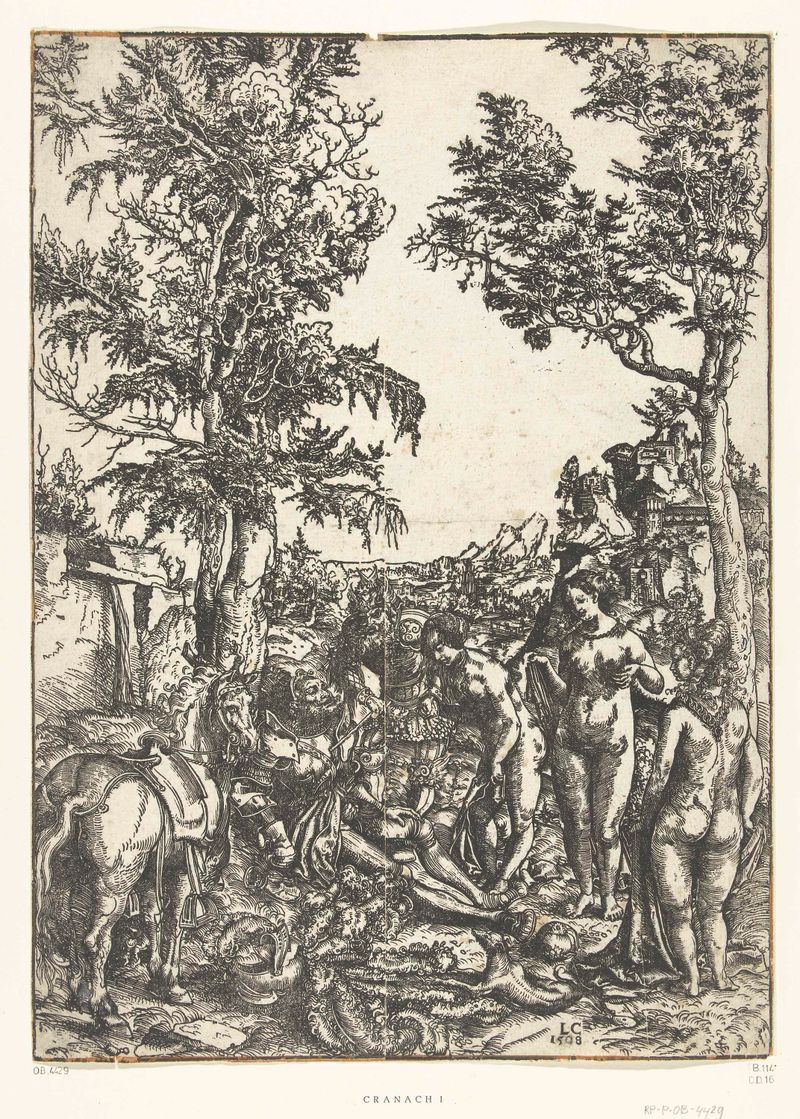
Oordeel van Paris
Lucas Cranach (I)
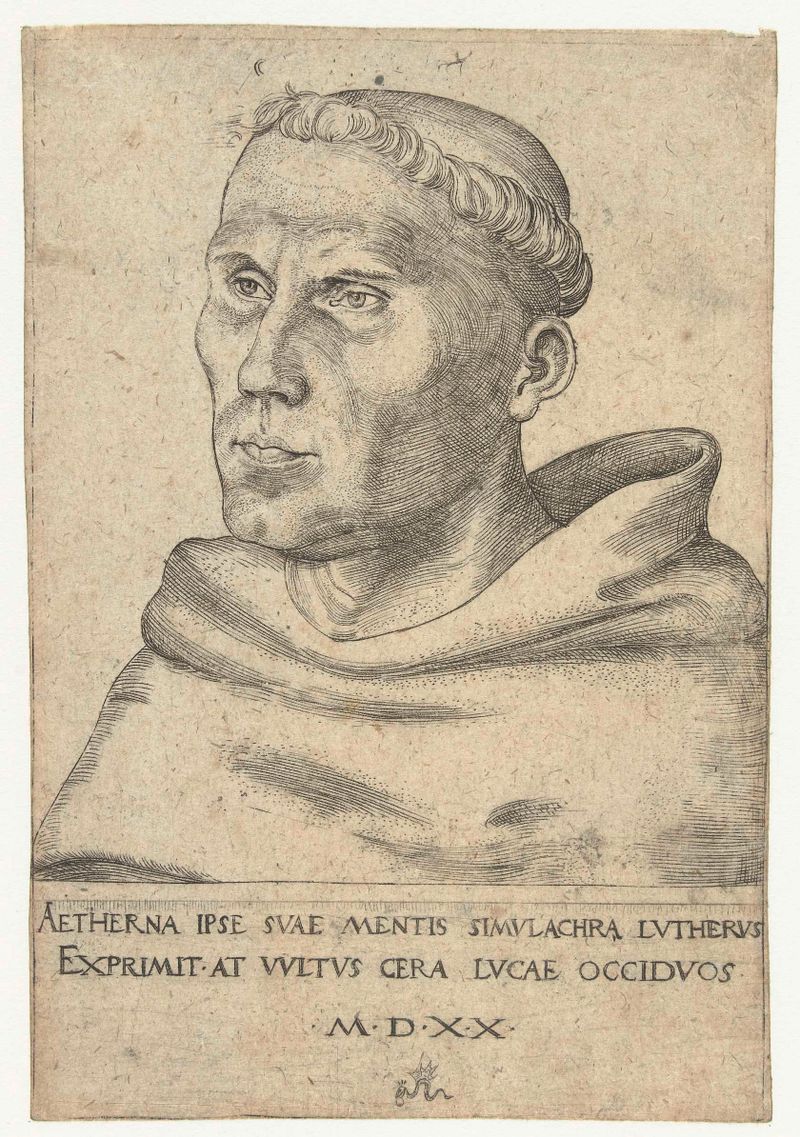
Portret van Martin Luther als Augustijner monnik
Lucas Cranach (I)
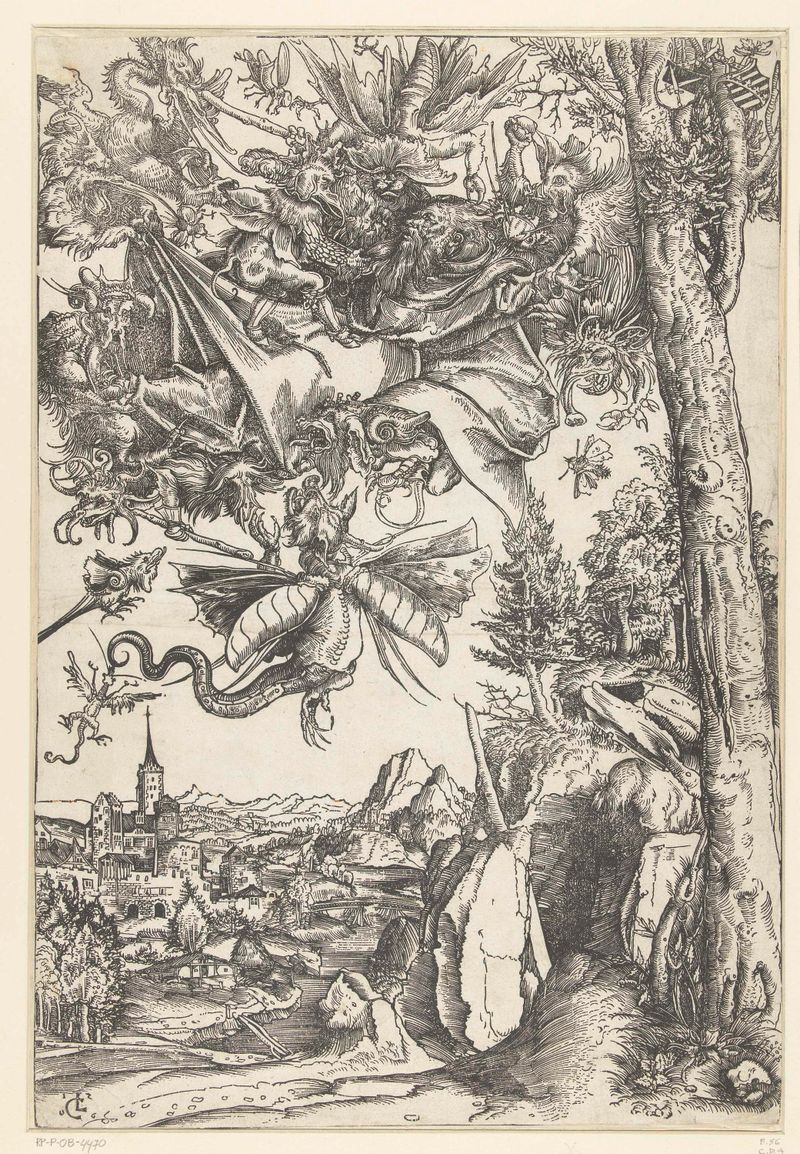
Verzoeking van Antonius met aanval door demonen
Lucas Cranach (I)

Christus en de Samaritaanse vrouw
Lucas Cranach (I)

Duits toernooi met twee edelmannen als ridders te paard
Lucas Cranach (I)
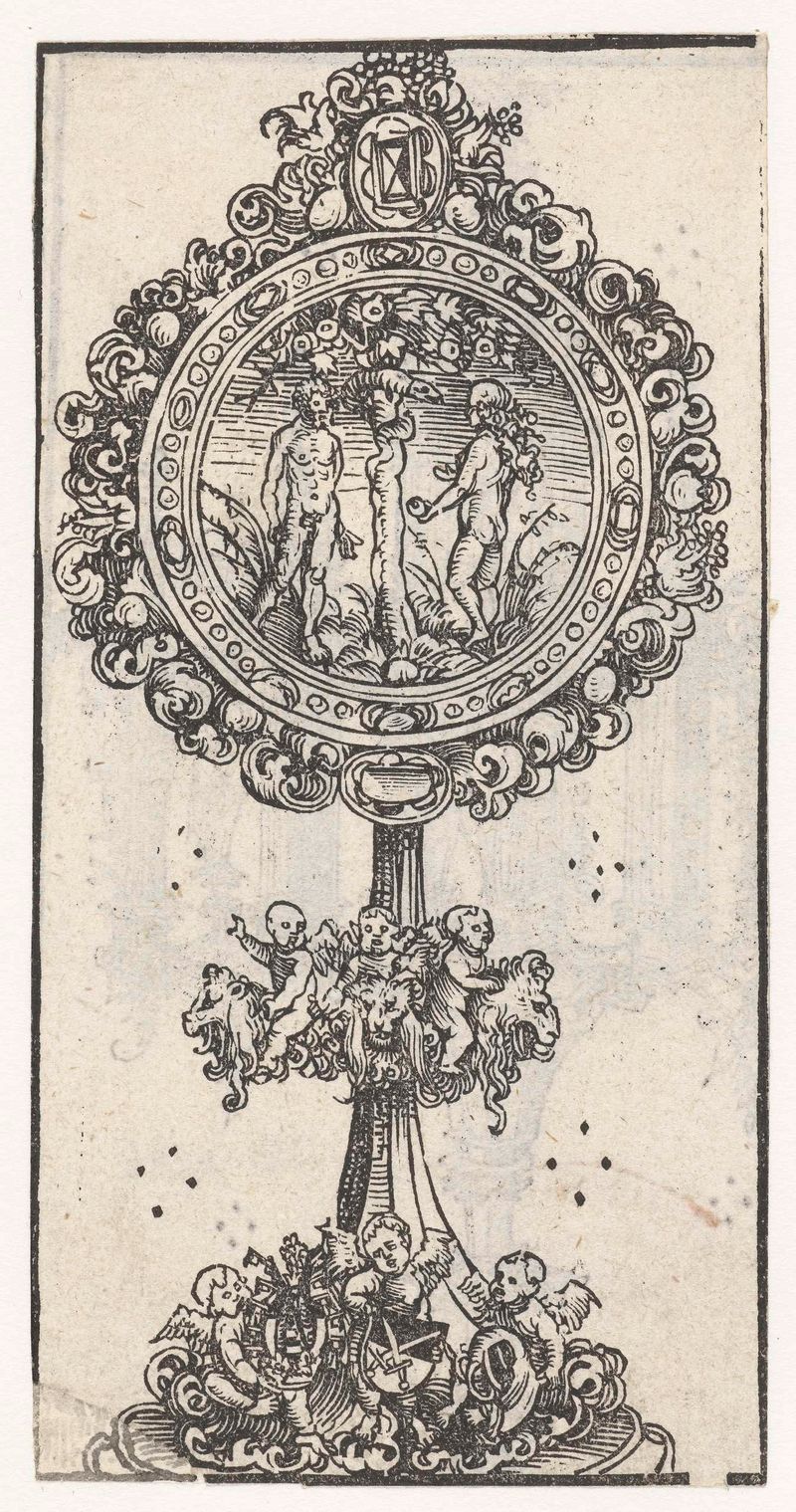
Reliekhouder met de verzoeking van Adam en Eva
Lucas Cranach (I)

Intocht van Christus in Jerusalem
Lucas Cranach (I)
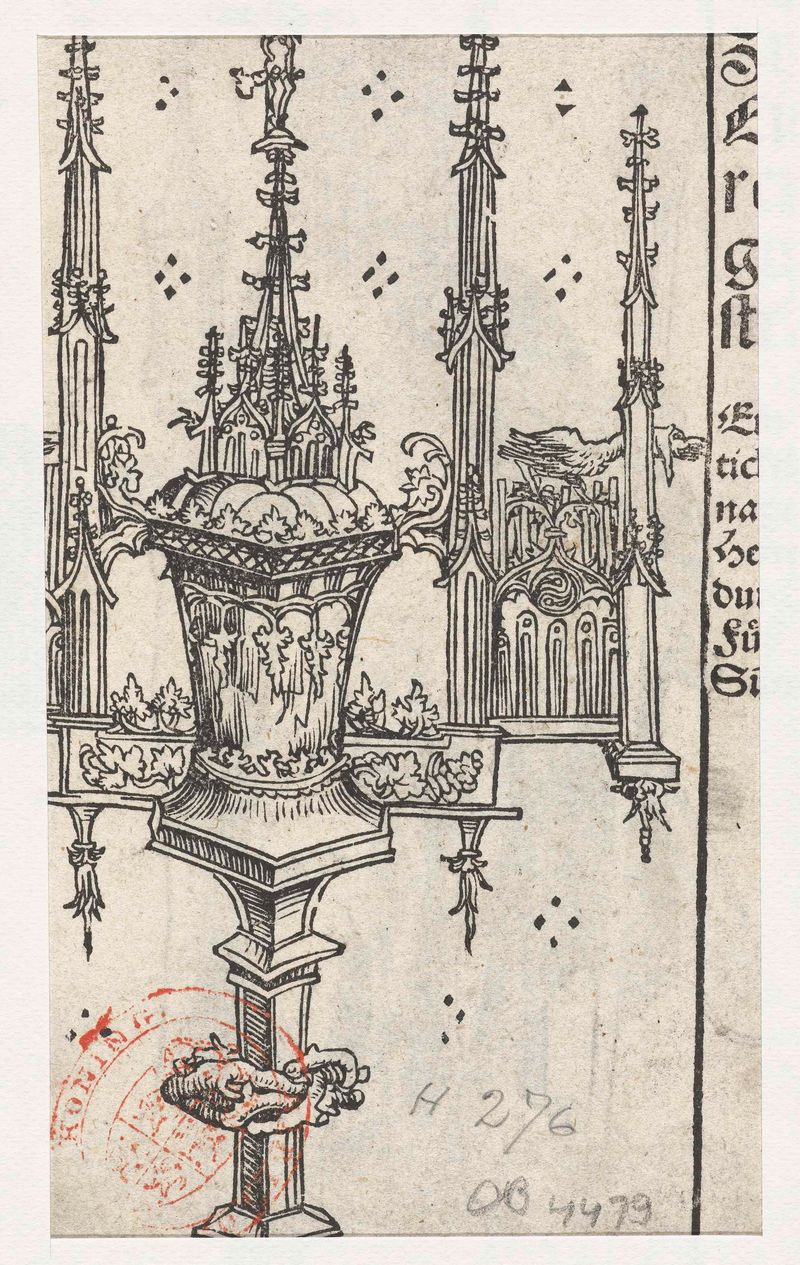
Monstrans met vogel (pelikaan)
Lucas Cranach (I)
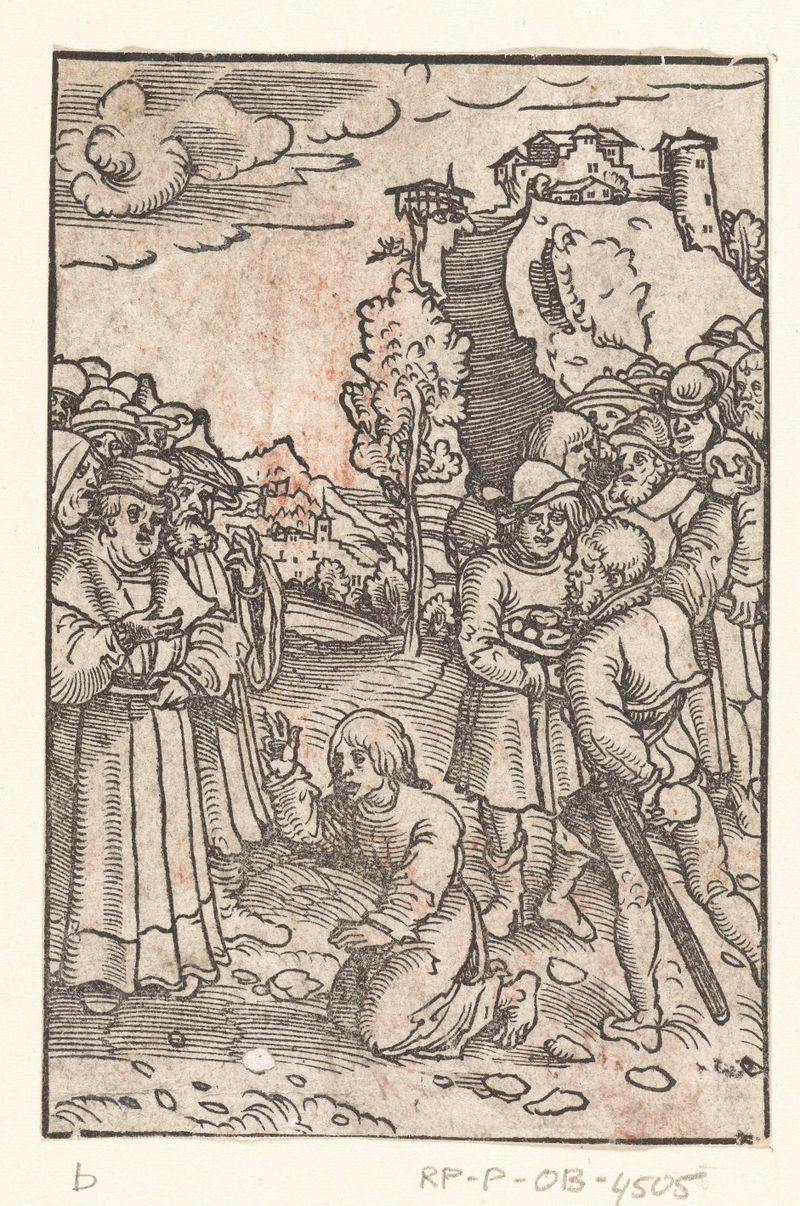
Steniging van Stefanus
Lucas Cranach (I)
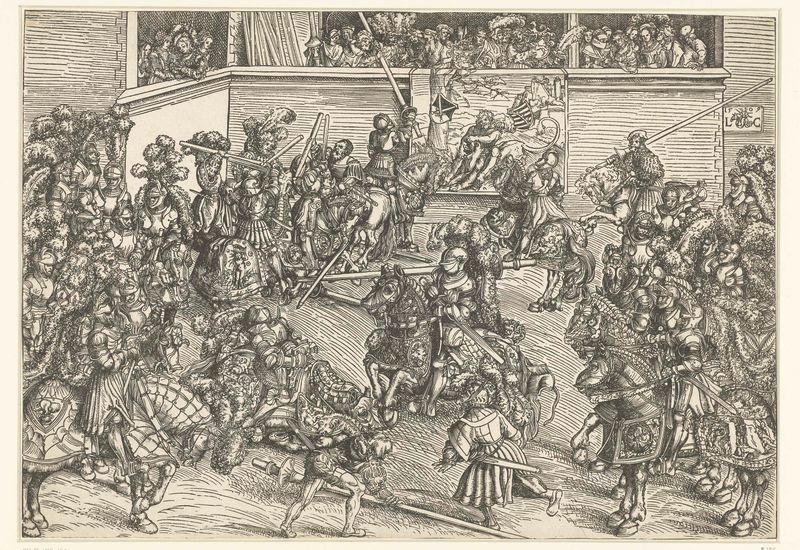
Toernooi van het keurvorstelijk hof van Saksen met wandtapijt Simson doodt de leeuw
Lucas Cranach (I)
More Religious Art
Browse all →
The Return of the Prodigal Son
Rembrandt van Rijn

The Garden of Earthly Delights
El Bosco

Count Orgaz’ funeral
El Greco

The Hundred Guilder Print: the central piece with Christ preaching, the plate arched
Rembrandt van Rijn

The Descent from the Cross
Rogier van der Weyden

The return of the prodigal son
Rembrandt van Rijn