
Home Farm — History & Facts
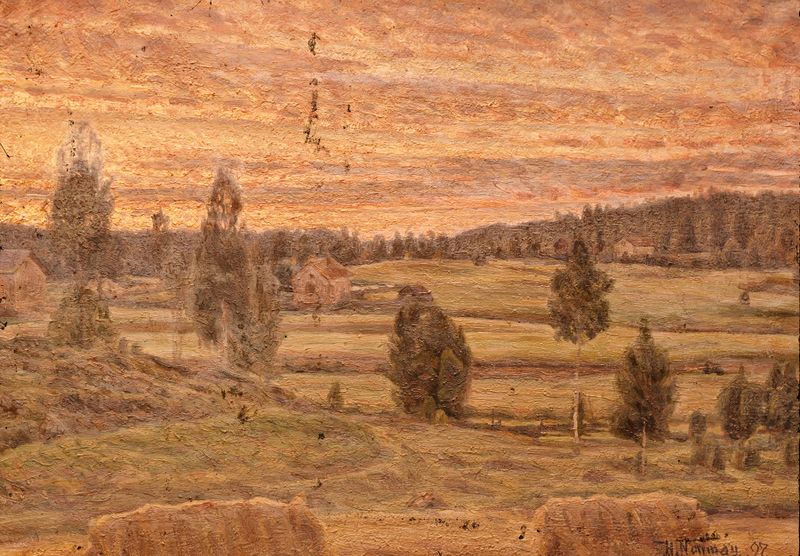
In Home Farm, the stillness of the fields whispers of the life that once coursed through them, an echo of movement captured in paint. Here is a serene invitation to contemplate the passage of time, where the traces of human toil blend seamlessly with the natural world. Look to the foreground, where a rustic farmhouse stands resilient against a backdrop of soft, rolling hills. Notice how the brushstrokes create a gentle rhythm, suggesting the quiet bustle of farm life.
The warm, golden hues bathe the scene in late afternoon light, drawing your eye across the landscape. Each element — the swaying grasses, the dappled shadows — feels alive, inviting viewers to imagine the stories held within the frame. Yet, the painting holds a deeper tension beneath its tranquility. The boundaries between the cultivated and the wild blur, suggesting a fragile relationship between humanity and nature.
The far-off hills loom protectively, hinting at the isolation inherent in rural life, while the vibrant greens speak to the promise of growth and renewal. This juxtaposition elicits a bittersweet resonance, where growth and stagnation coexist, mirroring the perpetual cycle of life. In 1895, Norrman painted Home Farm during a time of significant change in Sweden, as rural life began to give way to the industrial era. Amidst this transformation, he sought to capture the essence of agricultural life, reflecting both the beauty and the challenges faced by those who tilled the land.
It was a moment when many artists turned to pastoral themes, finding solace and inspiration in the simplicity of rural existence amidst a rapidly evolving world.
More Artworks by Herman Norrman
Browse all →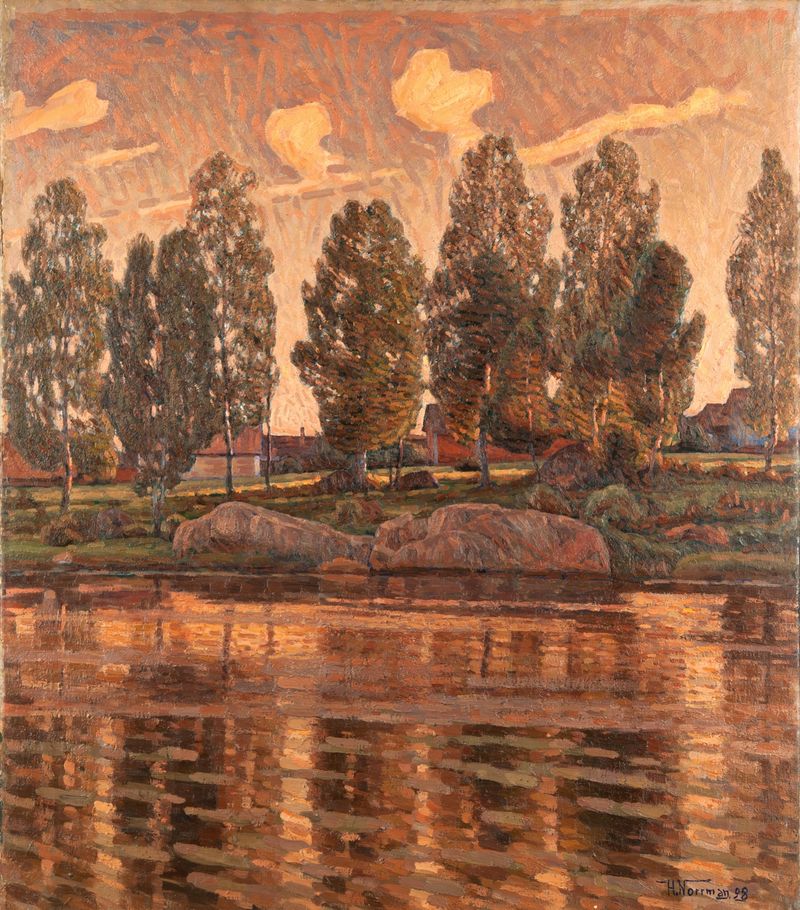
On the River Bank
Herman Norrman
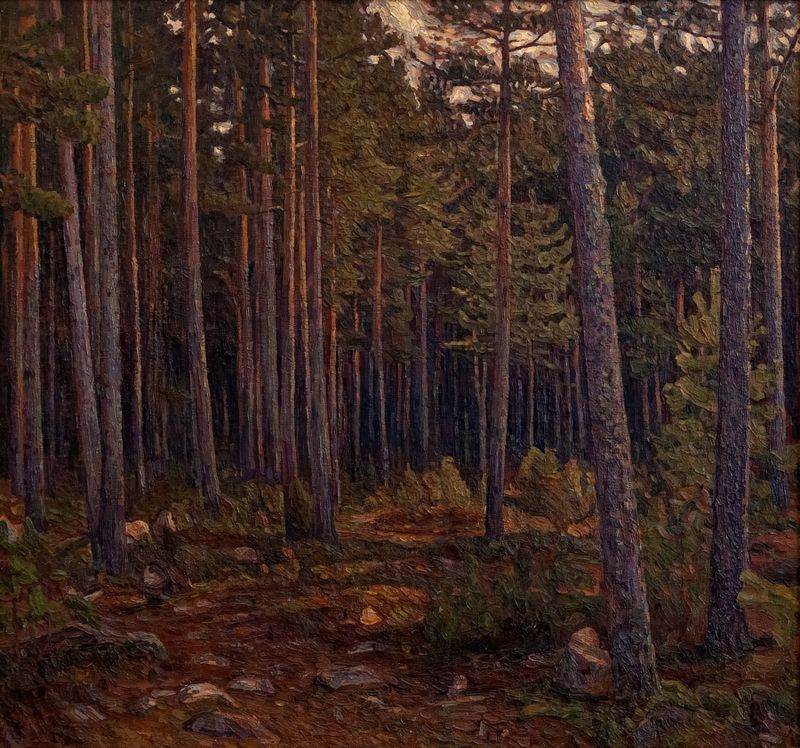
Interior of a Coniferous Forest
Herman Norrman
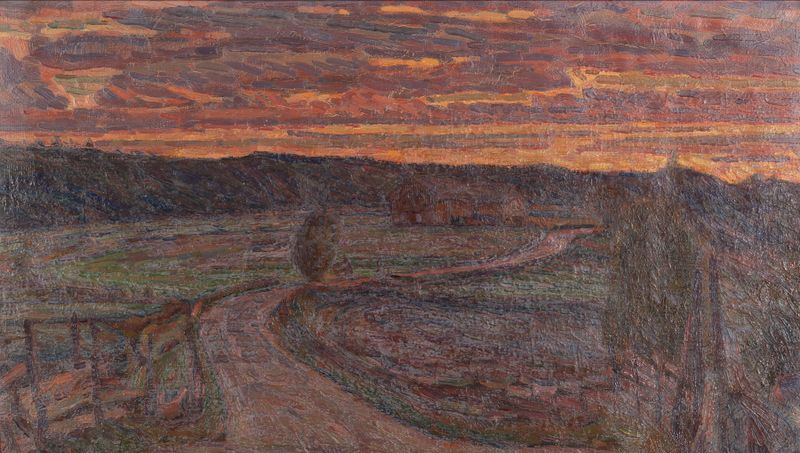
The Road to Kimarp
Herman Norrman
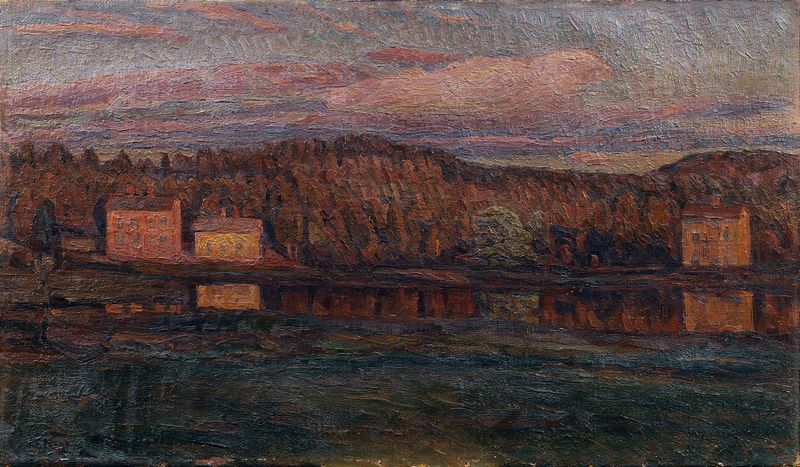
By the River
Herman Norrman
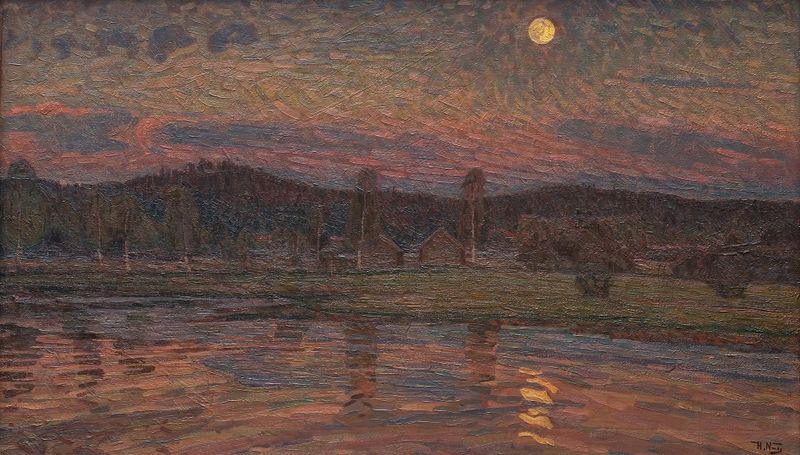
Moonlit Landscape
Herman Norrman
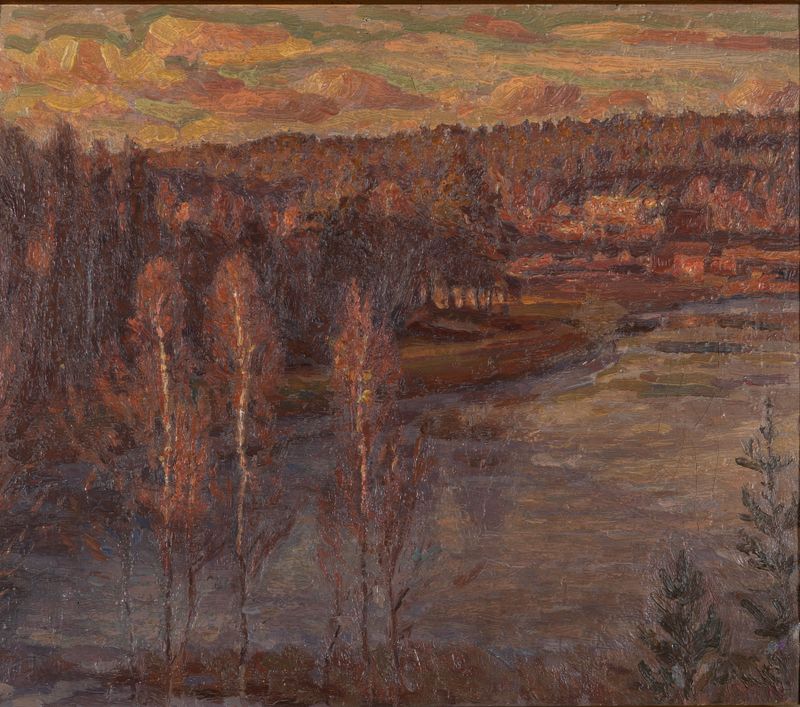
Autumn at Svartån
Herman Norrman
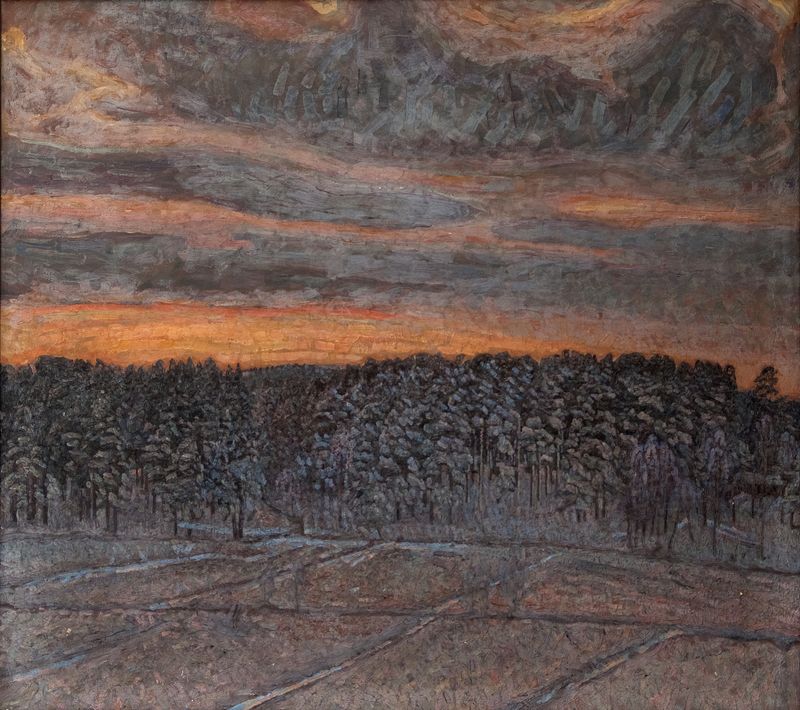
Snowy Landscape
Herman Norrman
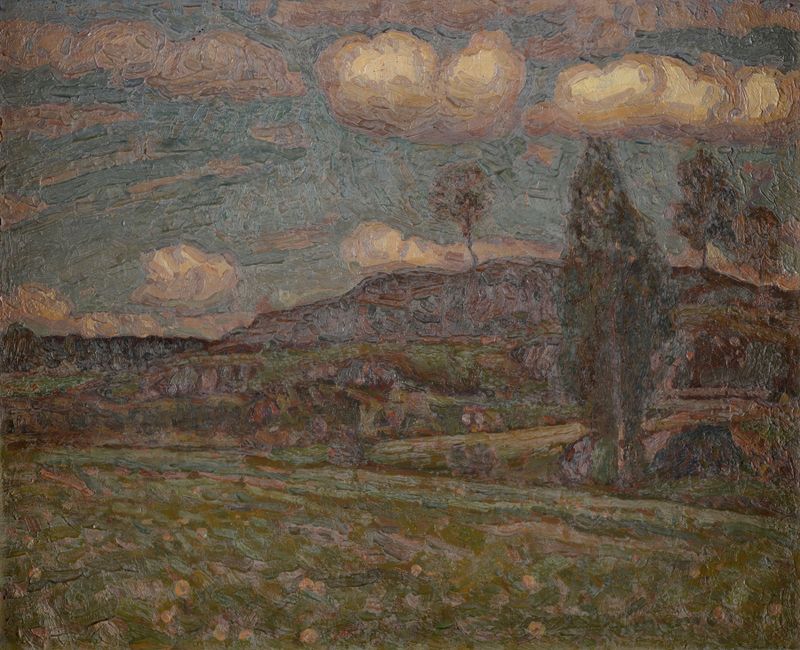
Summer Clouds
Herman Norrman
Evening Landscape
Herman Norrman
The Lamp
Herman Norrman





