The Road to Kimarp — History & Facts
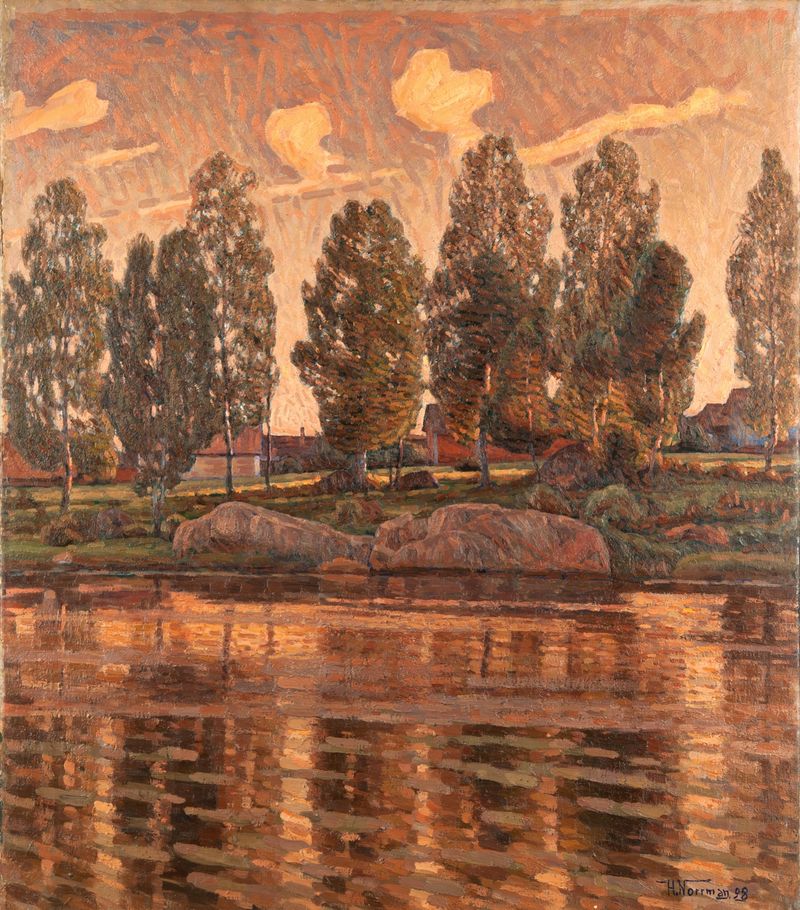
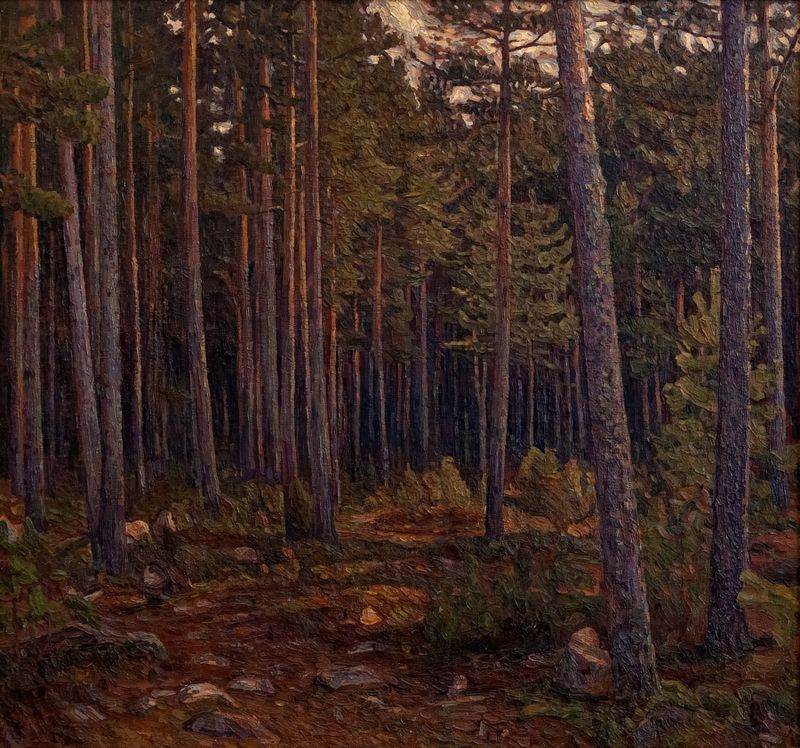
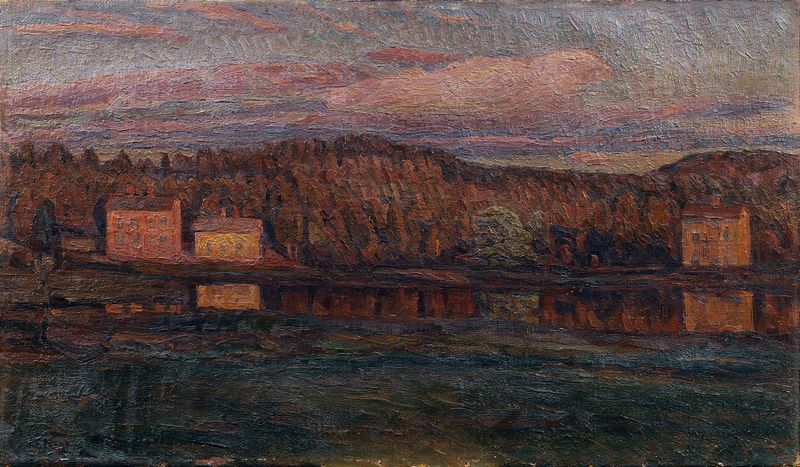
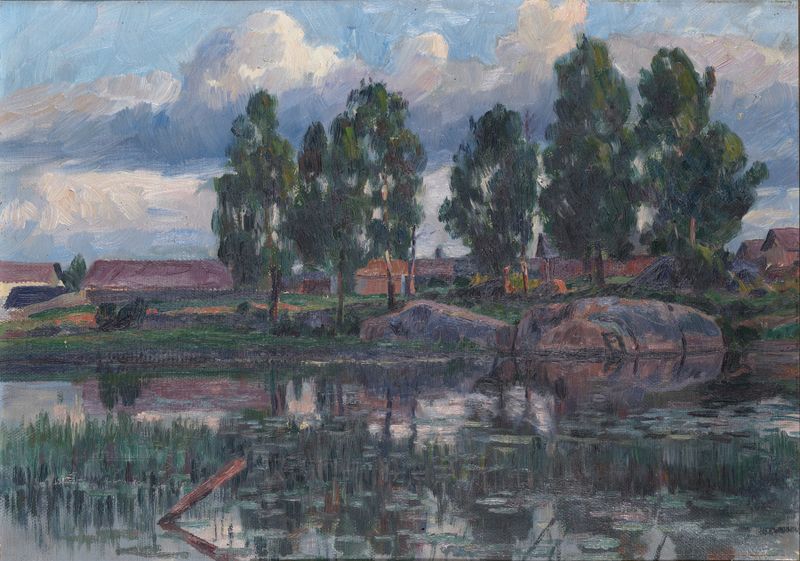
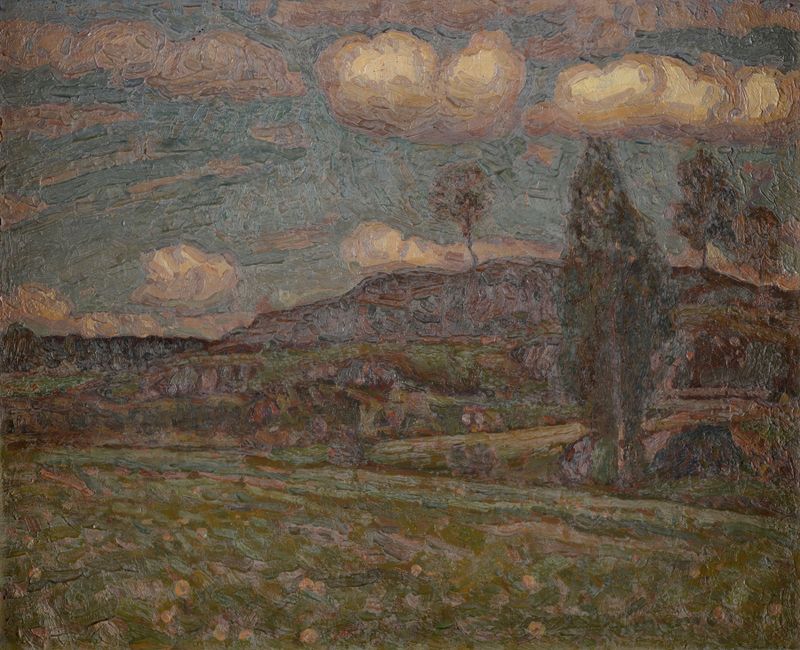
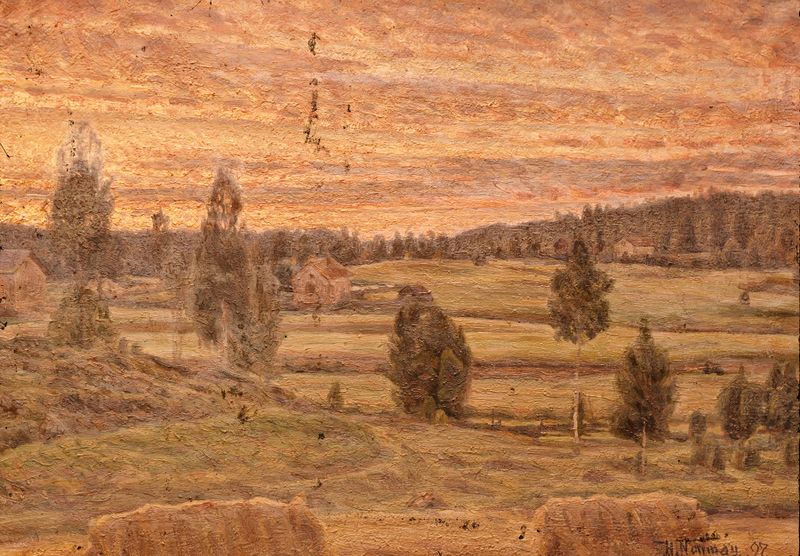
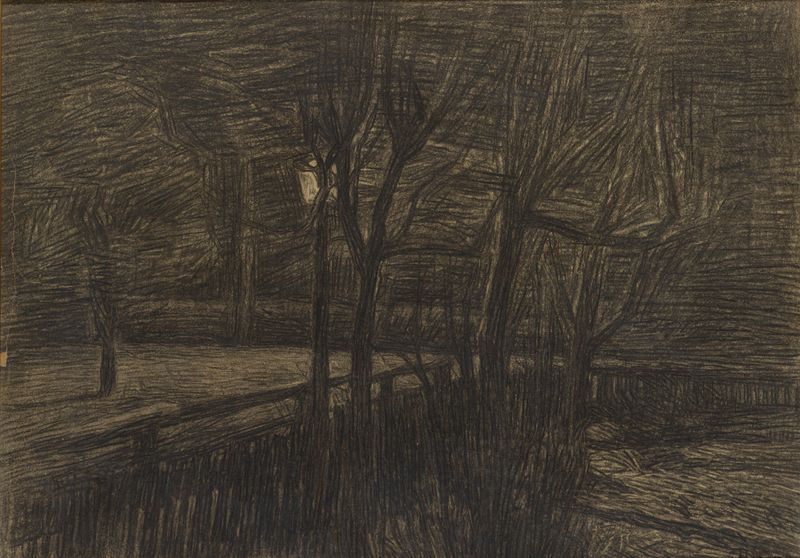
Can paint confess what words never could? In The Road to Kimarp, Herman Norrman ventures into the fragile realm of mortality, capturing the essence of life's fleeting journey. Look closely at the winding path that leads into the tranquil landscape; it draws the eye with a sense of inevitability. The soft hues of earth and sky blend seamlessly, creating a serene backdrop that envelops the viewer. The trees, with their delicate branches, arch over the road, their leafy fingers almost touching, hinting at the close relationship between life and death.
The gentle play of light, dappled and warm, contrasts with the shadows that linger in the corners, inviting contemplation of what lies ahead. In this evocative piece, the road symbolizes life’s journey, while the distant horizon serves as a reminder of mortality. The lush greenery surrounding the path speaks to the vitality of existence, yet the subtle darkness at the edges suggests an uncertain fate. The juxtaposition of vibrant color and shadow creates a tension that resonates deeply, reflecting the duality of life and the inevitability of the end.
It’s a meditation on the passage of time, urging viewers to consider their own paths and destinies. Norrman created this work in 1898, during a period of transformation in the art world, when Impressionism was giving way to new movements. Living in Sweden, he was influenced by the natural beauty around him and was attempting to convey emotional depth through landscape. The painting reflects a moment of introspection in his career, where the exploration of nature and human experience took center stage.