Moonlit Landscape — History & Facts
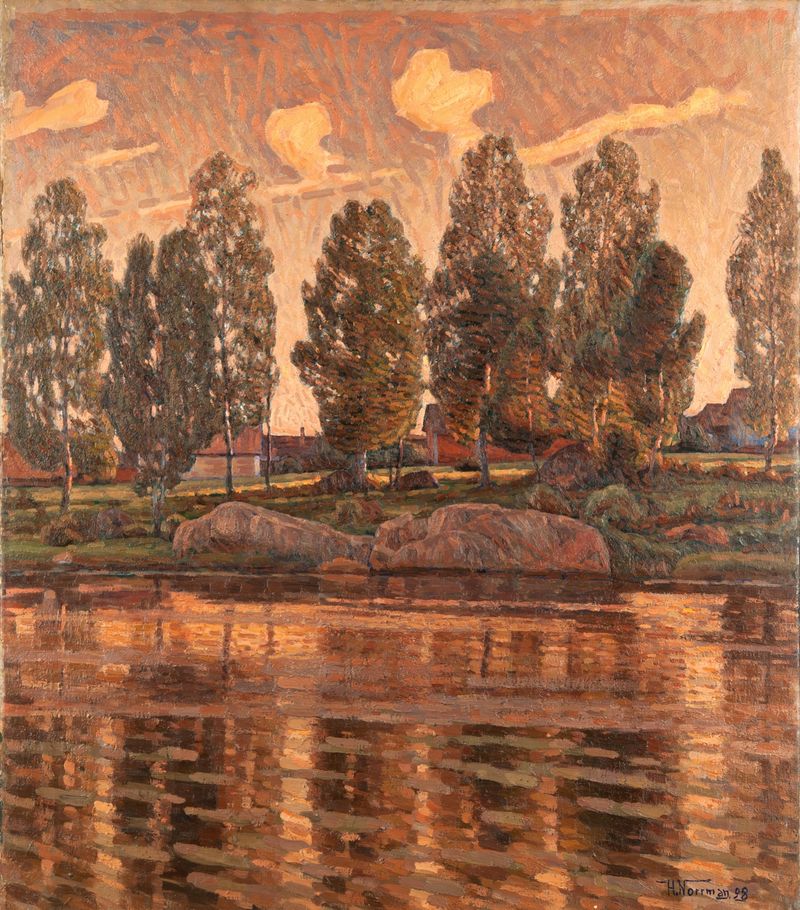
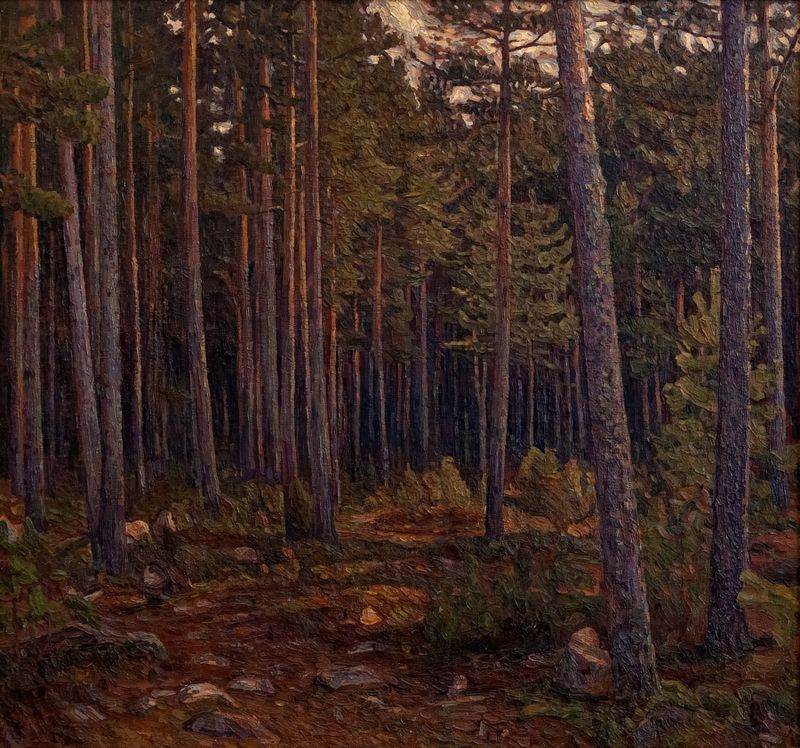
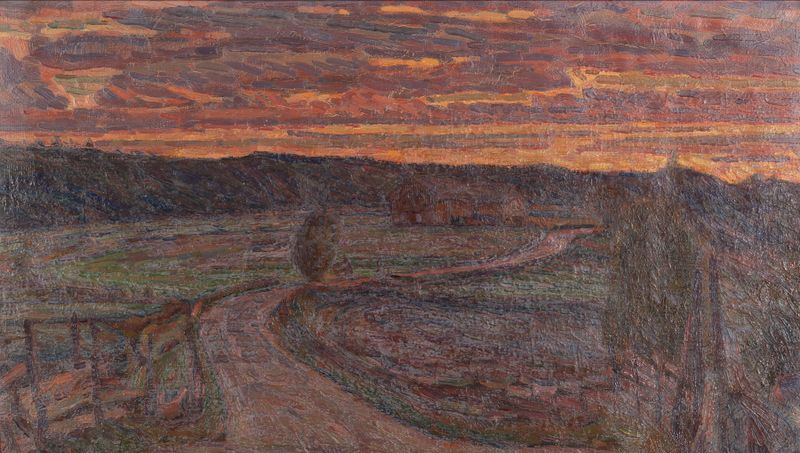
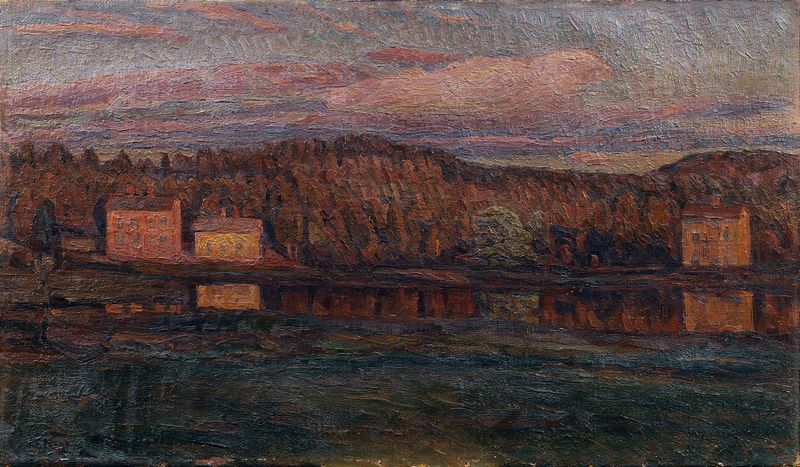
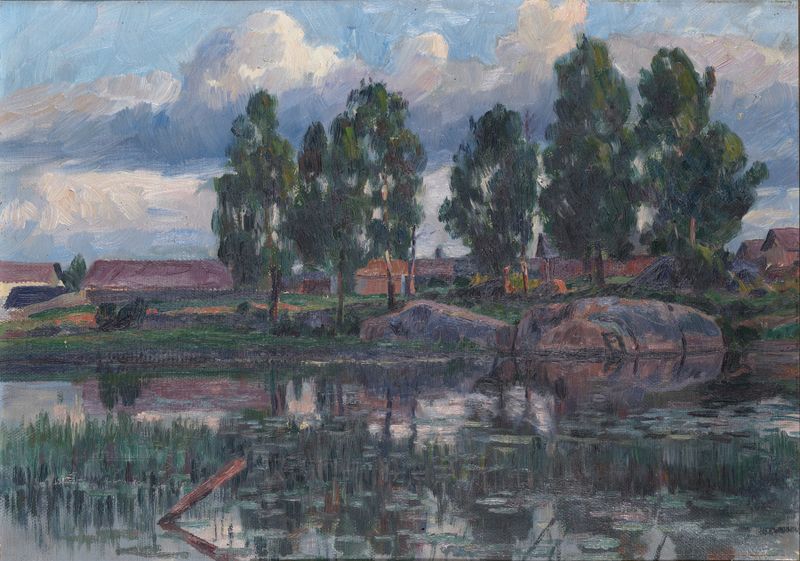
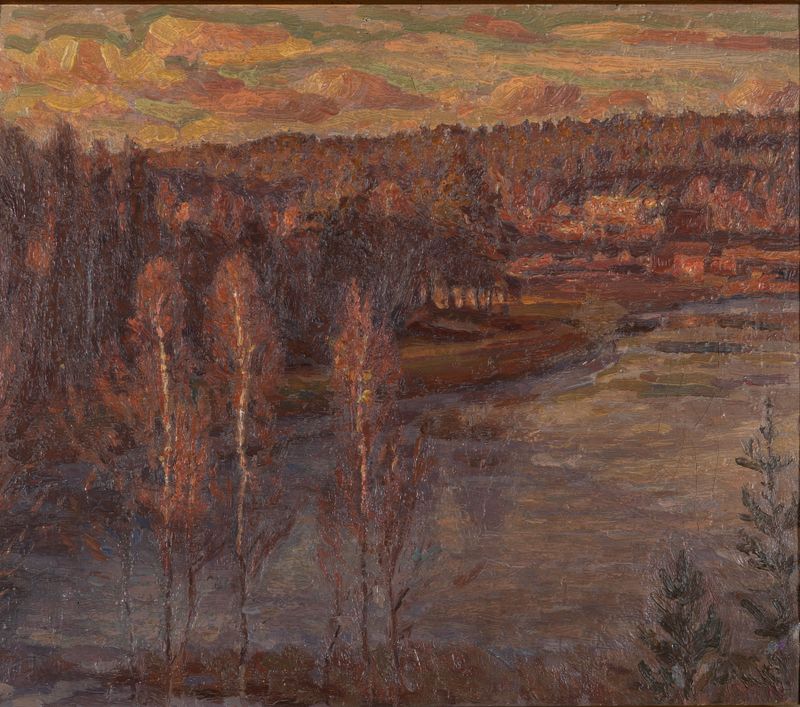
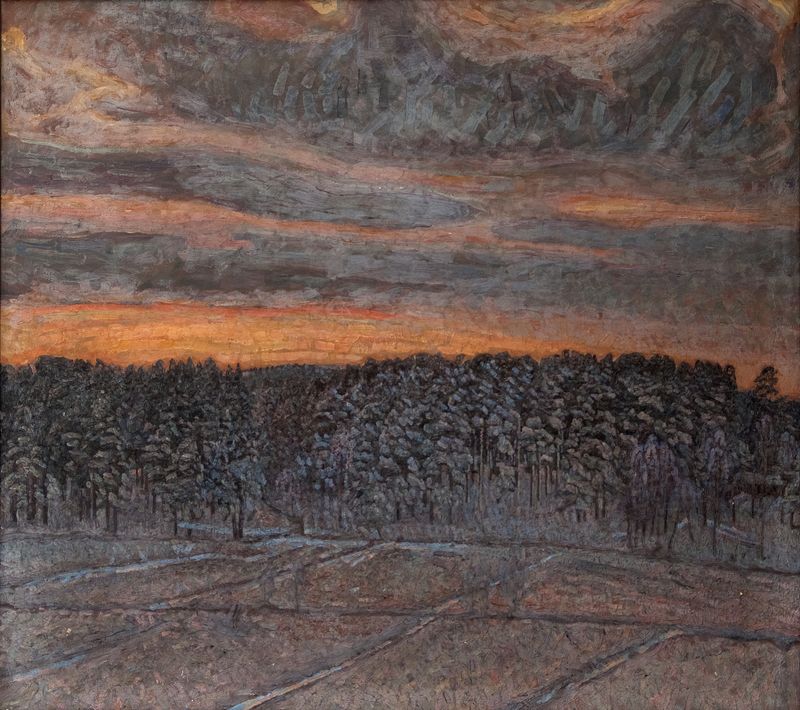
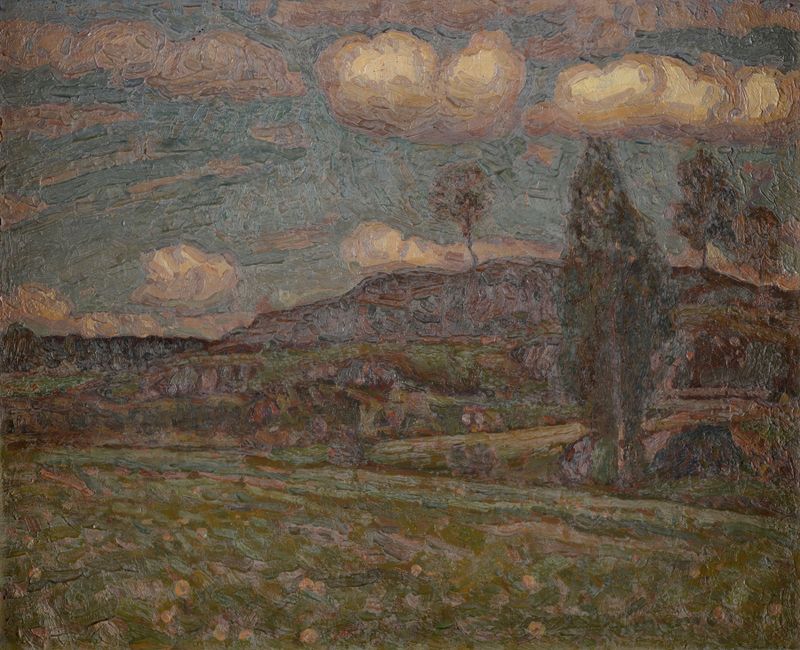
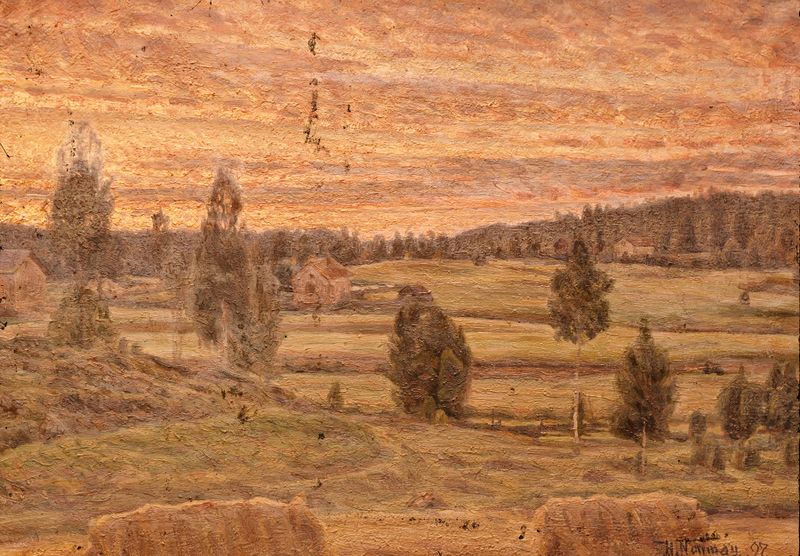
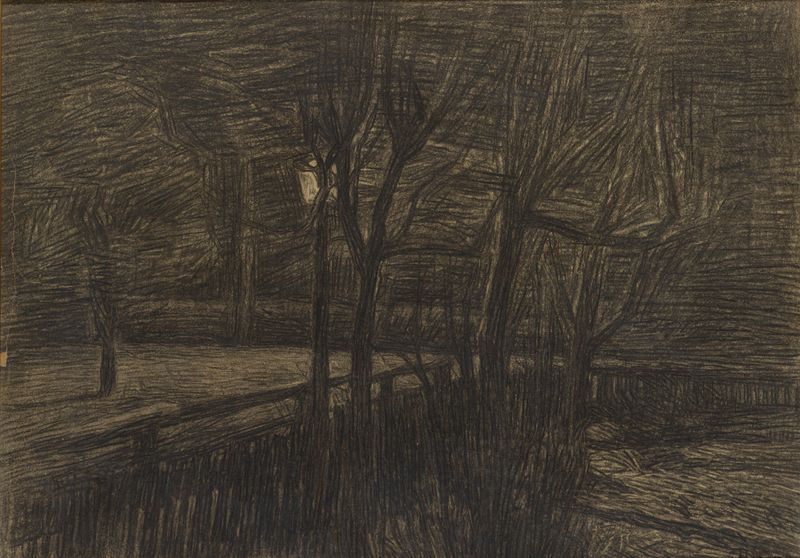
When did color learn to lie? Within the serene hues of twilight, a world cloaked in shadow invites inquiry, suggesting an underlying violence masked by its beauty. Look to the left at the gentle sway of trees, their branches reaching out like seekers, yearning for the moon’s soft glow. The palette is tranquil—blues and greens swirl together, yet underneath, there’s an ominous tension. Notice how the light bathes the landscape, illuminating the delicate textures of grass and leaves, while areas of deep shadow hint at unseen dangers lurking just beyond the glow. This dichotomy between light and dark evokes a visceral response, referencing both tranquility and a latent threat.
The moon, a solitary figure in the sky, casts its gaze upon the scene, subtly transforming the familiar into something foreboding. The stillness of the landscape belies an underlying tension, as if nature holds its breath, teetering on the edge of chaos. Each brushstroke seems to echo the conflict between serenity and disturbance, challenging the viewer to reconcile the beauty with the potential for violence that lies beneath. Herman Norrman painted this work in 1901, during a period marked by rapid artistic developments and a quest for new expression.
Living in Sweden, he was influenced by both Impressionism and Symbolism, reflecting a society that was grappling with modernity and its discontents. This painting emerged at a time when artists began to explore the emotional resonance of color and light, setting the stage for the early 20th-century movements that would redefine art's boundaries.