Interior of a Coniferous Forest — History & Facts
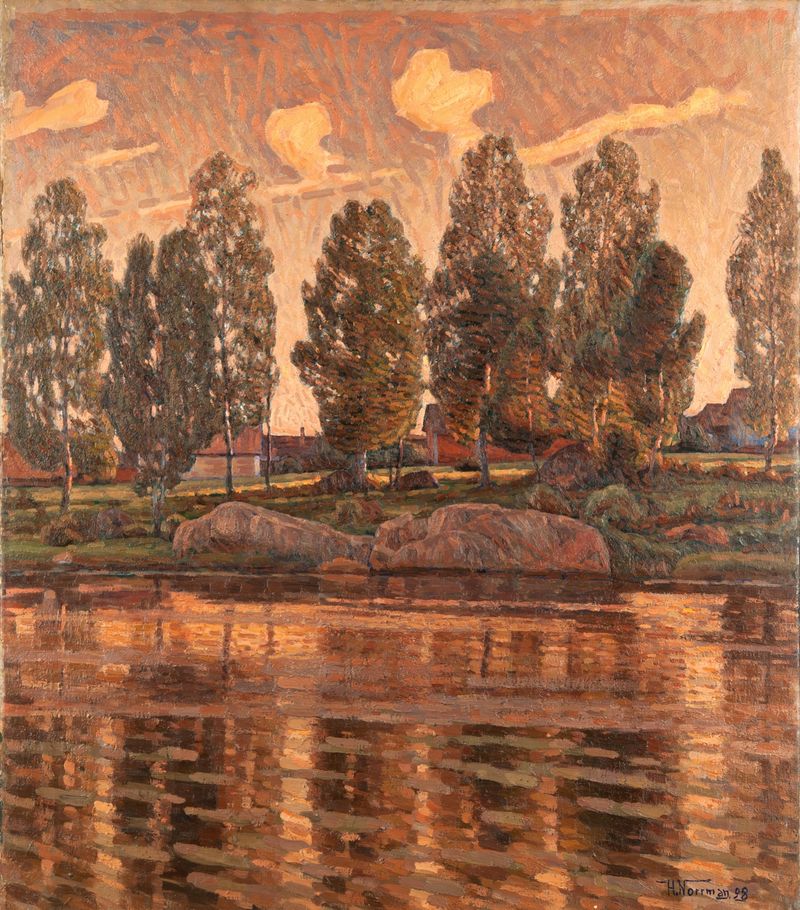
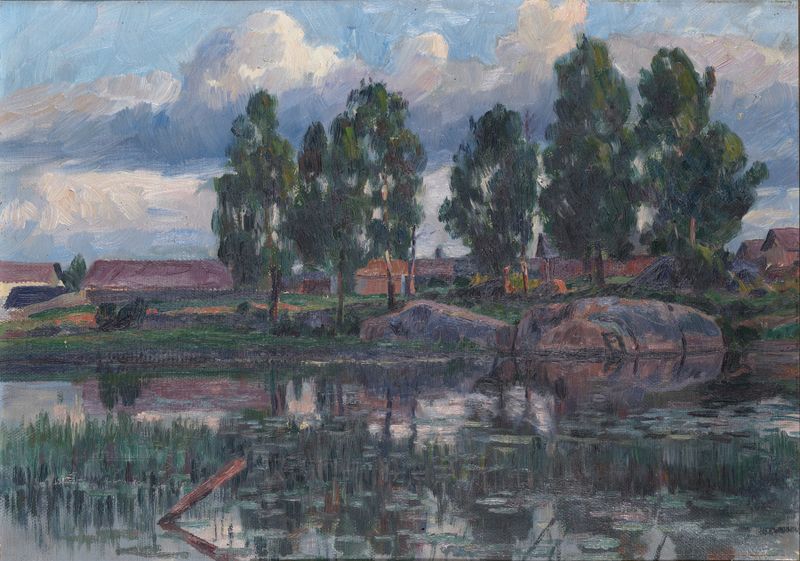
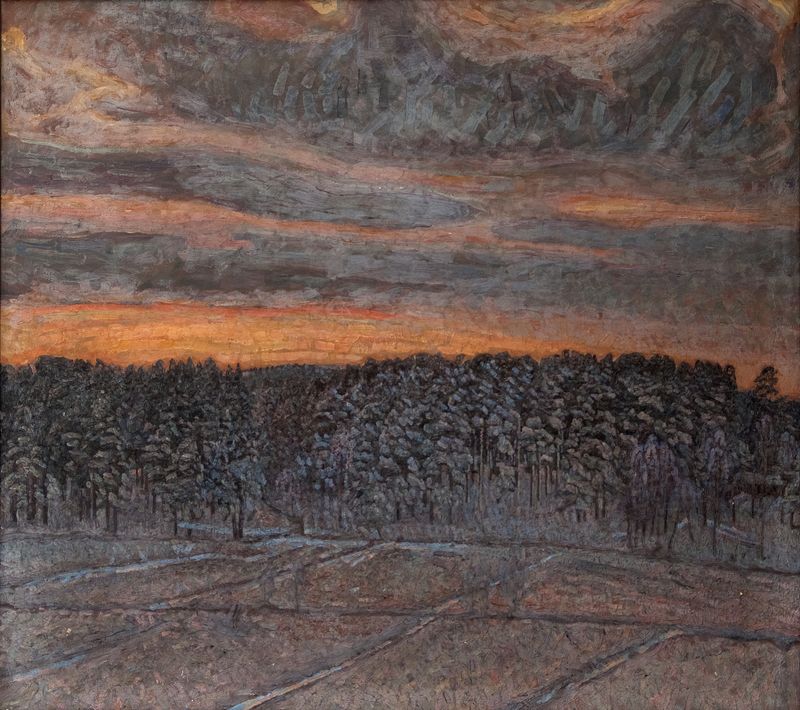
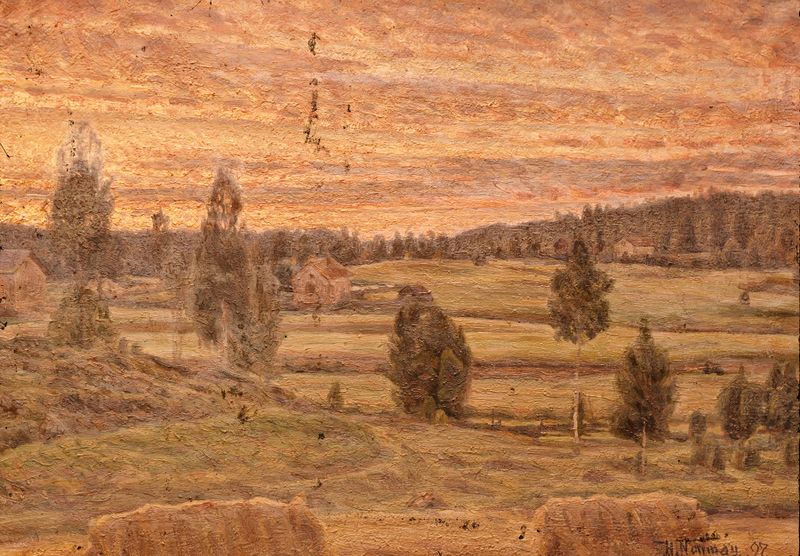
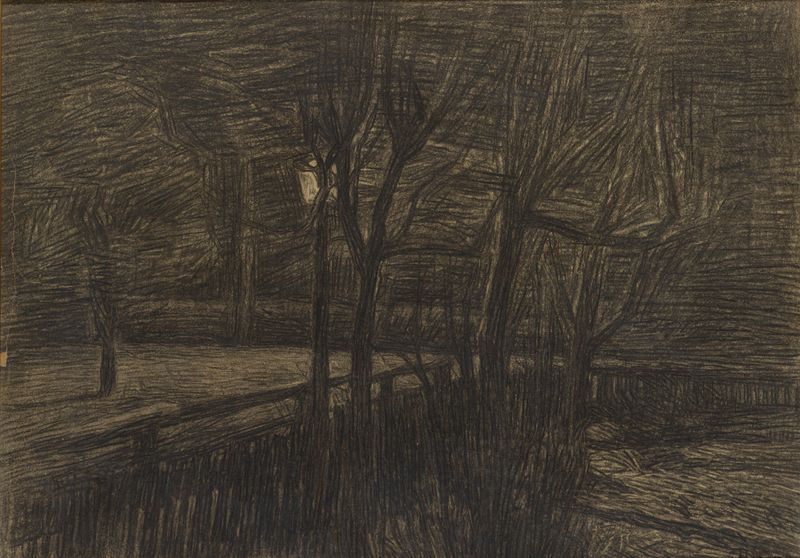
In the stillness of Interior of a Coniferous Forest, nature breathes, revealing the profound ecstasy hidden in the embrace of trees. Each brushstroke whispers of life, inviting the viewer to step into a sanctuary where sunlight dances through the branches and shadows weave stories on the forest floor. Look to the left at the towering conifers, their deep greens enriched by dappled light that caresses the needles. Notice the delicate interplay of shadows and sunlight as they create a natural tapestry, guiding your gaze deeper into the woodland.
The texture of the paint brings a tactile quality to the foliage, making the viewer almost feel the coolness of the air and the whisper of the leaves. The composition draws you inward, immersing you in a world where tranquility coexists with vibrant vitality. Within this lush scene, a quiet tension emerges. The towering trees, resolute yet inviting, stand as guardians of the forest's secrets.
The contrast between light and dark underscores a sense of wonder and mystery — the ecstasy of nature's beauty tinged with the unknown. Small details, such as the subtle hints of wildlife hidden among the branches, remind us that life abounds, even in stillness, urging us to look closer and contemplate the intricate web of existence. In 1904, Herman Norrman painted this work during a time of burgeoning interest in naturalism within the artistic community. As the world shifted toward modernity, Norrman found solace in the untouched realms of nature, a stark contrast to the industrial landscapes emerging around him.
This painting embodies his dedication to capturing the serene beauty of the forest, offering a moment of respite amid the chaos of change.