Discover insights about this artwork
Homme nu — History & Facts
Homme nu by Paul Cézanne presents a nude male figure in a relaxed pose. The colors are warm, with soft flesh tones contrasted against a muted background. The figure's body is rendered with Cézanne's characteristic brushstrokes, emphasizing form and volume.
The overall composition is intimate, inviting the viewer to contemplate the human form. The painting showcases Cézanne's unique approach to color and structure. He uses a palette of earthy tones, which creates a sense of warmth and depth. The brushwork is loose yet deliberate, allowing for a sense of movement within the figure.
The dimensions of the artwork are approximately 80 x 100 cm, typical for his figurative works. Paul Cézanne, a key figure in the transition from Impressionism to Modernism, often explored the human form in his works. Homme nu reflects his interest in the nude as a subject, showcasing his innovative techniques. Interestingly, this painting is part of a series where Cézanne experimented with the representation of the human body.
His approach has influenced many modern artists in their depiction of the figure.
More Artworks by Paul Cézanne
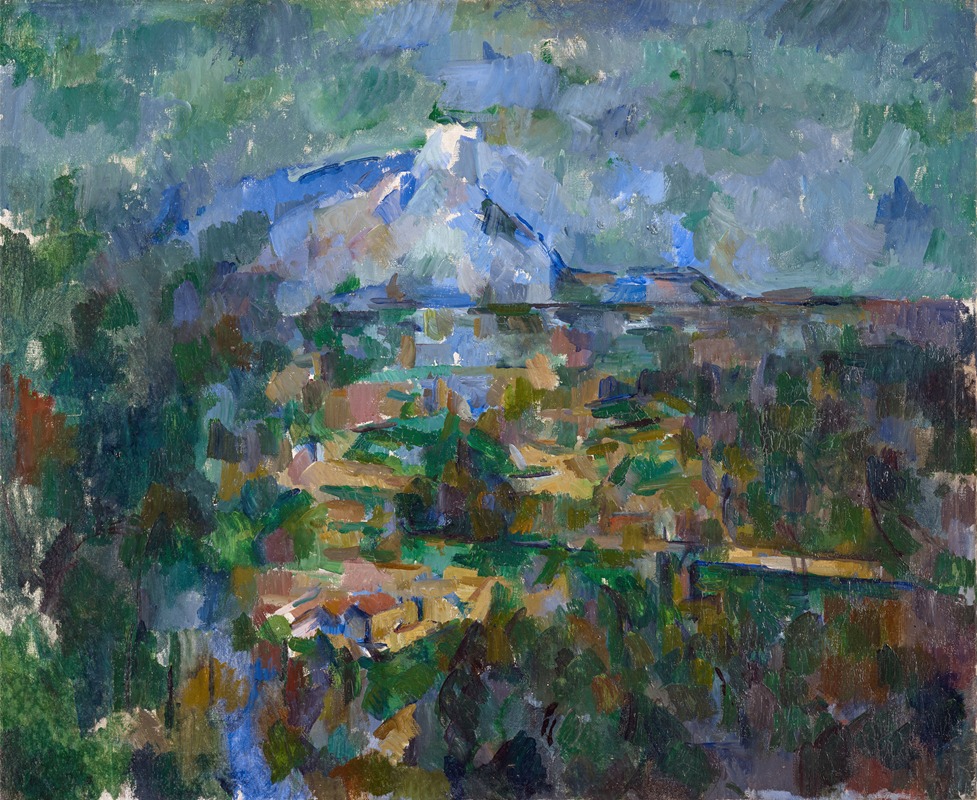
The Mont Sainte-Victoire Seen From Les Lauves
Paul Cézanne
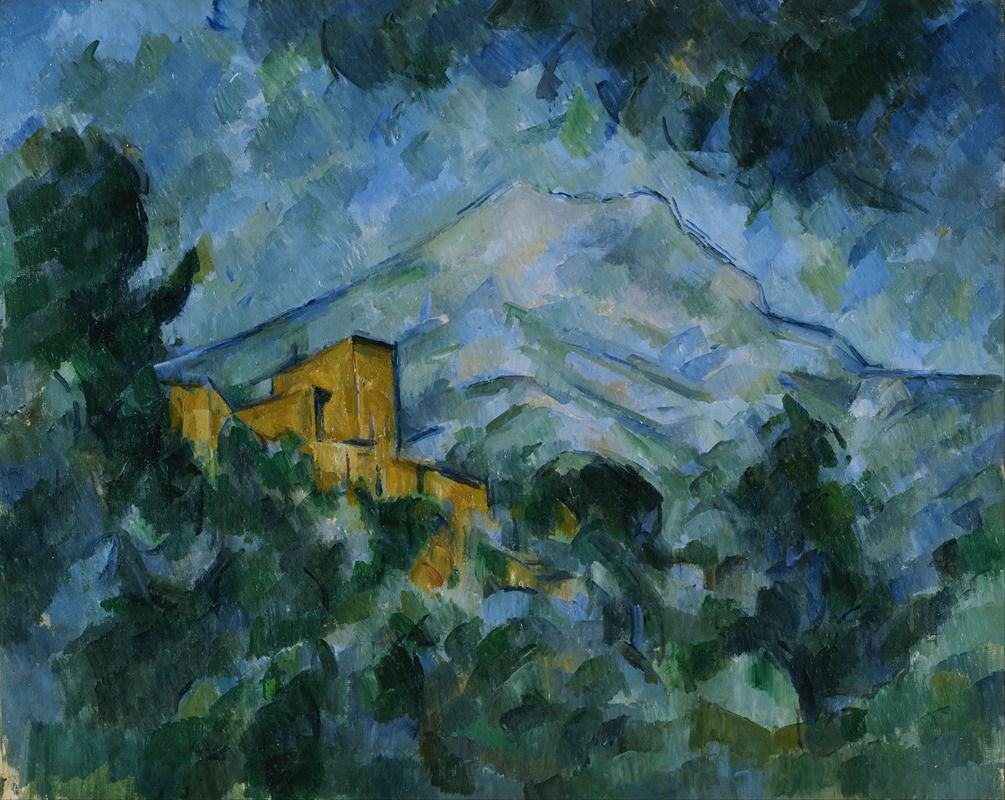
Mont Sainte-Victoire and Château Noir
Paul Cézanne
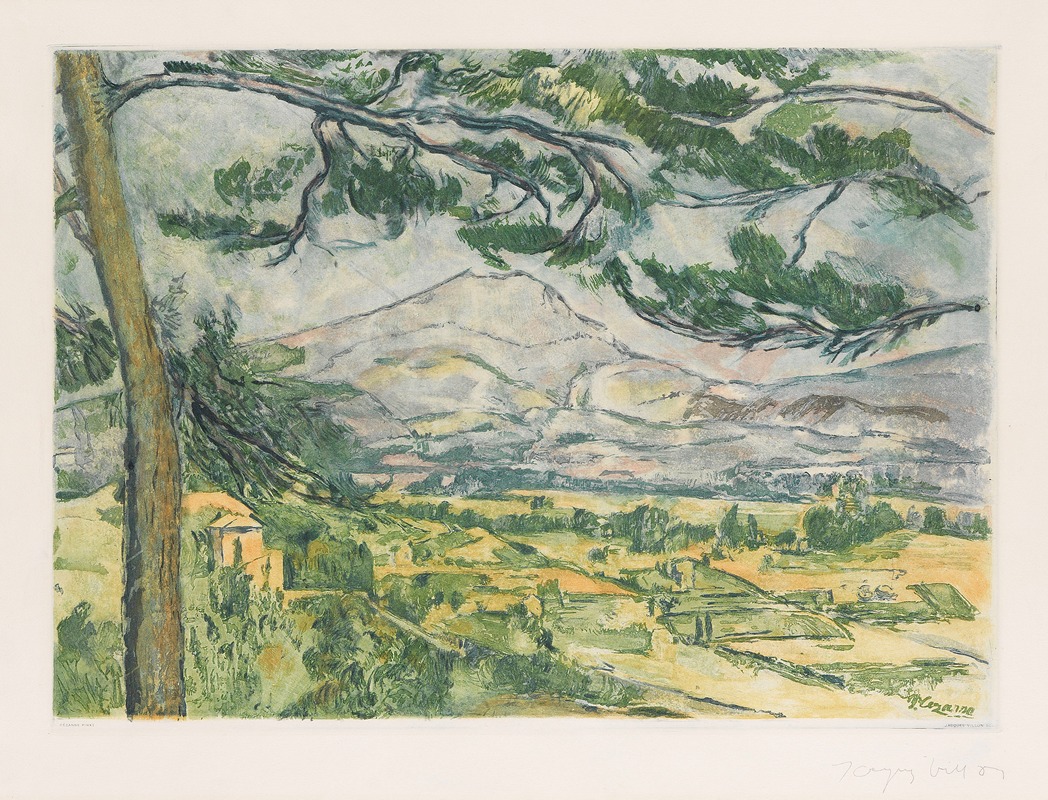
La Montagne Sainte-Victoire
Paul Cézanne
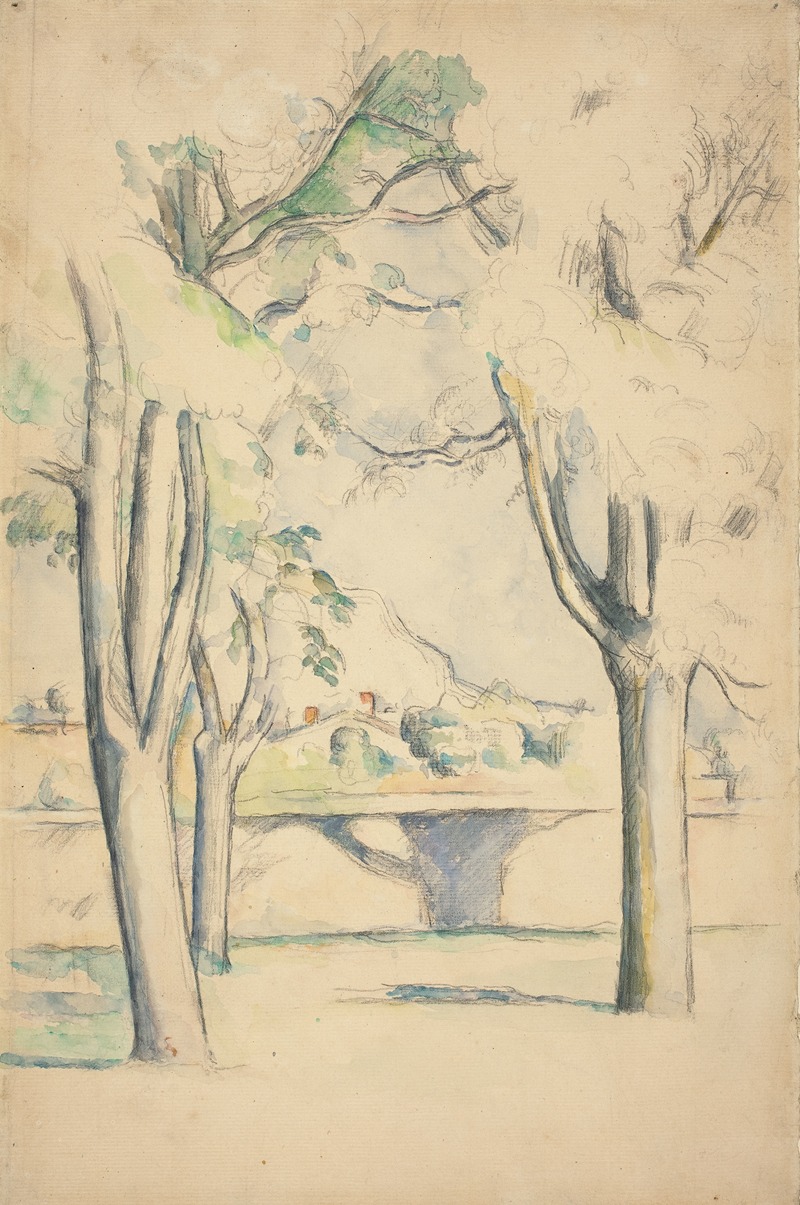
Mont Sainte-Victoire Seen beyond the Wall of the Jas de Bouffan
Paul Cézanne
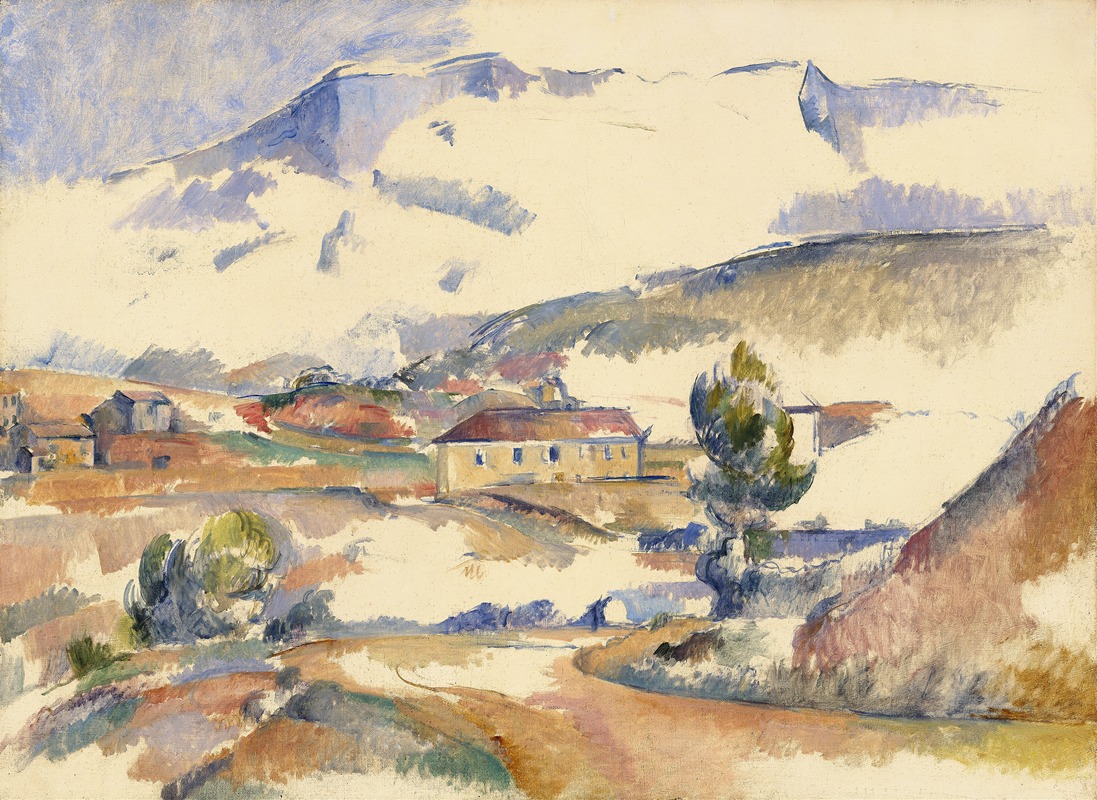
Montagne Sainte-Victoire,from near Gardanne
Paul Cézanne
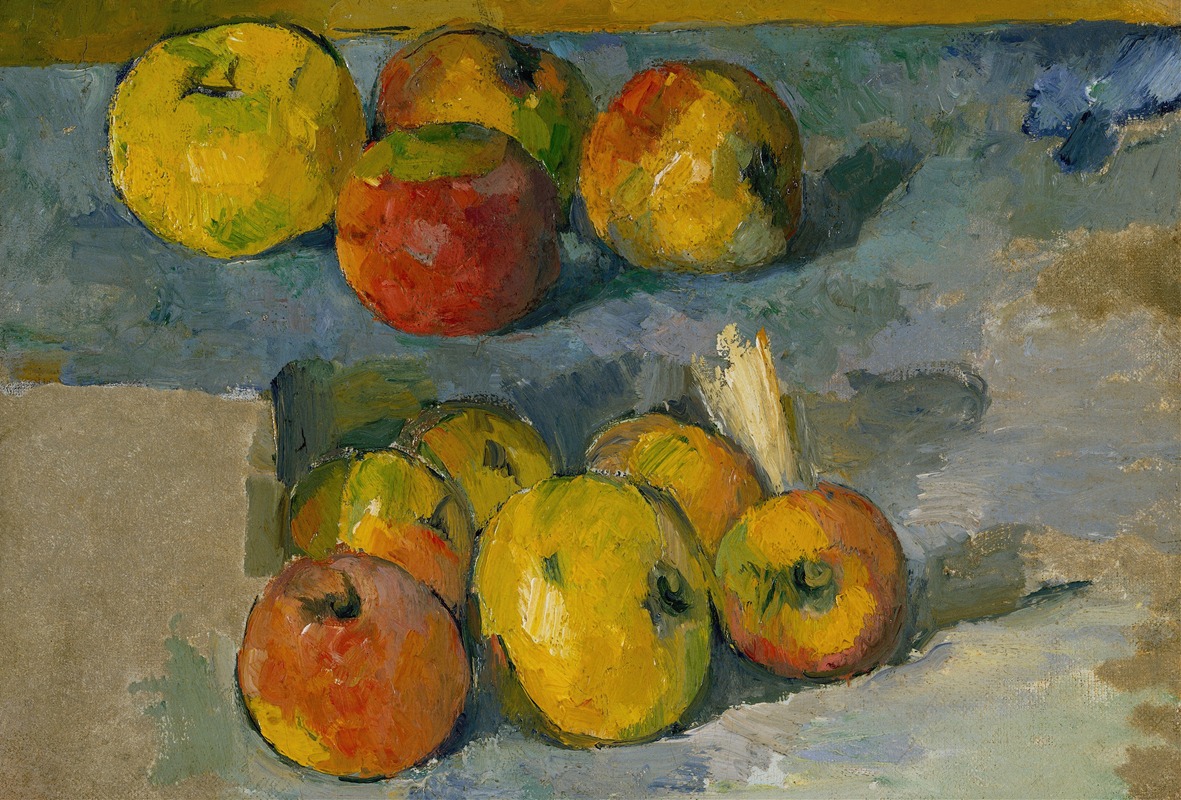
Apples
Paul Cézanne
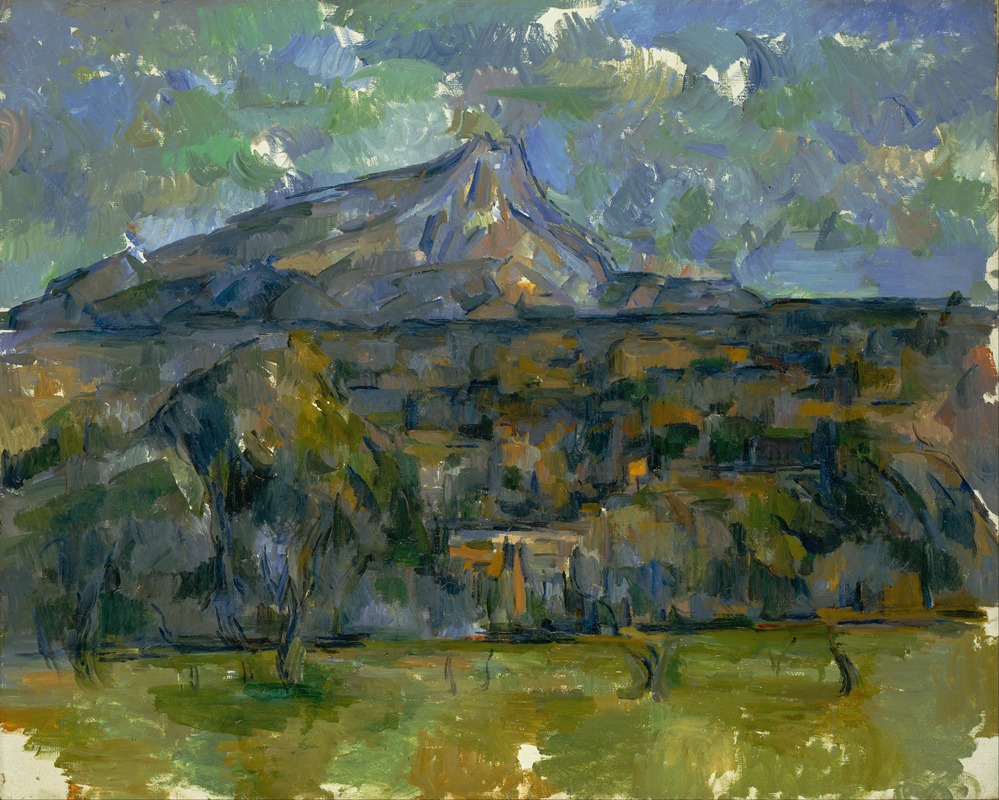
Mont Sainte-Victoire
Paul Cézanne
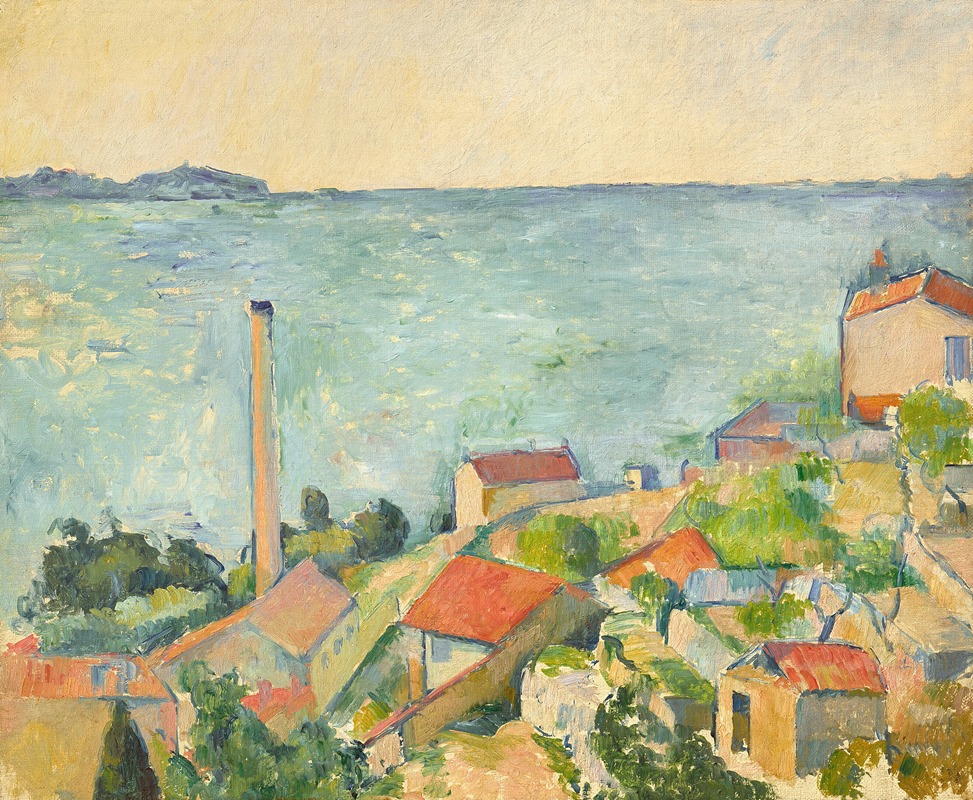
La mer à l’Estaque
Paul Cézanne
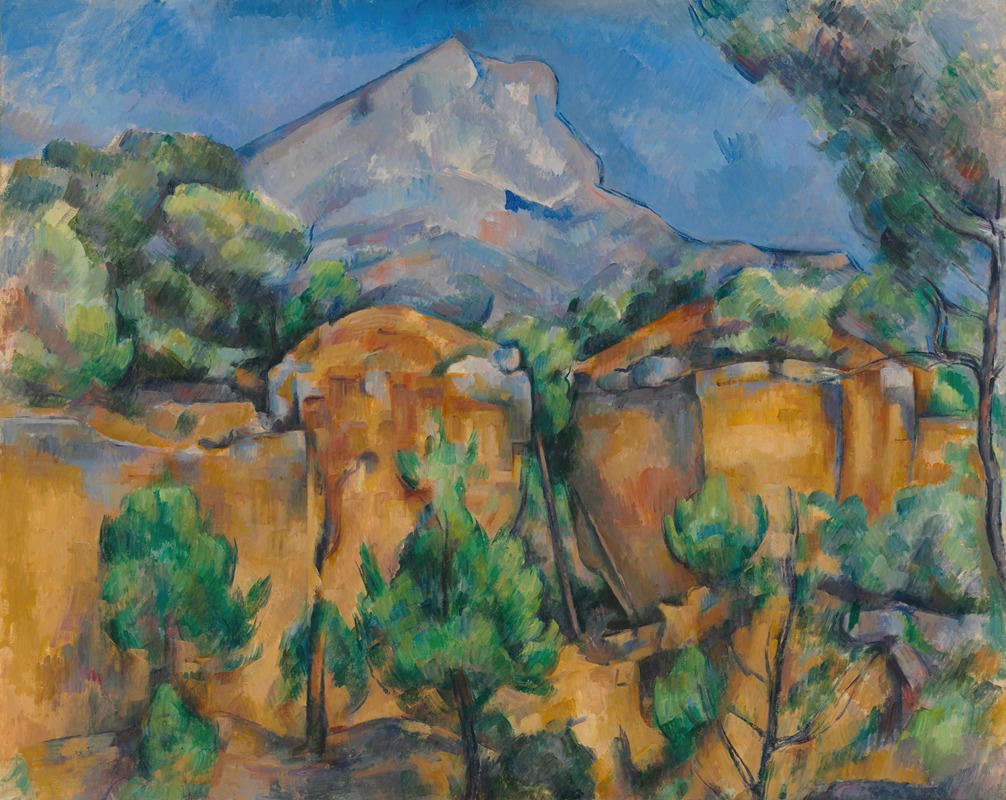
La Montagne Sainte-Victoire vue de la carrière Bibémus
Paul Cézanne
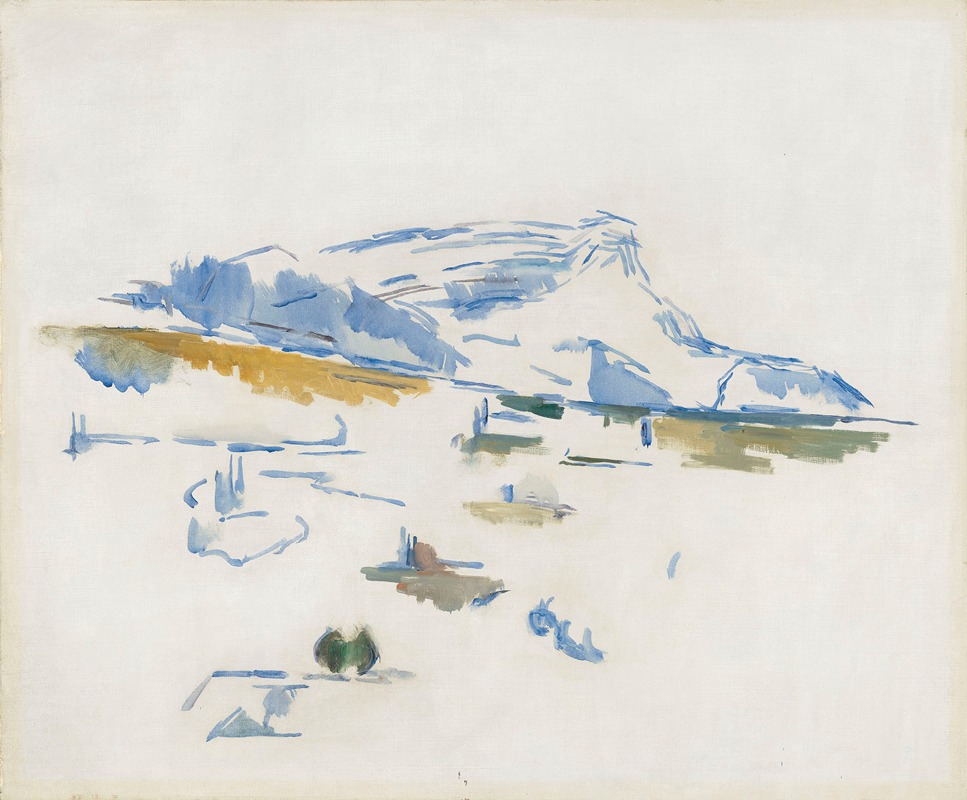
La Montagne Sainte-Victoire vue des Lauves
Paul Cézanne