
Hoofd en nek van een pezige kale man — History & Facts
Who listens when art speaks of silence? In Hoofd en nek van een pezige kale man, a haunting stillness envelops the viewer, inviting contemplation of destiny and the human condition. Focus on the striking contours of the bald man's head, the creased forehead, and the pronounced cheekbones. Notice how the fine lines of ink and the delicate shading convey both strength and vulnerability, revealing a soul etched by life’s trials. The muted tones enhance the solemnity, while the meticulous attention to detail draws your gaze to the expressive, yet inscrutable, features that hint at untold stories. The tension between strength and fragility manifests in this portrait, where the figure's bare skin not only exposes physicality but also evokes a raw emotional landscape.
The absence of hair symbolizes not only vulnerability but perhaps a deeper surrender to fate, allowing the viewer to ponder the interplay between identity and destiny. The gaze, directed slightly away, suggests a moment of introspection or resignation, leaving us to wonder about the thoughts that linger unspoken. Wenceslaus Hollar created this work in 1648 during a time of personal upheaval, having fled his homeland due to political unrest. Living in England, he was part of a thriving artistic community that valued detailed printmaking and portraiture.
This piece exemplifies his meticulous technique and serves as a reflection of his own complex journey, encapsulating the human experience amidst the turbulence of the era.
More Artworks by Wenceslaus Hollar
Browse all →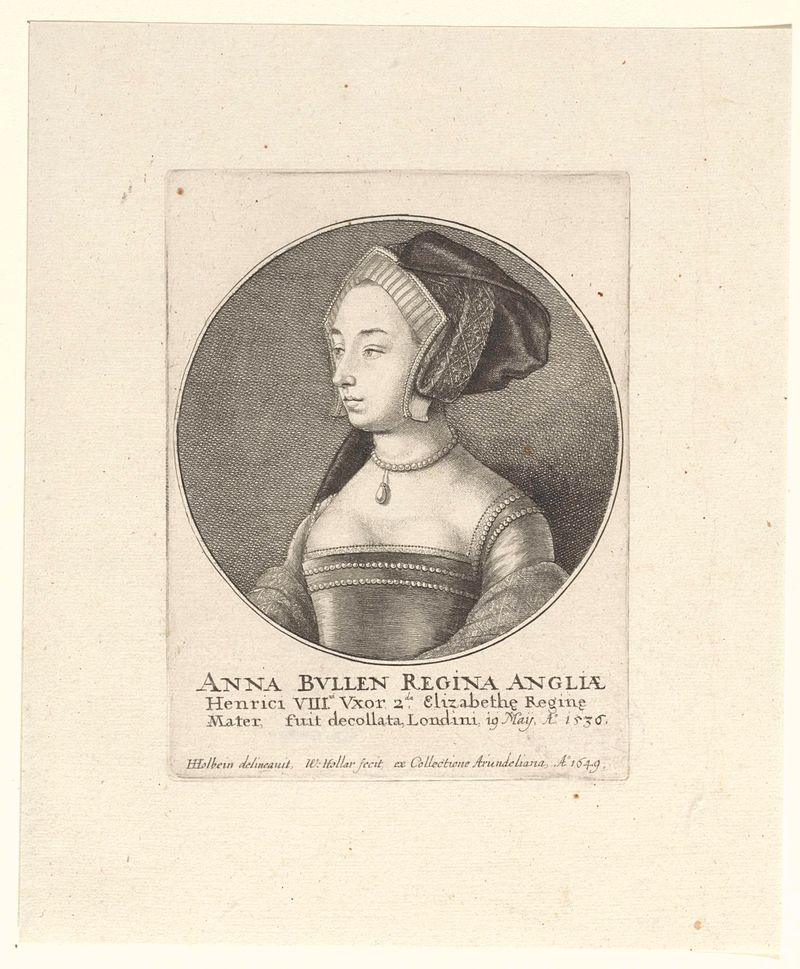
Portret van Anna Boleyn, koningin van Engeland
Wenceslaus Hollar
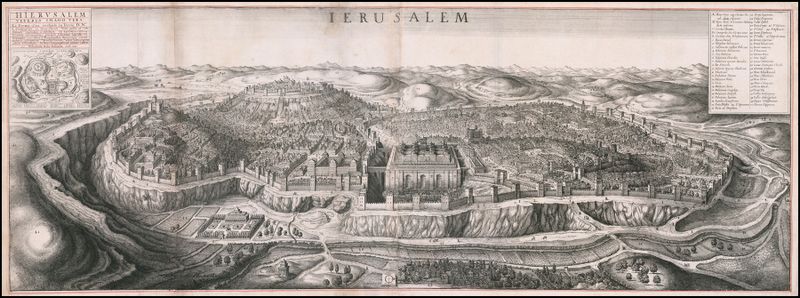
Bird’s eye view of Jerusalem
Wenceslaus Hollar
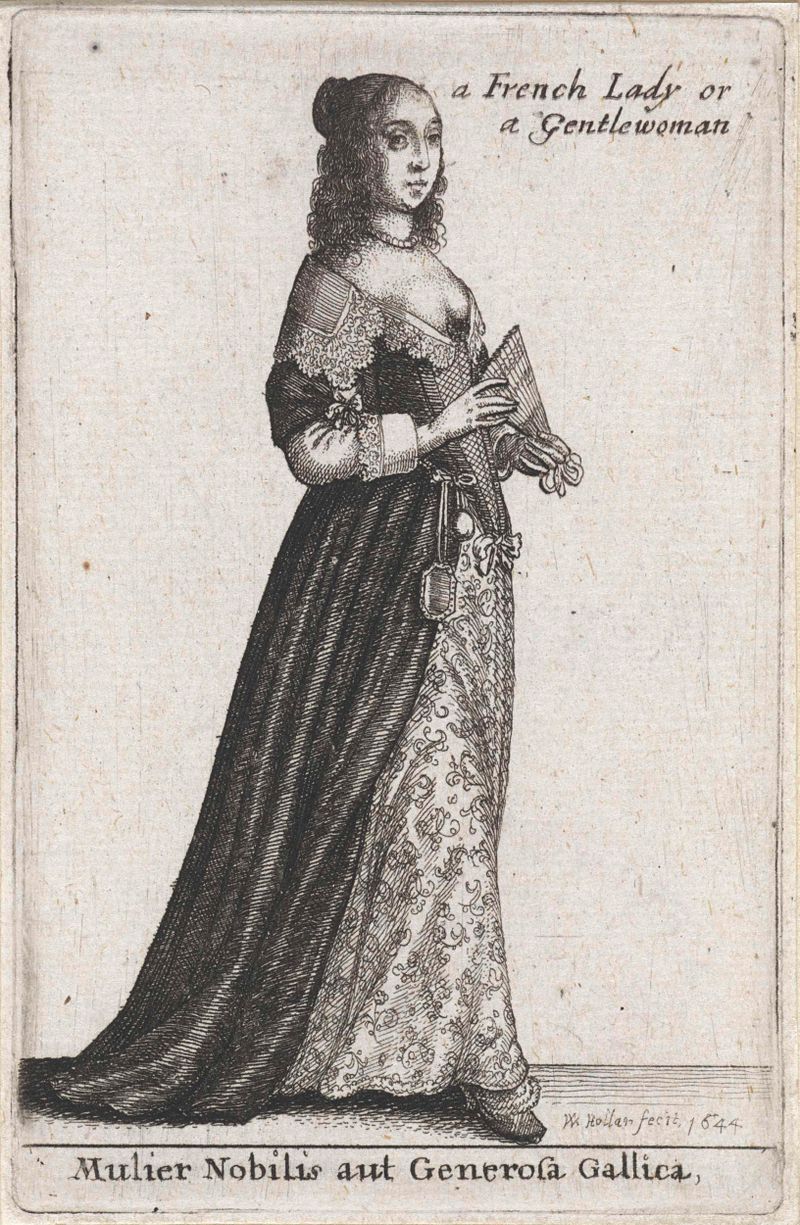
Mulier Nobilis aut Generosa Gallica / a French Lady or Gentlewoman
Wenceslaus Hollar
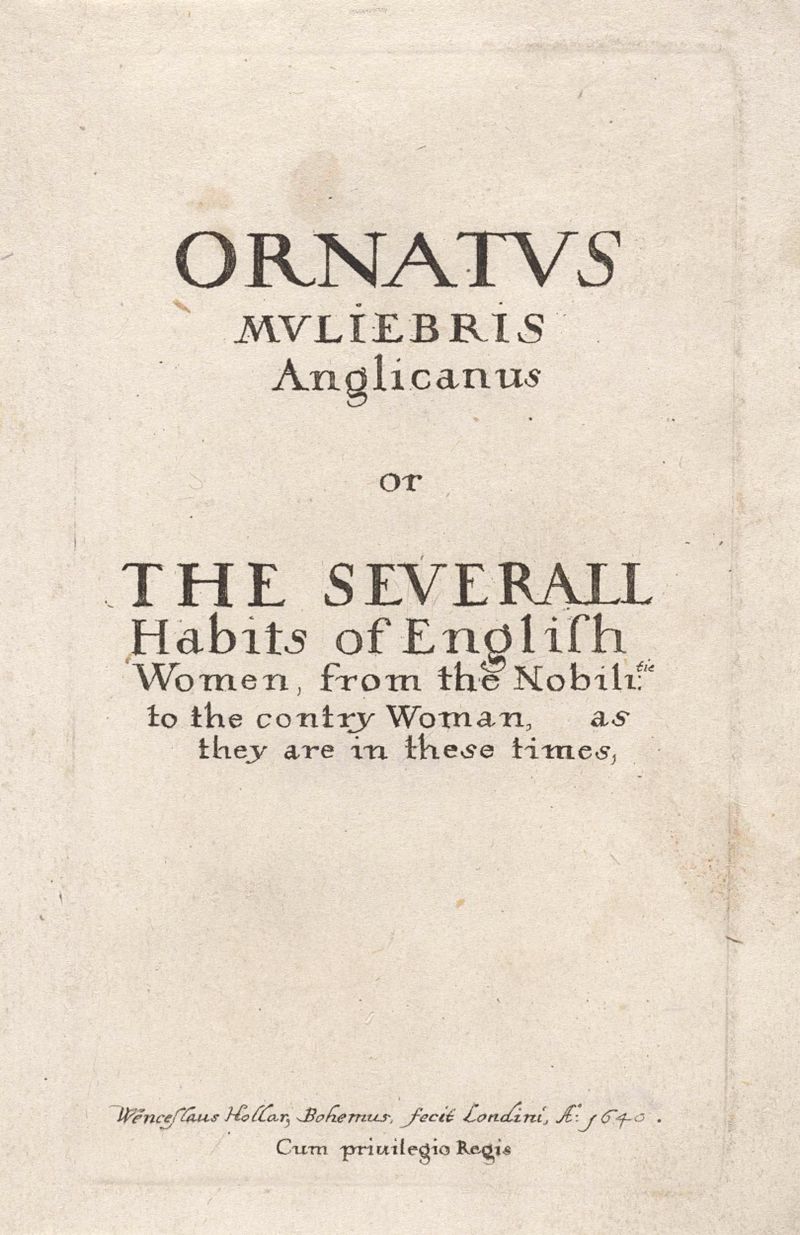
Titelprent voor: Ornatus Muliebris Anglicanus
Wenceslaus Hollar
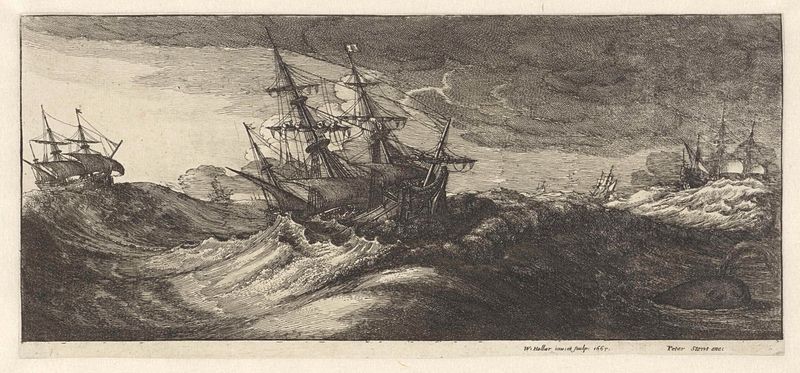
Oorlogsschepen en een walvis in een zeestorm
Wenceslaus Hollar
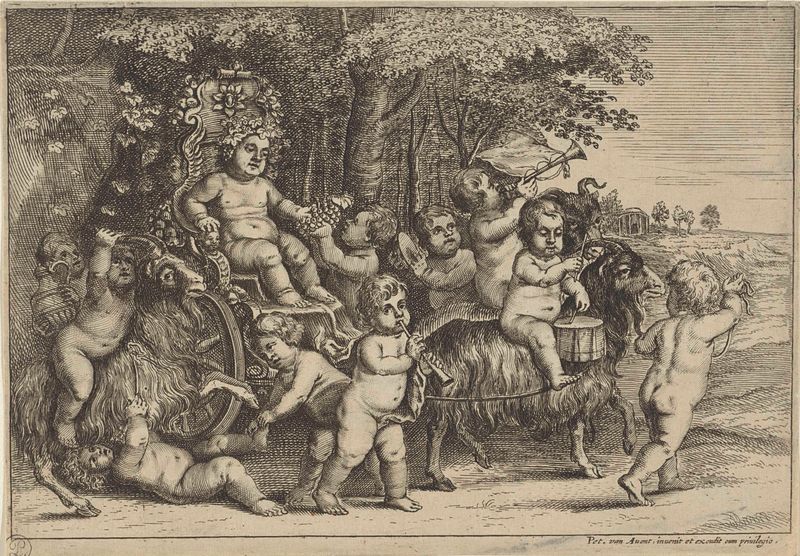
Optocht van bacchant en jongetjes op geiten
Wenceslaus Hollar
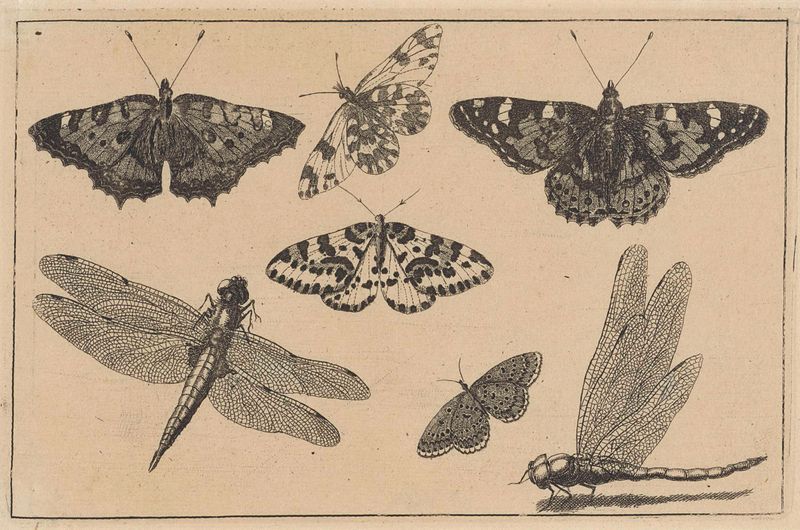
Twee libellen en vijf vlinders
Wenceslaus Hollar
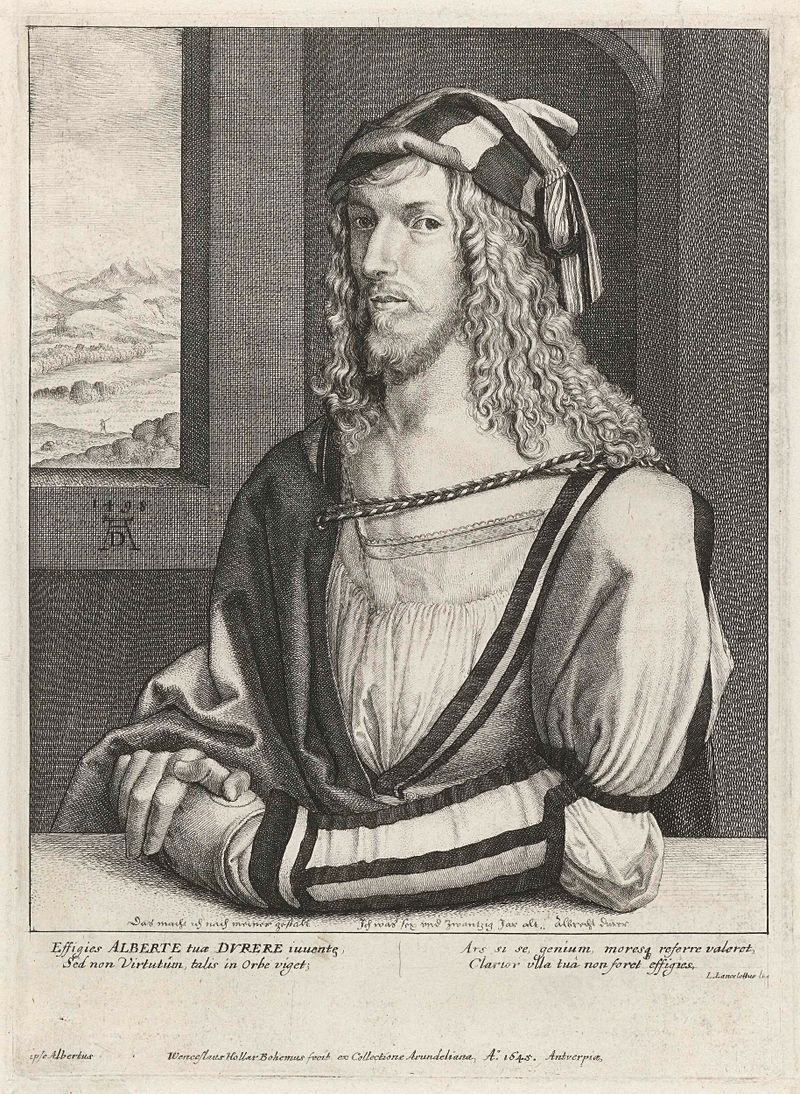
Portret van Albrecht Dürer
Wenceslaus Hollar
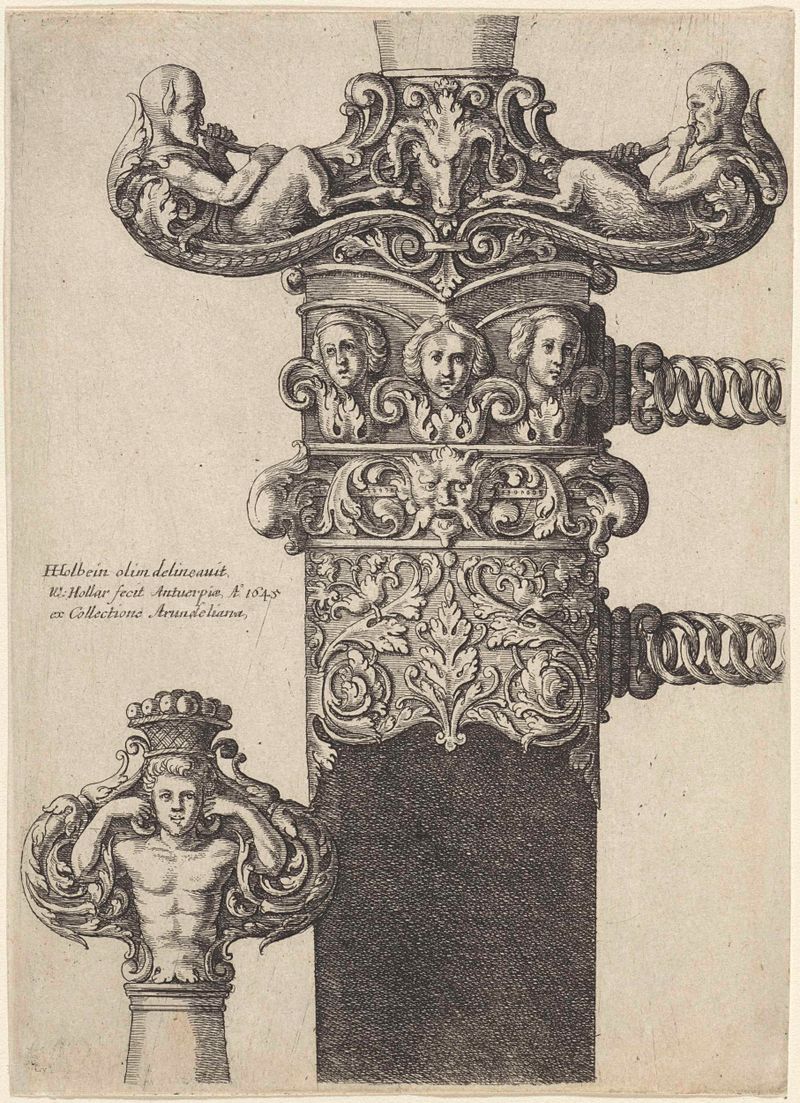
Ornamenteel ontwerp voor een dolk
Wenceslaus Hollar
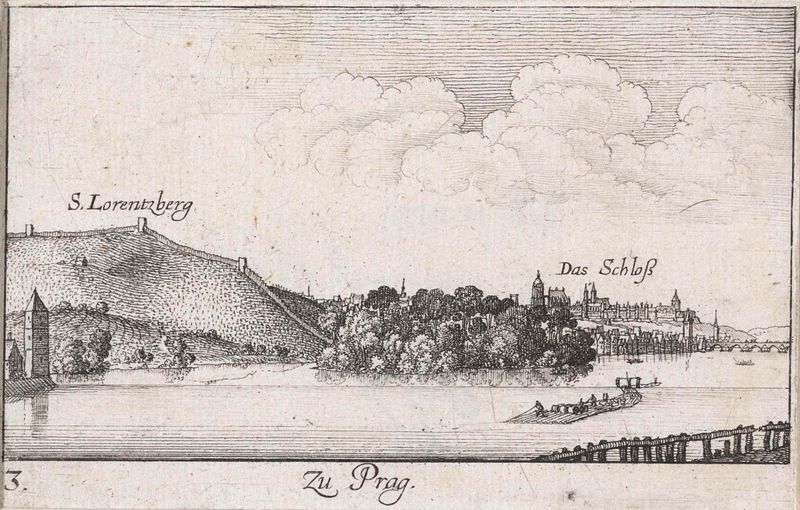
Gezicht op Praag vanaf de Moldau
Wenceslaus Hollar
More Portrait Art
Browse all →
Las meninas
Diego Velázquez

Self-portrait with a Bandaged Ear and Pipe
Unidentified artist

Girl with a Pearl Earring
Johannes Vermeer

The Sampling Officials of the Amsterdam Drapers’ Guild, Known as ‘The Syndics’
Rembrandt van Rijn

The Hundred Guilder Print: the man seen on the back in the lower left corner
Rembrandt van Rijn

Portrait of Dr Gachet
Vincent van Gogh