
Hoofd van een jongen en twee profielen van mannen — History & Facts
Can beauty exist without sorrow? In Hoofd van een jongen en twee profielen van mannen, the interplay of youth and age whispers the answer quietly, revealing the delicate balance of existence. Look closely at the central boy's visage, his youthful features capturing a fleeting moment of innocence. Notice how the light subtly caresses his face, illuminating the contours that speak of life not yet worn by experience. The profiles flanking him, with their more mature lines etched in shadow, contrast sharply against the boy’s delicate beauty, creating a poignant dialogue between the vibrancy of youth and the inevitability of aging.
Hollar’s skillful etching technique accentuates these contrasts, drawing attention to the texture of skin and the nuances of expression that tell stories beyond words. Within the composition lies a deeper exploration of mortality. The juxtaposition of the boy—symbolic of potential and hope—against the men’s stoic profiles evokes a sense of nostalgia and foreboding. The viewer is invited to contemplate the transient nature of life, as the profiles suggest wisdom earned through hardship, all while the boy’s gaze hints at an uncharted future.
This interplay of innocence and the whisper of mortality creates an emotional tension that resonates profoundly. Wenceslaus Hollar created this piece in 1645, during a period marked by personal upheaval and artistic transition. Living in the tumultuous times of the Thirty Years' War and later settling in England, Hollar’s work reflects both the turbulence of his surroundings and his pursuit of beauty. His mastery of etching during this era signifies not only his artistic evolution but also an understanding of the ephemeral state of life, captured poignantly in this work.
More Artworks by Wenceslaus Hollar
Browse all →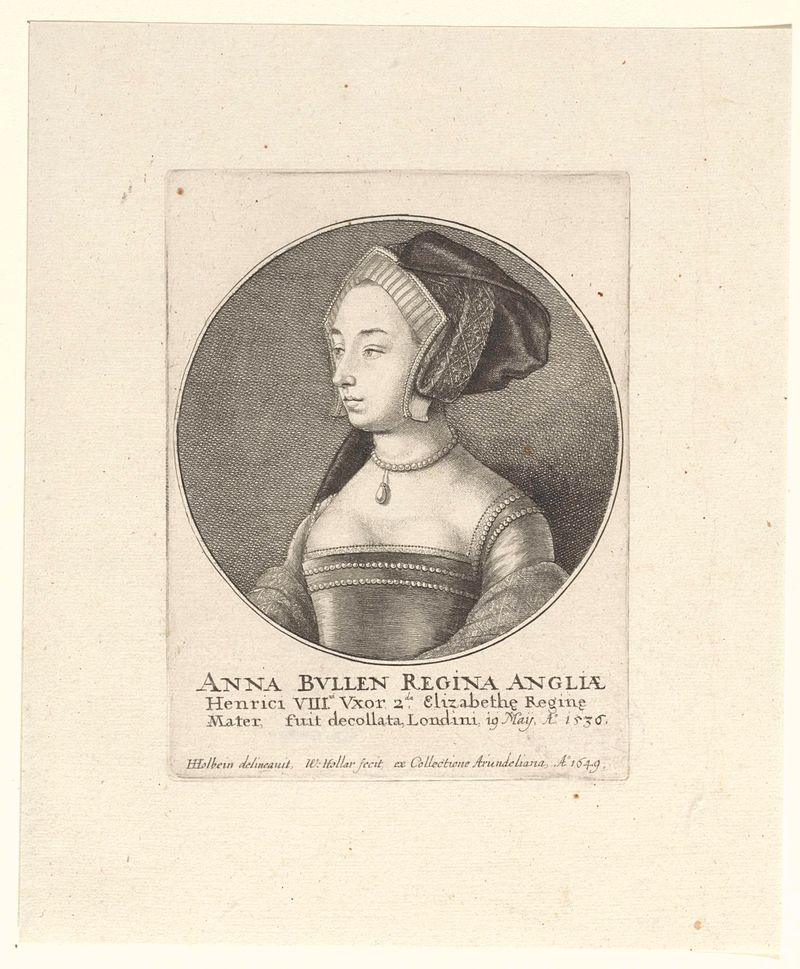
Portret van Anna Boleyn, koningin van Engeland
Wenceslaus Hollar
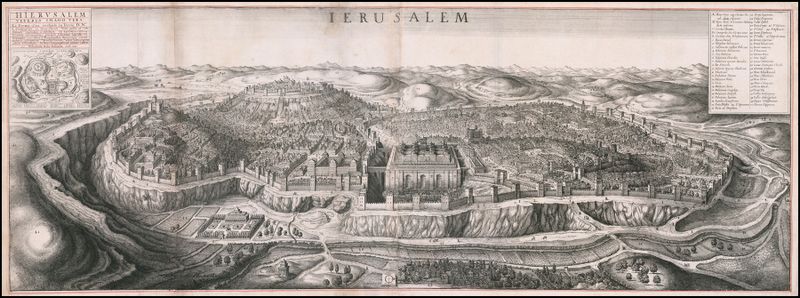
Bird’s eye view of Jerusalem
Wenceslaus Hollar
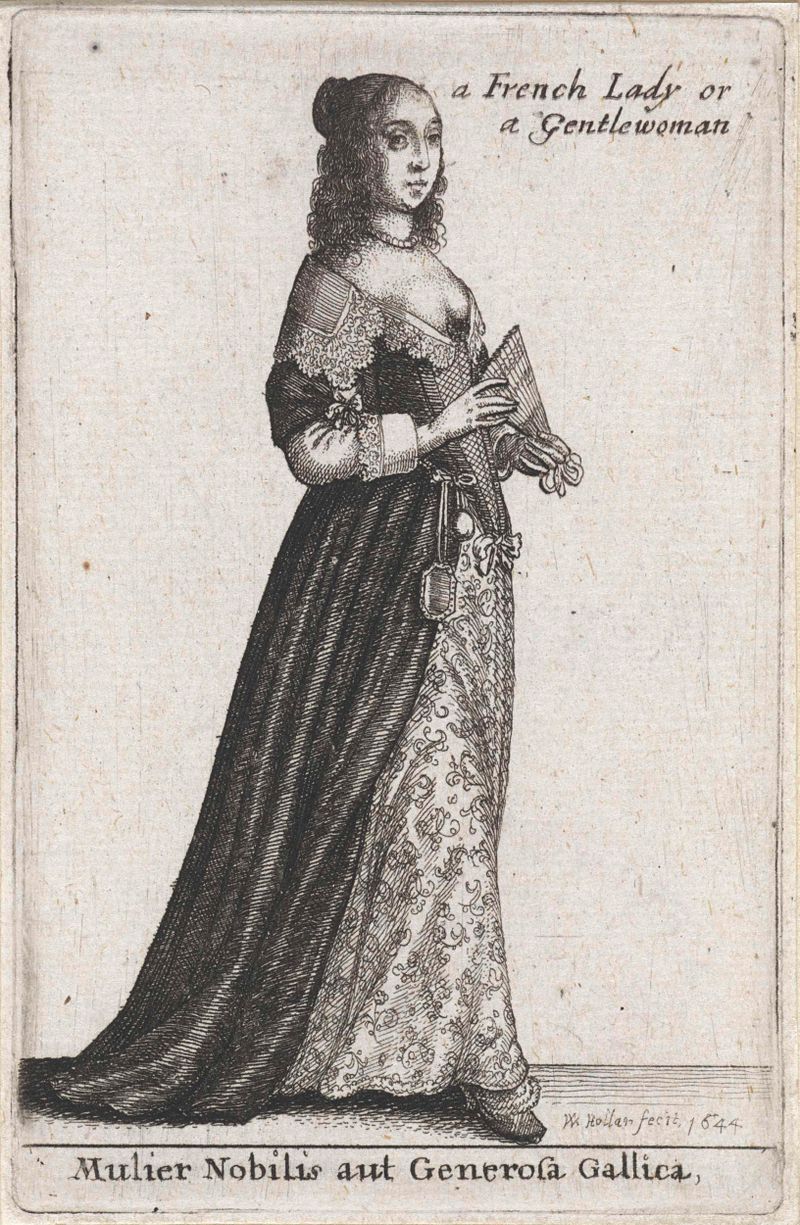
Mulier Nobilis aut Generosa Gallica / a French Lady or Gentlewoman
Wenceslaus Hollar
Titelprent voor: Ornatus Muliebris Anglicanus
Wenceslaus Hollar
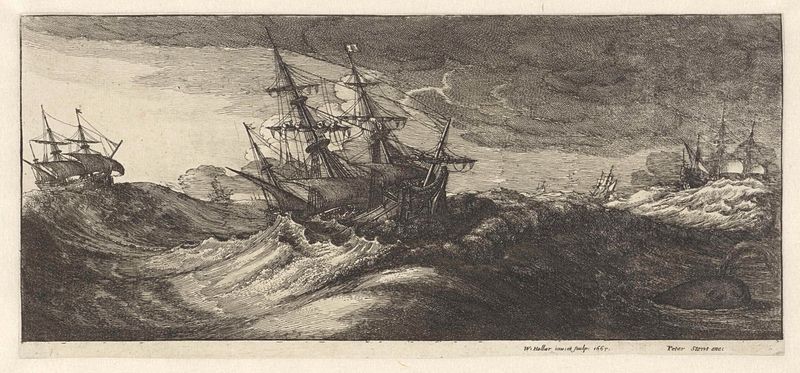
Oorlogsschepen en een walvis in een zeestorm
Wenceslaus Hollar
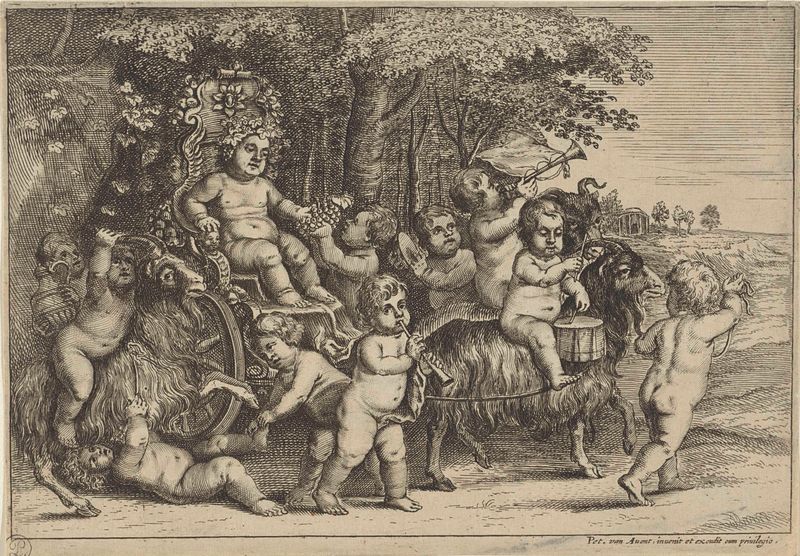
Optocht van bacchant en jongetjes op geiten
Wenceslaus Hollar
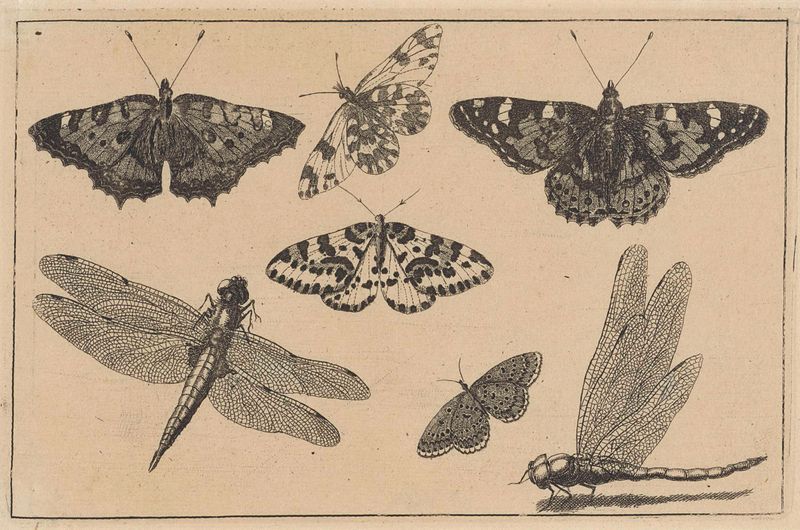
Twee libellen en vijf vlinders
Wenceslaus Hollar
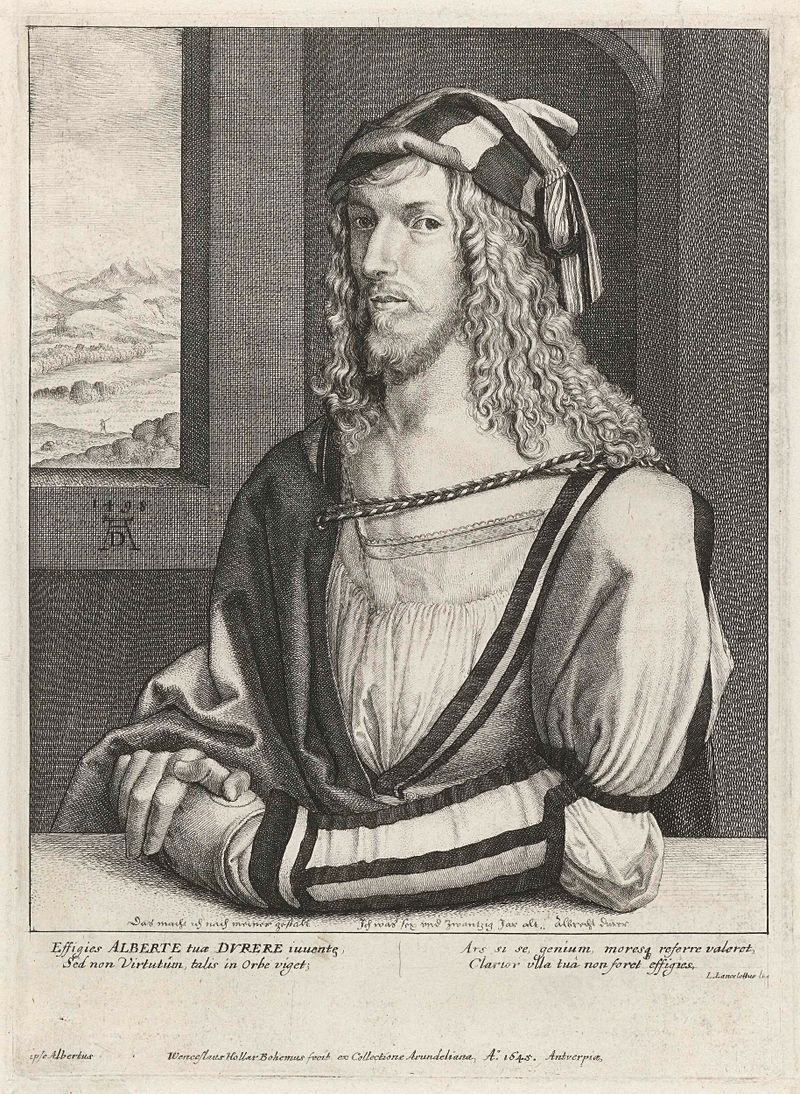
Portret van Albrecht Dürer
Wenceslaus Hollar
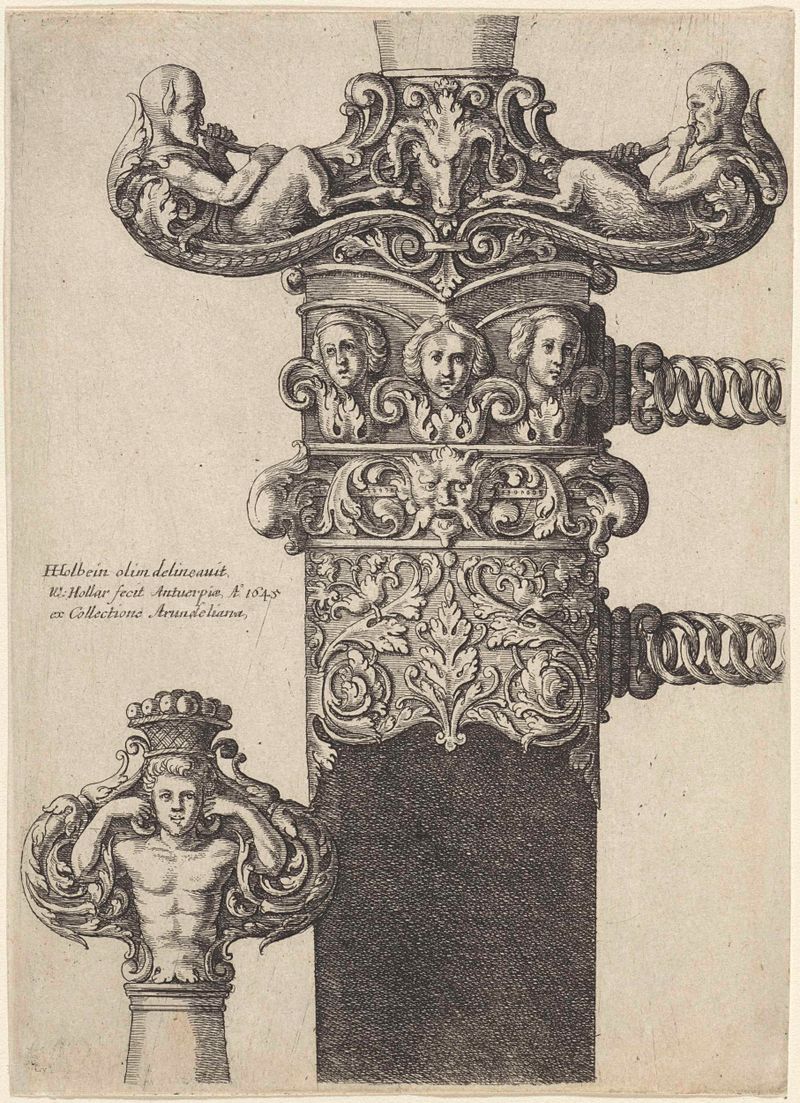
Ornamenteel ontwerp voor een dolk
Wenceslaus Hollar
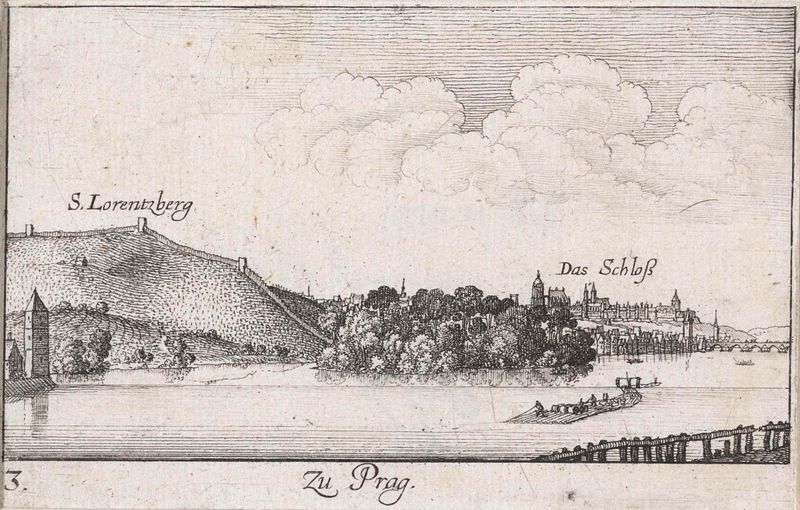
Gezicht op Praag vanaf de Moldau
Wenceslaus Hollar
More Portrait Art
Browse all →
Las meninas
Diego Velázquez

Self-portrait with a Bandaged Ear and Pipe
Unidentified artist

Girl with a Pearl Earring
Johannes Vermeer

The Sampling Officials of the Amsterdam Drapers’ Guild, Known as ‘The Syndics’
Rembrandt van Rijn

The Hundred Guilder Print: the man seen on the back in the lower left corner
Rembrandt van Rijn

Portrait of Dr Gachet
Vincent van Gogh