
Hoofd van een kind — History & Facts
In the stillness of a child’s gaze lies a chaotic world, where innocence meets the fringes of madness. Look closely at the expressive eyes that dominate the canvas, drawing you into their depths. Notice how Hollar captures the softness of the child’s skin, highlighting the delicate contours with gentle lines and a muted palette. The interplay of light and shadow enhances the child’s ethereal quality, while the slightly tilted head and subtle smile suggest a fleeting thought, perhaps a secret or a whisper from another realm. Yet, it is in the meticulous details that deeper meanings emerge.
The slight asymmetry of the features evokes an unsettling tension, hinting at the fragility of childhood and the madness that lurks just beneath the surface of innocence. The undulating lines around the head may symbolize the chaotic thoughts and emotions swirling within, representing a bridge between the purity of youth and the complexities that await. In 1646, Wenceslaus Hollar created this work amidst a turbulent period in European art, characterized by shifting styles and cultural upheaval. Having moved to England after the Thirty Years' War, he found himself in a vibrant artistic community, which influenced his exploration of both nature and the human condition.
This piece reflects not only the technical mastery of his craft but also the underlying tensions of a world grappling with its own madness, inviting viewers to contemplate the fragile balance between innocence and chaos.
More Artworks by Wenceslaus Hollar
Browse all →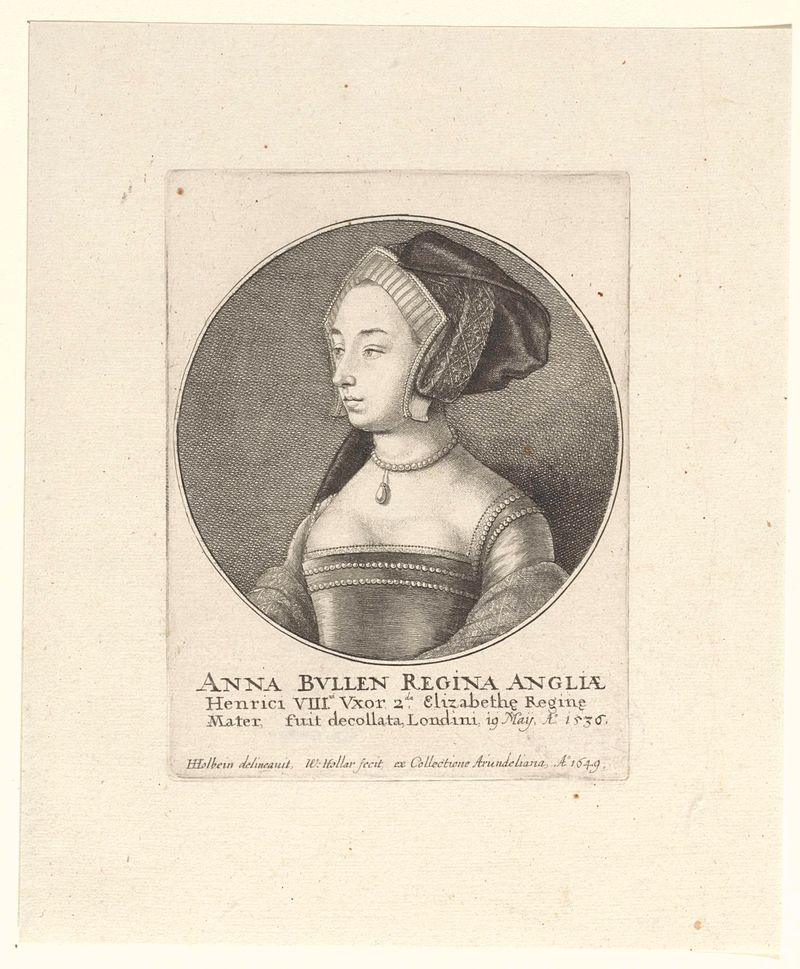
Portret van Anna Boleyn, koningin van Engeland
Wenceslaus Hollar
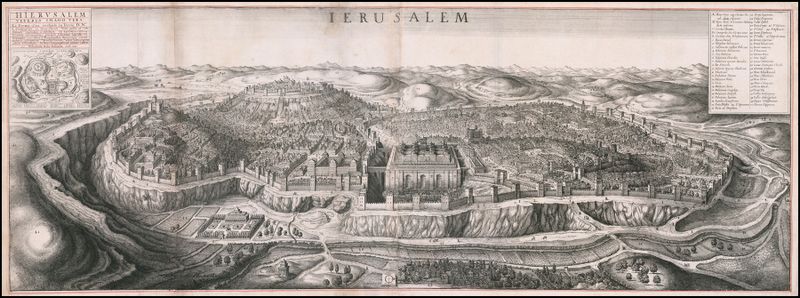
Bird’s eye view of Jerusalem
Wenceslaus Hollar
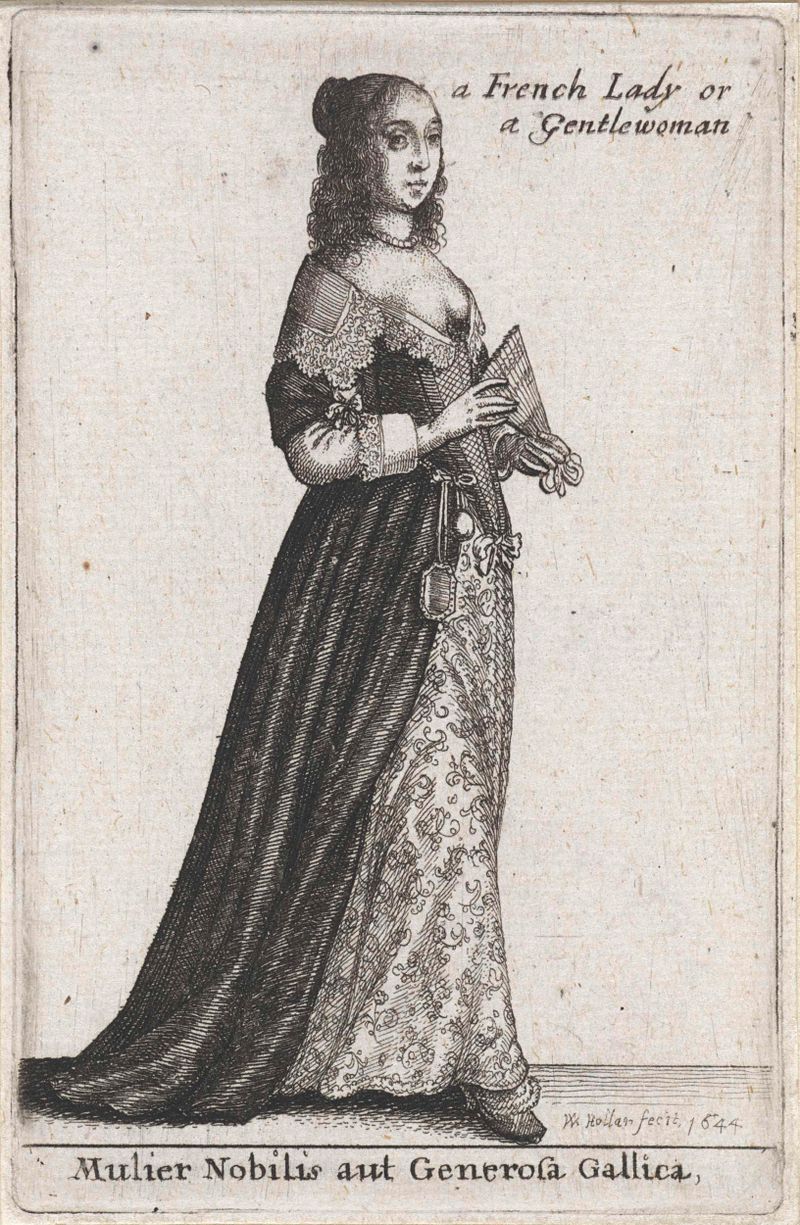
Mulier Nobilis aut Generosa Gallica / a French Lady or Gentlewoman
Wenceslaus Hollar
Titelprent voor: Ornatus Muliebris Anglicanus
Wenceslaus Hollar
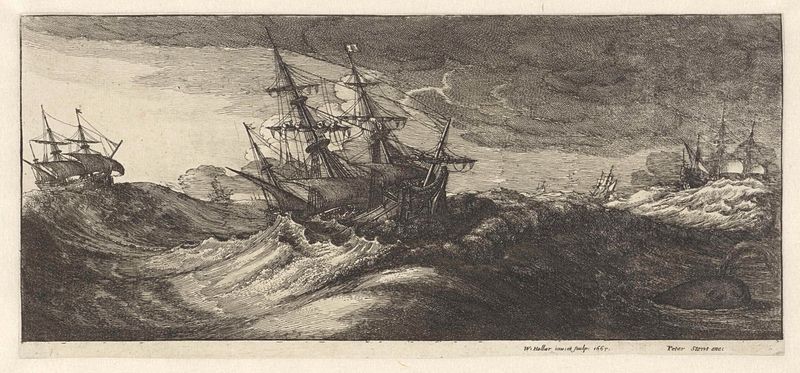
Oorlogsschepen en een walvis in een zeestorm
Wenceslaus Hollar
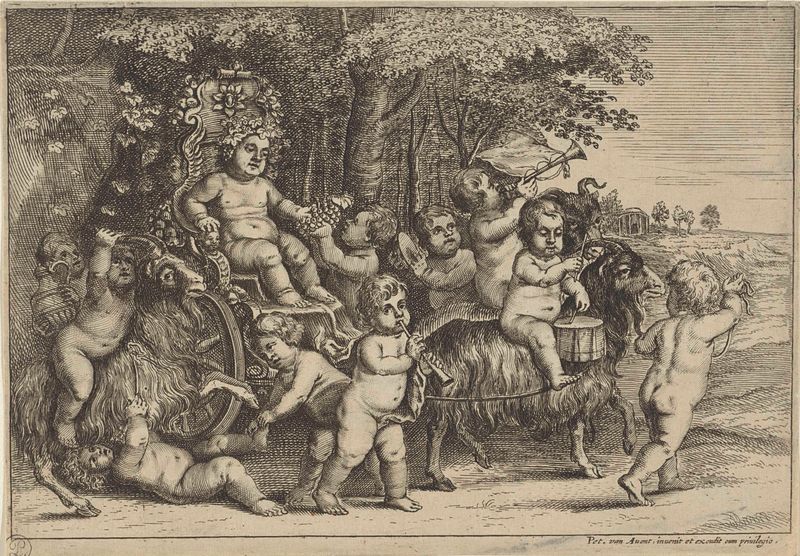
Optocht van bacchant en jongetjes op geiten
Wenceslaus Hollar
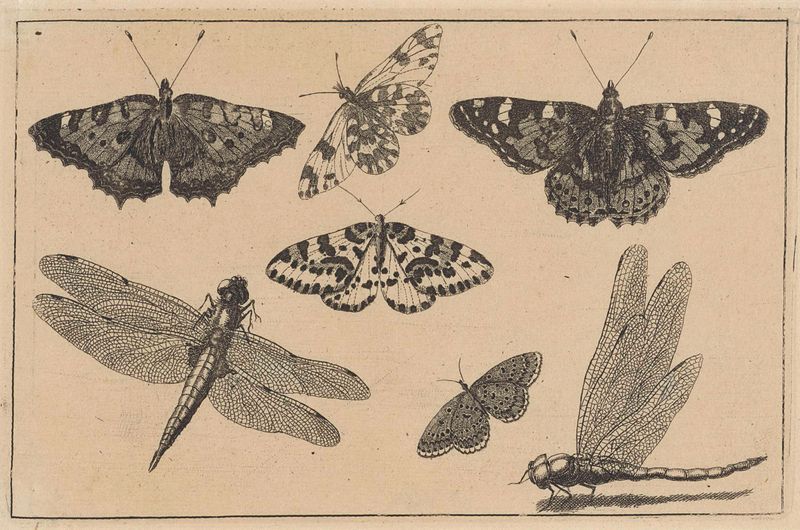
Twee libellen en vijf vlinders
Wenceslaus Hollar
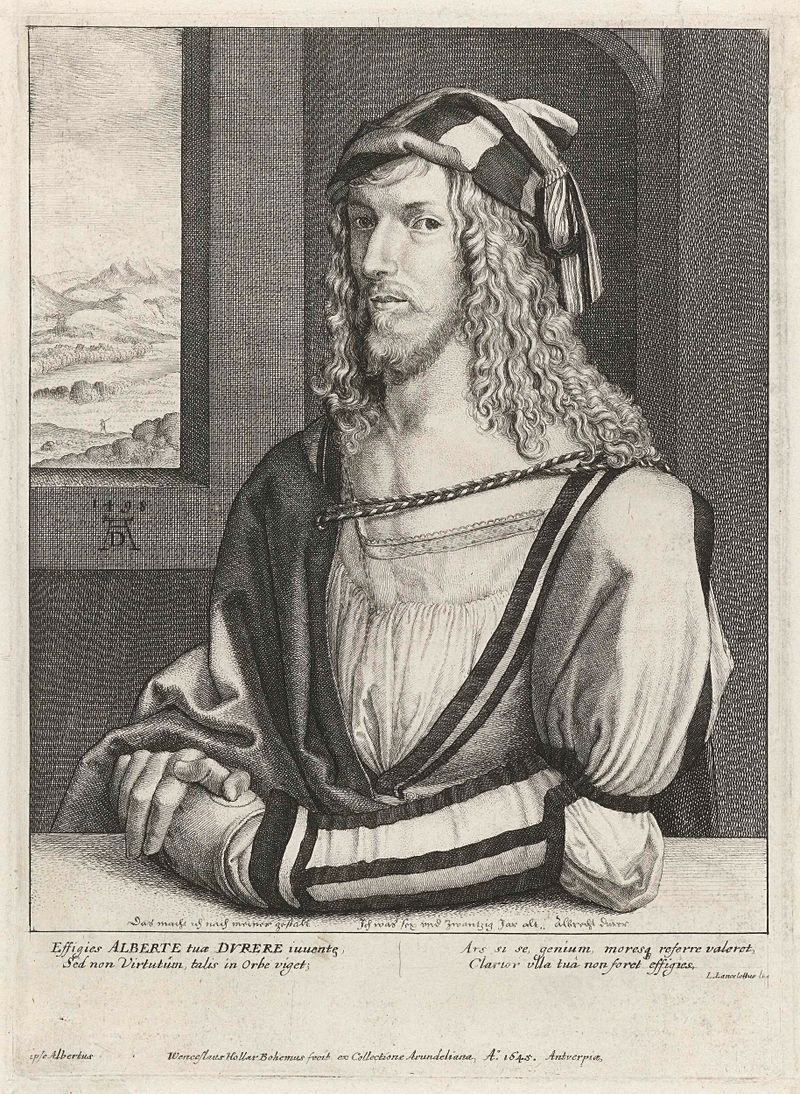
Portret van Albrecht Dürer
Wenceslaus Hollar
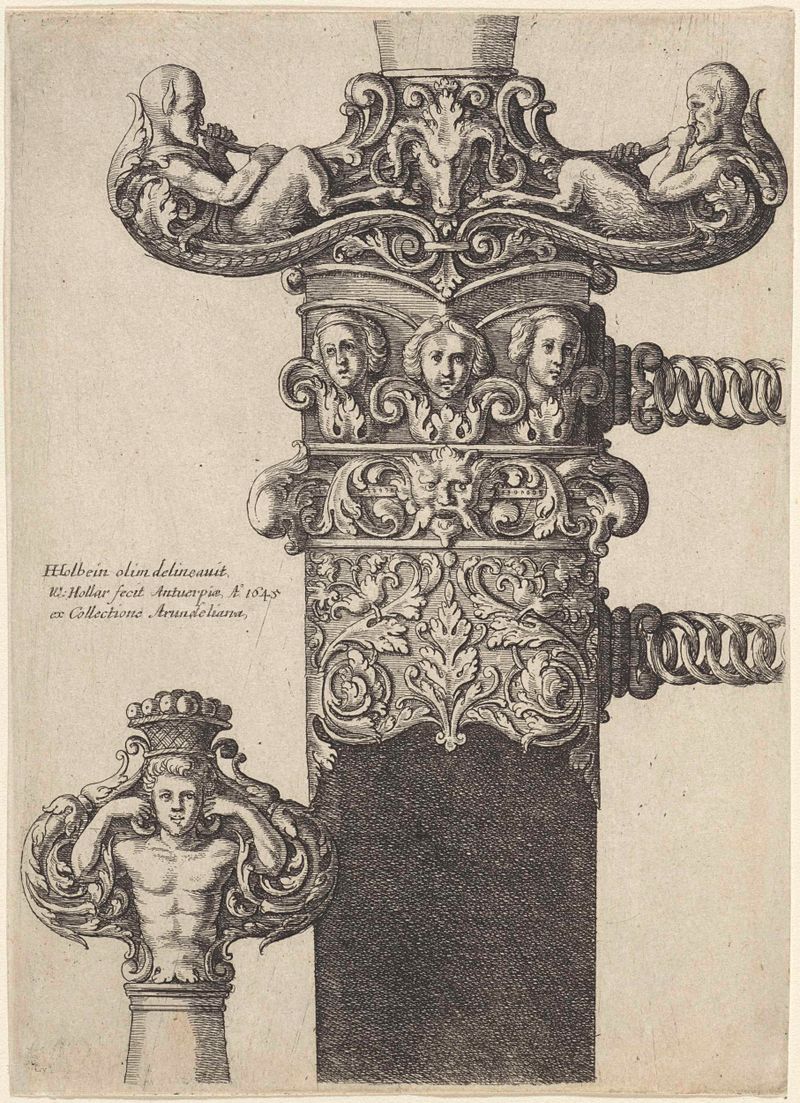
Ornamenteel ontwerp voor een dolk
Wenceslaus Hollar
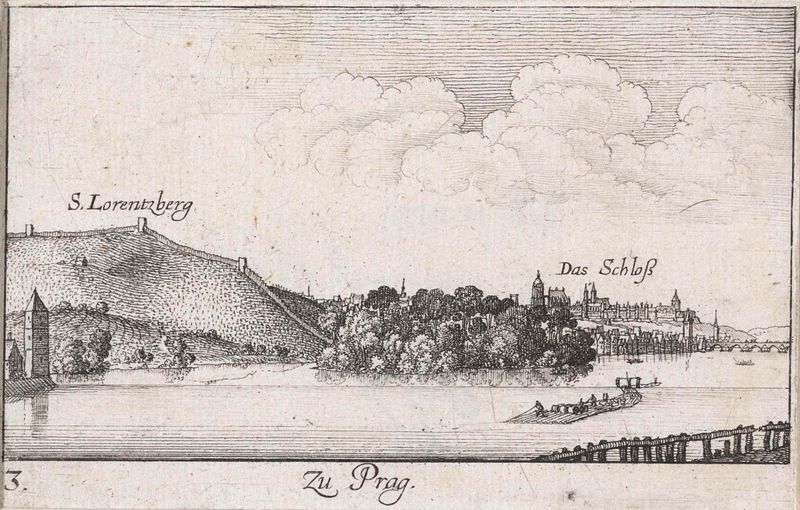
Gezicht op Praag vanaf de Moldau
Wenceslaus Hollar
More Portrait Art
Browse all →
Las meninas
Diego Velázquez

Self-portrait with a Bandaged Ear and Pipe
Unidentified artist

Girl with a Pearl Earring
Johannes Vermeer

The Sampling Officials of the Amsterdam Drapers’ Guild, Known as ‘The Syndics’
Rembrandt van Rijn

The Hundred Guilder Print: the man seen on the back in the lower left corner
Rembrandt van Rijn

Portrait of Dr Gachet
Vincent van Gogh