
Hoofd van een man met gepluimde helm — History & Facts
In the quiet shadows of the 17th century, where artistry often masked deeper truths, one finds an intriguing portrait brimming with complexity. Look closely at the finely etched lines that weave through the features of the man, leading your gaze to the intricate plume atop his helmet. The artist employs a delicate chiaroscuro, allowing light to caress the contours of the face, revealing both strength and vulnerability. The meticulous details in the fabric of the helmet contrast with the soft expressions of the skin, drawing you into a world where valor and fragility coexist. Beneath the surface of this striking visage lies a rich tapestry of meaning.
The plume, often associated with nobility, suggests a facade of honor and bravery, while the man’s gaze, slightly averted, hints at an introspective struggle. This duality speaks to the human condition – the conflict between external appearances and internal battles, encapsulating the essence of creation itself, where beauty often emerges from hardship. Wenceslaus Hollar created this striking piece in 1645, a time marked by the upheavals of the Thirty Years' War and shifting artistic currents within Europe. Living in the vibrant city of London, the artist experienced a world in flux, influenced by baroque ideals and the exploration of human emotions.
This portrait reflects not only his skill in engraving but also the profound connection between the times he lived in and the themes of identity and resilience he explored through his art.
More Artworks by Wenceslaus Hollar
Browse all →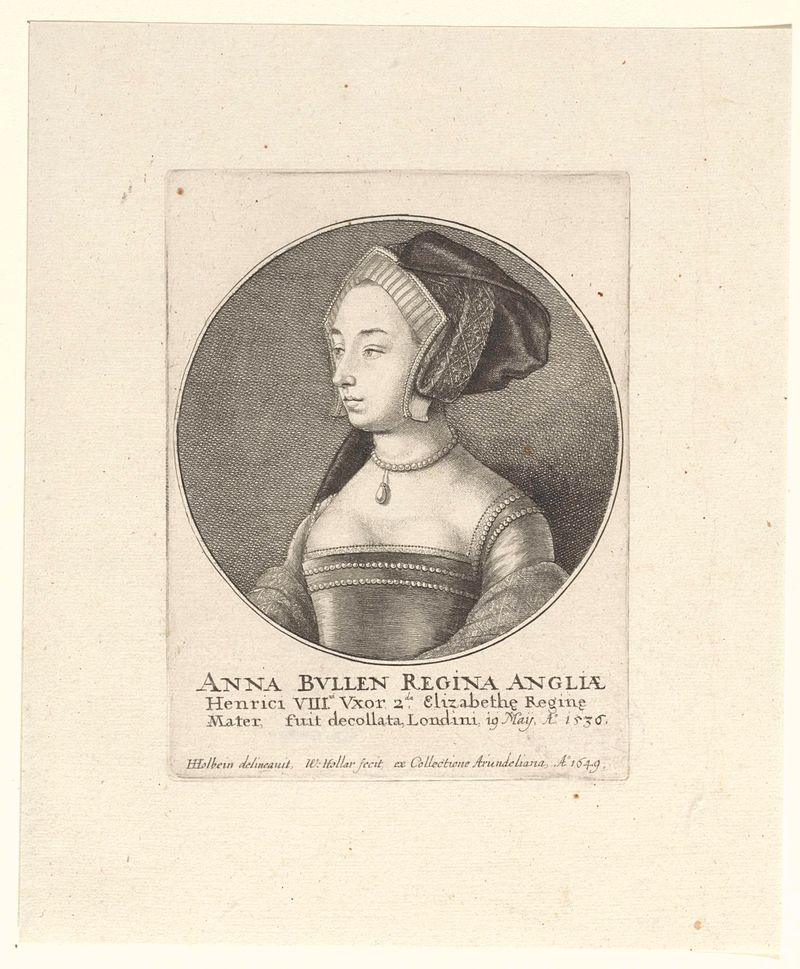
Portret van Anna Boleyn, koningin van Engeland
Wenceslaus Hollar
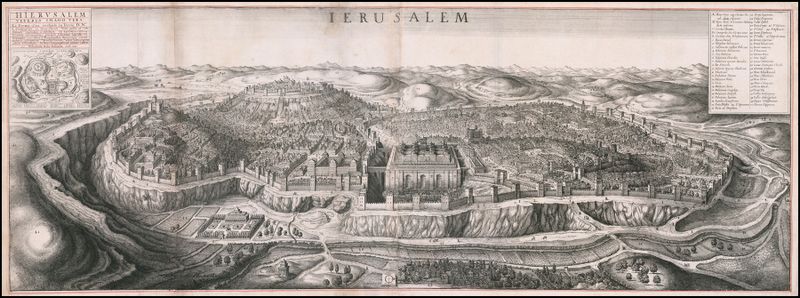
Bird’s eye view of Jerusalem
Wenceslaus Hollar
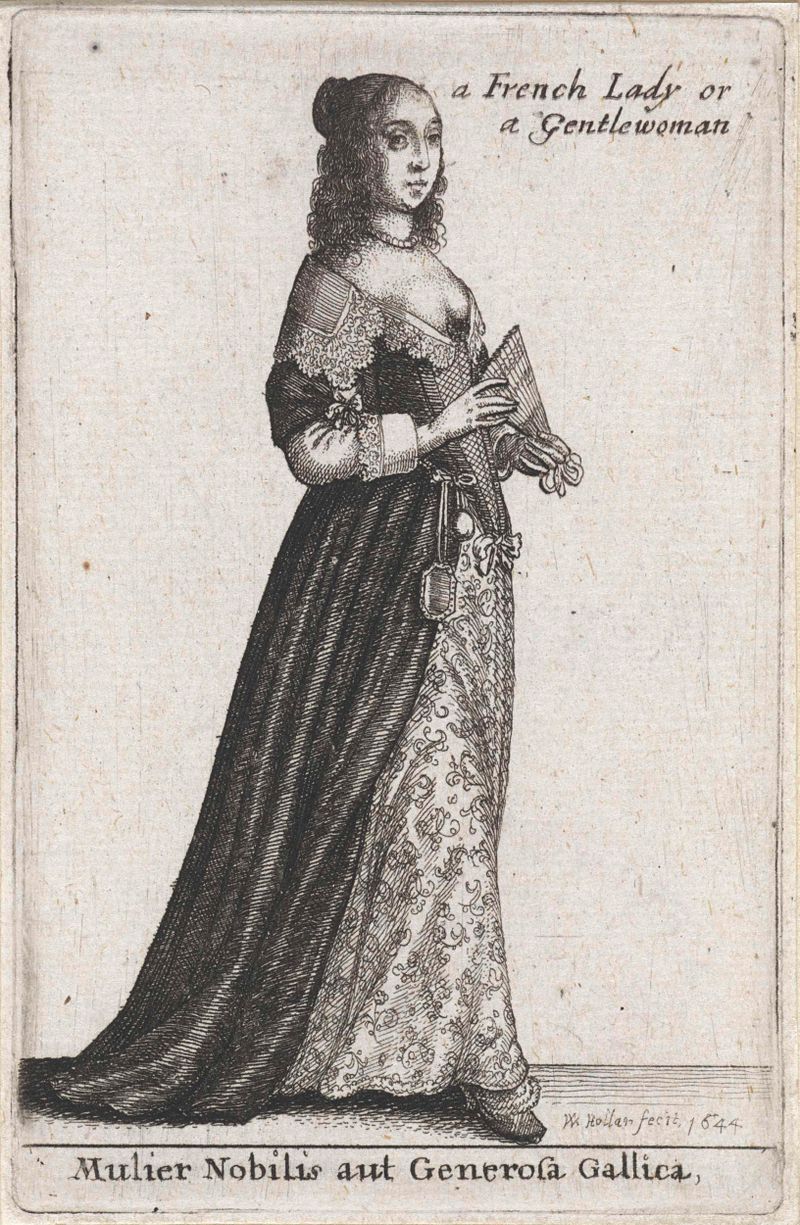
Mulier Nobilis aut Generosa Gallica / a French Lady or Gentlewoman
Wenceslaus Hollar
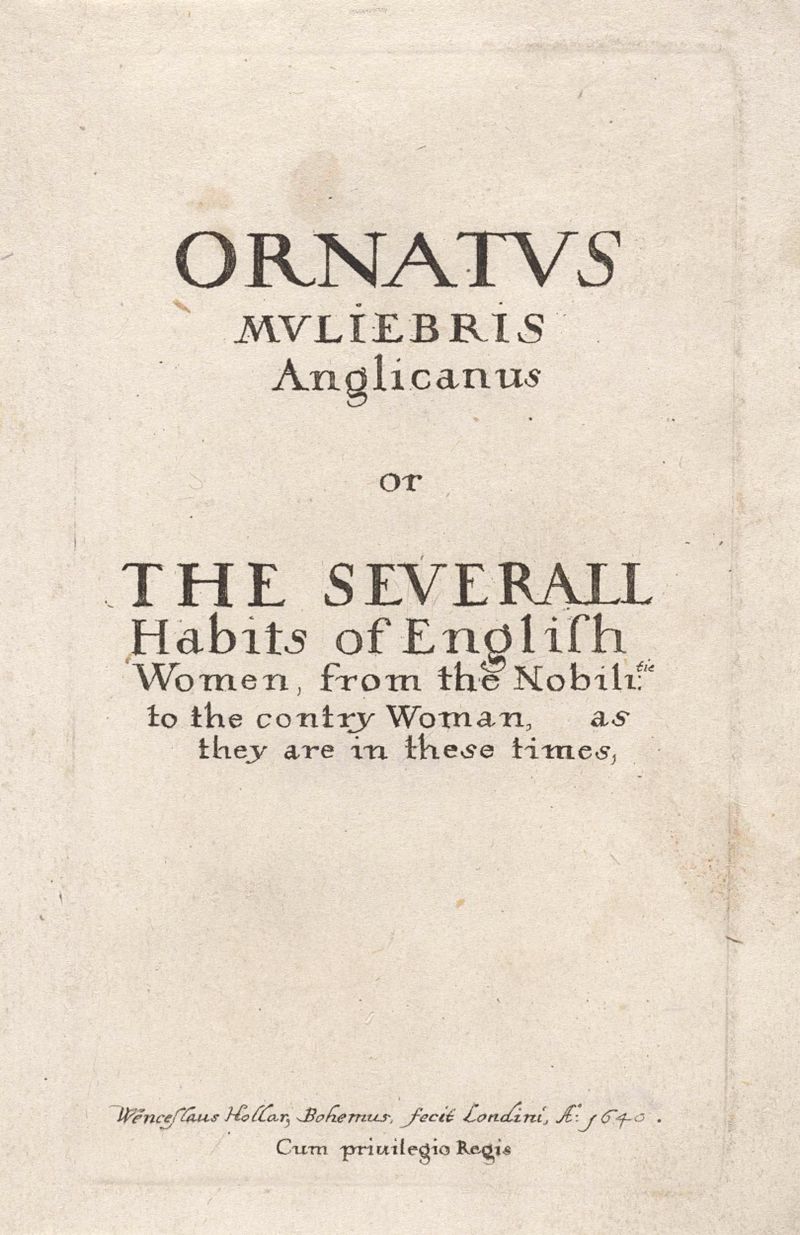
Titelprent voor: Ornatus Muliebris Anglicanus
Wenceslaus Hollar
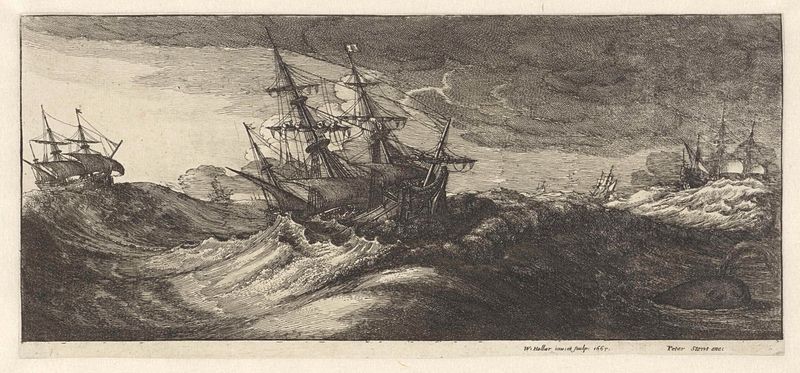
Oorlogsschepen en een walvis in een zeestorm
Wenceslaus Hollar
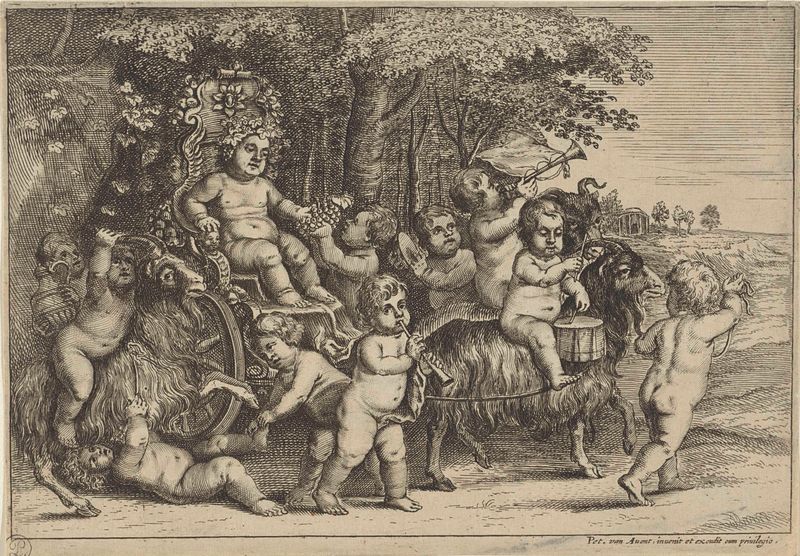
Optocht van bacchant en jongetjes op geiten
Wenceslaus Hollar
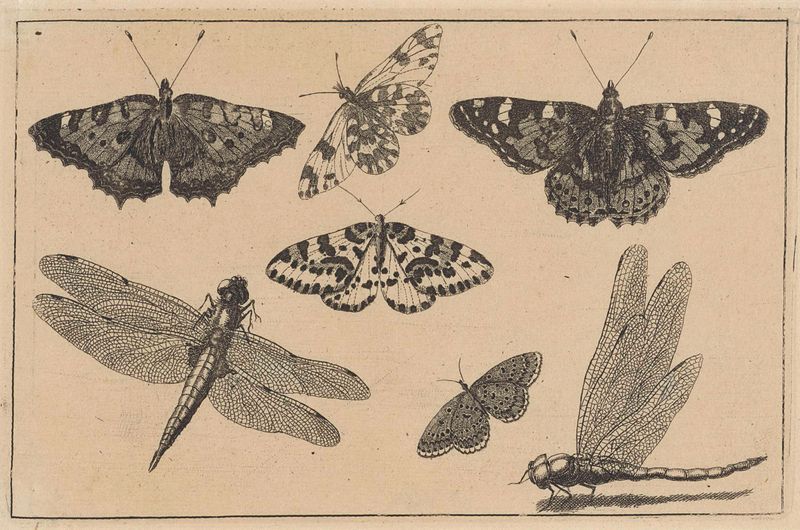
Twee libellen en vijf vlinders
Wenceslaus Hollar
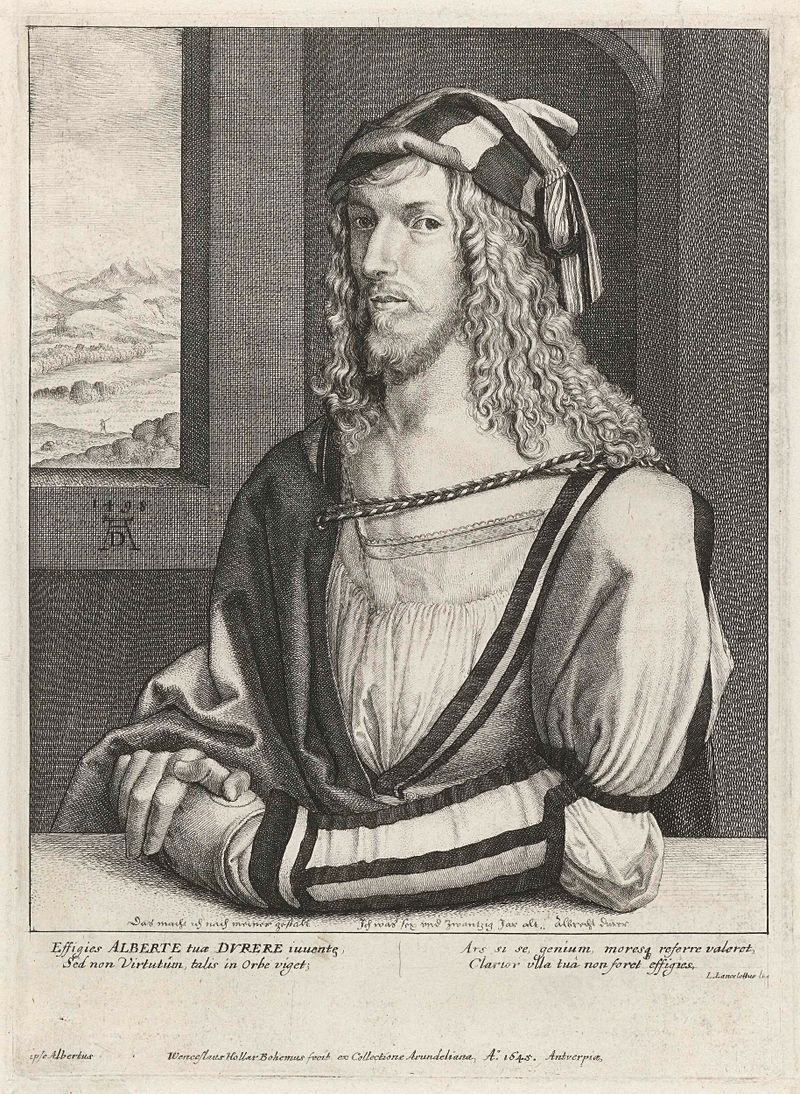
Portret van Albrecht Dürer
Wenceslaus Hollar
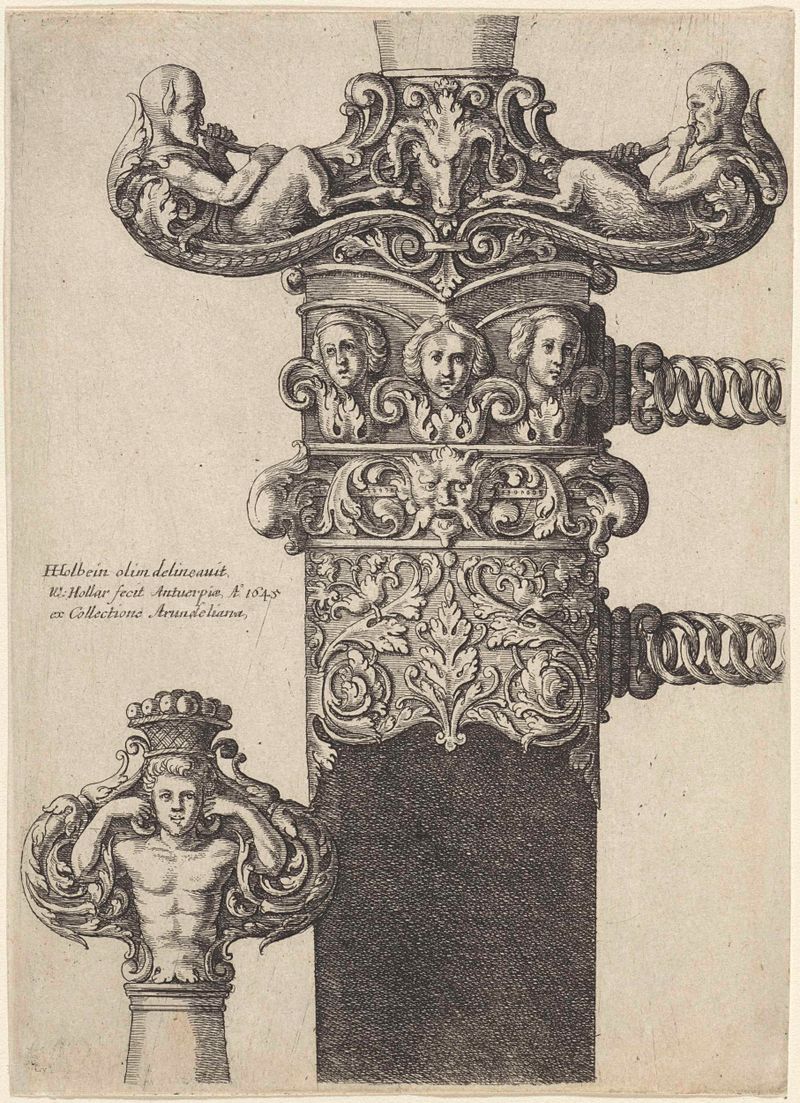
Ornamenteel ontwerp voor een dolk
Wenceslaus Hollar
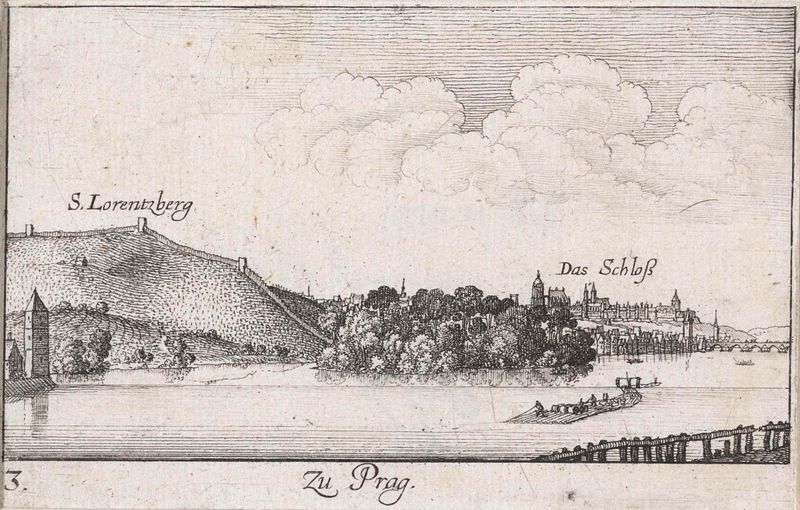
Gezicht op Praag vanaf de Moldau
Wenceslaus Hollar
More Portrait Art
Browse all →
Las meninas
Diego Velázquez

Self-portrait with a Bandaged Ear and Pipe
Unidentified artist

Girl with a Pearl Earring
Johannes Vermeer

The Sampling Officials of the Amsterdam Drapers’ Guild, Known as ‘The Syndics’
Rembrandt van Rijn

The Hundred Guilder Print: the man seen on the back in the lower left corner
Rembrandt van Rijn

Portrait of Dr Gachet
Vincent van Gogh