
Hot Wind — History & Facts
When did color learn to lie? In a world where shades dance and deceive, fleeting moments become eternal whispers of mortality. Look to the center of the canvas, where vibrant hues burst forth — deep reds and warm yellows mingle with cool blues. The bold strokes create an illusion of movement, as if the air itself is in flux, wrapping around the figures and the landscape. Notice how the light plays; it bathes the characters and foreground, enhancing the tension between the vivacious colors and the underlying sense of transience. Amidst this cacophony of color lies a poignant contrast.
The exuberant atmosphere, infused with a sense of joy, is juxtaposed with the underlying menace of the oppressive heat. The figures, caught in a moment of leisure, evoke a bittersweet nostalgia, hinting at the fragility of existence. Their gestures suggest joy interlaced with an awareness of time slipping away, an invitation to reflect on the fleeting nature of life. Created in the late 19th century, this work emerged during a time when Conder was deeply influenced by the Australian landscape and the Impressionist movement.
Living in a rapidly changing world, he sought to express the ephemeral beauty of reality through vivid colors and energetic forms. This painting reflects a personal exploration of beauty and mortality, resonating with the broader artistic dialogue of his time.
More Artworks by Charles Conder
Browse all →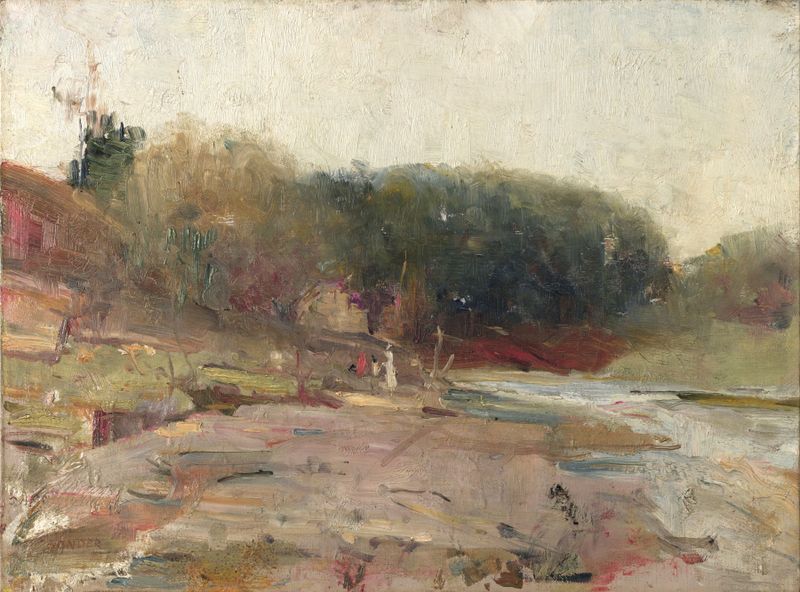
On the River Yarra, near Heidelberg, Victoria
Charles Conder
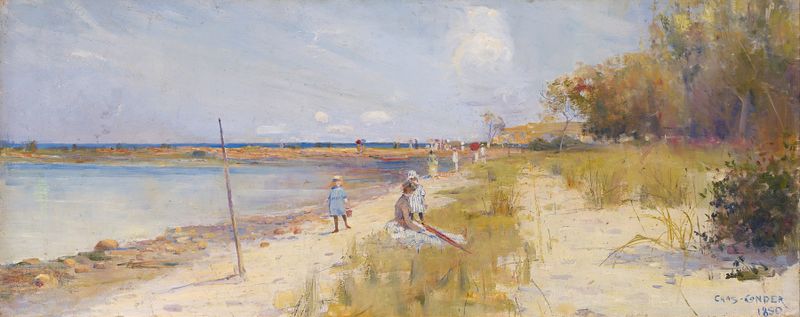
Rickett’s Point
Charles Conder

Sunset, Sydney Harbour
Charles Conder

Australian landscape
Charles Conder

Riddell’s Creek
Charles Conder
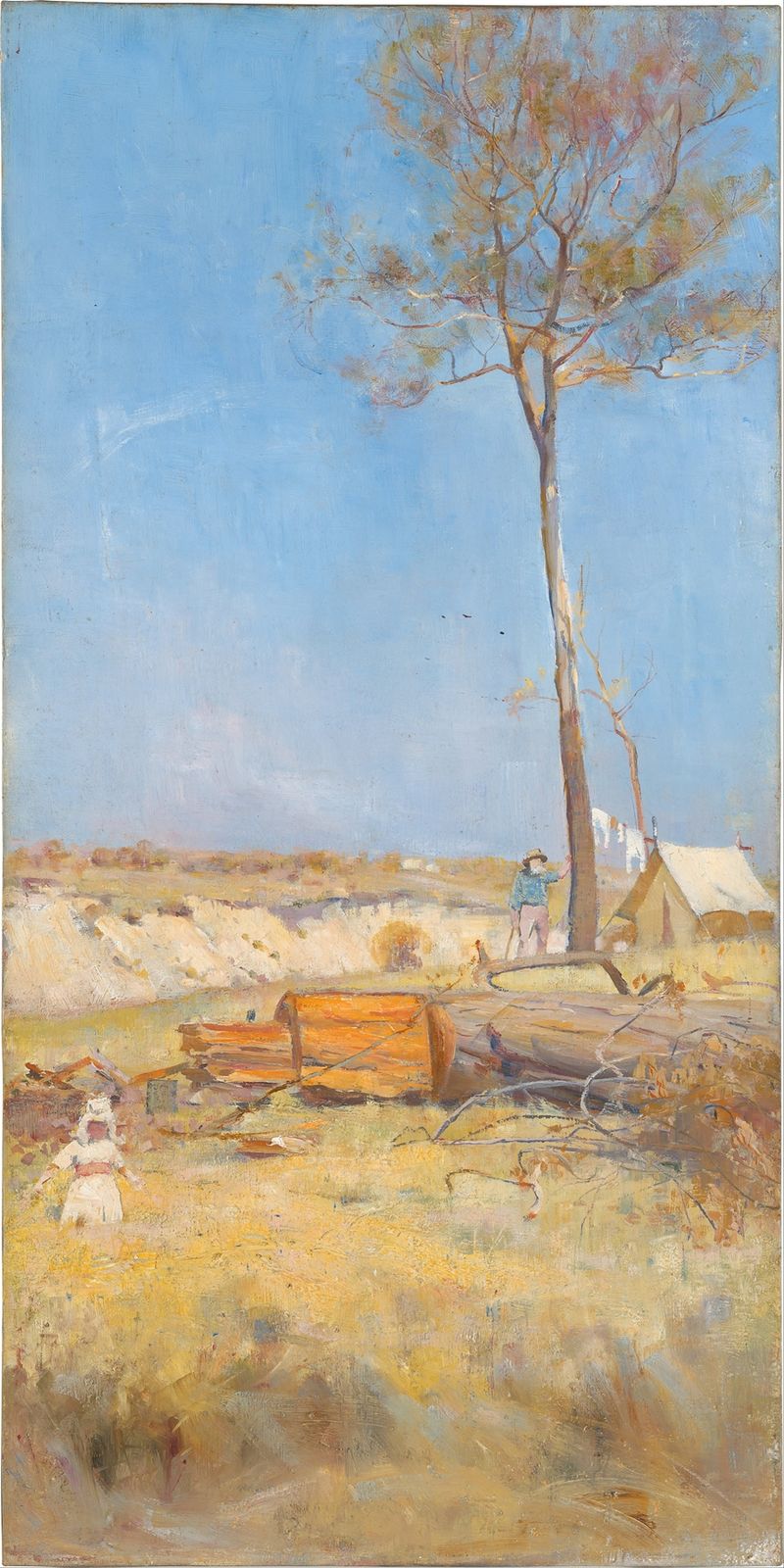
Under a southern sun
Charles Conder
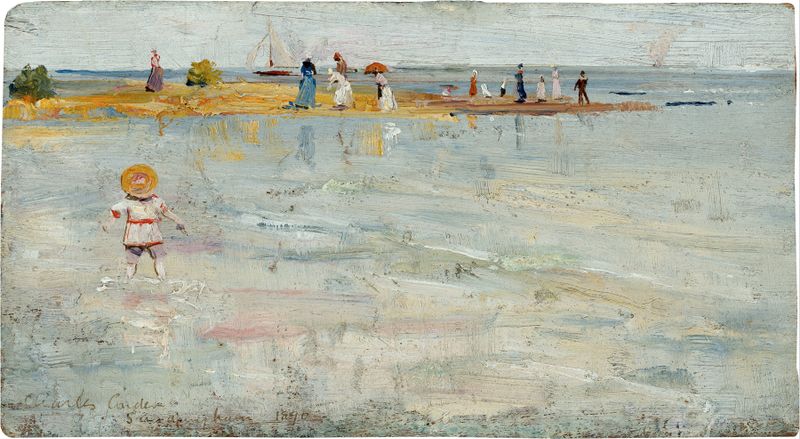
Ricketts Point, Beaumaris
Charles Conder

Going home
Charles Conder
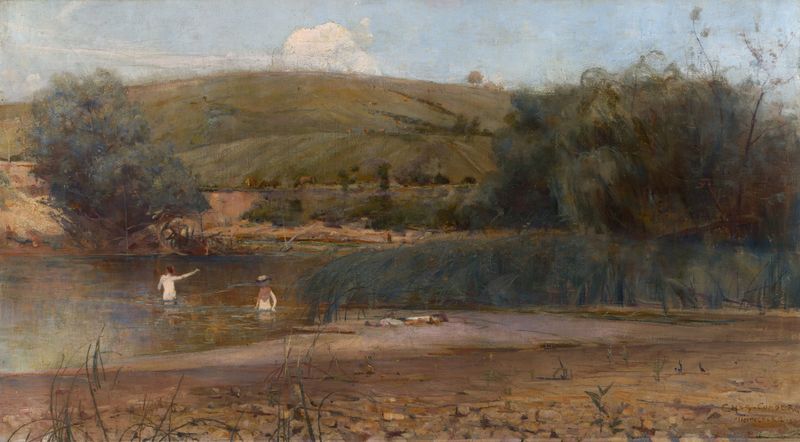
The Yarra, Heidelberg
Charles Conder
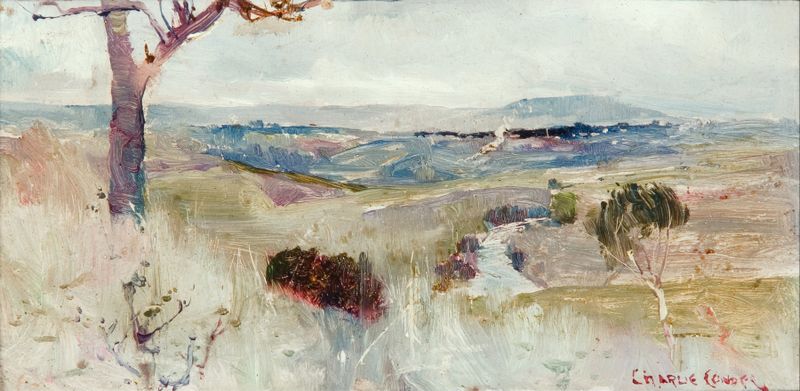
Dandenongs from Heidelberg
Charles Conder





