
House In Virginia (Castle Hill) — History & Facts
In the gentle embrace of decay, a house stands resolutely, embodying the whispers of a past that lingers in the air. Focus first on the sun-drenched facade, where the warm hues of ochre and muted reds evoke both nostalgia and a profound sense of loss. Notice how the light dances on the weathered shingles, casting playful shadows that seem to trace the contours of forgotten joys. To the left, the encroaching greenery hints at nature's reclamation, intertwining life's persistence with the stillness of timeworn architecture.
This interplay of light and shadow draws the viewer's gaze, capturing the essence of a story both familiar and elusive. Delve deeper into the painting's emotional landscape, where contrasts abound. The lively, vibrant brushstrokes juxtapose the somber reality of the dilapidated structure, symbolizing the tension between vitality and decline. The creeping vines suggest resilience while also emphasizing the fragility of human endeavors against nature's slow but inevitable march.
Each detail, from the cracked windows to the dappled sunlight, prompts reflection on the passage of time and the memories that fade yet remain. In 1893, Theodore Robinson painted this piece while living in Giverny, France, amid a vibrant community of Impressionists. This period marked a critical phase in his artistic journey, as he embraced a style that blended impressionistic techniques with a focus on American landscapes. As the art world grappled with changing perceptions of representation and reality, this painting reflects both a personal exploration and a broader dialogue about the intersection of human life and natural decay.
More Artworks by Theodore Robinson
Browse all →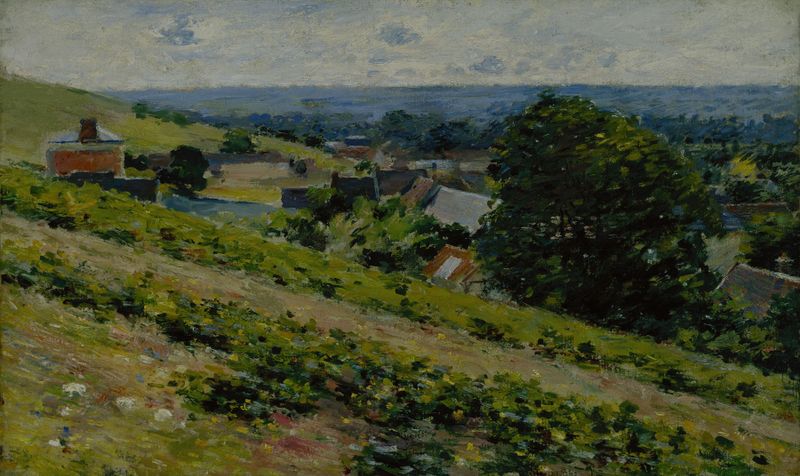
From the Hill, Giverny
Theodore Robinson

Giverny
Theodore Robinson

Old Church At Giverny
Theodore Robinson
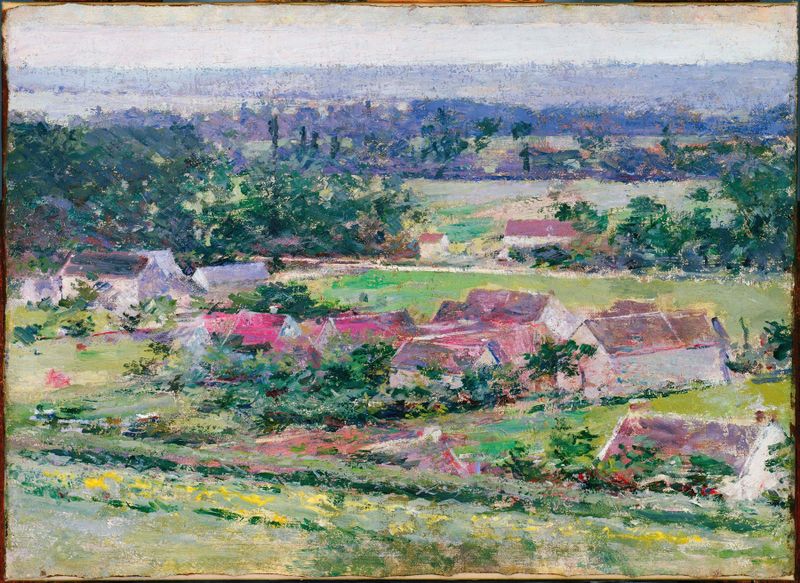
Giverny
Theodore Robinson
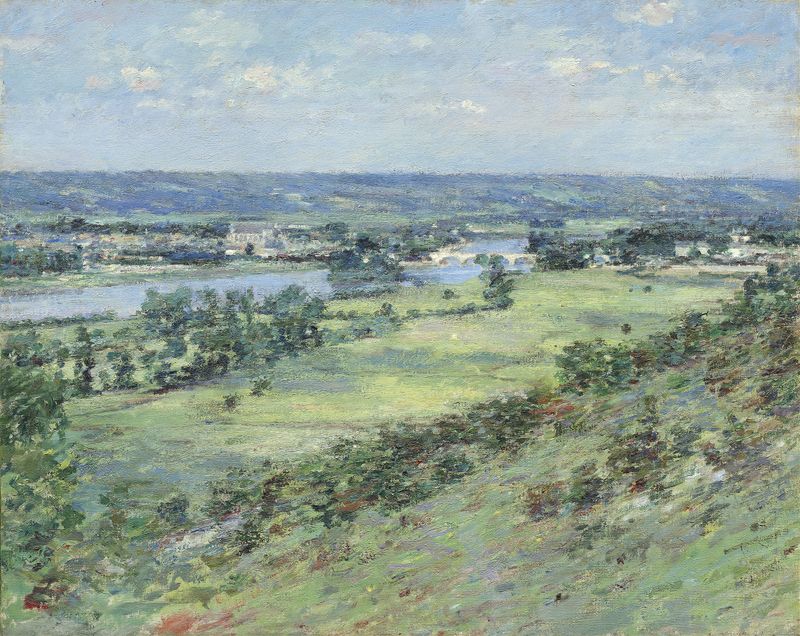
The Valley of the Seine,from the Hills of Giverny
Theodore Robinson
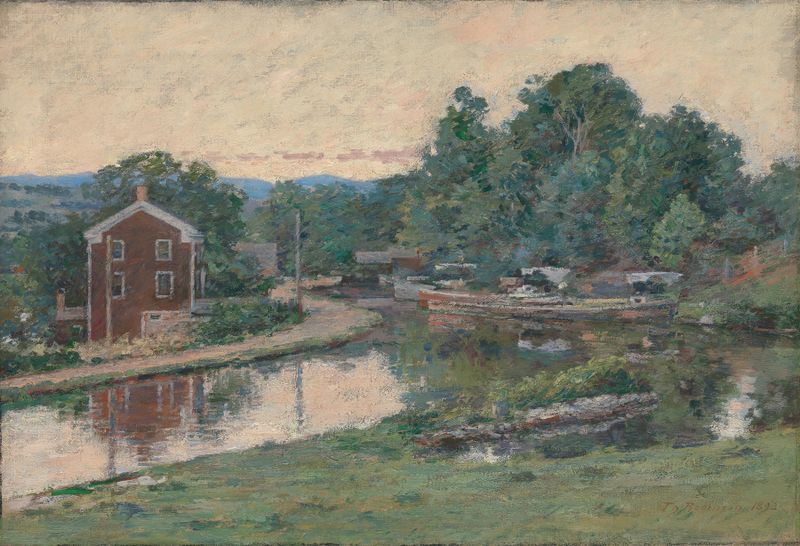
Evening at the Lock, Napanoch, New York
Theodore Robinson
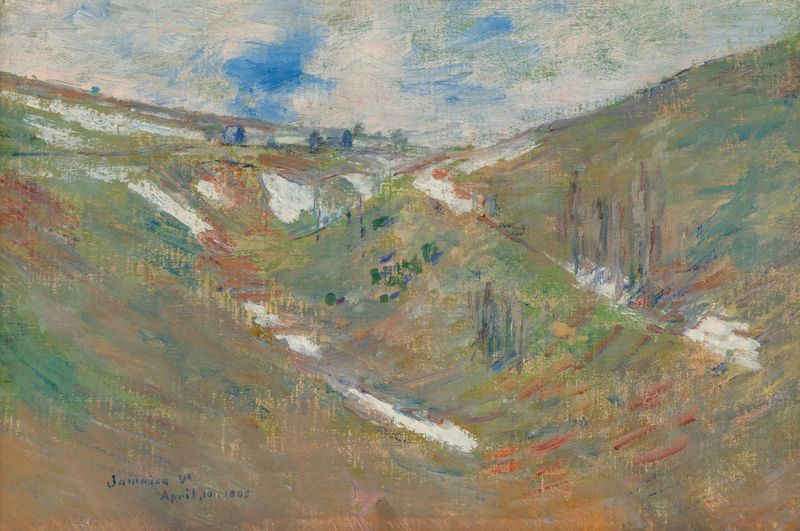
Jamaica, Vermont
Theodore Robinson
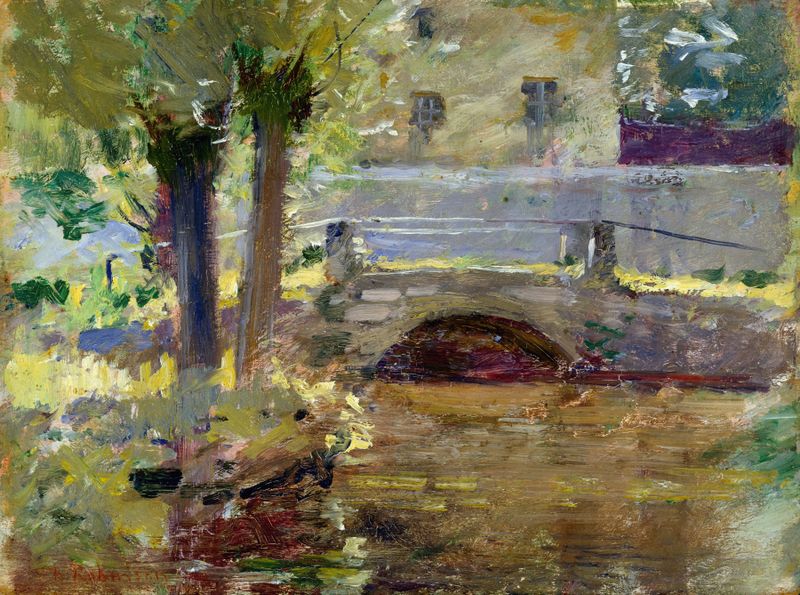
The Bridge at Giverny
Theodore Robinson

House In Virginia
Theodore Robinson
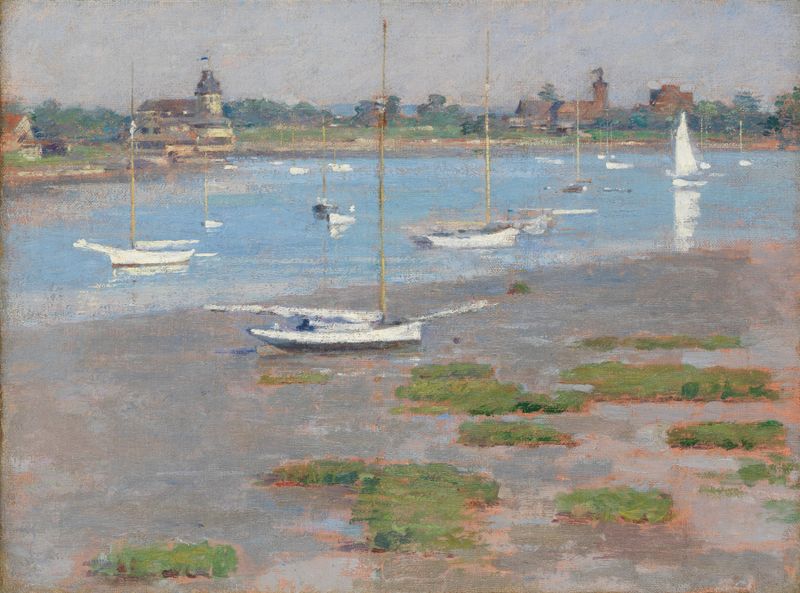
Low Tide, Riverside Yacht Club
Theodore Robinson
More Architecture Art
Browse all →
The statue of Liberty
Frédéric Auguste Bartholdi

View of Houses in Delft, Known as ‘The Little Street’
Johannes Vermeer

View of Houses in Delft, Known as ‘The Little Street’
Johannes Vermeer

The Cathedral in Rouen. The portal, Grey Weather
Claude Monet

The yellow house
Vincent van Gogh

The Church in Auvers-sur-Oise, View from the Chevet
Vincent van Gogh