
Houses by the Riverside — History & Facts
Is this a mirror — or a memory? The tranquil scene whispers of a quiet obsession, a longing for a place that exists both in reality and the mind’s eye. Focus on the gentle ripples of water that reflect the quaint houses along the riverside. The soft hues of blues and greens invite you to linger, while the delicate brushwork creates a serene harmony between the architecture and nature. Notice how the light dances across the surface, illuminating the trees in the foreground and casting elongated shadows that seem to stretch into infinity. In this enigmatic composition, the contrast between the sturdy houses and the fluidity of the water reveals an underlying tension.
The houses, steadfast and rooted, symbolize stability and permanence, while the river embodies the passage of time and ephemeral beauty. This duality speaks to an obsession with both the physical and the fleeting, a desire to capture what cannot be held. Each element, from the vibrant foliage to the stillness of the water, contributes to a narrative that dances on the edge of memory and dream. William Marlow created Houses by the Riverside during an era marked by the rise of romanticism in art, where nature began to be celebrated as a powerful and emotive force.
Working in the late 18th century, Marlow sought to encapsulate the picturesque charm of England, while also grappling with the changing dynamics of urbanization and the natural world. His dedication to capturing such idyllic scenes reflects both personal and cultural obsessions prevalent in his time.
More Artworks by William Marlow
Browse all →
Whitehall
William Marlow
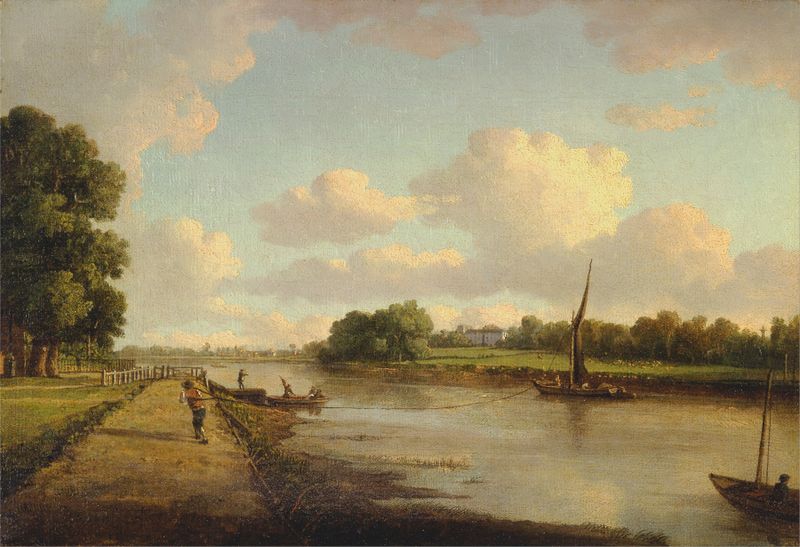
View on the River Thames at Richmond
William Marlow
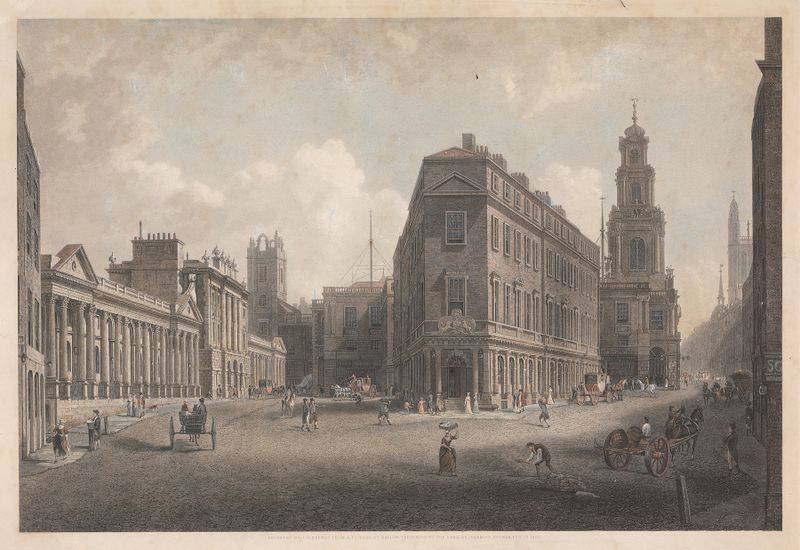
Bank of England Royal Exchange
William Marlow

The Thames At Richmond
William Marlow

The Arno towards the Ponte alle Grigio
William Marlow
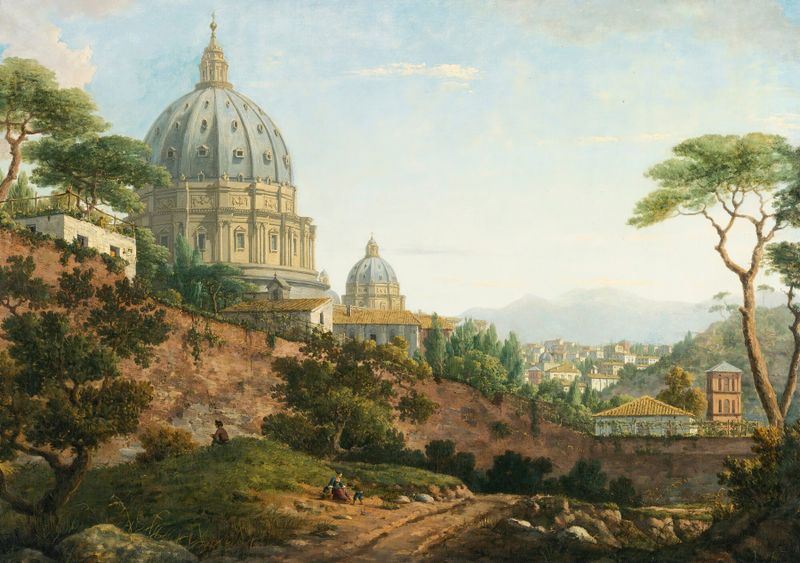
View Of Saint Peter’s, Rome
William Marlow
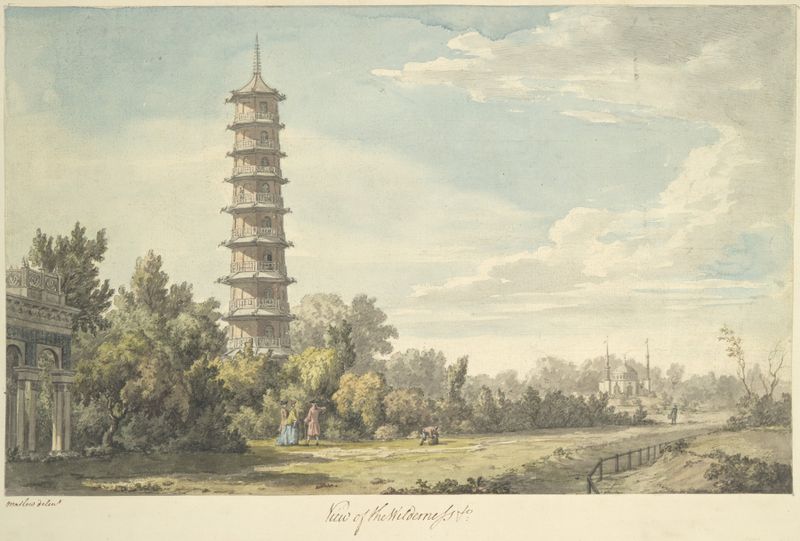
View of the Wilderness at Kew
William Marlow
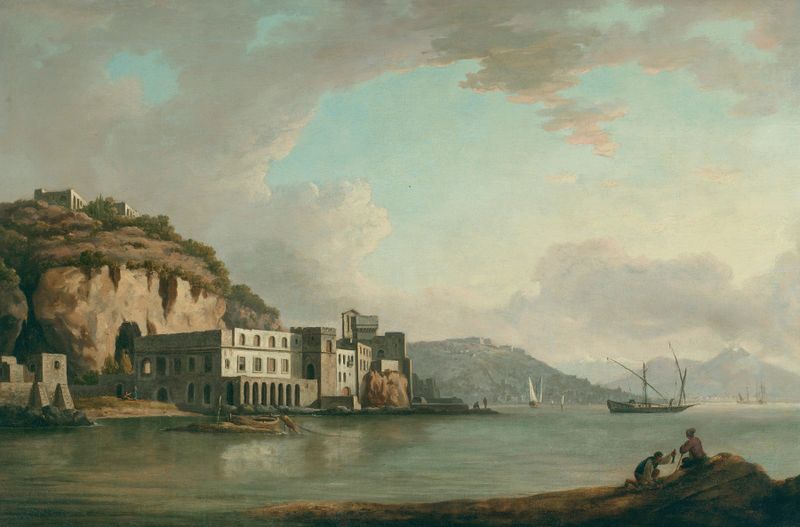
The Bay of Naples with Santa Maria degli Angeli
William Marlow

Nîmes from the Tour Magne
William Marlow
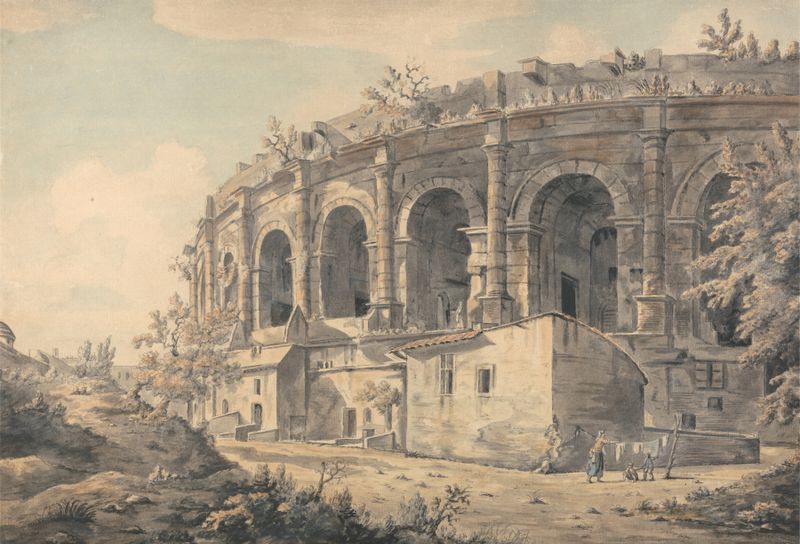
The Amphitheater at Nimes
William Marlow





