
Hove Beach — History & Facts
In the stillness of Hove Beach, we are drawn into a moment suspended between tranquility and violence, where nature’s beauty conceals an underlying tumultuousness. Focus on the horizon, where the expansive sky meets the restless sea. The waves churn beneath a cloud-laden sky, their frothy edges contrasting sharply with the soft hues of the sand. Notice how the muted colors of earth and sea blend seamlessly with the darker, brooding clouds, creating a tension that feels both serene and ominous.
The composition draws your eye across the canvas, as the gentle curve of the beach leads to the distant figures, small and isolated against the vastness. Within this landscape, the juxtaposition of calm and chaos emerges. The peaceful shores invite contemplation, yet the tumultuous sea hints at the violence of nature, stirring an emotional undercurrent. The figures, perhaps leisure seekers, stand at the mercy of the elements, embodying humanity’s fragile existence against the might of the natural world.
This tension invites reflection on the balance between beauty and destruction, suggesting that even in serene moments, danger lurks nearby. Created between 1824 and 1828 during a pivotal period in art history, the artist confronted the shifting tides of Romanticism, as he sought to capture the sublime in nature. Constable’s life was marked by personal struggles and the evolving landscape of English painting; he was finding his voice amid a changing art scene that valued emotional expression and the power of the natural environment.
More Artworks by John Constable
Browse all →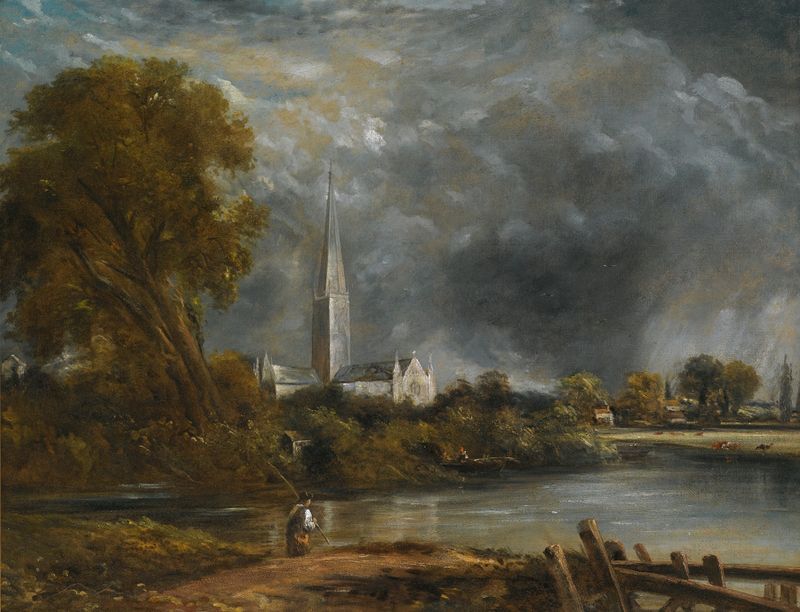
Salisbury Cathedral From The Meadows
John Constable
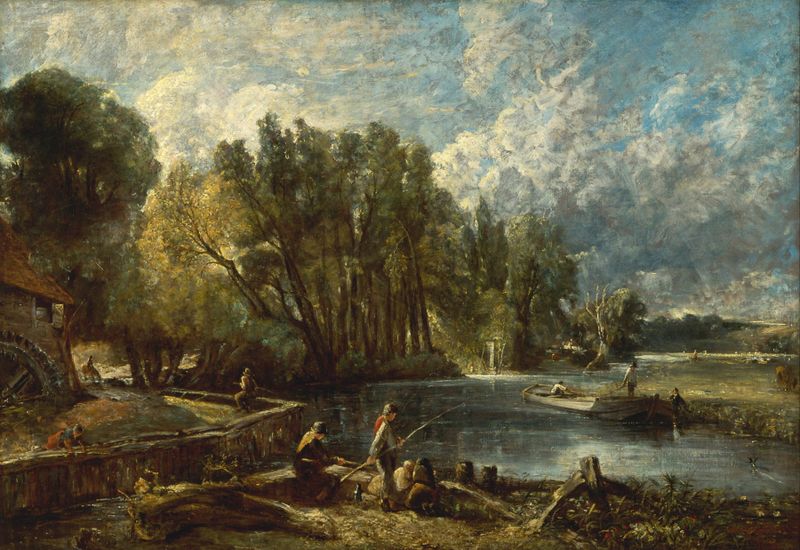
Stratford Mill
John Constable
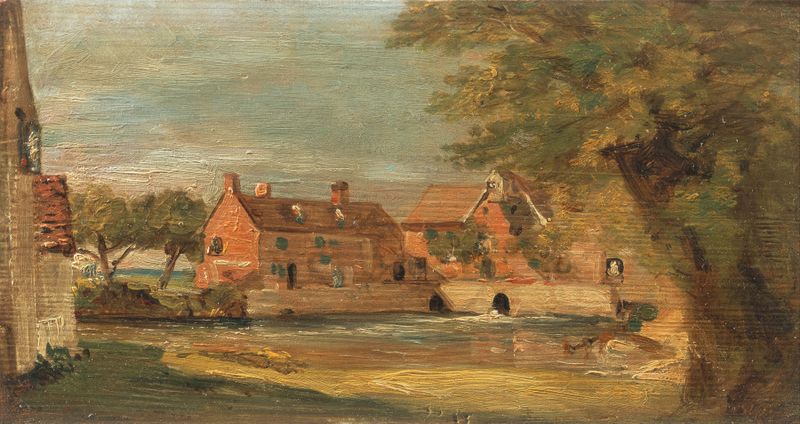
Flatford Mill
John Constable
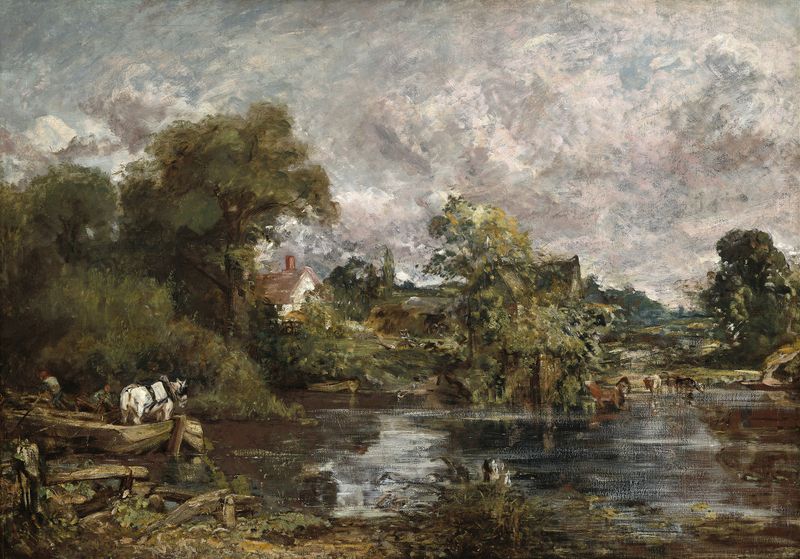
The White Horse
John Constable
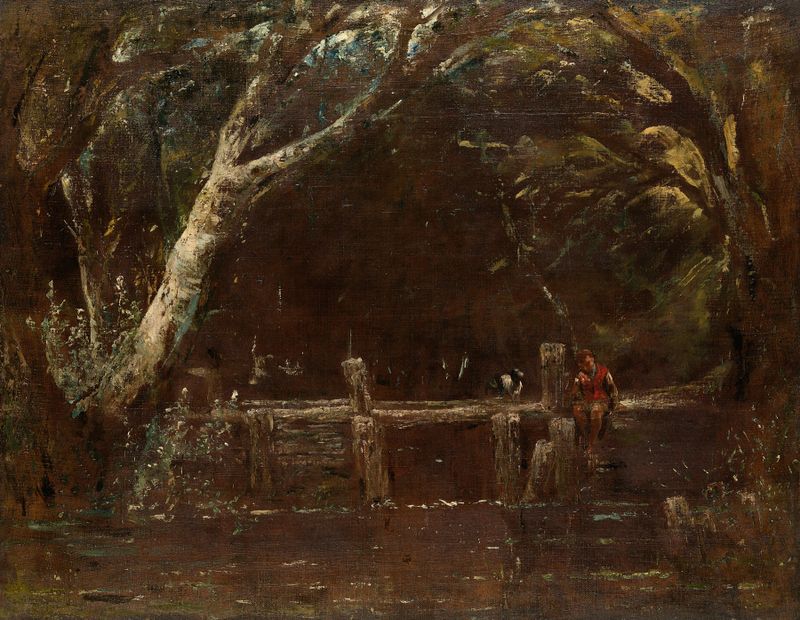
Landscape (The Lock)
John Constable
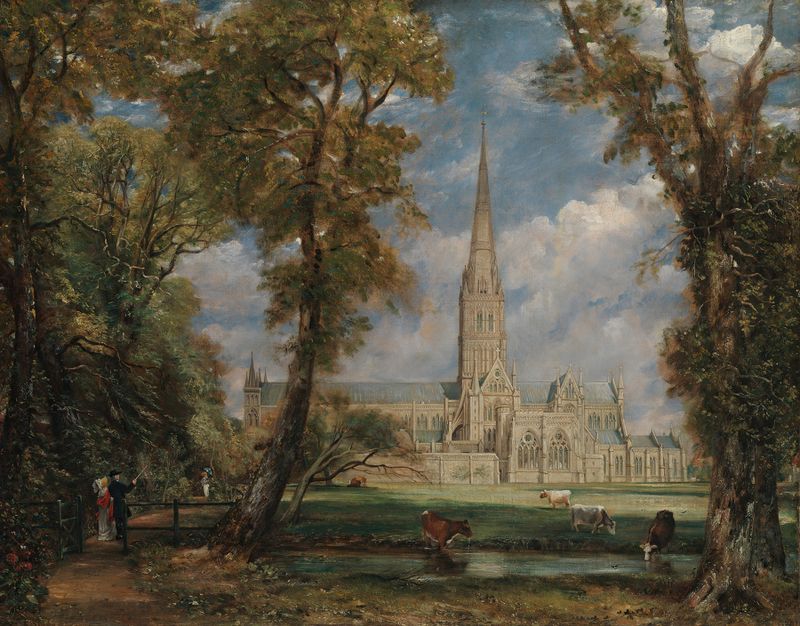
Salisbury Cathedral from the Bishop’s Grounds
John Constable
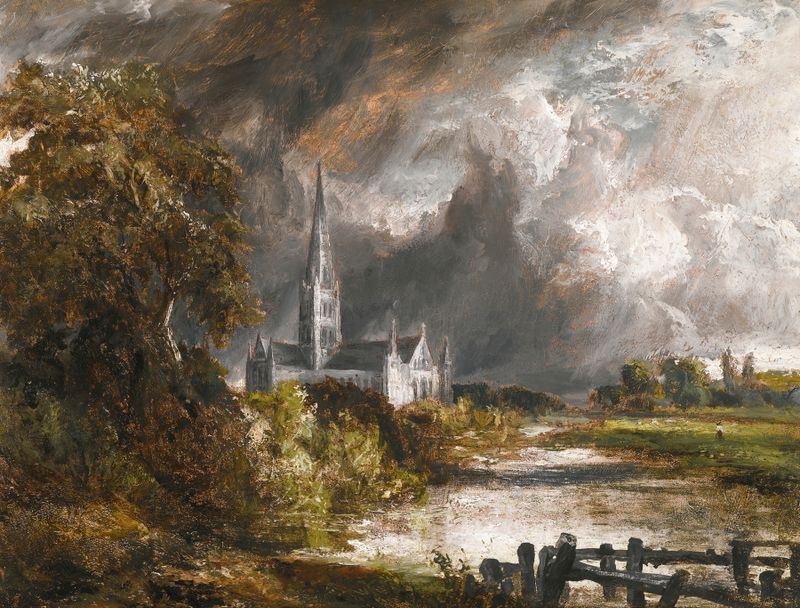
Salisbury Cathedral From The Meadows
John Constable
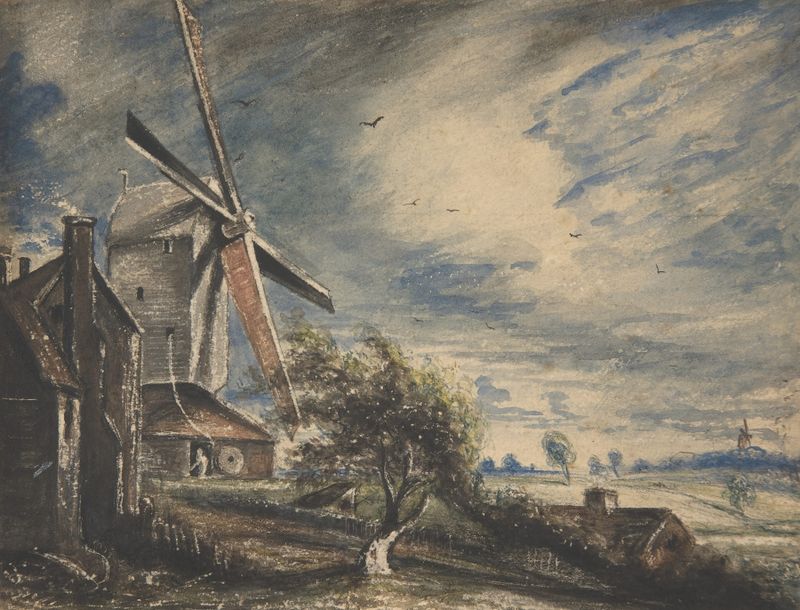
A Mill Near Colchester
John Constable
East Bergholt
John Constable

Flatford Mill
John Constable





