
Huis in de Binckhorst in Den Haag — History & Facts
In the stillness of a solitary house, shadows stretch and echo the weight of solitude. Each corner whispers stories untold, where time has woven itself into the fabric of the walls, leaving only the faintest trace of memory behind. Look to the left, where the gnarled branches of trees lean against the façade, their twisted limbs softly cradling the structure as if attempting to shield it from the world. Notice how the muted palette creates a harmonious blend of greens and browns, highlighting the house’s weathered texture.
The play of light casts delicate patterns across the surface, inviting a moment of reflection. The composition balances the house's isolation with the encroaching natural elements, reminding us of nature's enduring presence, even in desolation. Yet, within this serene depiction lies a deeper resonance—an emotional undercurrent of loneliness that permeates the scene. The distant horizon hints at an expansive world beyond the confines of this dwelling, yet the house remains steadfastly alone.
Each window, dark and uninviting, seems to guard secrets of abandonment, while the gently sloping roof conveys a sense of weariness, as though it has weathered countless storms with grace. This tension between safety and isolation speaks volumes, creating a poignant narrative within a still frame. Willem Adrianus Grondhout painted this evocative landscape between 1888 and 1934, a period marked by personal and artistic exploration. Living in the Netherlands, he was influenced by the changing tides of artistic movements, balancing realism with a touch of introspection.
The world was witnessing a shift towards modernity, yet Grondhout chose to focus on the quietude of everyday life, capturing moments that reflect the complexities of human emotion and solitude.
More Artworks by Willem Adrianus Grondhout
Browse all →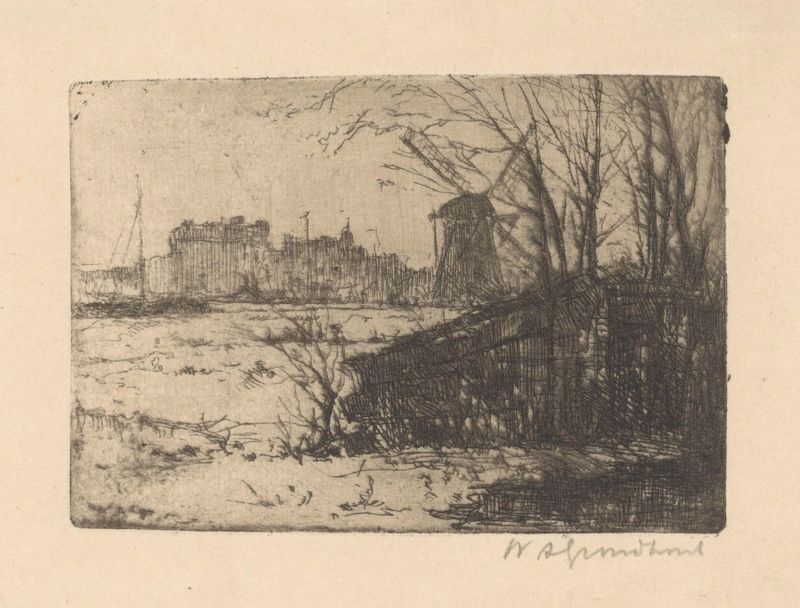
Landschap met molen in de Binckhorst in Den Haag
Willem Adrianus Grondhout
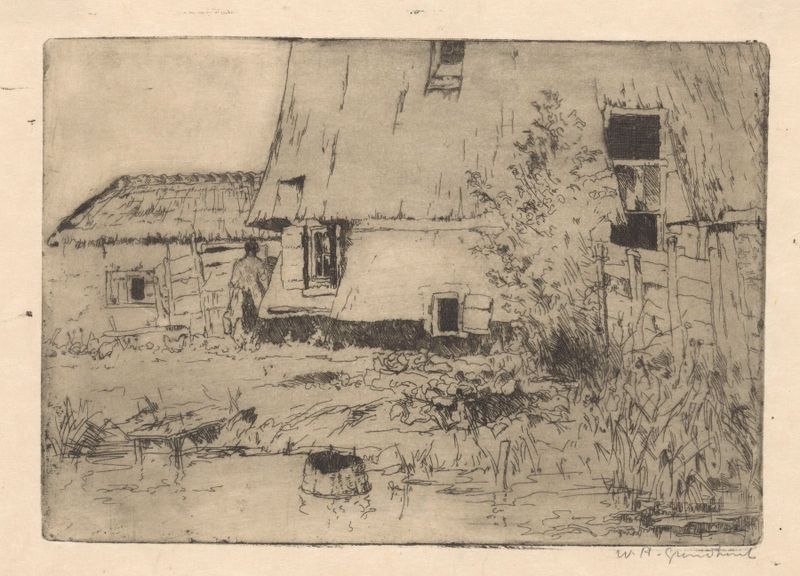
Voet van een molen in Voorburg
Willem Adrianus Grondhout
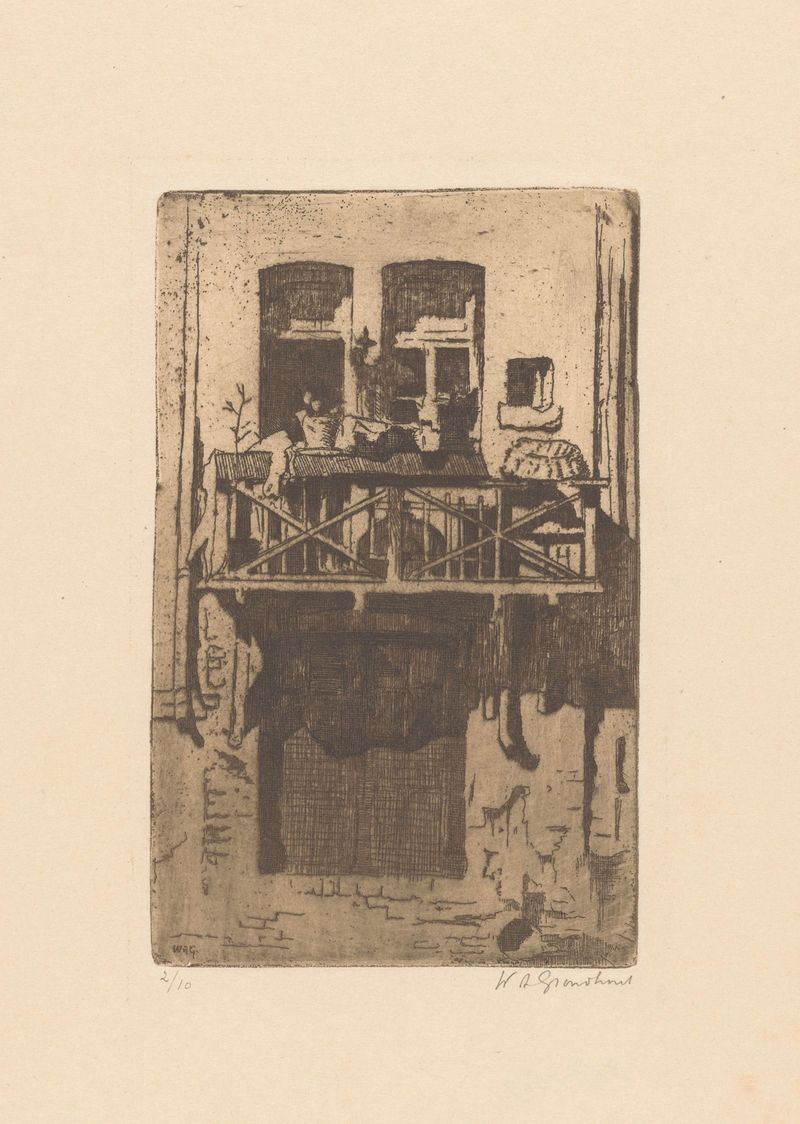
Balkon van een huis aan de Oudezijds Kolk in Amsterdam
Willem Adrianus Grondhout
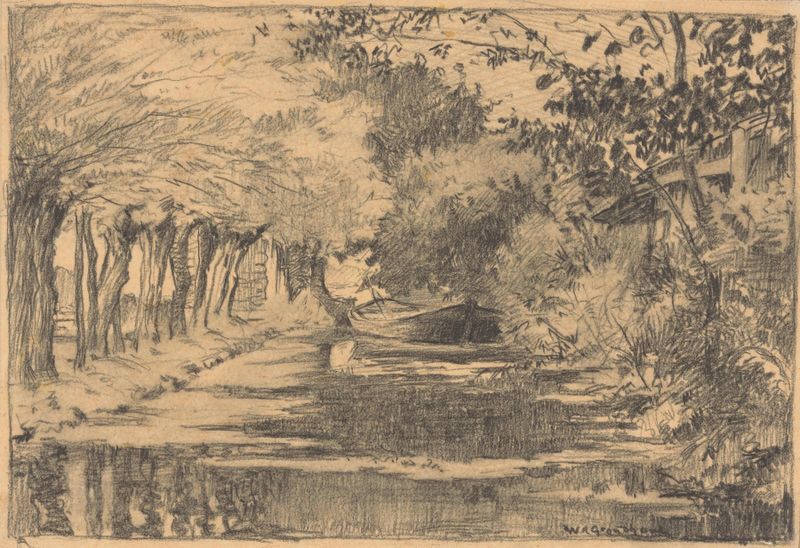
Broeksloot bij Voorburg
Willem Adrianus Grondhout
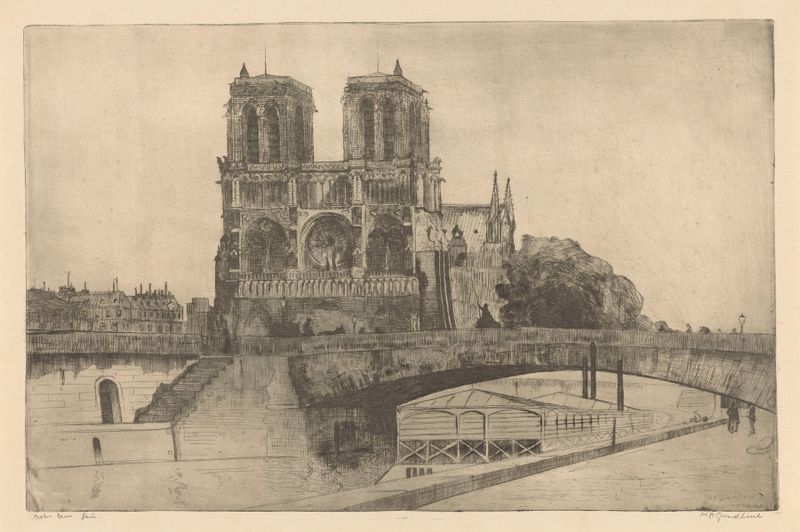
Notre-Dame, Paris
Willem Adrianus Grondhout
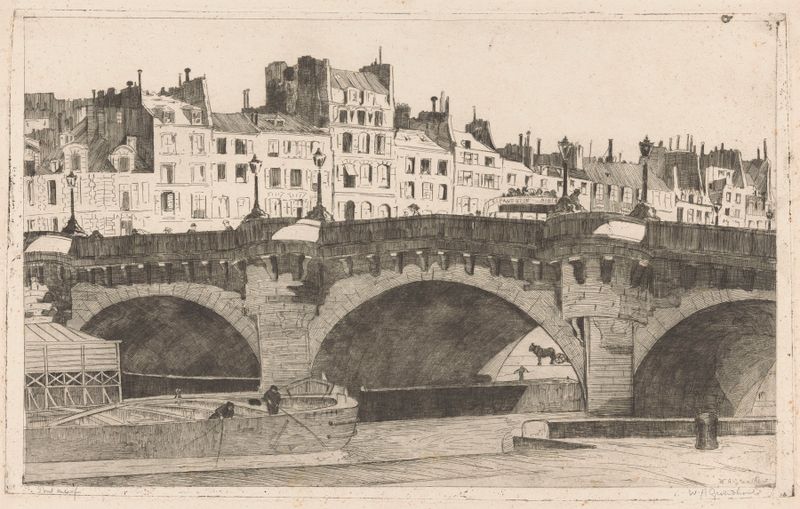
Pont Neuf
Willem Adrianus Grondhout
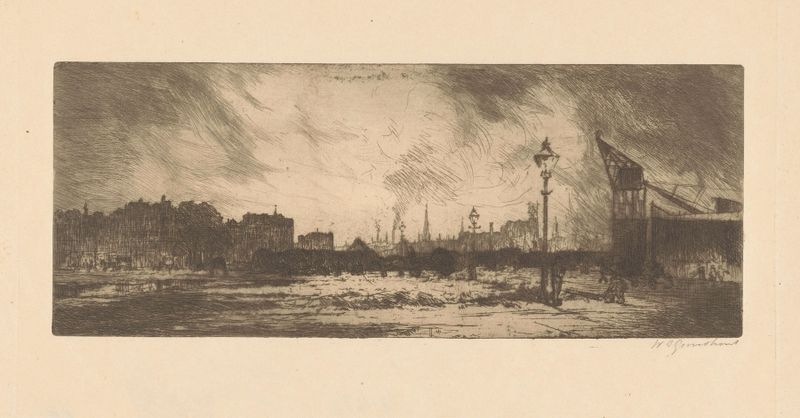
Havenkade met lantaarnpalen in Rotterdam
Willem Adrianus Grondhout
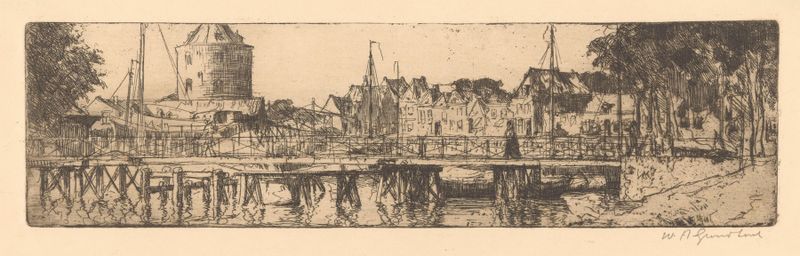
Enkhuizen
Willem Adrianus Grondhout
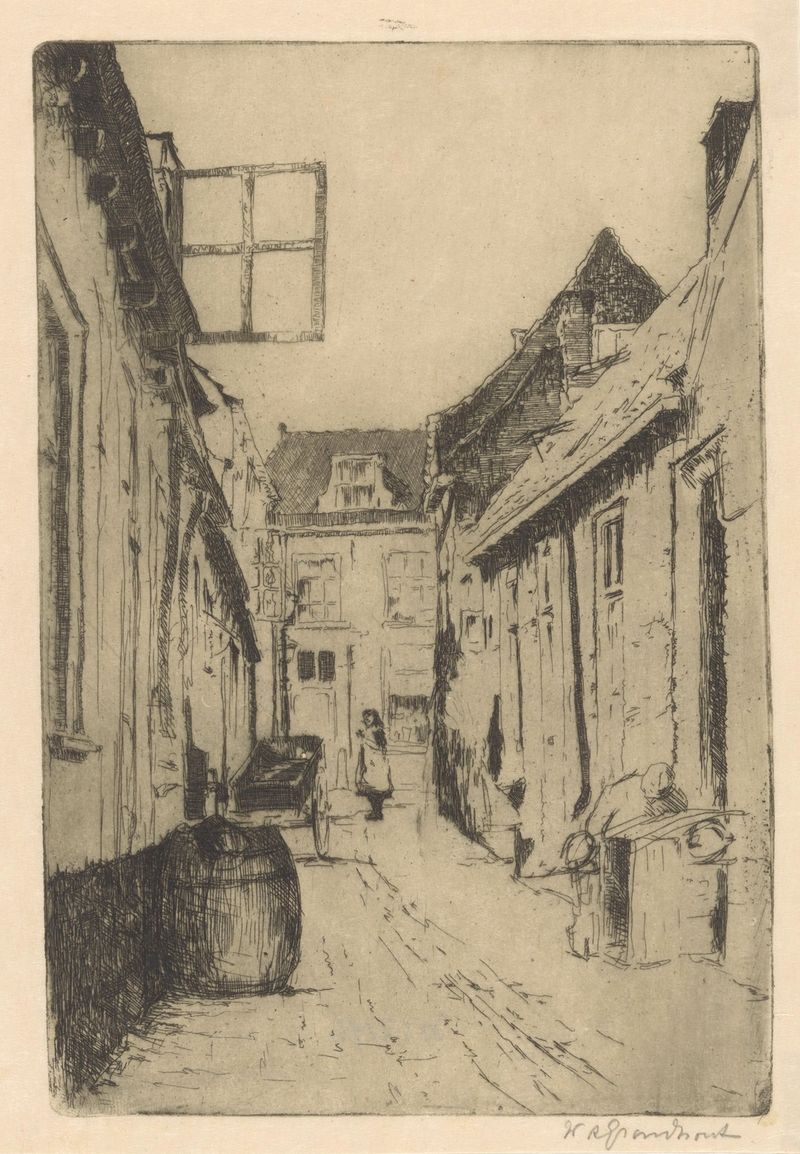
Straatje in Voorburg.
Willem Adrianus Grondhout
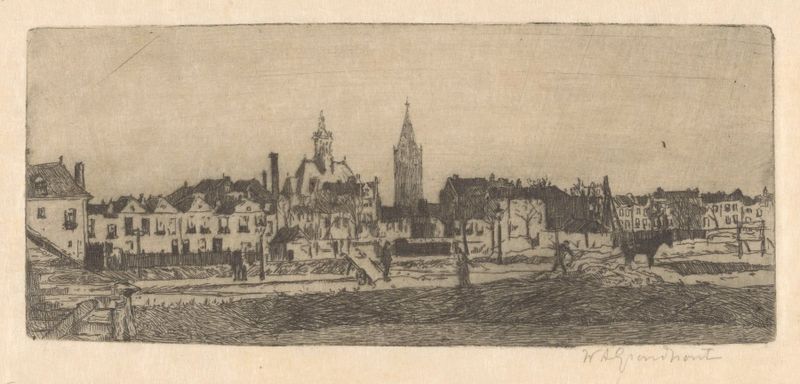
Delft
Willem Adrianus Grondhout





