Hunting bustards — History & Facts
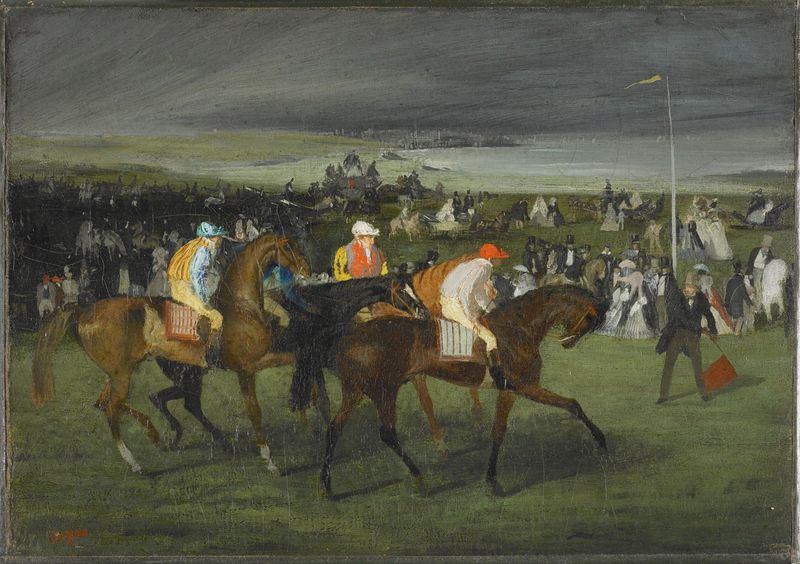
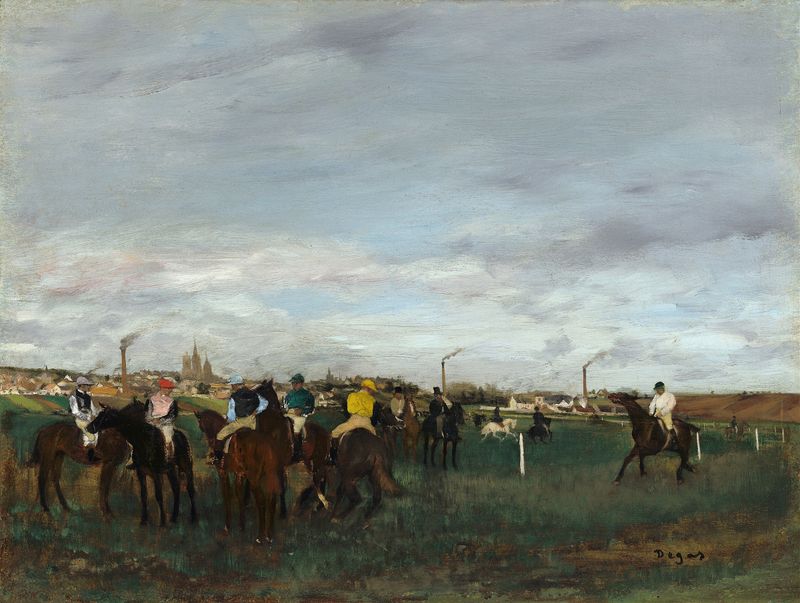
Can beauty exist without sorrow? In the delicate interplay of light and shadow, the illusion of harmony hints at untold stories of loss and longing. Look to the center of the canvas, where the graceful forms of the bustards take flight, their wings stretched wide against an expansive sky. The muted earth tones of the foreground contrast sharply with the ethereal blues and whites above, capturing the moment just before flight—a fleeting instant brimming with potential. Notice how the artist’s careful brushwork defines the feathered textures, each stroke revealing the weightlessness of the birds as they ascend into the vastness, an embodiment of freedom and fragility. Yet, beneath this picturesque scene, a haunting tension simmers.
The birds, while alive with motion, hint at the darker realities of their existence, a reminder of nature's relentless cycle of survival. The expansive sky, though beautiful, can also feel isolating, suggesting an impending solitude that resonates with the viewer. This juxtaposition of soaring joy against the backdrop of lurking danger gives rise to a complex emotional landscape, one where the beauty of flight is intertwined with the unrelenting pursuit of survival. Wyczółkowski painted this work between 1883 and 1894 during a time of personal exploration and deepening engagement with natural subjects.
Living in Poland, he sought to capture the essence of his homeland's wildlife, reflecting both its beauty and its inherent struggles. The late 19th century was a period of artistic innovation, marked by the rise of realism and impressionism, and his approach merged these movements, infusing a sense of immediacy and emotional depth into his observations of nature.
More Artworks by Leon Wyczółkowski
Browse all →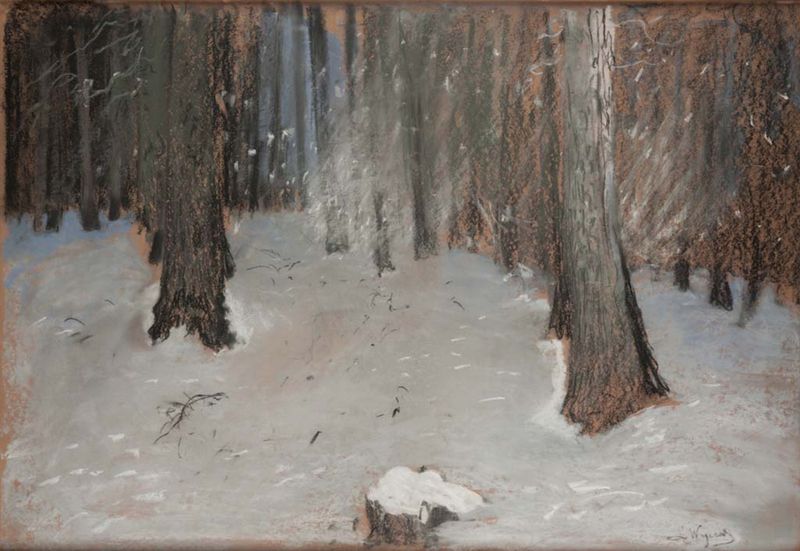
Las zimą
Leon Wyczółkowski
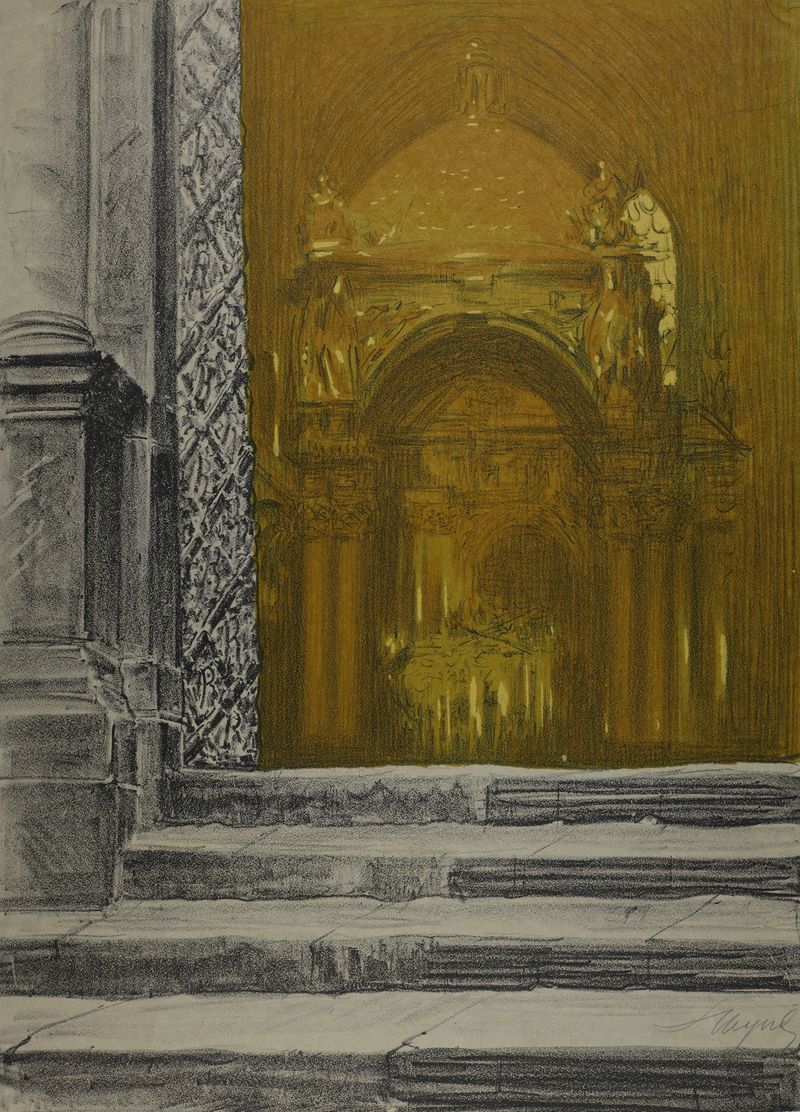
Saint Stanislaus
Leon Wyczółkowski
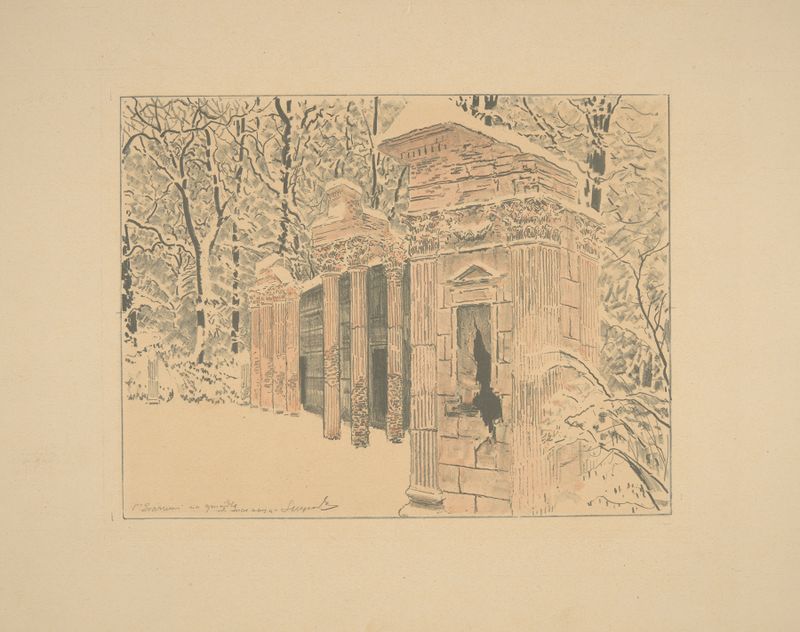
Amfiteatr w Łazienkach pod śniegiem (strona prawa)
Leon Wyczółkowski
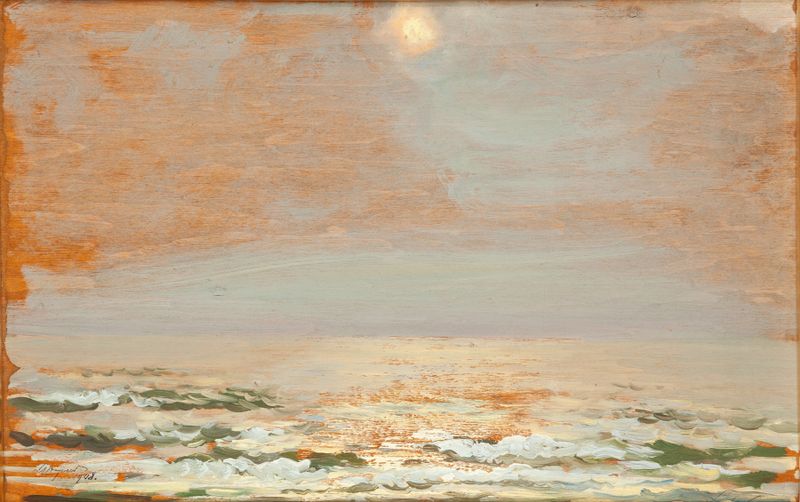
Sea at Połąga IV
Leon Wyczółkowski
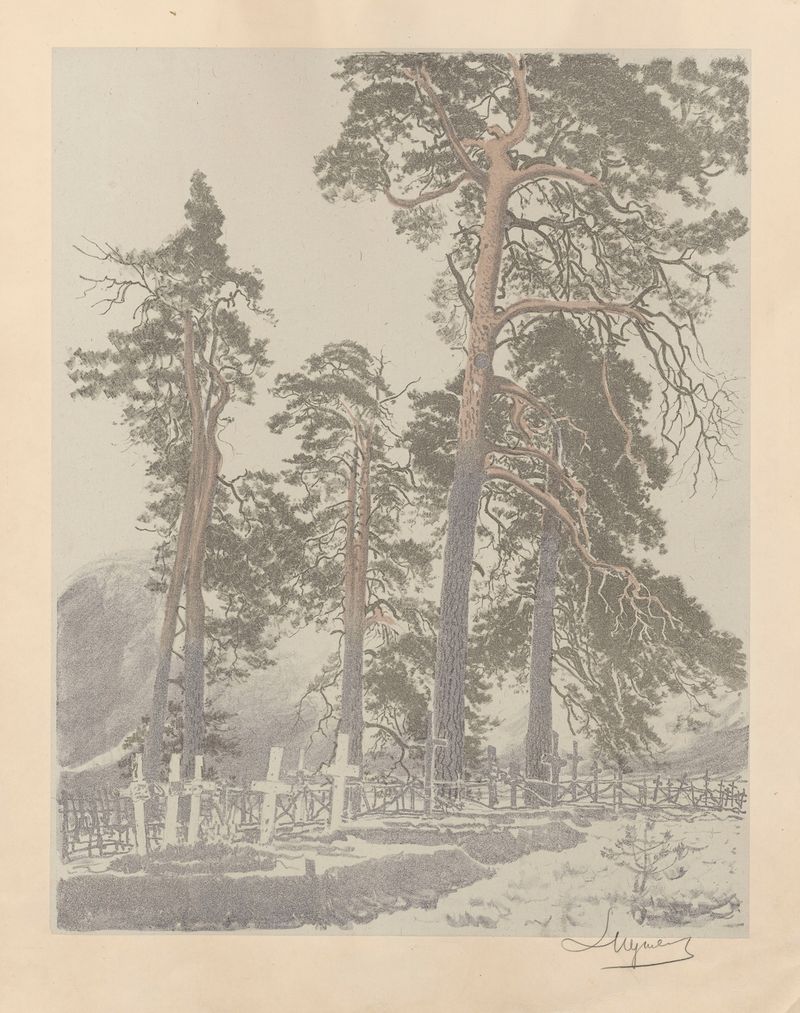
Cemetery in Vowchick
Leon Wyczółkowski
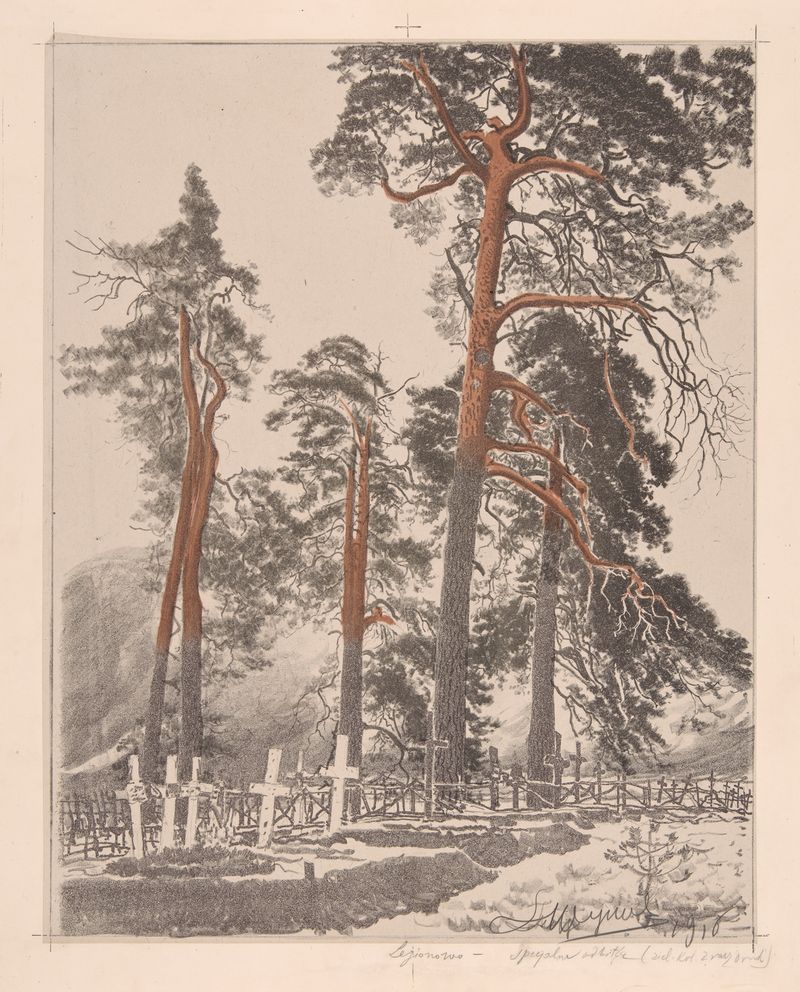
The Wołczecko cemetery
Leon Wyczółkowski
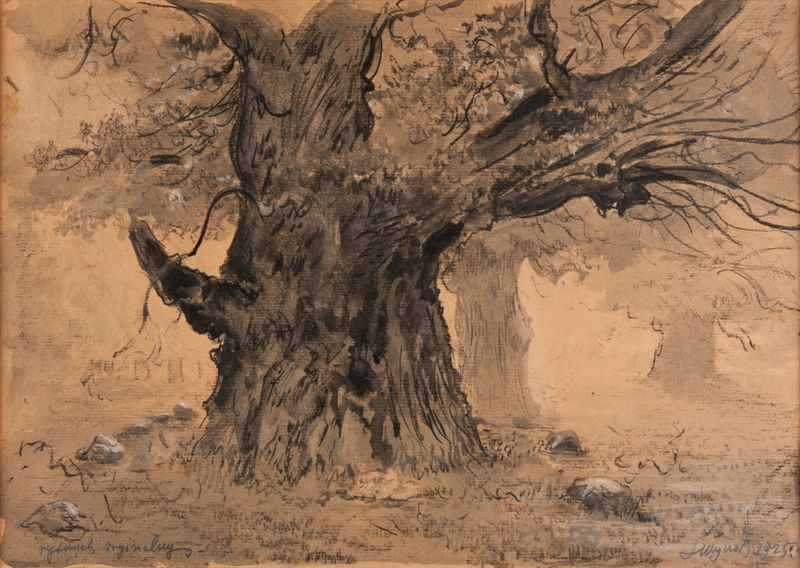
Rogalin Oaks
Leon Wyczółkowski
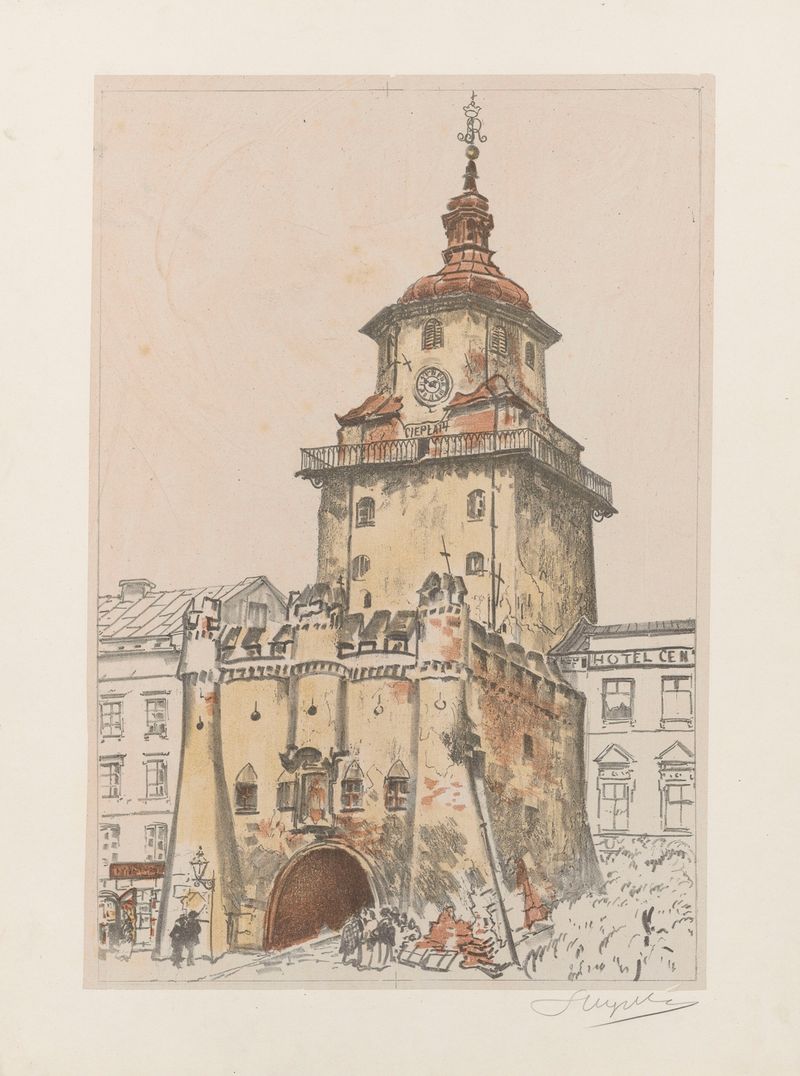
The Krakow Gate in Lublin, in summer
Leon Wyczółkowski
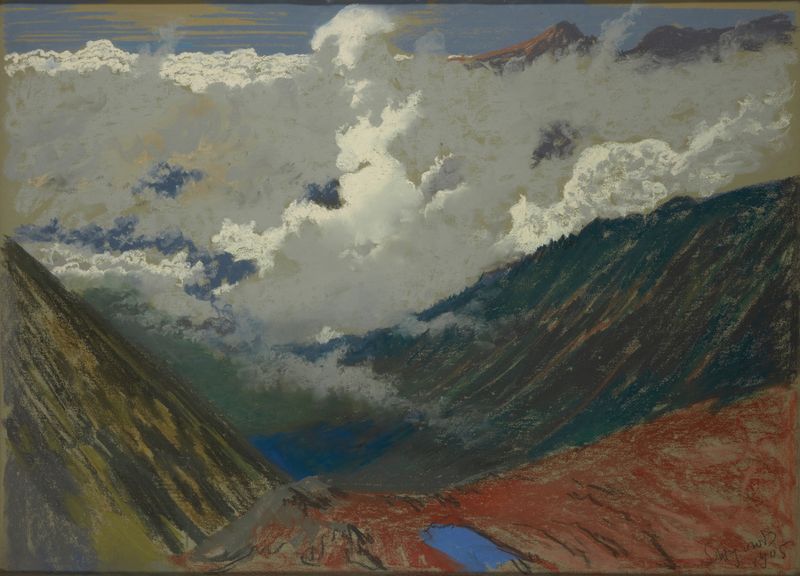
U Wrót Chałubińskiego
Leon Wyczółkowski
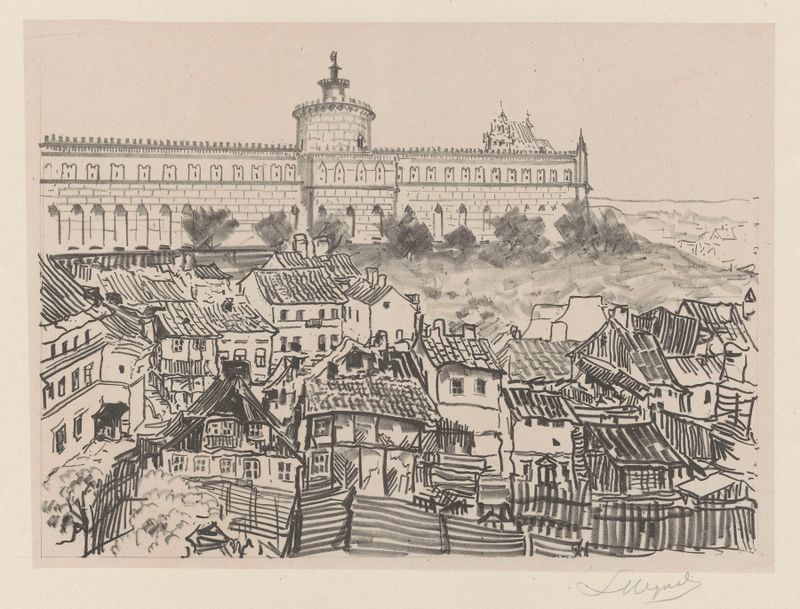
Castle and the Jewish quarter
Leon Wyczółkowski