Street scene — History & Facts
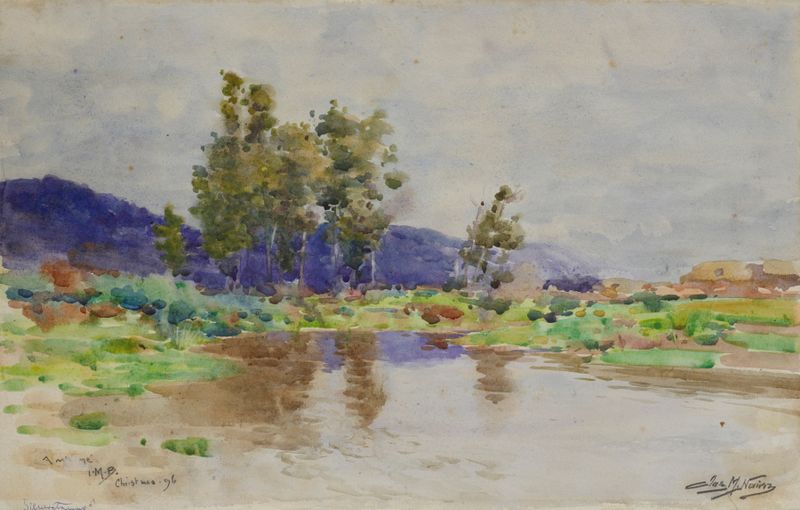
When did color learn to lie? In the silent conversation of shadows and hues, a melancholy truth lingers just beneath the surface, waiting for the discerning eye to unearth it. First, look to the left at the streaks of deep violet that sweep across the canvas, embracing the facades of the buildings. The brushwork is loose yet deliberate, each stroke exuding a sense of intimacy with the scene. Notice how the muted yellows and muted grays harmonize, invoking a somber atmosphere where the light struggles to break through, casting elongated shadows that seem to whisper secrets of the past. Upon closer inspection, you may find subtle contrasts that speak volumes: the vibrancy of a lone flowerpot clinging to a window ledge, a small beacon of life amidst an otherwise deserted street, its rich color echoing the isolation felt within the urban architecture.
The juxtaposition of deserted pathways and the carefully arranged elements reveals a world brimming with stories waiting to unfold, a poignant reminder of the solitude inherent in city life. James Nairn painted this piece at an uncertain time, likely in the early 20th century, amidst the backdrop of shifting artistic movements. As a member of the Glasgow Boys, he sought to blend traditional techniques with the burgeoning modernist influences of the time, all while navigating his own personal struggles and the evolving landscape of art. Street scene captures not just a moment, but the essence of an era marked by transformation and introspection.