I. Dr. Karl Lueger-Platz — History & Facts
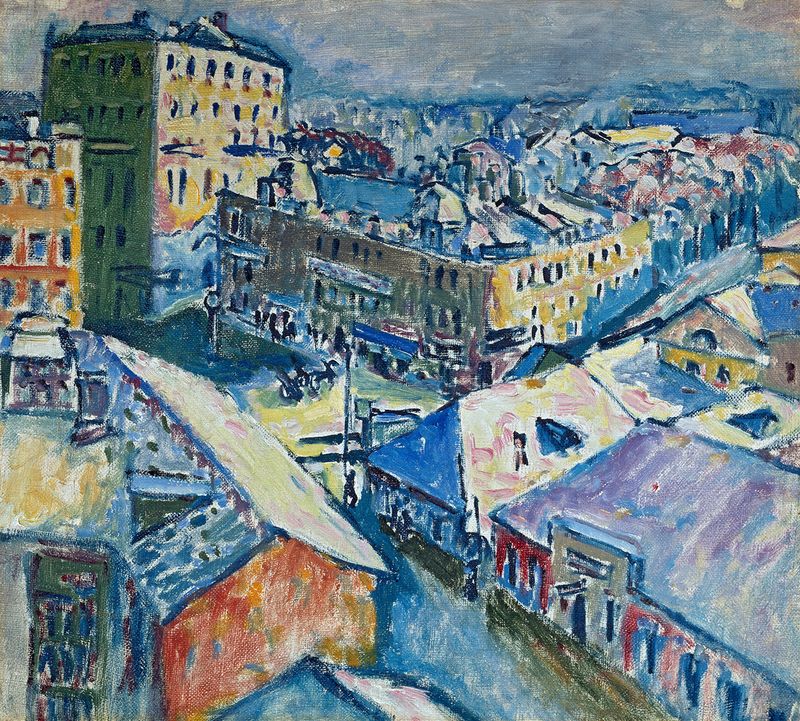
In a world often overshadowed by the weight of the present, art stands as a fragile vessel of dreams and memories, beckoning us to pause and reflect. Look to the center of the canvas, where a soft interplay of muted colors leads the eye to the focal point: a vacant square that seems to echo the silence of a forgotten place. Surrounding it, blurred outlines of figures emerge, their forms fading into the depths of a dreamlike haze. The brushwork is both tender and deliberate, with strokes that invite a sense of nostalgia while hinting at the weight of history.
Notice how the light dances across the surface, casting shadows that evoke a quiet melancholy, suggesting stories untold. Beneath the surface, the painting speaks of dualities: the charm of urban life contrasted with the void left by absence. Each figure, though indistinct, represents the collective memory of a city grappling with its identity—lost in the march of time. The empty square stands not just as a physical space, but as a metaphor for longing and the fleeting nature of existence, inviting viewers to contemplate what remains when the vibrancy of life fades. In 1942, during a turbulent period marked by World War II, the artist created this piece in Vienna, a city rife with political and social upheaval.
Laske was deeply influenced by the shifting realities around him, both personally and artistically, as he navigated the complexities of a world on the brink of transformation. The work encapsulates the essence of an era, reflecting both the artist’s internal struggles and the broader narrative of a city in flux.
More Artworks by Oskar Laske
Browse all →
Faschingsumzug am Stock im Eisen Platz
Oskar Laske

Schönbrunn (Winter)
Oskar Laske
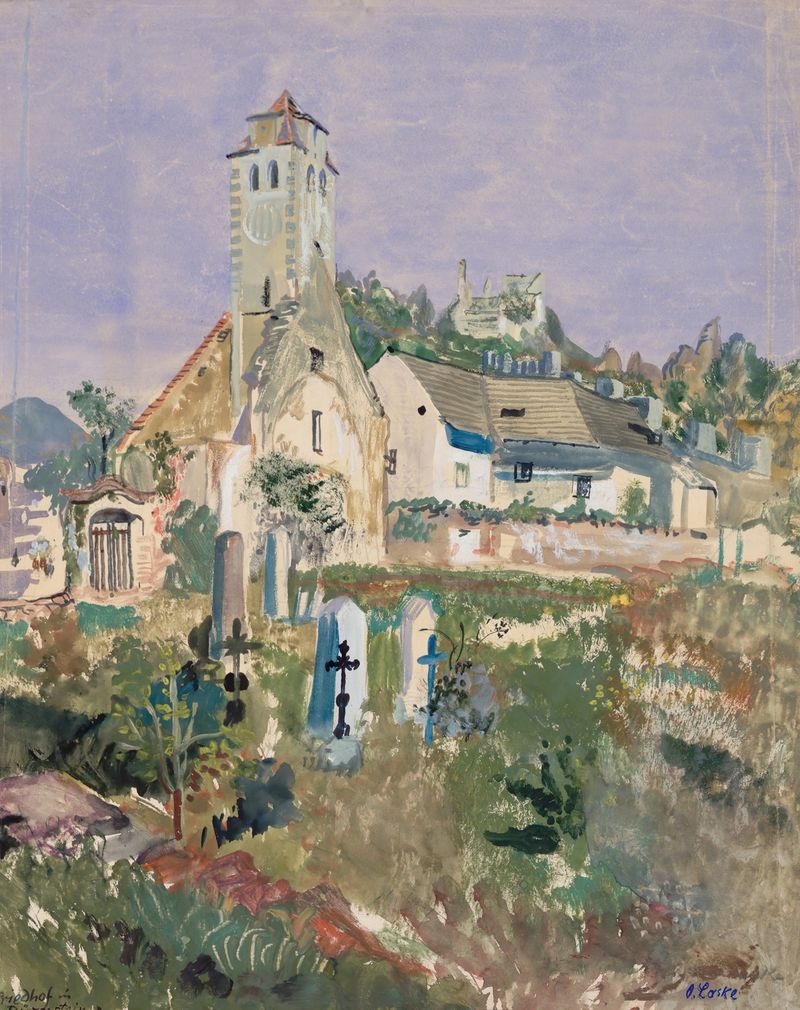
Friedhof in Dürnstein
Oskar Laske

Pratermotiv an der alten Donau
Oskar Laske

Frühjahrsnebel in Niederösterreich
Oskar Laske

Begräbnis des Wiener Bürgermeisters Dr. Karl Lueger
Oskar Laske

Maria Theresien-Denkmal mit Blick gegen das Burgtor
Oskar Laske
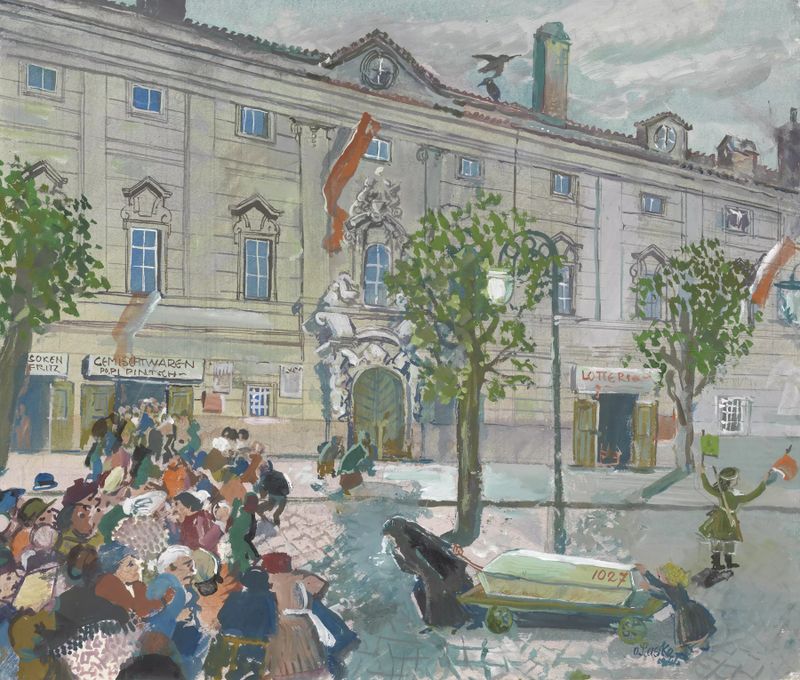
Wiener Straßenbild vom Mai 1945
Oskar Laske

Winterlandschaft in Pressbaum
Oskar Laske

Ansicht von Positano
Oskar Laske