
Idle Cove — History & Facts
What if silence could speak through light? In the stillness of Idle Cove, a serene balance unfolds, inviting us to consider the harmony inherent in nature’s quiet moments. Look to the left at the gentle curve of the cove, where muted greens blend perfectly with soft blues. The delicate interplay of light bathes the tranquil water, creating a shimmering reflection that invites the eye to wander. Notice how the brushstrokes evoke texture in the trees, their leaves whispering secrets to the wind, while the distant horizon remains hazy, urging deeper contemplation. The emotional tension in this piece lies in the contrast between the vibrant life of the foreground and the tranquil expanse beyond.
The vibrant foliage suggests energy, yet the calm waters embody serenity, urging the viewer to pause. This balance serves as a reminder of the coexistence of chaos and peace, illustrating how nature can evoke a profound sense of stillness amidst the busyness of life. Ernest Haskell created Idle Cove in 1921, during a time when American art was beginning to embrace modernism while still holding onto its impressionist roots. Living in New England, he was surrounded by the beauty of the coastal landscape, which greatly influenced his work.
In this period, artists were exploring new ways to capture the essence of their environment, and Haskell’s deliberate brushwork and use of light reflect this evolving artistic dialogue.
More Artworks by Ernest Haskell
Browse all →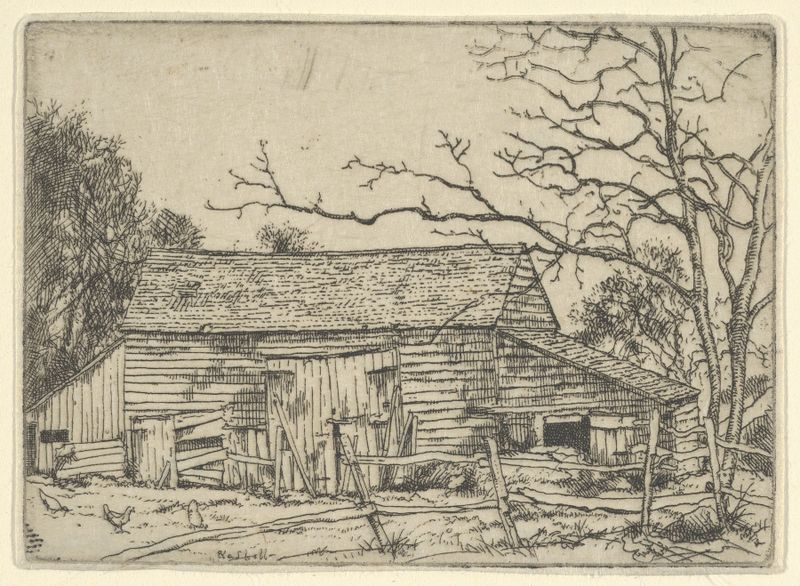
The Barn–Staten Island, N.Y.
Ernest Haskell

Four Live Oaks
Ernest Haskell
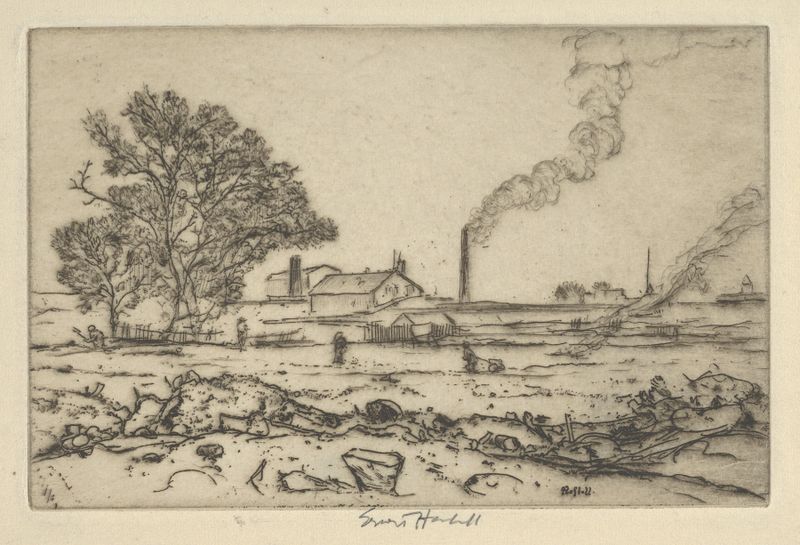
Outskirts of Boston
Ernest Haskell
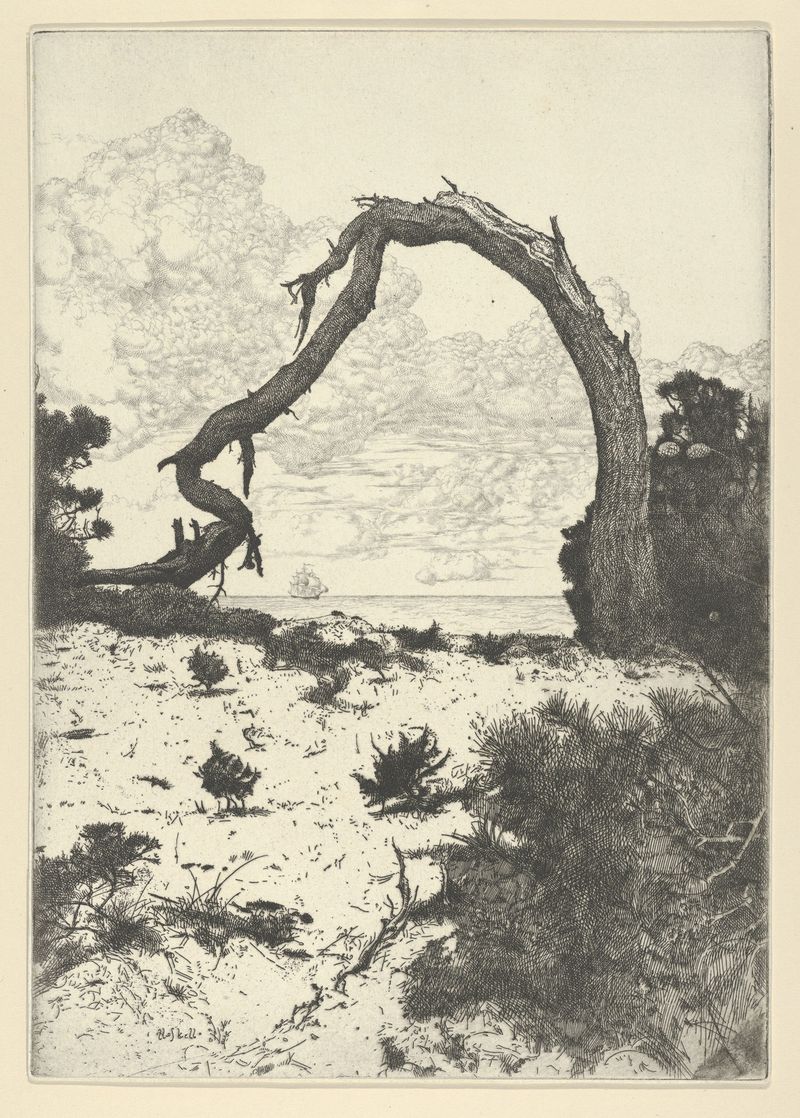
Pine Arch
Ernest Haskell

General Sherman
Ernest Haskell
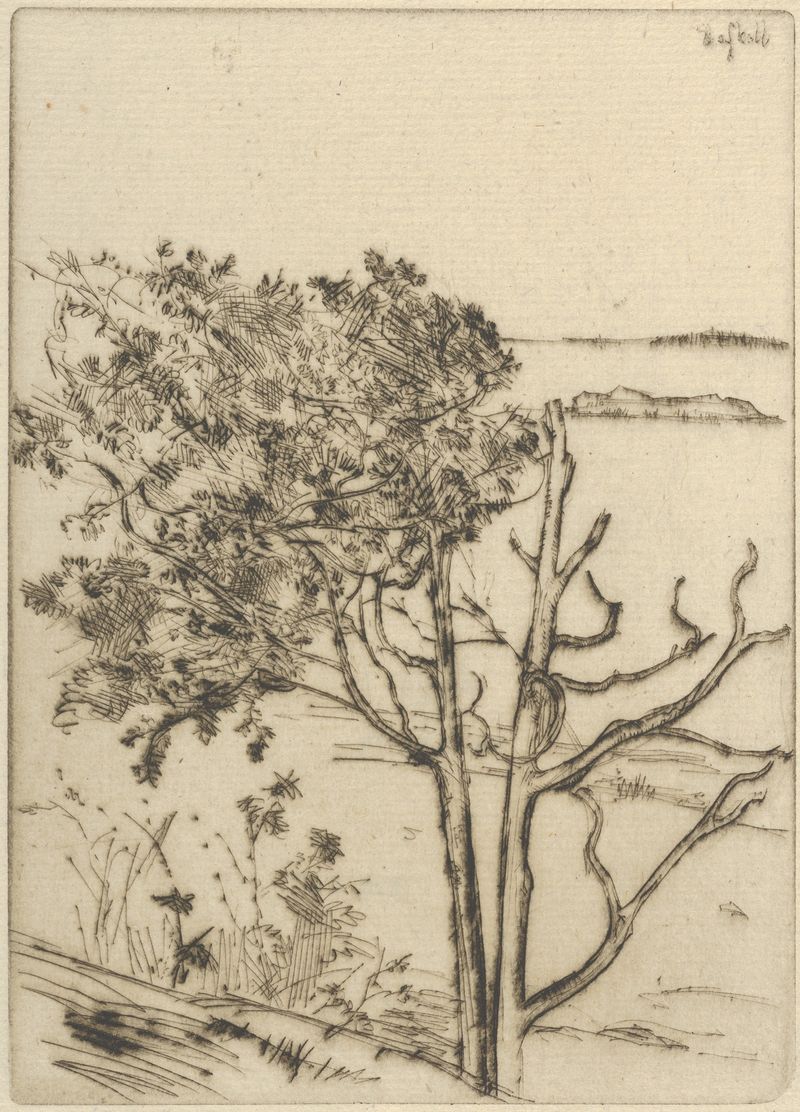
Ragged Tree – Maine
Ernest Haskell

Tide Mill
Ernest Haskell

Ship Building
Ernest Haskell
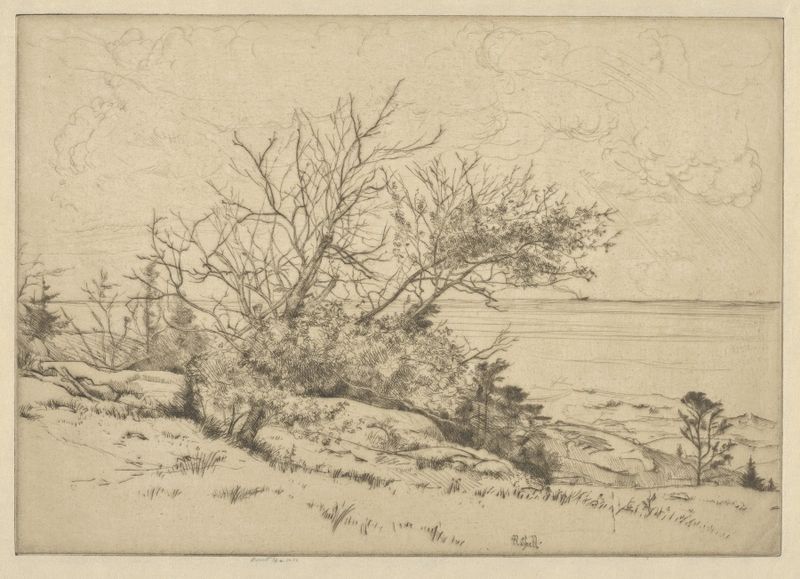
To the Southward – Ragged Island, Me.
Ernest Haskell
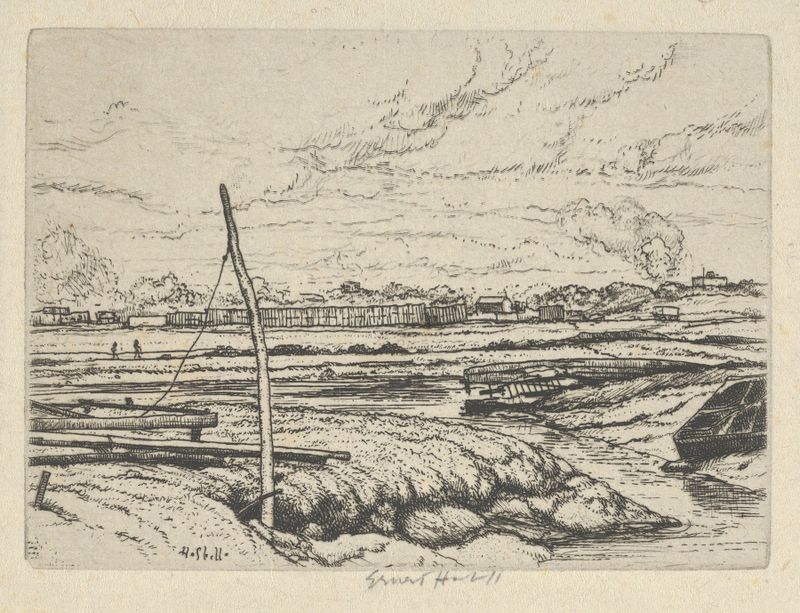
Long Island Marshes
Ernest Haskell





