
Illustrated Story of Children (Koyasu monogatari) in Two Volumes — History & Facts
In the tender embrace of art, reflections on childhood and innocence come to life in ways that words alone cannot capture. As we dive into this illustrated story, we find ourselves wrapped in layers of vivid imagery and deep emotion, each stroke resonating with echoes of laughter, play, and the ephemeral nature of youth. Turn your gaze to the left, where playful children are depicted in exuberant motion, their expressions a blend of curiosity and joy. Notice how the masterful use of color — soft pastels juxtaposed with deeper earth tones — draws your eye, creating a sense of harmony.
The intricate details, from the delicate patterns on their clothing to the gentle swirls of the landscape, invite contemplation, while the subtle light softly illuminating the scene brings a sense of warmth and nostalgia. Hidden within the narrative lies a poignant contrast: the fleeting moments of childhood captured against the backdrop of the Edo period's evolving society. The children, carefree in their play, represent a stark juxtaposition to the rigid expectations and responsibilities awaiting them in adulthood. Each figure, though vibrant and alive, hints at a future where the simplicity of joy may be exchanged for complexity and restraint. Created in the 1650s during Japan’s Edo period, the artist portrayed these scenes in a time when art was flourishing, reflecting societal changes and the rise of the merchant class.
Nonoguchi Ryūho, like many of his contemporaries, grappled with the balance between tradition and innovation, blending a deep respect for cultural heritage with a desire to depict the evolving human experience. These illustrated stories serve as a bridge between generations, a reminder of the beauty in simplicity and the passage of time.
More Artworks by Nonoguchi Ryūho
Browse all →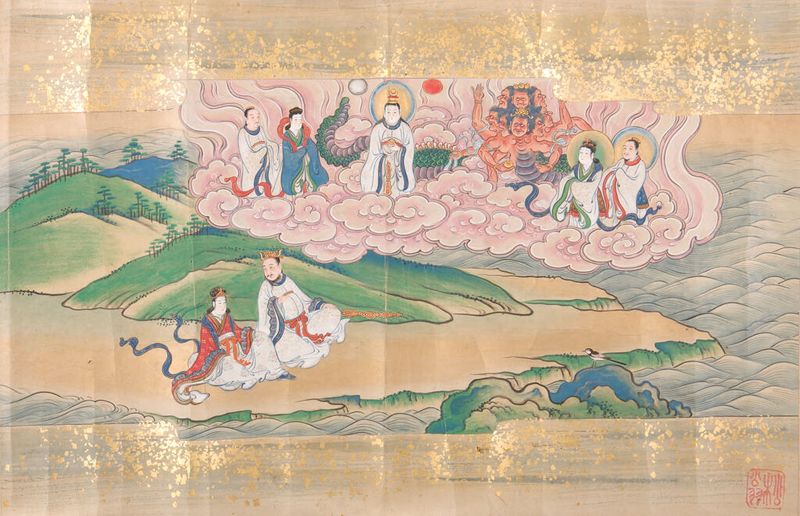
More Illustration Art
Browse all →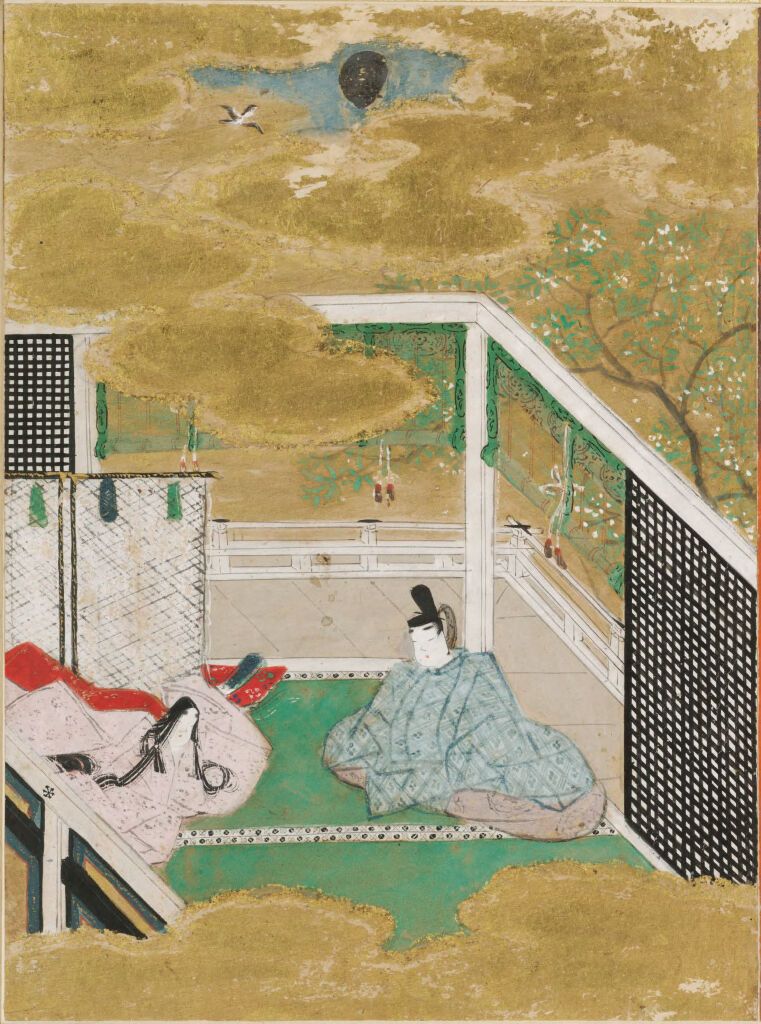
Falling Flowers (Hanachirusato), Illustration to Chapter 11 of the Tale of Genji (Genji monogatari)
Tosa Mitsunobu
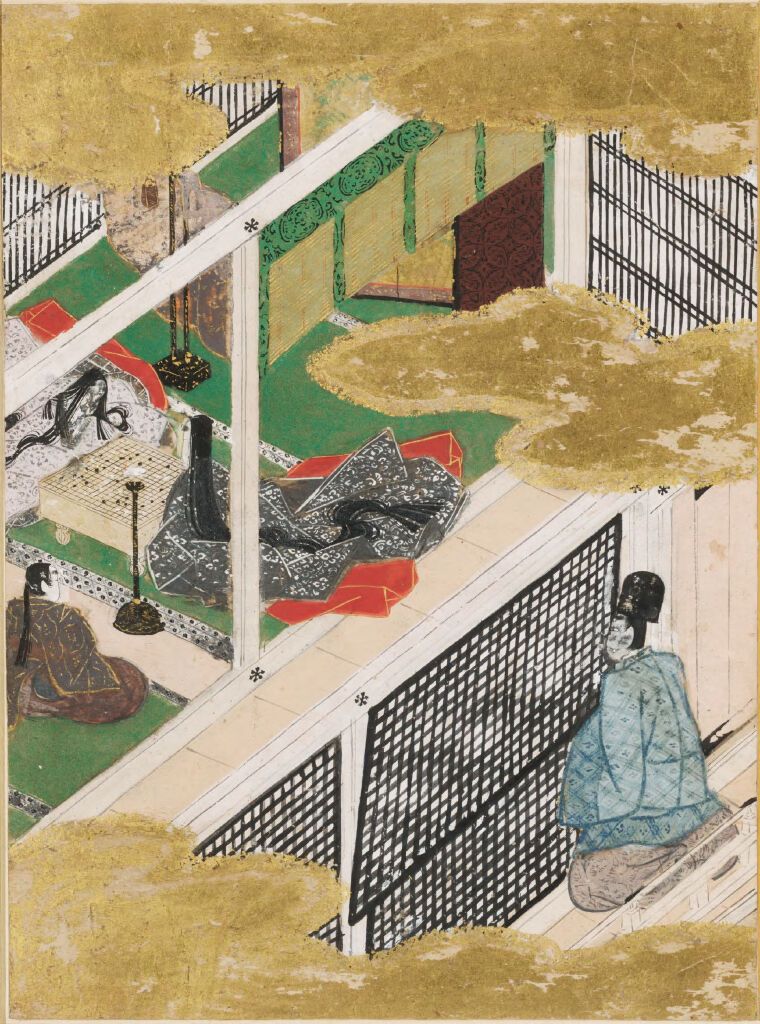
The Cicada Shell (Utsusemi), Illustration to Chapter 3 of the Tale of Genji (Genji monogatari)
Tosa Mitsunobu
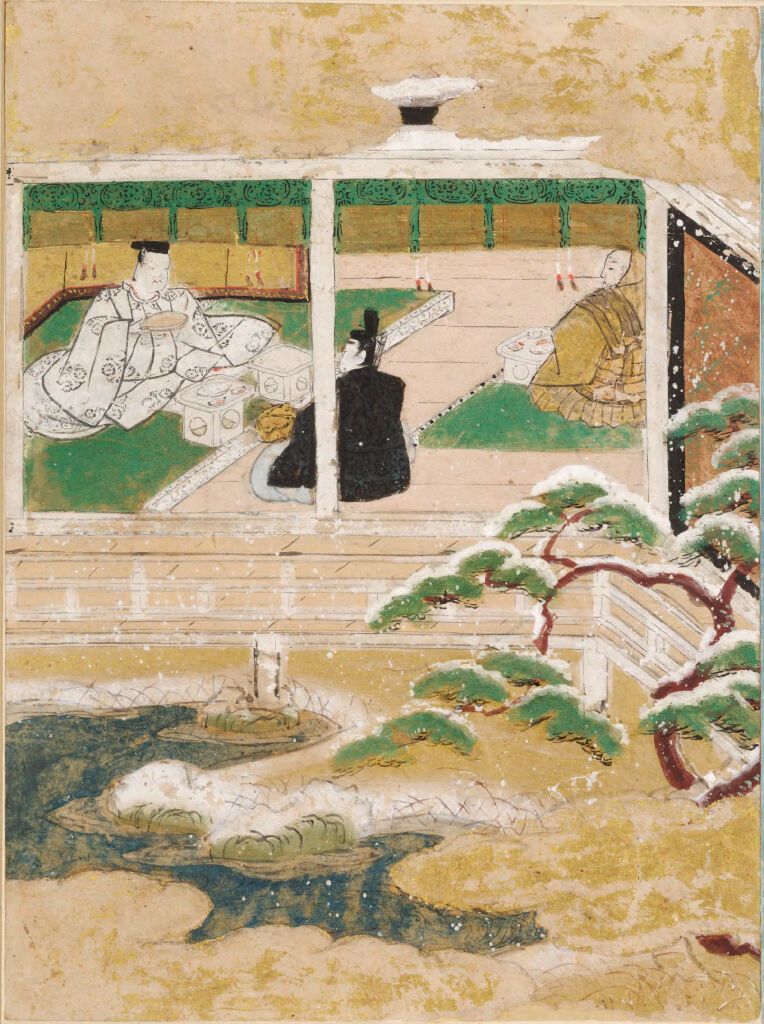
The Seer (Maboroshi), Illustration to Chapter 41 of the Tale of Genji (Genji monogatari)
Tosa Mitsunobu
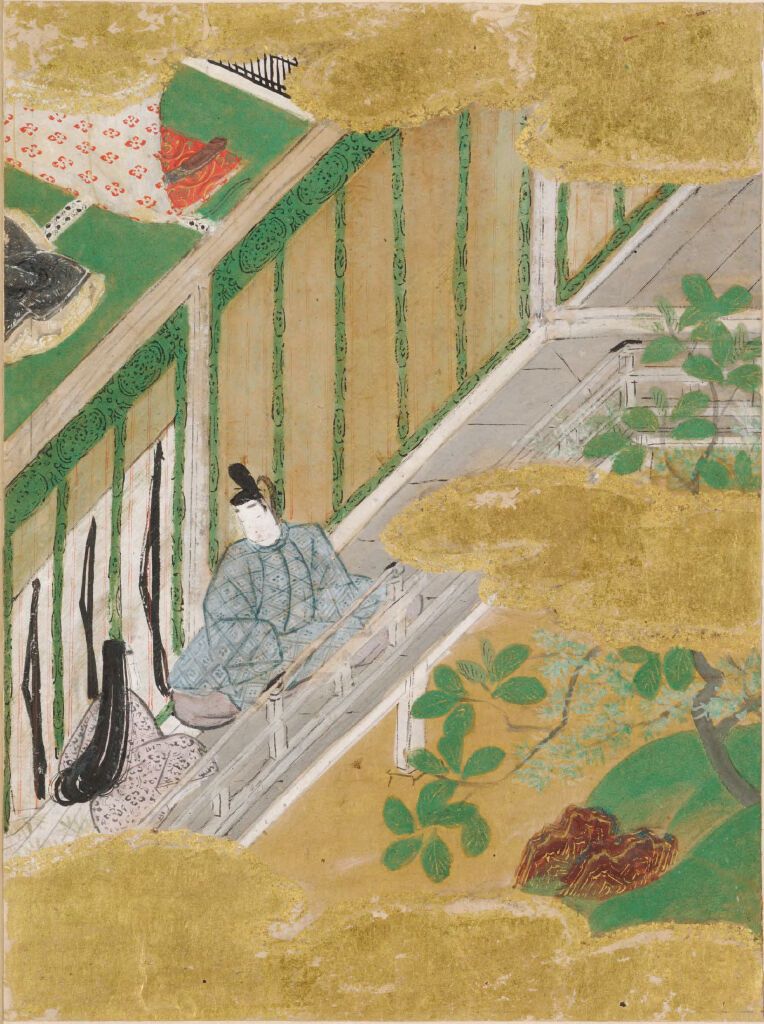
The Oak Tree (Kashiwagi), Illustration to Chapter 36 of the Tale of Genji (Genji monogatari)
Tosa Mitsunobu
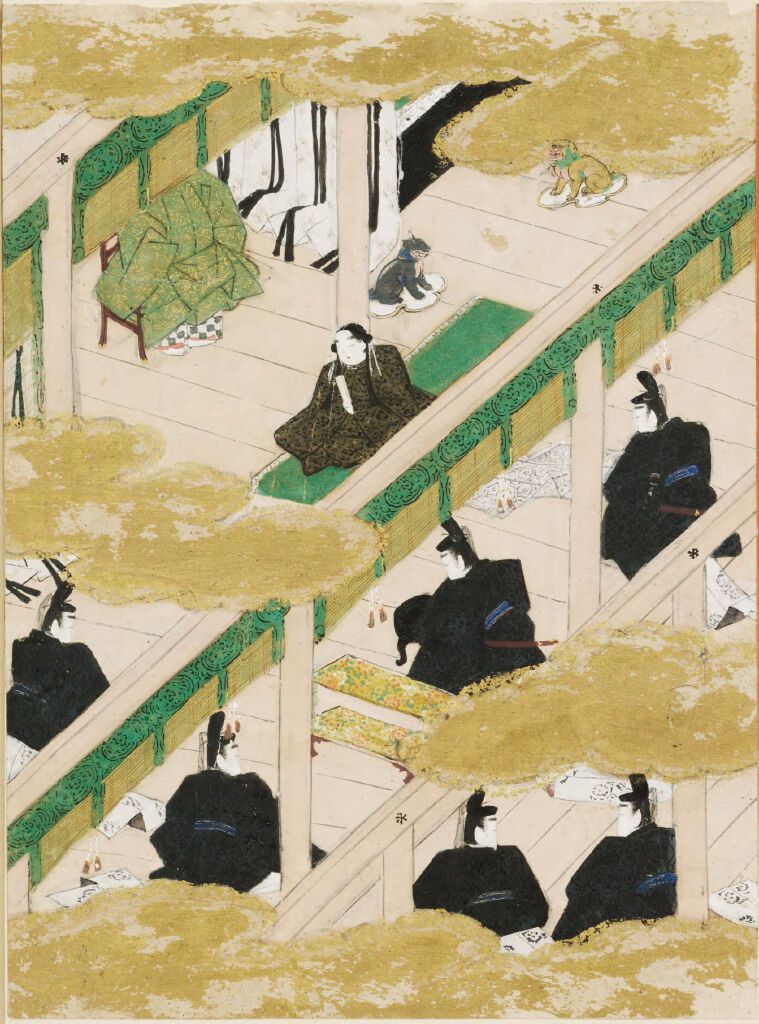
The Paulownia Pavilion (Kiritsubo), Illustration to Chapter 1 of the Tale of Genji (Genji monogatari)
Tosa Mitsunobu
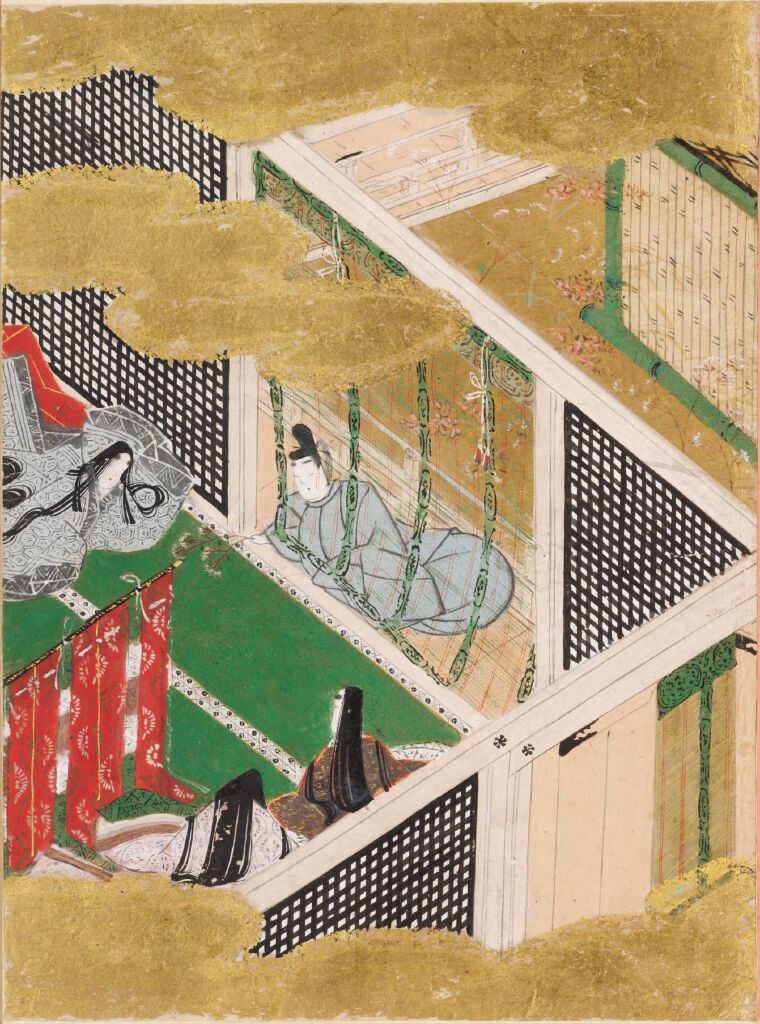
Thoroughwort Flowers (Fujibakama), Illustration to Chapter 30 of the Tale of Genji (Genji monogatari)
Tosa Mitsunobu