
Illustrated Story of Children (Koyasu monogatari) Vol. 1 — History & Facts
Can paint confess what words never could? In the delicate strokes of this Edo period masterpiece, silent fears and unvoiced stories intertwine, revealing the complex tapestry of childhood innocence and anxiety. Focus first on the central figures, where children, with their wide-eyed gazes, seem both playful and contemplative. Notice how vibrant colors contrast with the muted background, drawing your attention to their expressions that dance between joy and trepidation. The artist's careful layering of ink and pigment creates an ethereal quality, inviting you to linger on the details—each brushstroke breathes life into the moment, as if capturing the essence of youthful discovery tinged with the weight of unspoken worries. Delve deeper to uncover layers of meaning; the juxtaposition of light and shadow hints at the duality of childhood.
Bright hues depict joy, while deeper shades evoke an underlying fear of the unknown. The positioning of the figures, huddled together, suggests a shared vulnerability, resonating with anyone who has felt the chill of uncertainty lurking beneath the surface of innocence. It’s a poignant reminder that the light of youth often casts shadows of doubt. During the 1650s in Japan, Koyasu monogatari emerged as part of a broader cultural shift, where art began to reflect the complexities of human emotion amid the rigid structures of society.
Nonoguchi Ryūho, painting during this transformative period, sought to capture the evolving perception of childhood in a world grappling with change, weaving together traditional narratives with the intimate realities of fear and innocence.
More Artworks by Nonoguchi Ryūho
Browse all →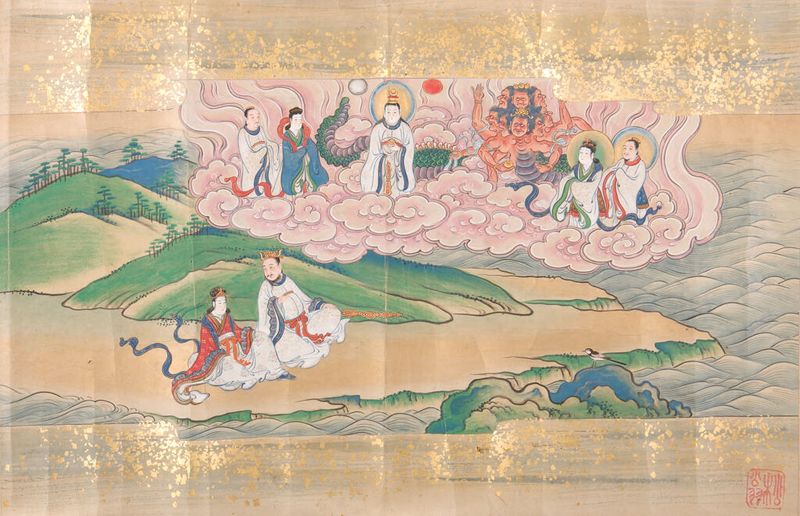
More Illustration Art
Browse all →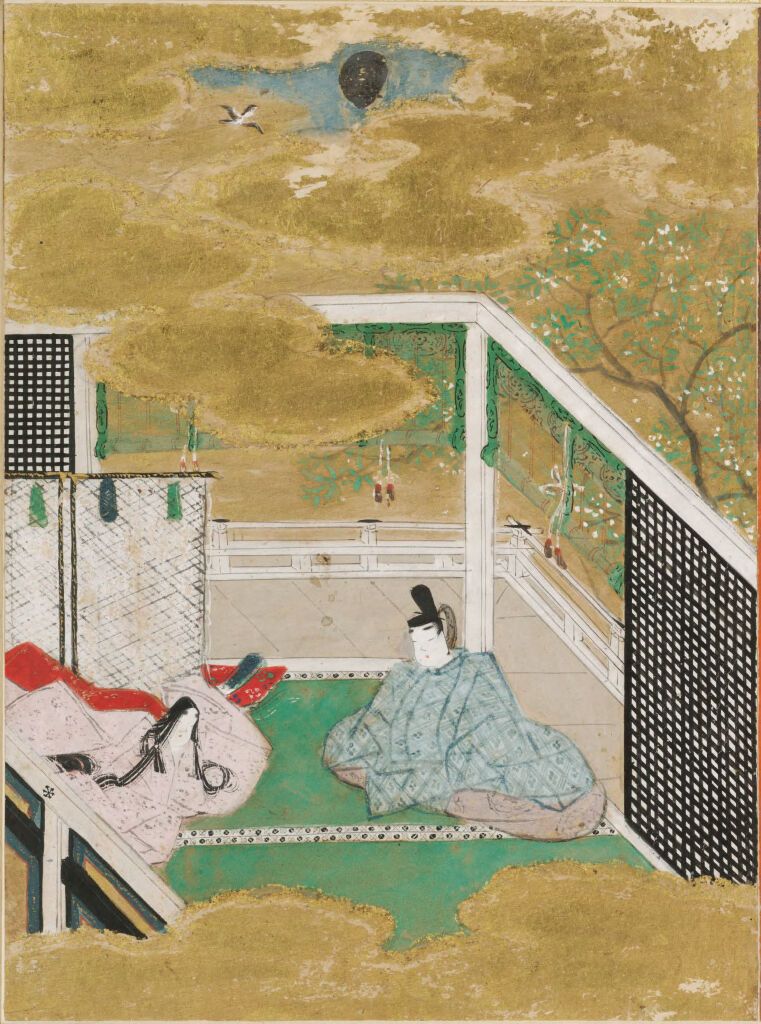
Falling Flowers (Hanachirusato), Illustration to Chapter 11 of the Tale of Genji (Genji monogatari)
Tosa Mitsunobu
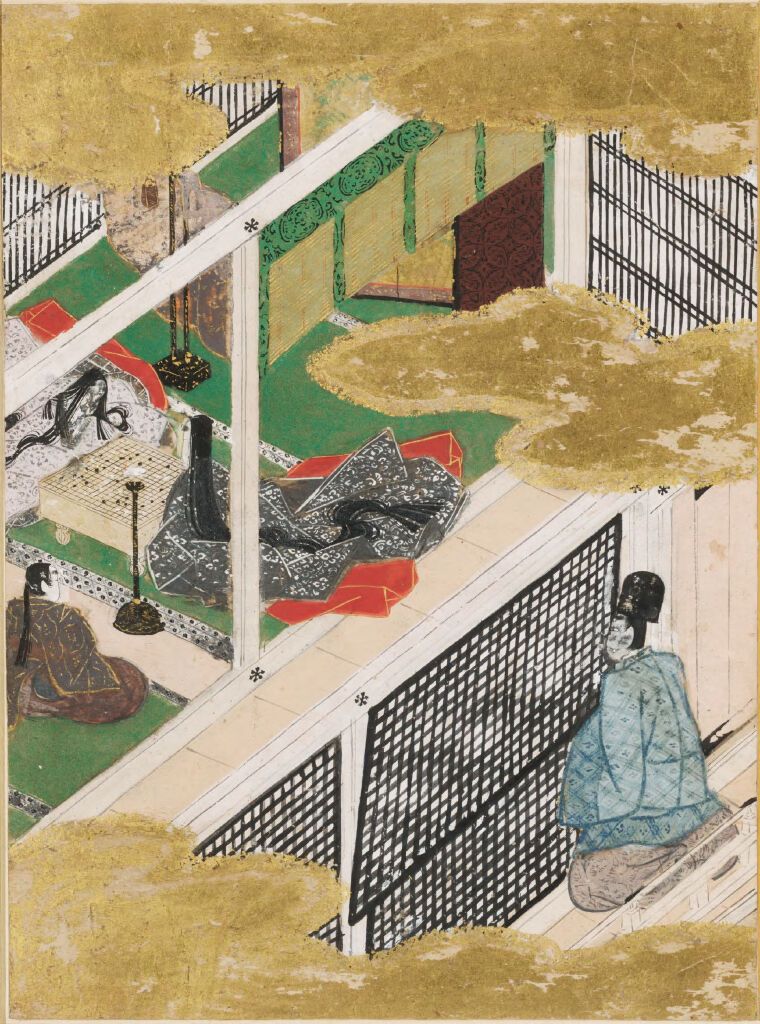
The Cicada Shell (Utsusemi), Illustration to Chapter 3 of the Tale of Genji (Genji monogatari)
Tosa Mitsunobu
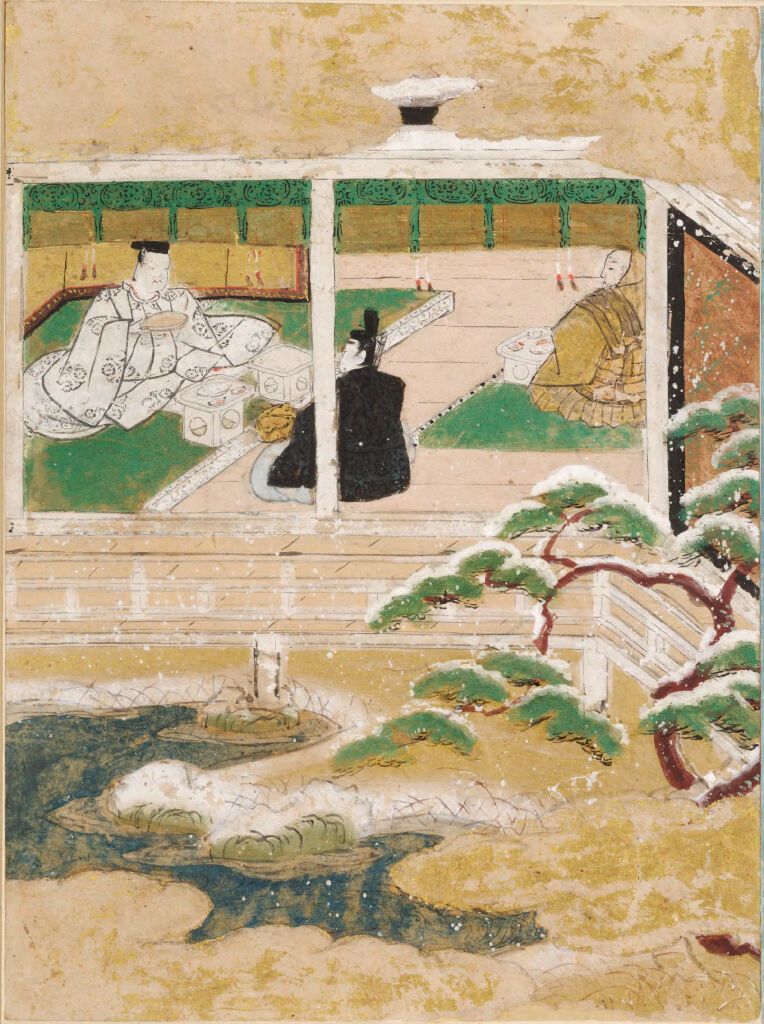
The Seer (Maboroshi), Illustration to Chapter 41 of the Tale of Genji (Genji monogatari)
Tosa Mitsunobu
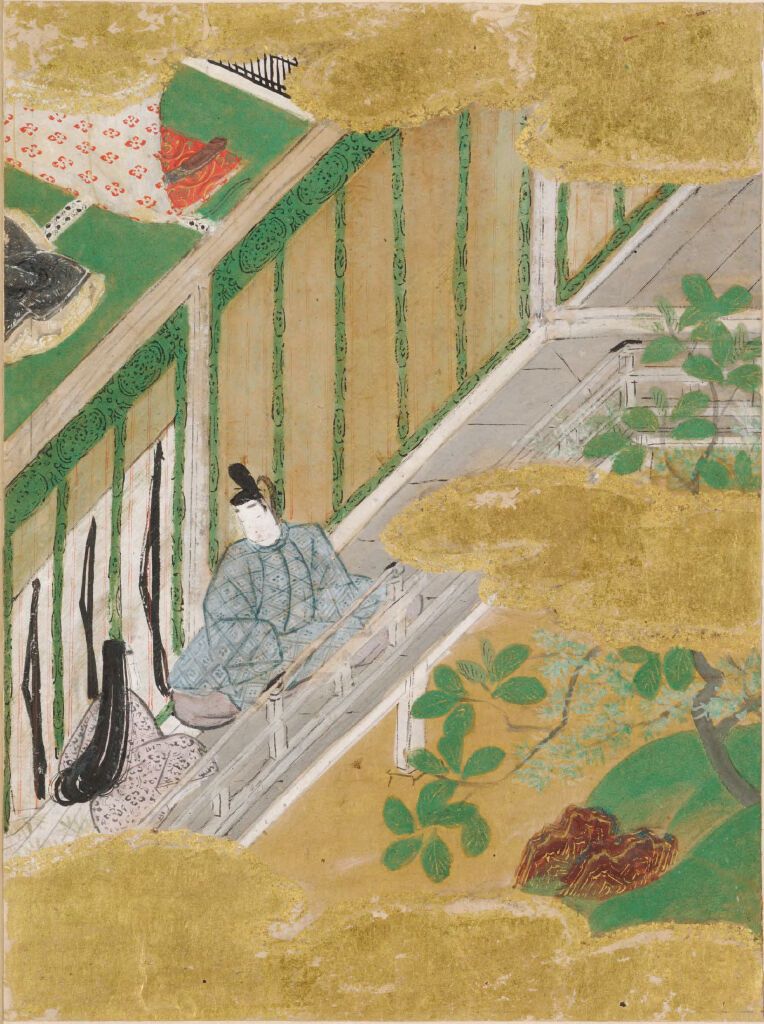
The Oak Tree (Kashiwagi), Illustration to Chapter 36 of the Tale of Genji (Genji monogatari)
Tosa Mitsunobu
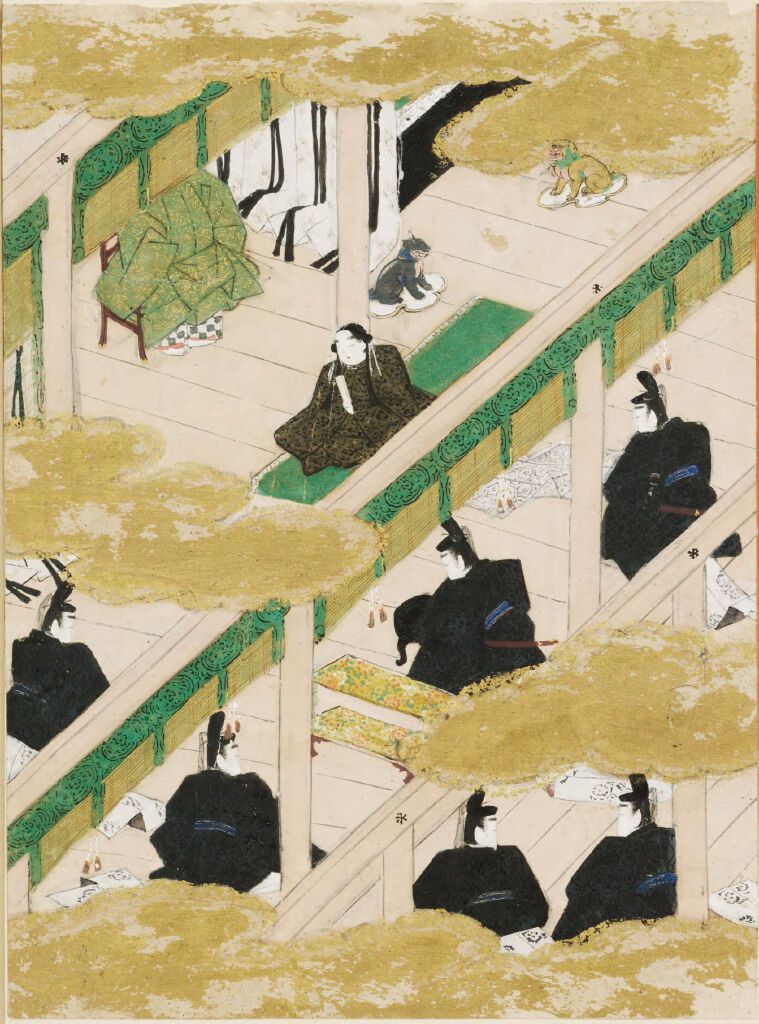
The Paulownia Pavilion (Kiritsubo), Illustration to Chapter 1 of the Tale of Genji (Genji monogatari)
Tosa Mitsunobu
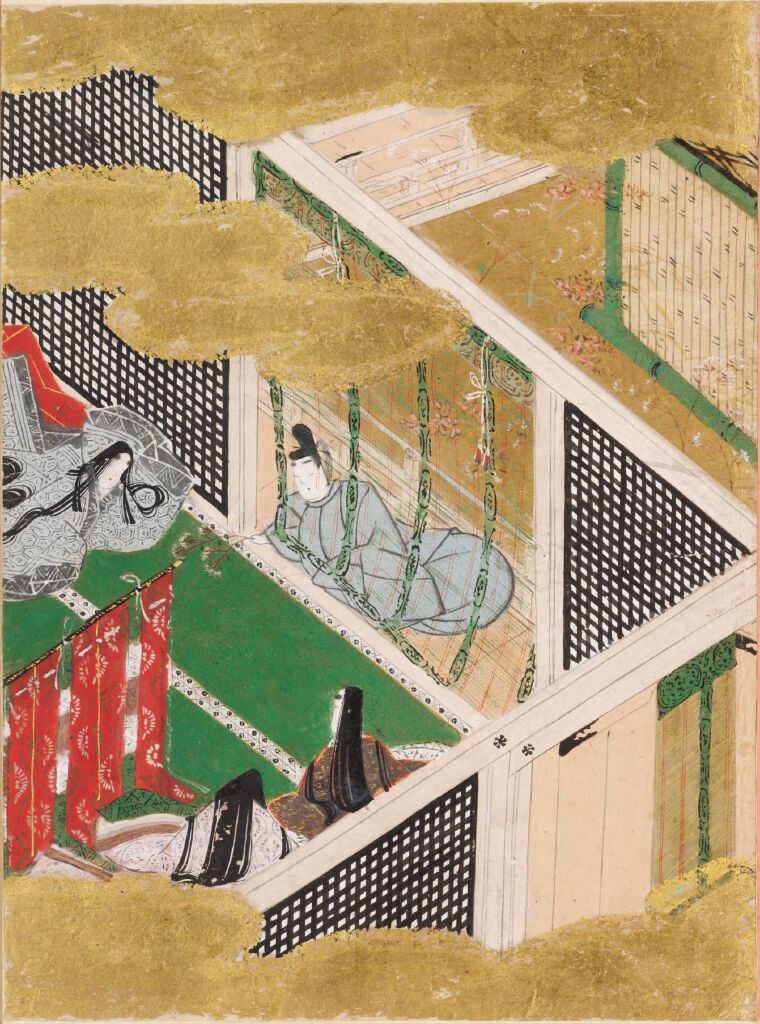
Thoroughwort Flowers (Fujibakama), Illustration to Chapter 30 of the Tale of Genji (Genji monogatari)
Tosa Mitsunobu