Discover insights about this artwork
Immaculate Conception — History & Facts
In Immaculate Conception, Peter Paul Rubens presents a vibrant scene filled with rich colors and dynamic figures. The Virgin Mary is depicted in a graceful pose, surrounded by cherubic angels. The use of light enhances the ethereal quality of the figures, creating a heavenly atmosphere.
The background features soft clouds, emphasizing the divine setting of the composition. This painting is an example of Baroque art, characterized by its dramatic use of color and light. Rubens employs oil on canvas, allowing for a rich texture and depth in the imagery. The dimensions are approximately 200 x 300 cm, making it a large-scale work that commands attention.
The intricate details of the angels' wings and Mary's garments showcase Rubens' skill in rendering fabric and movement. Created during the early 1620s, Immaculate Conception reflects Rubens' deep Catholic faith and his commitment to religious themes. This work was commissioned for the church of Santa Maria in the city of Seville, highlighting the importance of the Virgin Mary in Catholicism. An interesting fact is that Rubens often used his own family members as models for his paintings, which adds a personal touch to his religious works.
This painting remains one of his most celebrated pieces in the realm of religious art.
More Artworks by Peter Paul Rubens
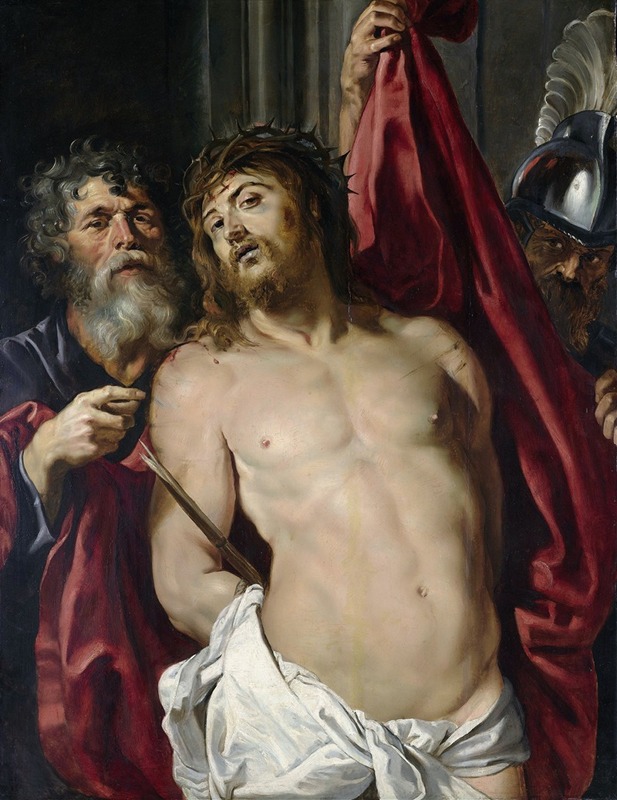
Ecce homo
Peter Paul Rubens
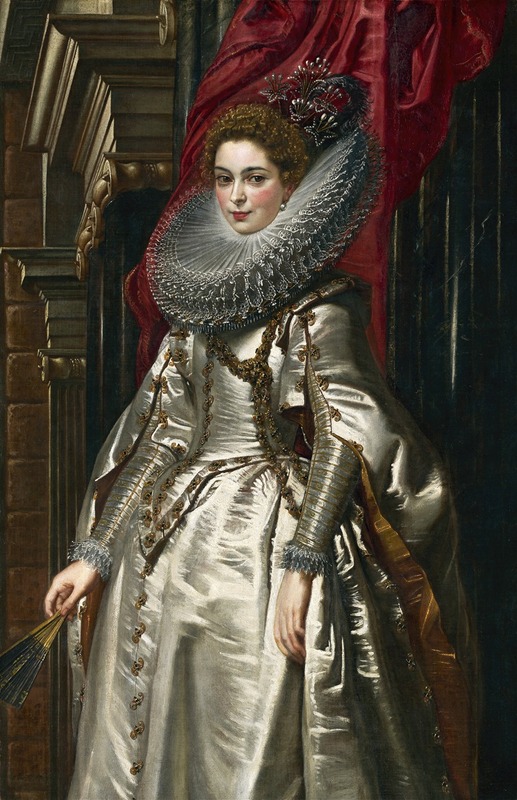
Marchesa Brigida Spinola Doria
Peter Paul Rubens
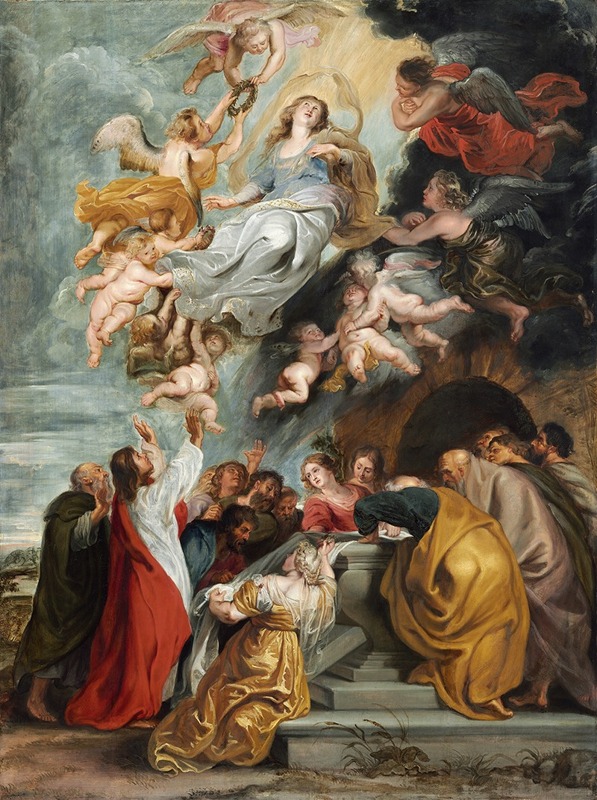
The Assumption of the Virgin
Peter Paul Rubens

Saint Teresa of Ávila Interceding for Souls in Purgatory
Peter Paul Rubens
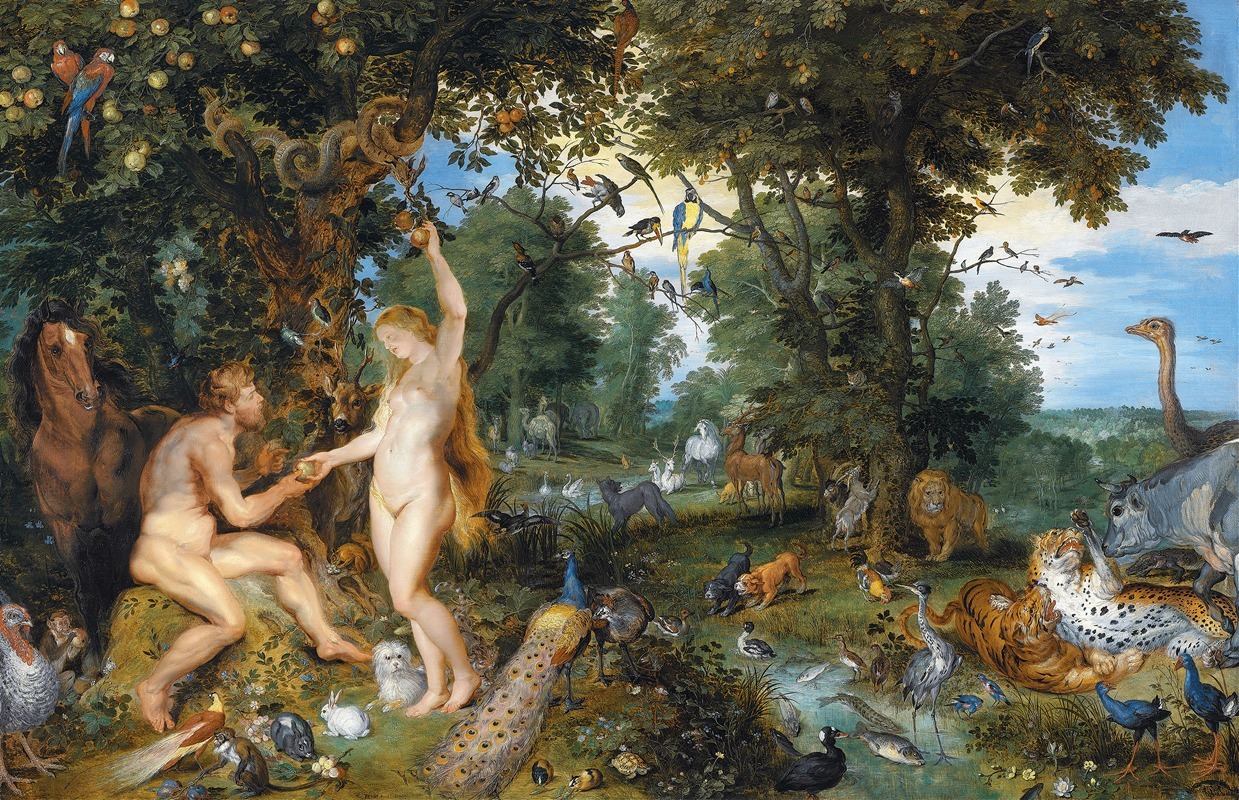
The Garden of Eden with the Fall of Man
Peter Paul Rubens
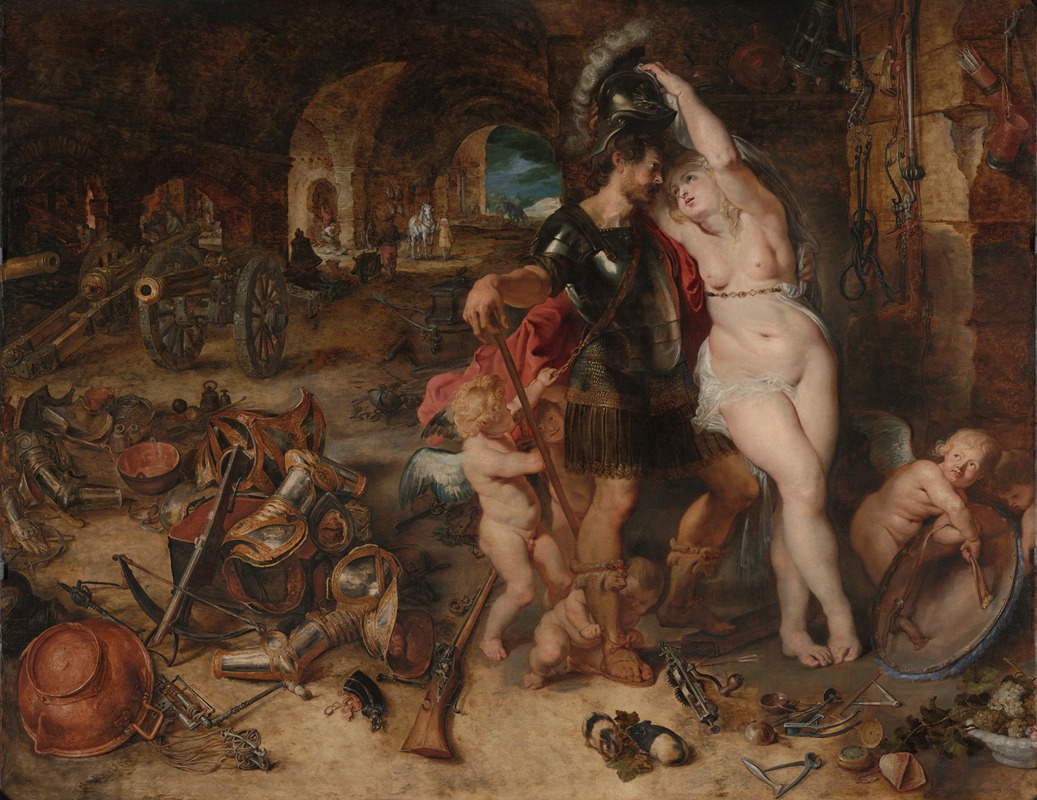
The Return From War,Mars Disarmed By Venus
Peter Paul Rubens
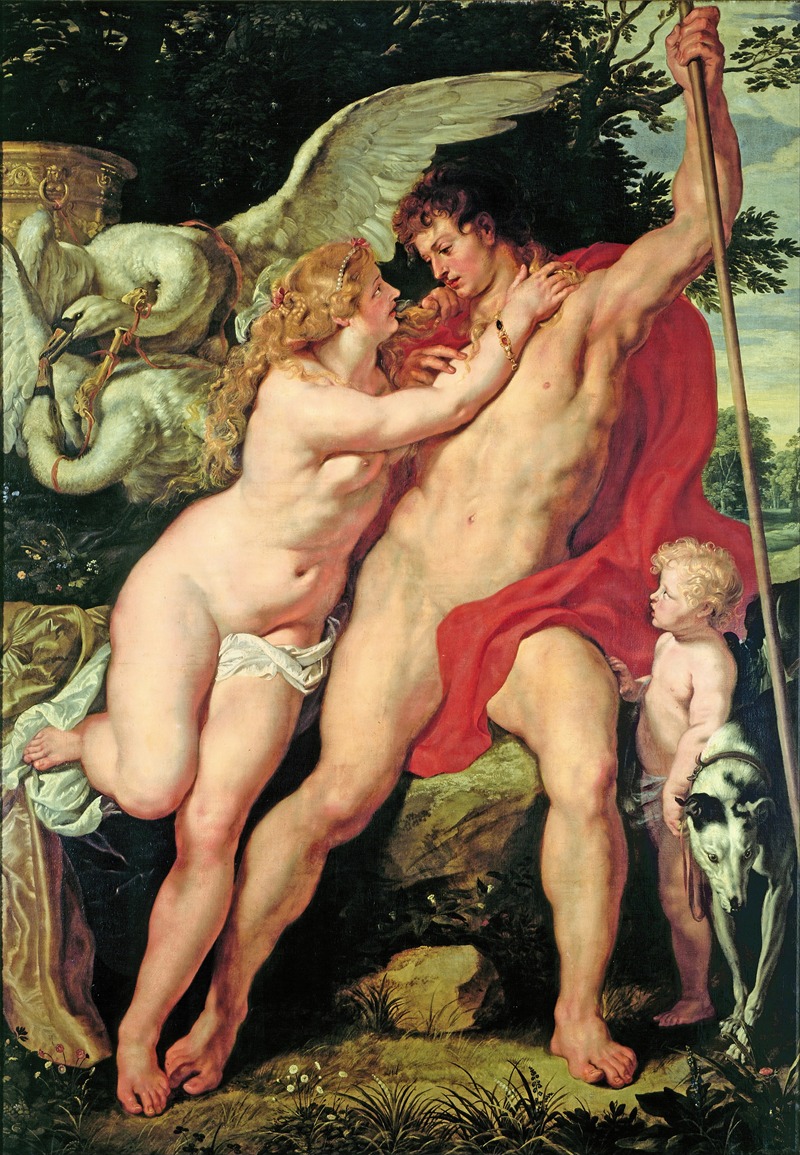
Venus and Adonis
Peter Paul Rubens
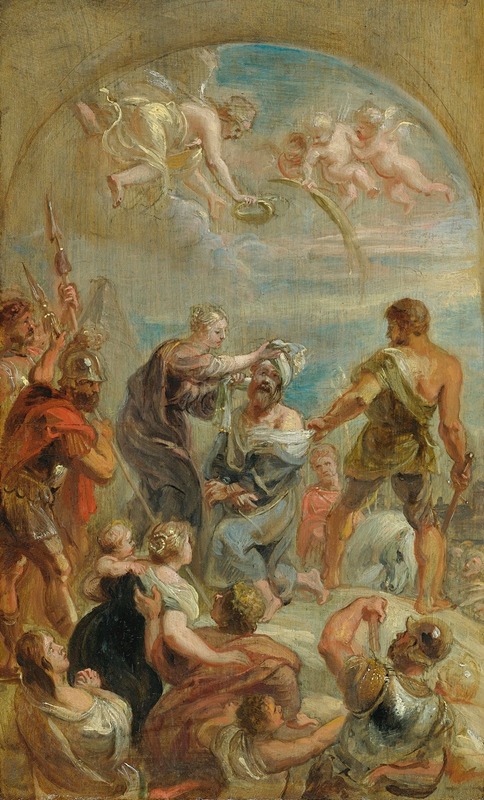
The Martyrdom Of Saint Paul
Peter Paul Rubens
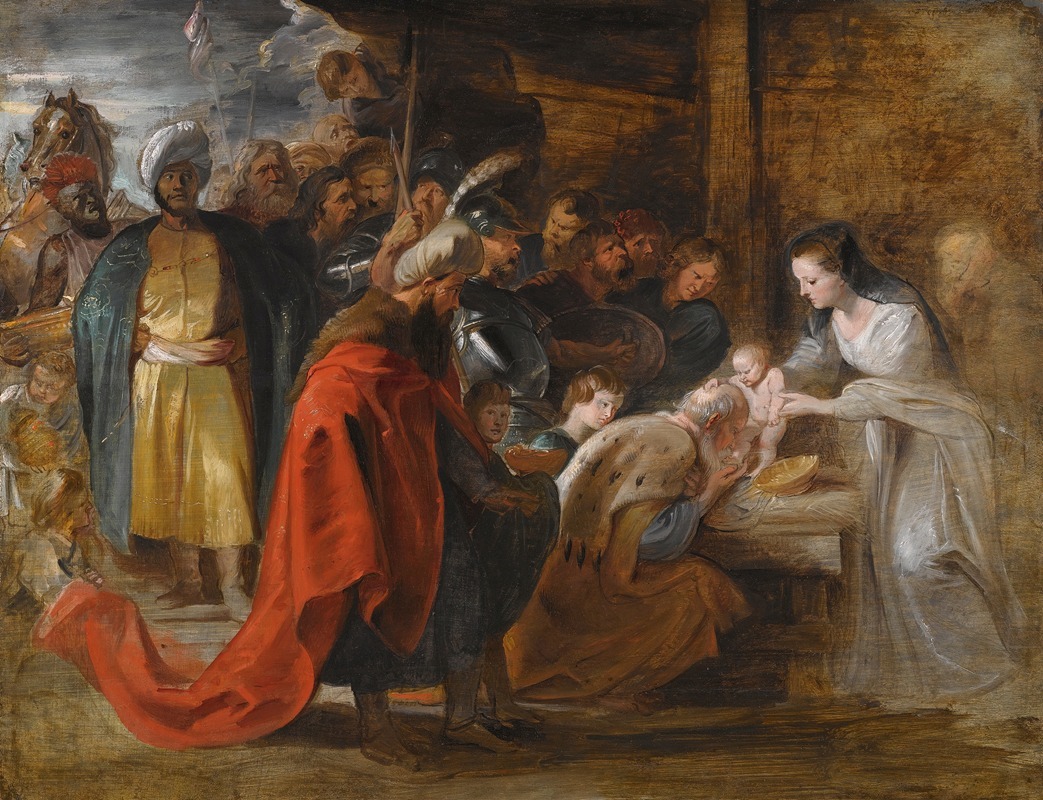
The Adoration Of The Magi
Peter Paul Rubens
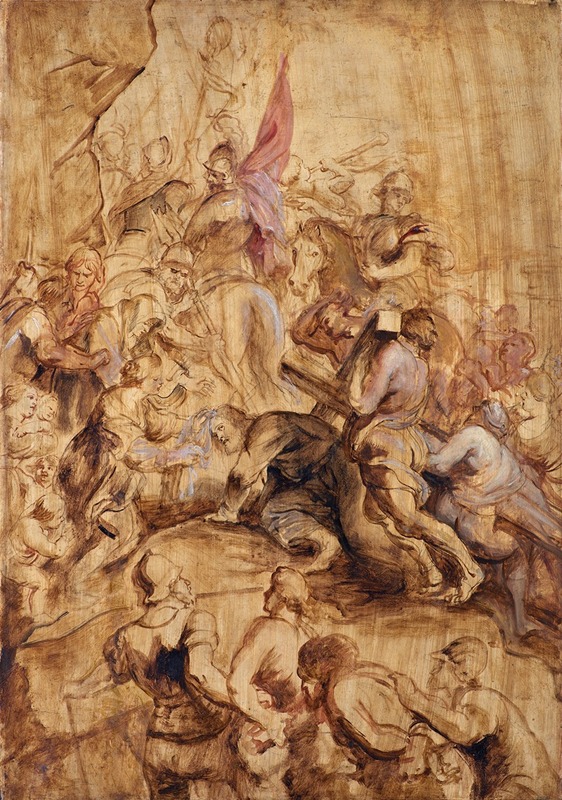
The Ascent to Calvary. The Bearing of the Cross
Peter Paul Rubens