
Immortality — History & Facts
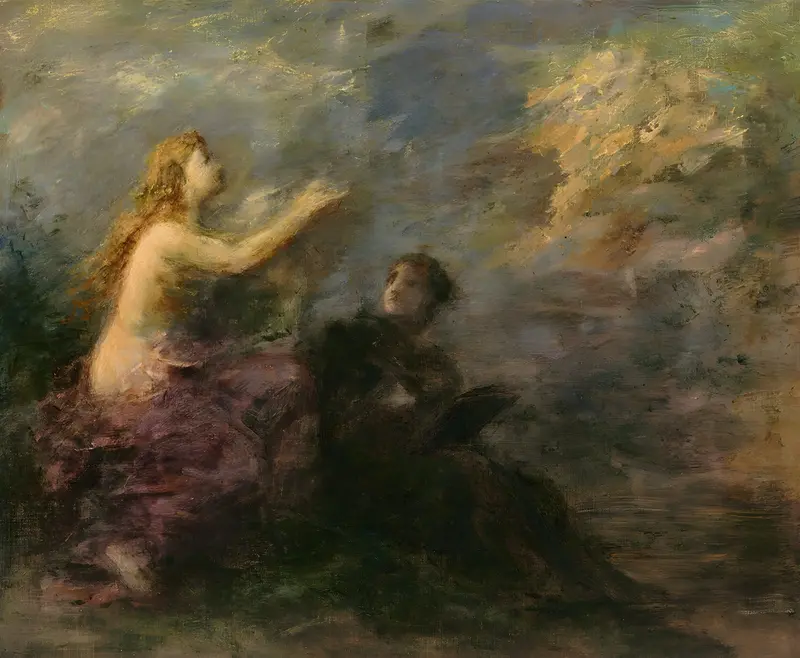
In Immortality, Henri Fantin-Latour presents a rich tapestry of colors, primarily using deep greens, soft blues, and warm earth tones. The central figures are draped in flowing garments, embodying the themes of life and death. Surrounding them are symbolic elements such as flowers and fruits, which represent the cycle of life.
The setting is serene, with a dreamlike quality that invites contemplation. The painting is executed in oil on canvas, showcasing Fantin-Latour's skill in blending colors and creating depth. The brushwork is meticulous, with fine details that draw the viewer's eye to the intricate textures of the figures and background. The composition is balanced, guiding the viewer's gaze through the allegorical elements.
The dimensions are approximately 100 x 150 cm, making it a substantial piece that commands attention. Henri Fantin-Latour was known for his still lifes and portraits, but Immortality reflects his interest in allegorical themes. This work was created during a period when Symbolism was gaining prominence in art, emphasizing emotional experiences and ideas over realism. Interestingly, the painting is often interpreted as a meditation on the transient nature of life and the hope for immortality.
It exemplifies Fantin-Latour's ability to blend beauty with deeper philosophical questions.
More Artworks by Henri Fantin-Latour
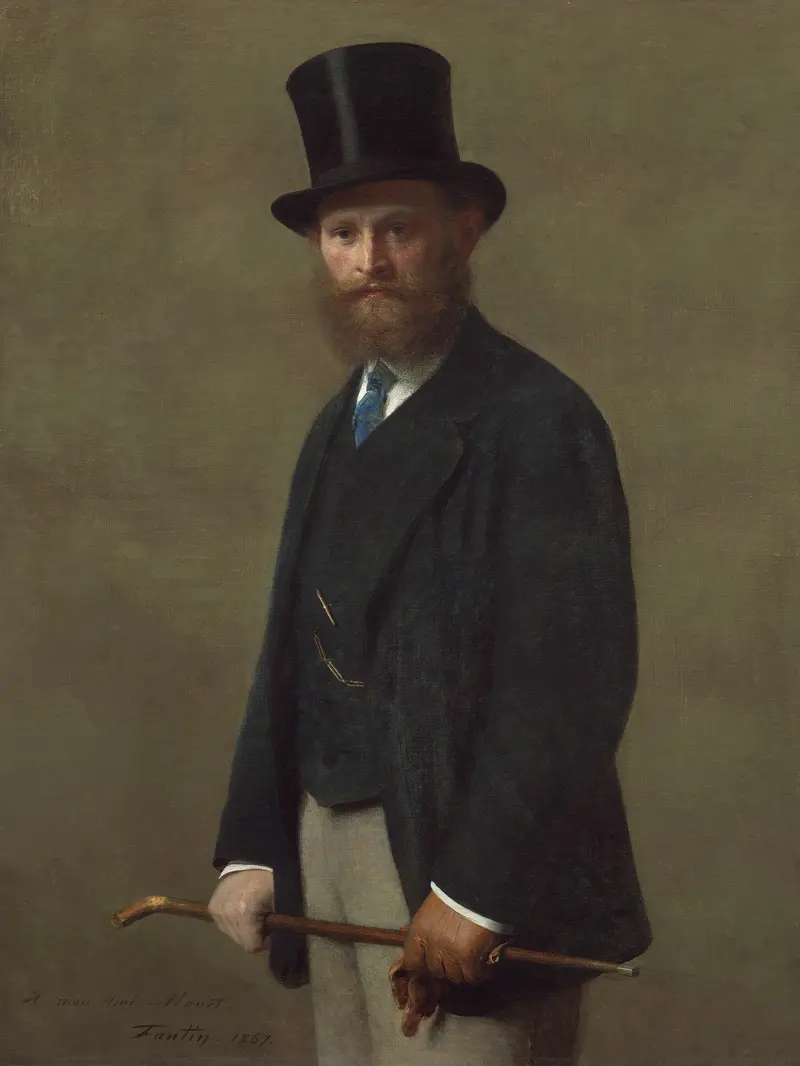
Édouard Manet
Henri Fantin-Latour
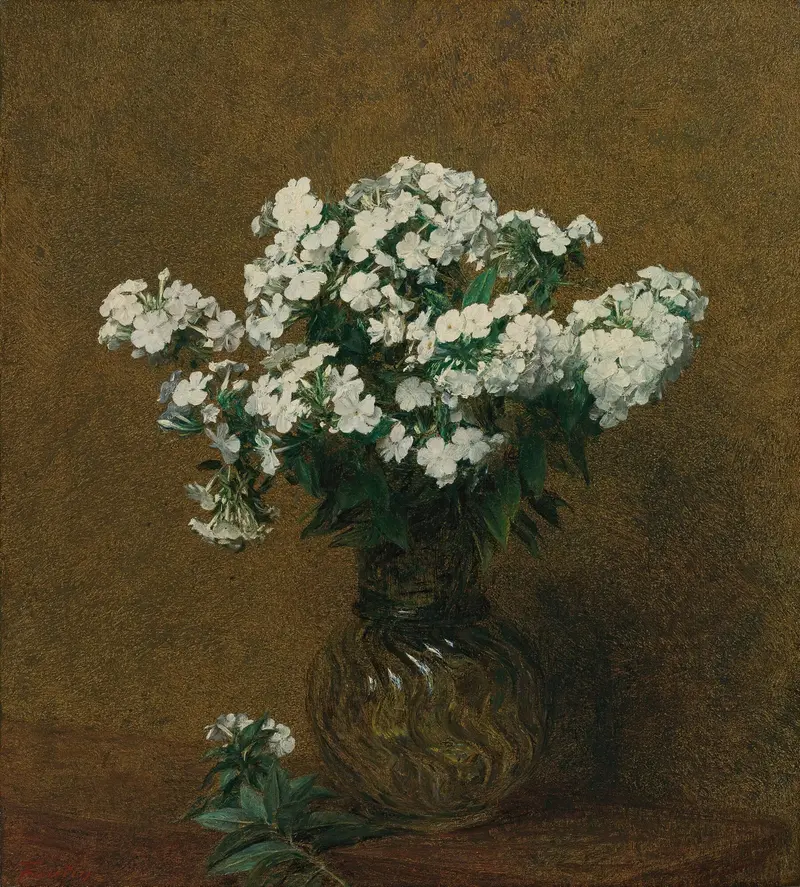
Phlox Blancs Dans Un Vase
Henri Fantin-Latour
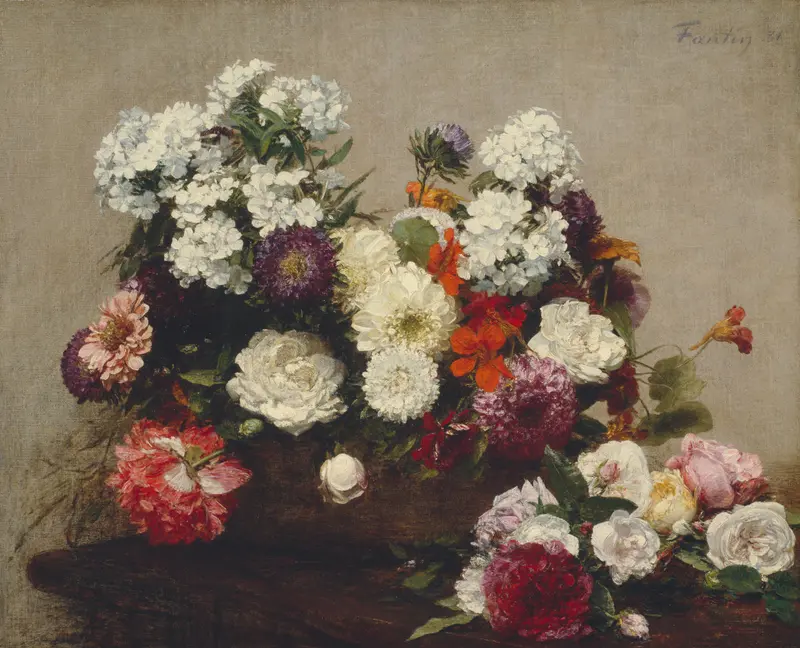
Still Life with Flowers
Henri Fantin-Latour
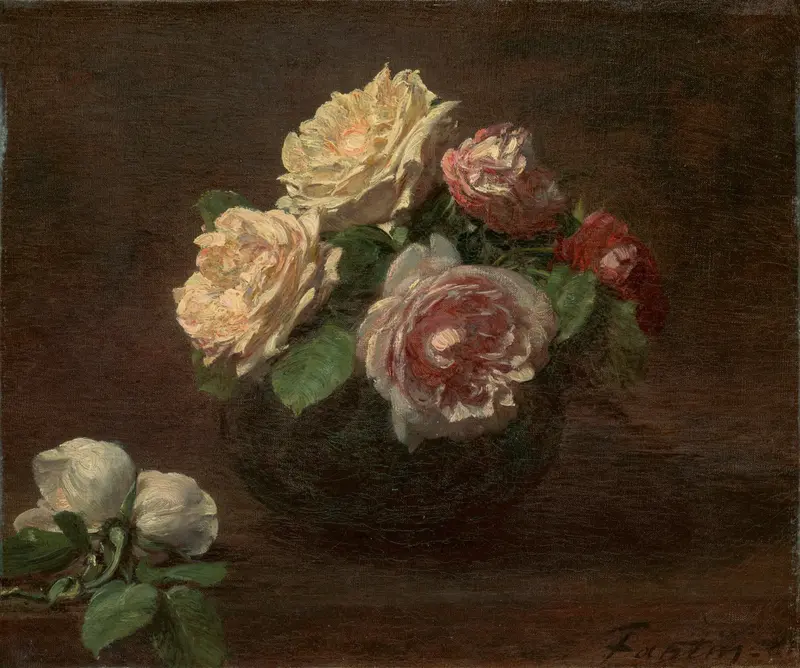
Roses in a Bowl
Henri Fantin-Latour
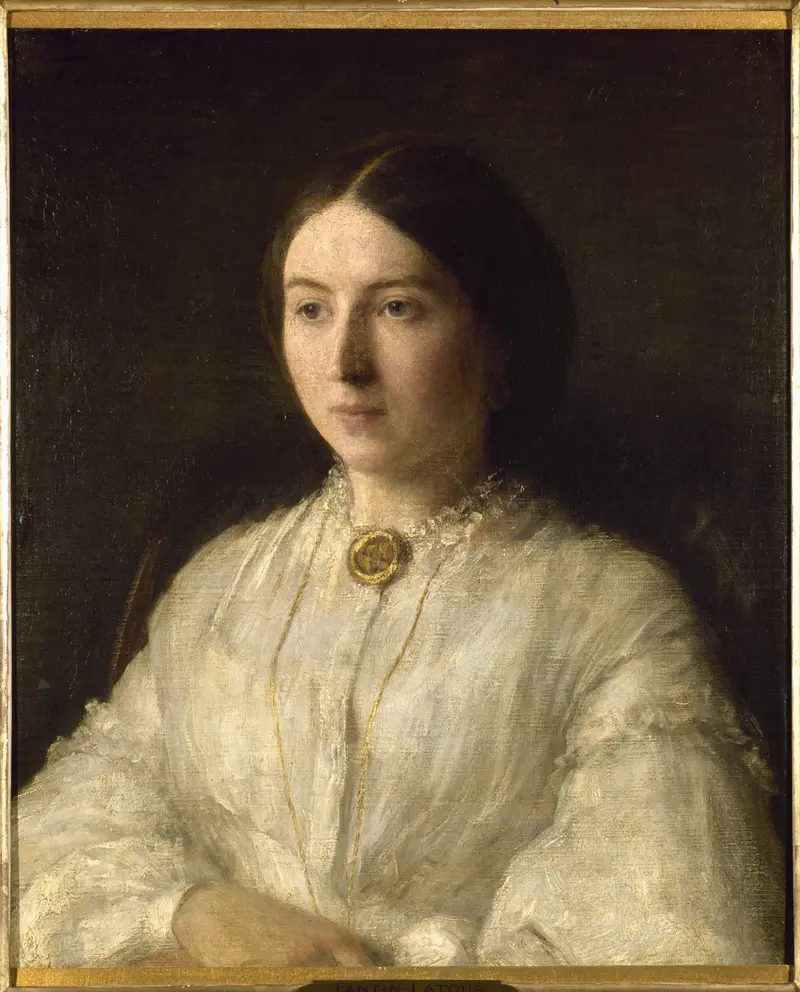
Portrait de Mme Edwin Edwards
Henri Fantin-Latour
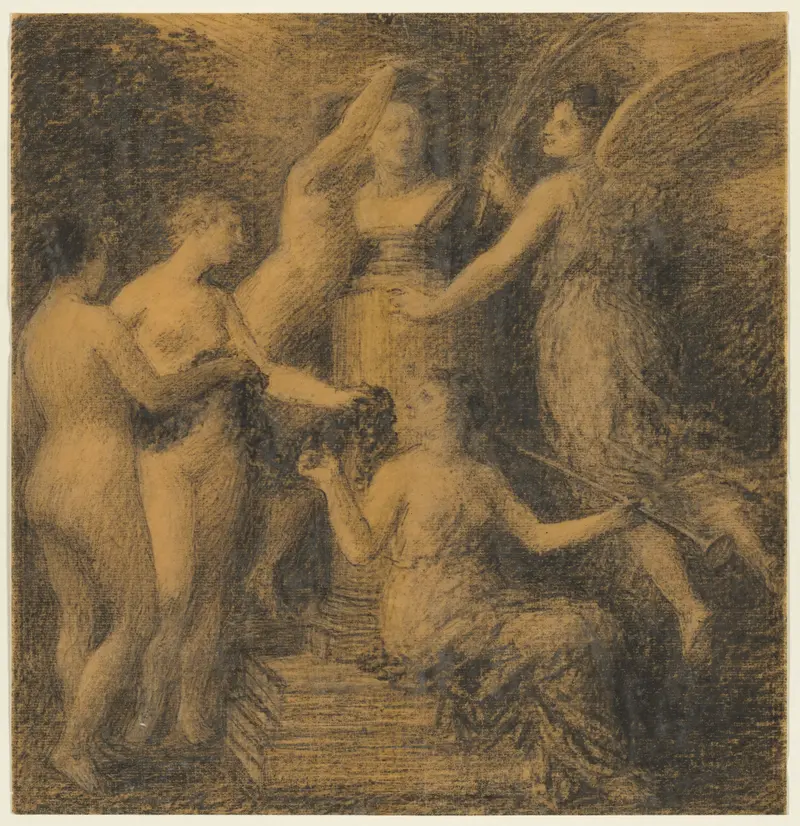
Homage to Rossini
Henri Fantin-Latour
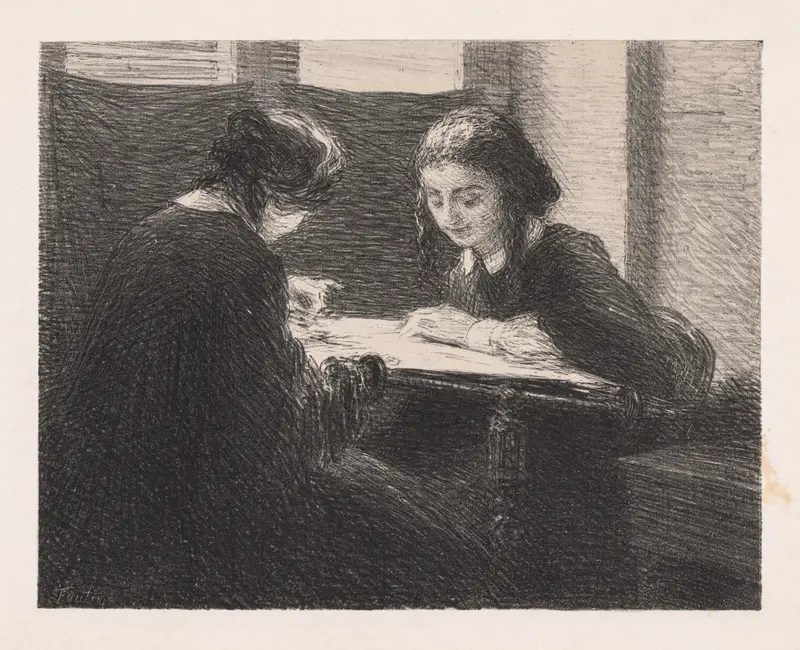
The Embroideres (Les Brodeuses)
Henri Fantin-Latour
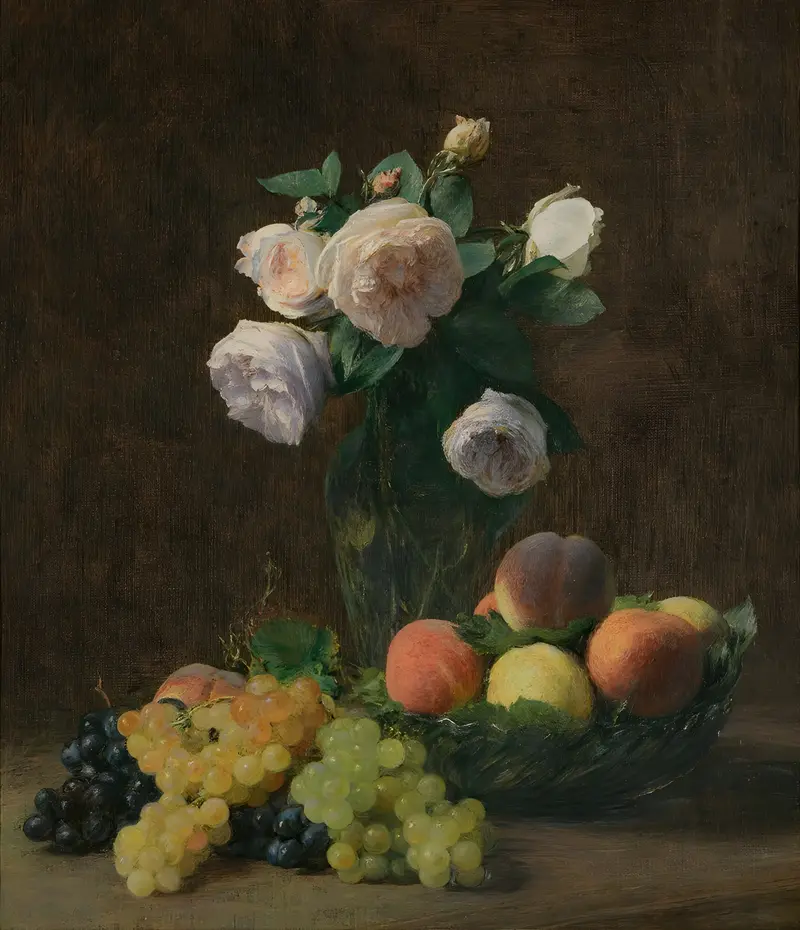
Nature Morte; Vase De Roses, Pêches Et Raisins
Henri Fantin-Latour
Inspiration
Henri Fantin-Latour
Nude study
Henri Fantin-Latour





