
Impressionists’ camp — History & Facts
In the quietude of this piece, an emptiness unfolds, beckoning viewers to contemplate what remains unspoken. Look to the foreground, where subtle hues of blues and browns mingle, revealing a delicate interplay of light and shadow. The canvas invites you into a dream-like landscape, where each brushstroke offers glimpses of a camp forgotten by time. Notice how Conder uses the soft, diffused light to create an atmosphere that feels both tranquil and melancholic, highlighting the isolation inherent in the scene. The absence of figures amplifies the emotional weight of this work—each corner whispers stories left untold.
The sparse composition creates a contrast between the natural beauty of the surroundings and the loneliness that envelops it. Every detail, from the gentle sway of the trees to the stillness of the water, evokes a longing for connection, suggesting that emptiness can often convey profound truths about our existence. Charles Conder painted this work during the late 19th century, a time when he was deeply influenced by the Impressionist movement in Australia. The artist spent his formative years in Melbourne, where he sought to capture the essence of the landscape around him amid a world in transition.
This period marked a shift in artistic exploration, as Conder and his contemporaries moved beyond traditional themes, embracing modernity and the emotional depth found in simplicity.
More Artworks by Charles Conder
Browse all →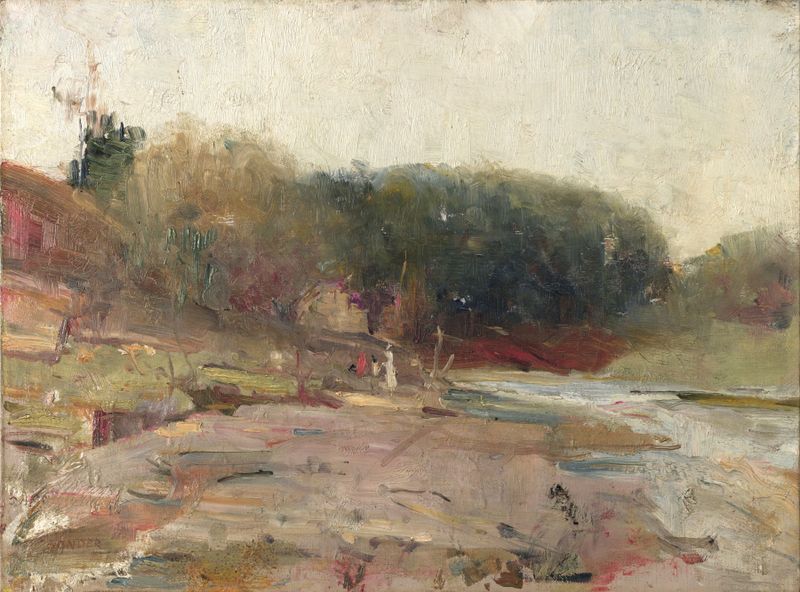
On the River Yarra, near Heidelberg, Victoria
Charles Conder
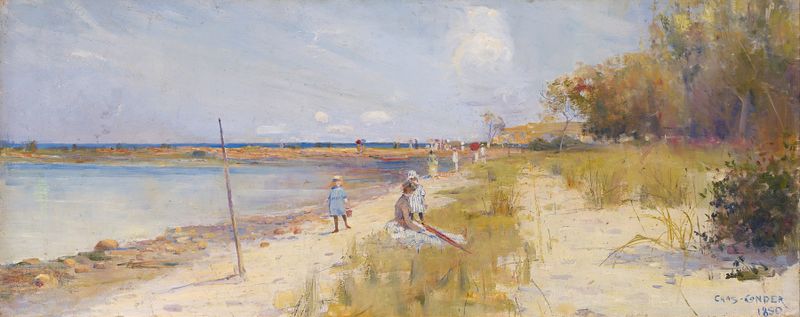
Rickett’s Point
Charles Conder

Sunset, Sydney Harbour
Charles Conder

Australian landscape
Charles Conder

Riddell’s Creek
Charles Conder
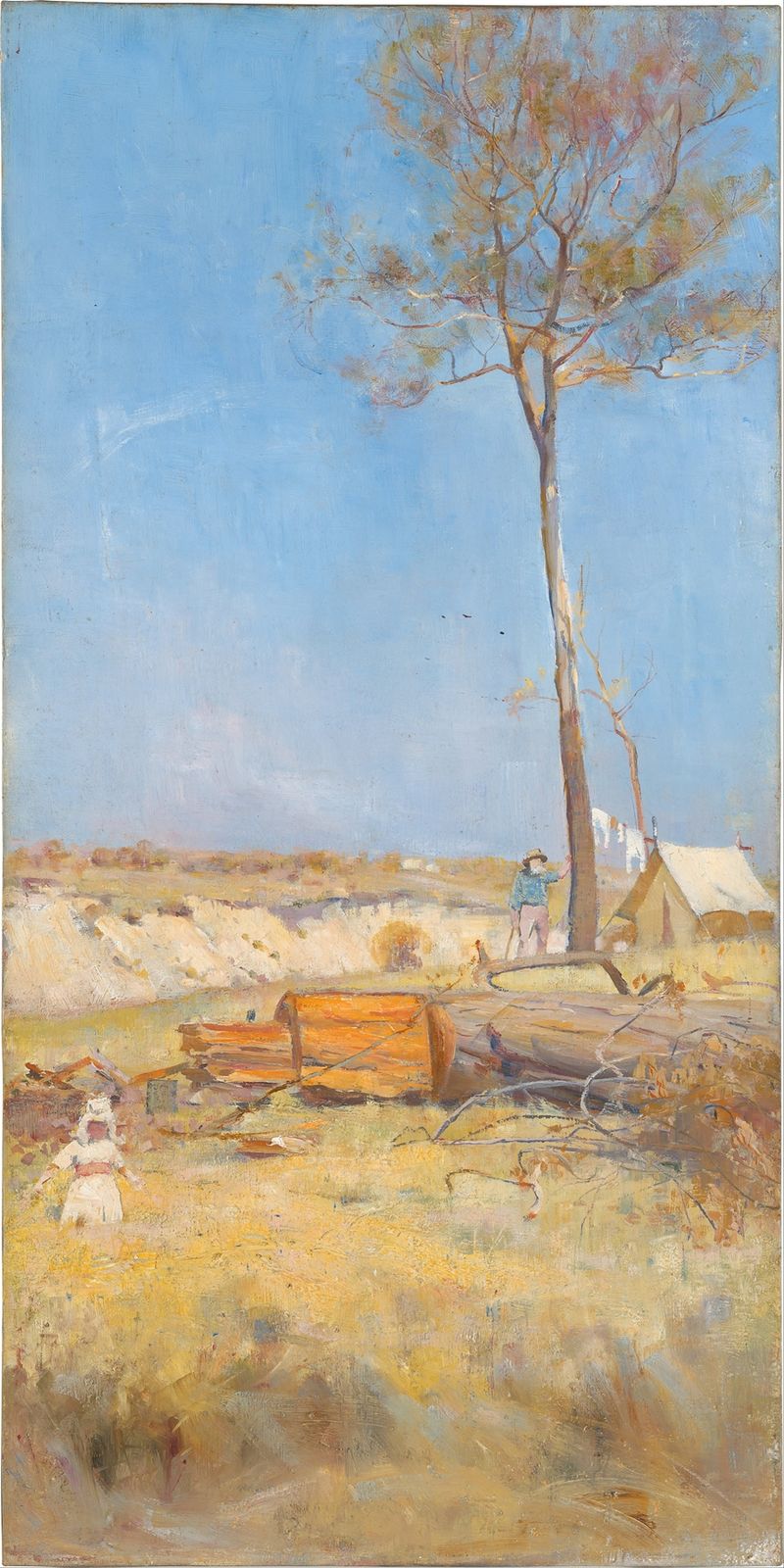
Under a southern sun
Charles Conder
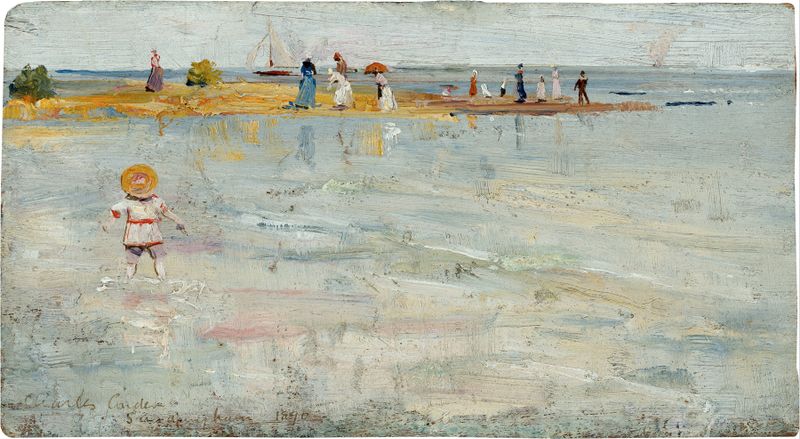
Ricketts Point, Beaumaris
Charles Conder

Going home
Charles Conder
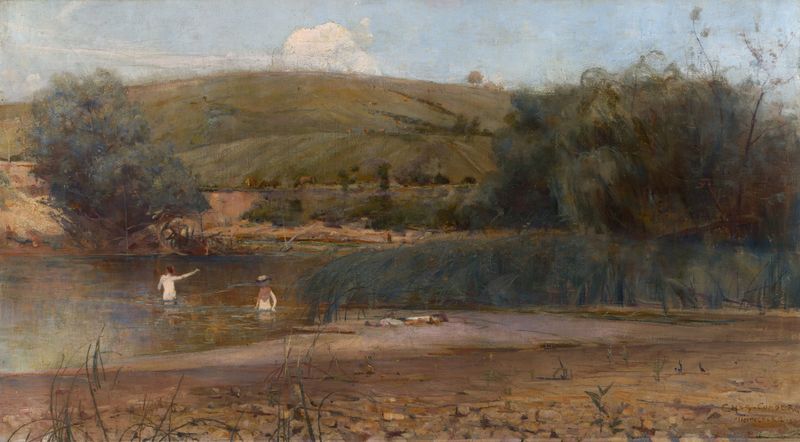
The Yarra, Heidelberg
Charles Conder
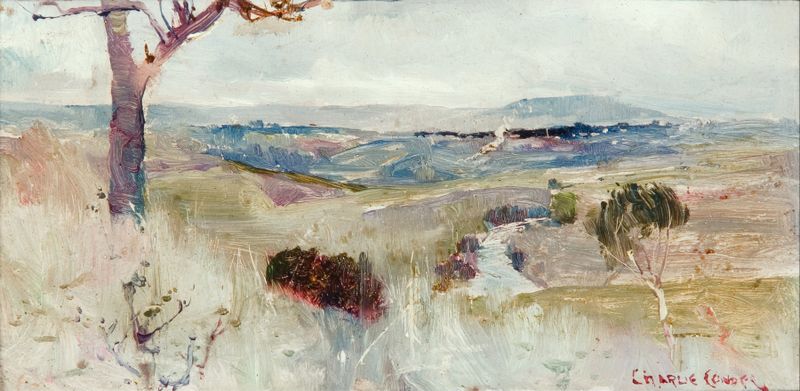
Dandenongs from Heidelberg
Charles Conder





