
In Childhood's Country — History & Facts
A golden-haired child, eyes half-closed and lips pursed in a secretive reverie, floats against a field of deep blue and black—her face luminous, her mood unreadable. The enormous black bow atop her head is not just a flourish but a visual anchor, its bold silhouette echoing the verticals behind her and setting off the delicate pallor of her skin. The artist, Ethel Reed, gives us a portrait that is less about likeness than about the strange, private world of early youth: the tilt of the head, the heavy-lidded gaze, the way the child seems both present and far away.
The palette is pared down to essentials, yet the effect is rich, almost theatrical, drawing the viewer into a hush of introspection. This poster, created in 1896, belongs to a moment when the boundaries between fine art and commercial design were being boldly redrawn. The late nineteenth century saw the rise of the art poster, especially in cities like Boston, where publishers and artists collaborated to bring new books to a visually literate public. Ethel Reed was one of the few women to gain recognition in this field, her style marked by sinuous lines and a modern sense of flatness.
The work was produced for Copeland and Day, a Boston publisher known for its taste in both literature and design, and its presence in the Metropolitan Museum of Art’s collection today is a testament to the era’s fascination with the artful everyday. Look again at the girl's face: it is both a mask and a mirror, inviting you to remember your own country of childhood.
More Artworks by Ethel Reed
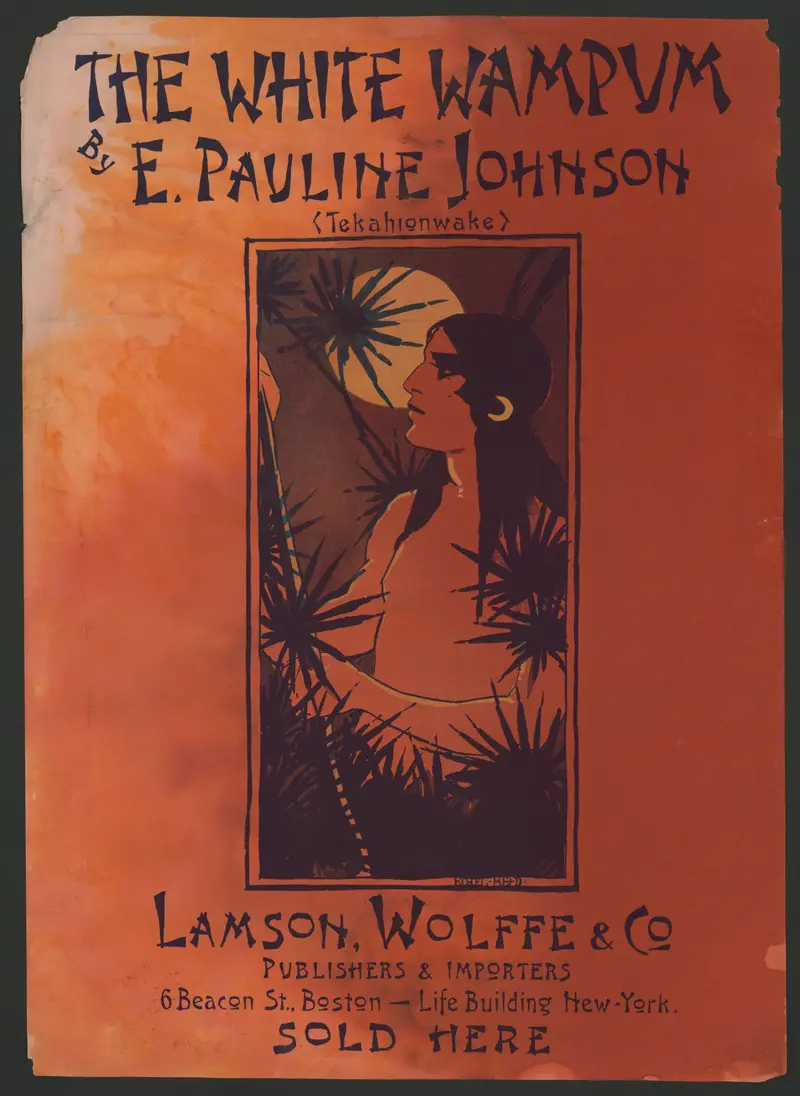
The White Wampum
Ethel Reed
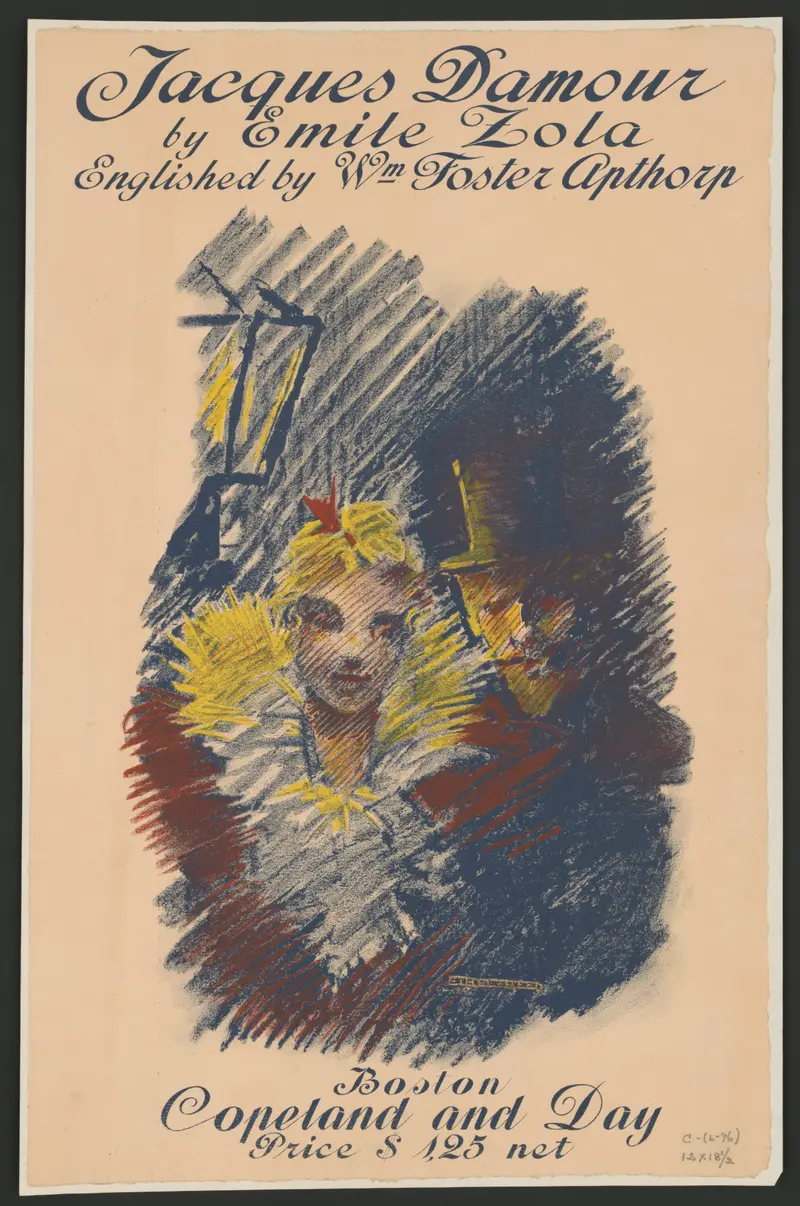
Jacques Damour
Ethel Reed
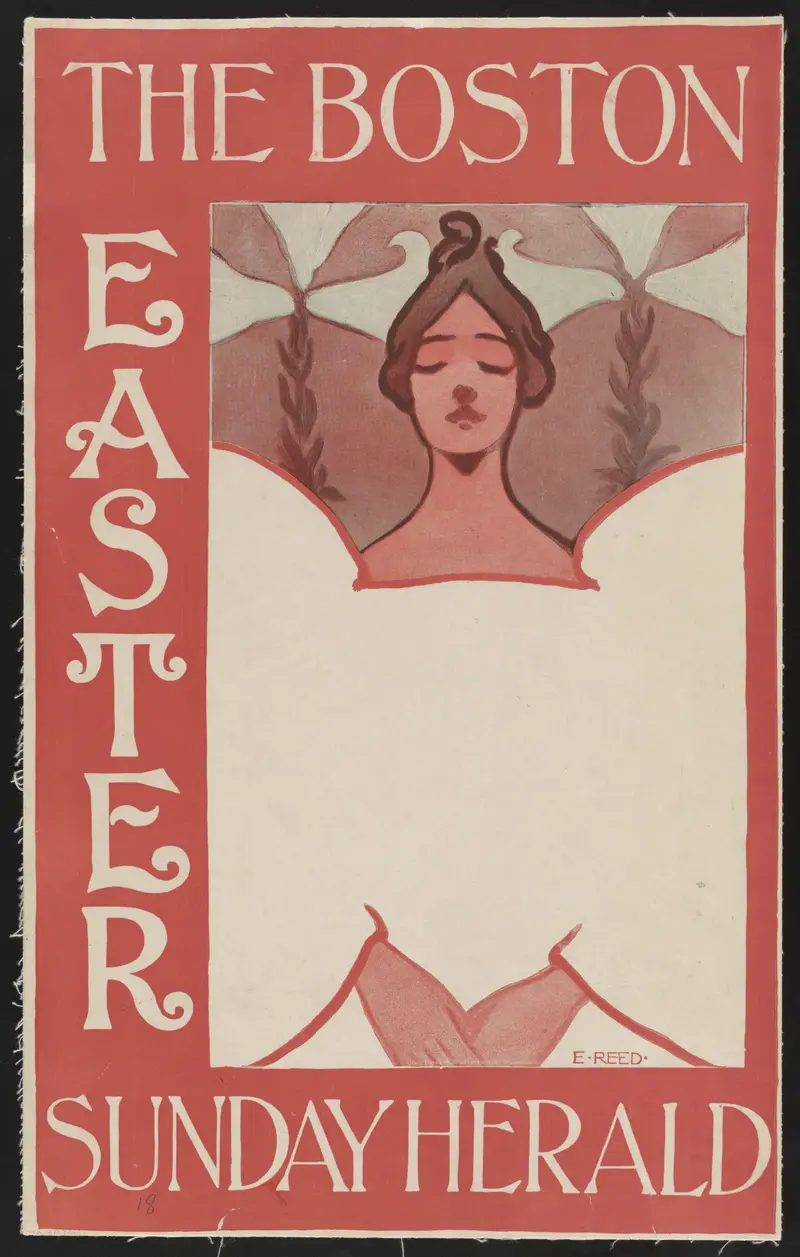
The Boston Sunday Herald: Easter
Ethel Reed
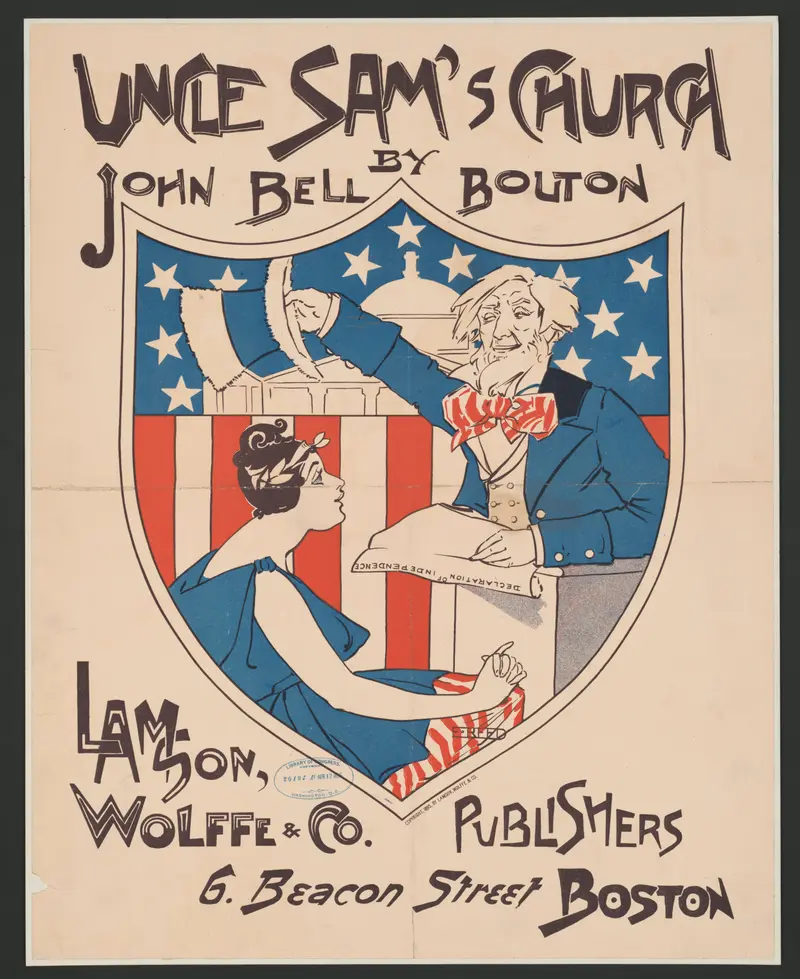
Uncle Sam's Church
Ethel Reed
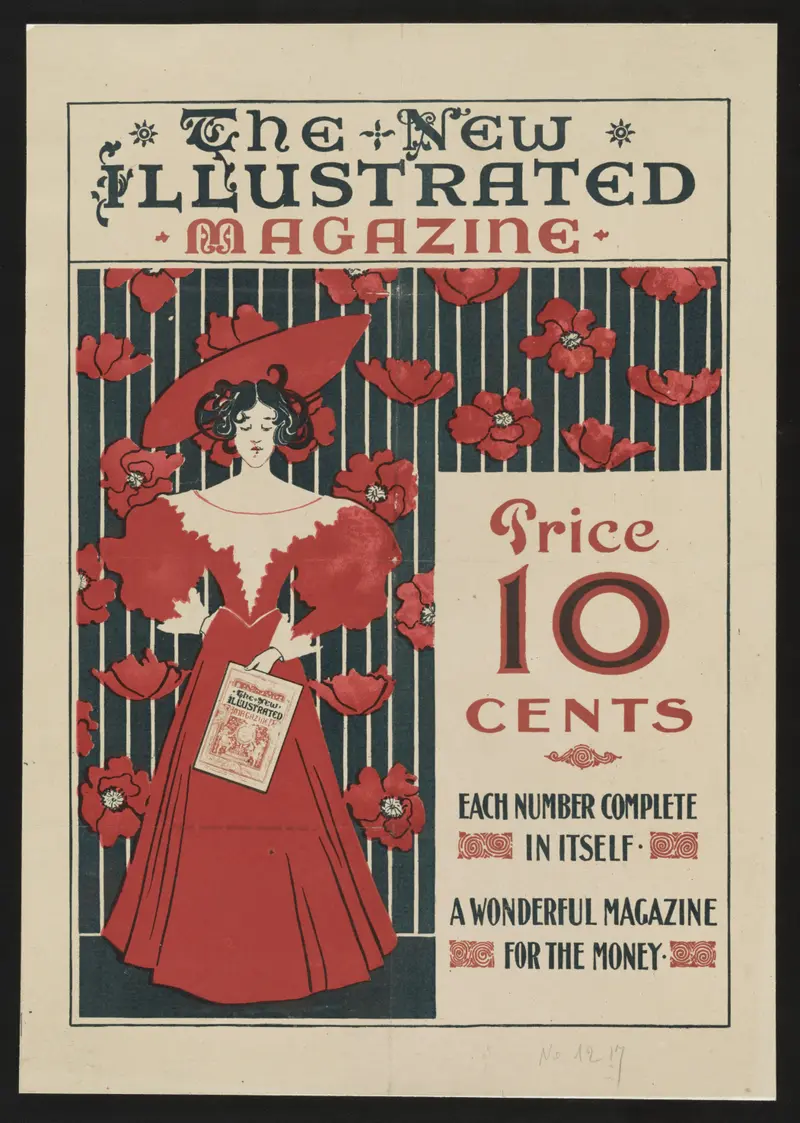
The New Illustrated Magazine
Ethel Reed
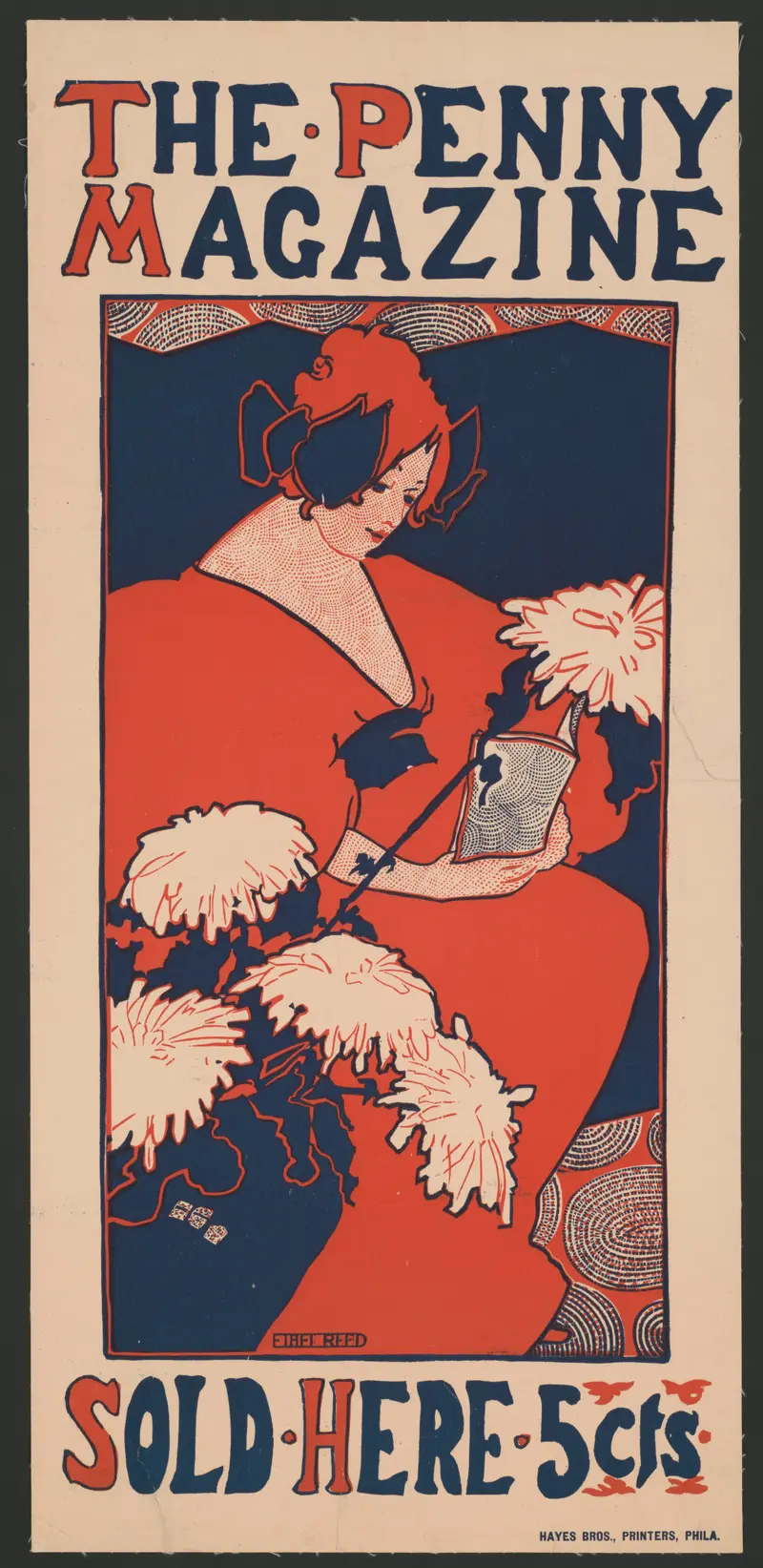
The Penny Magazine
Ethel Reed
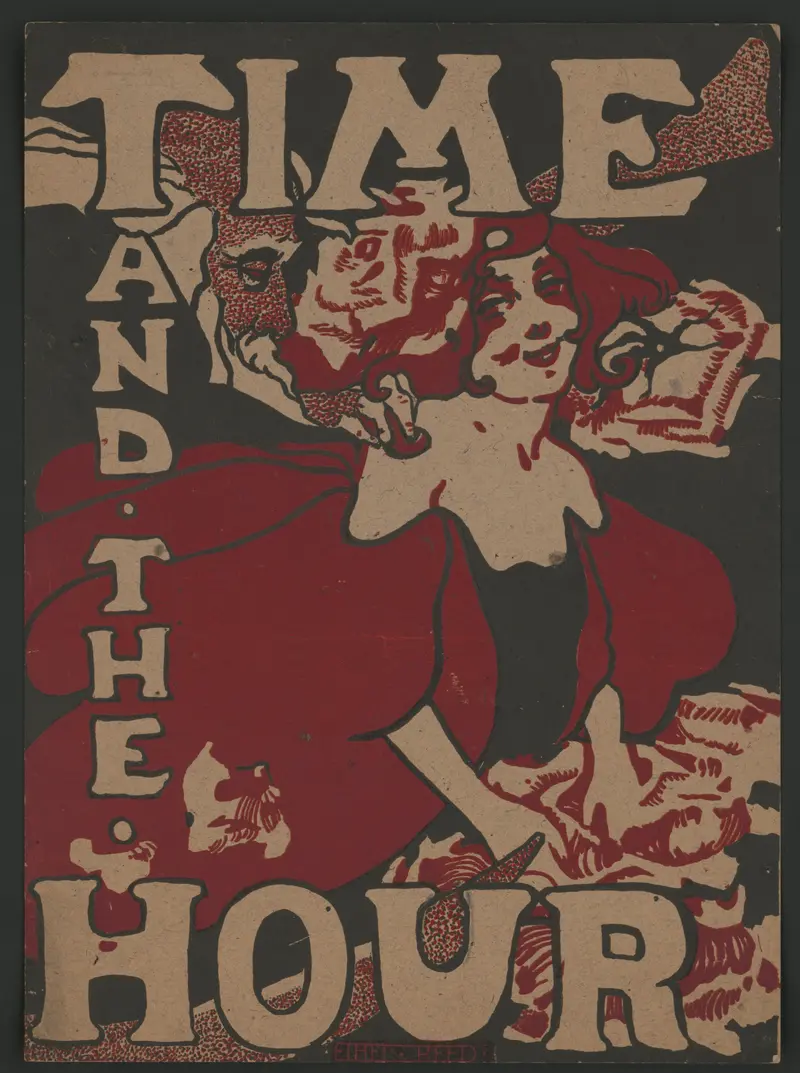
Time and the Hour
Ethel Reed
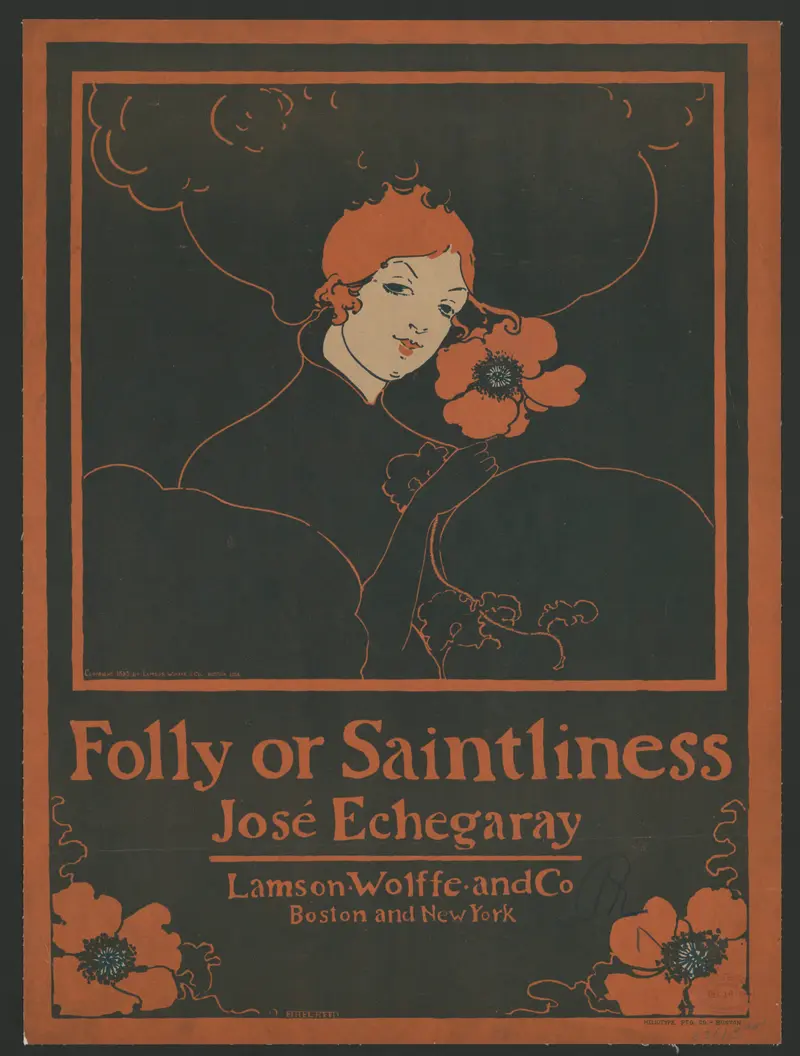
Folly or Saintliness
Ethel Reed
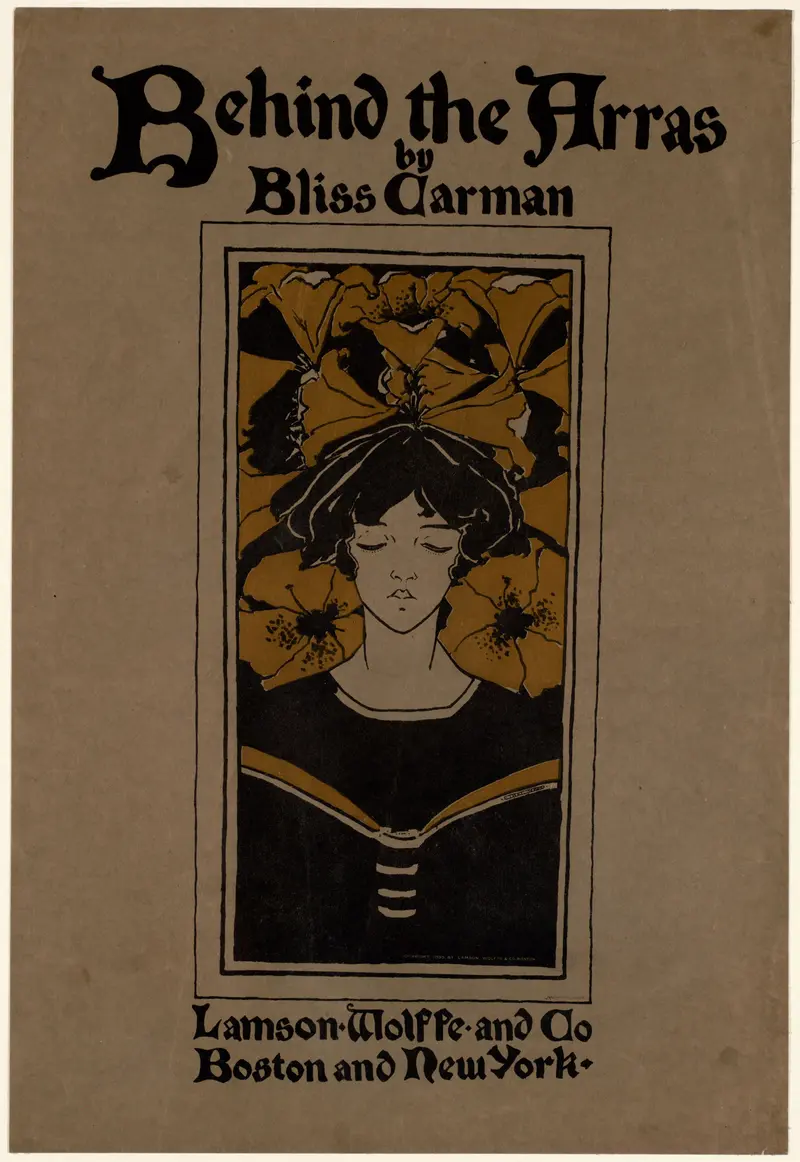
Behind the Arras
Ethel Reed
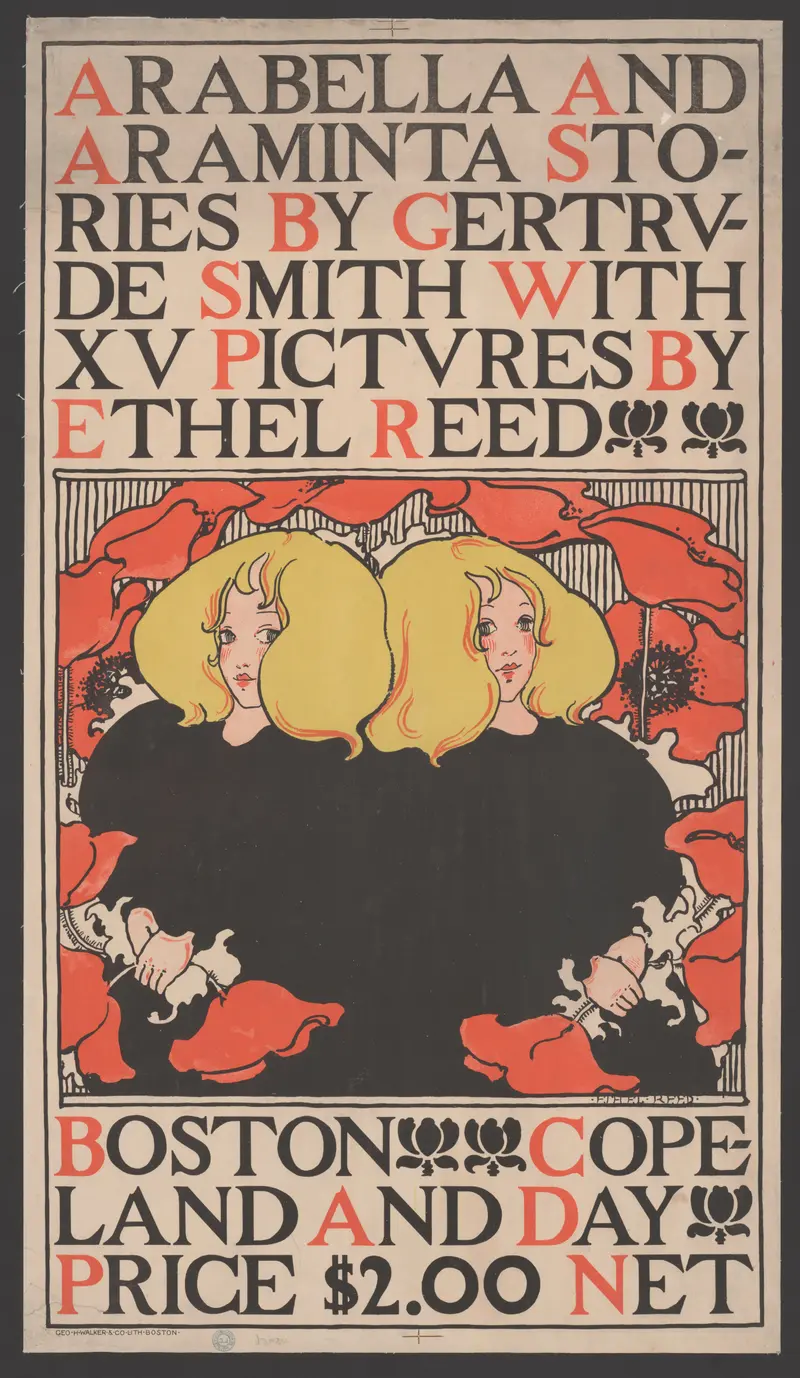
Arabella and Araminta Stories
Ethel Reed





