
In Limburg — History & Facts
When did color learn to lie? In a world bursting with vibrancy, the fragility of truth often hangs by a thread. Look to the left at the delicate interplay of muted greens and browns that seem to breathe with the environment. Grondhout's brushwork weaves a tapestry of textures, from the smooth strokes of the water to the roughness of the nearby foliage. The soft, diffused light bathes the scene, illuminating the subtleties of the landscape while casting gentle shadows that whisper secrets beneath the surface. Delve deeper into the painting, and notice the contrasting elements that reveal a tension between serenity and transience.
The water's reflective quality suggests a fleeting moment, while the encroaching shadows hint at the inevitable passage of time. Fragility is underscored in the way the light plays upon the surface, almost as if it could evaporate at any instant, leaving behind nothing but a memory. Each detail—whether the stillness of the water or the sway of the trees—evokes a deep sense of yearning. Created during a tumultuous period in 1916, the artist was navigating both personal and external upheaval in Europe.
Grondhout’s life was marked by the shadows of war and change, influencing his portrayal of the natural world. In this work, he captures a moment that reflects not only the beauty of Limburg but also the delicate balance of existence during a time when everything felt precariously poised between light and dark.
More Artworks by Willem Adrianus Grondhout
Browse all →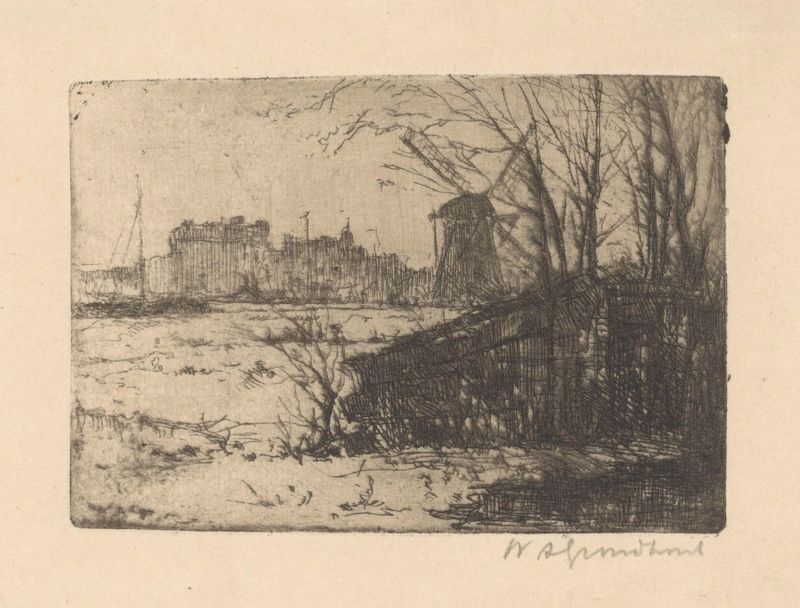
Landschap met molen in de Binckhorst in Den Haag
Willem Adrianus Grondhout
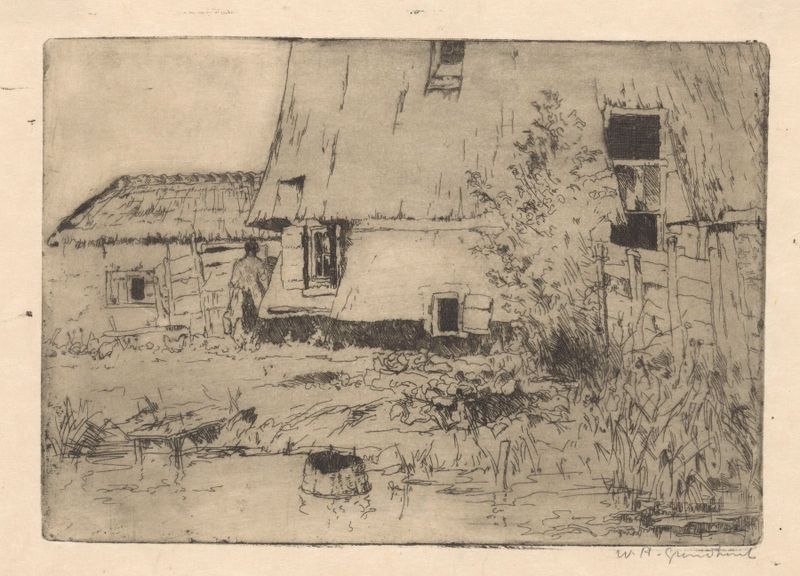
Voet van een molen in Voorburg
Willem Adrianus Grondhout
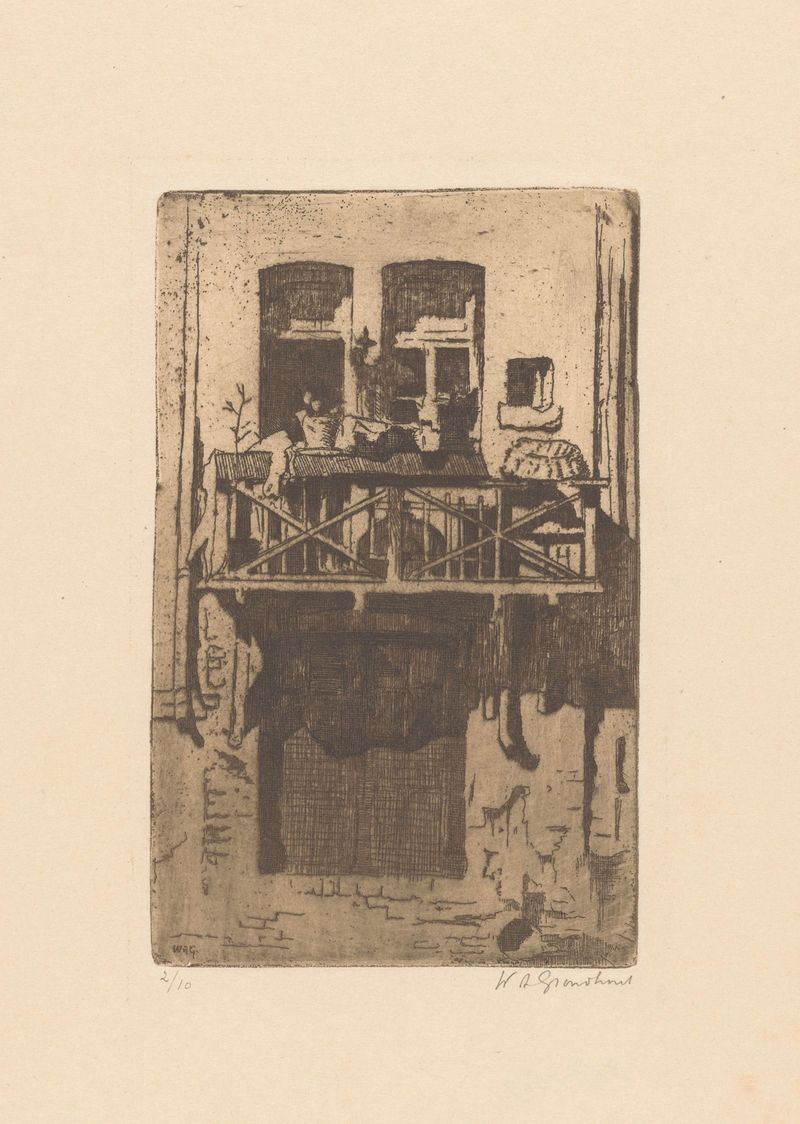
Balkon van een huis aan de Oudezijds Kolk in Amsterdam
Willem Adrianus Grondhout
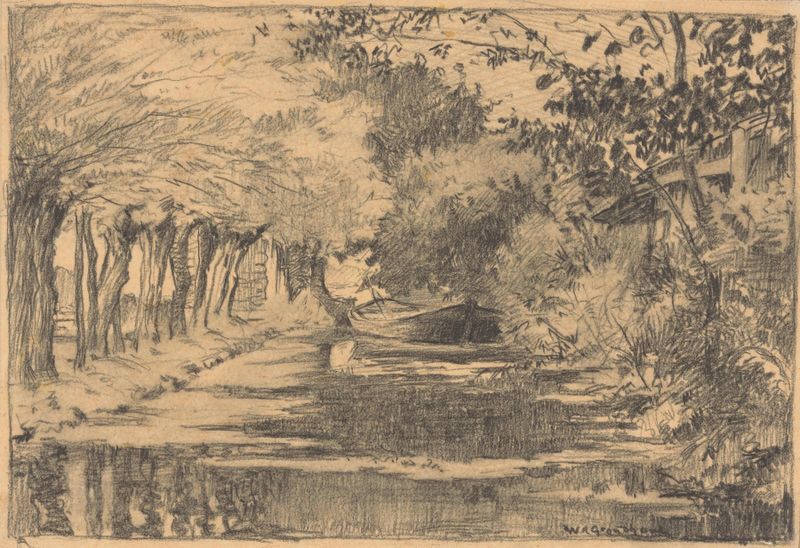
Broeksloot bij Voorburg
Willem Adrianus Grondhout
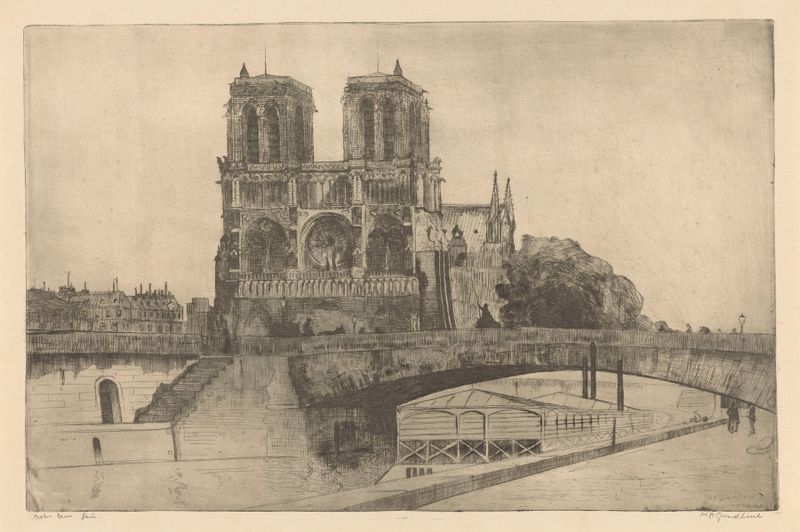
Notre-Dame, Paris
Willem Adrianus Grondhout
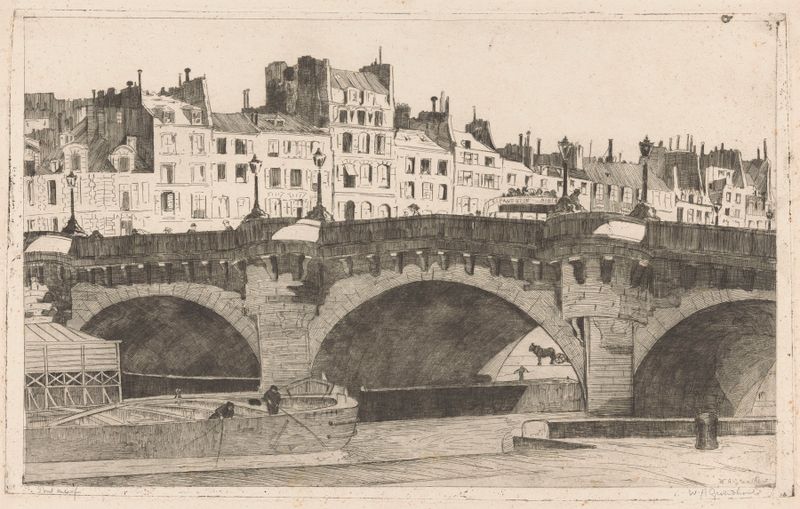
Pont Neuf
Willem Adrianus Grondhout
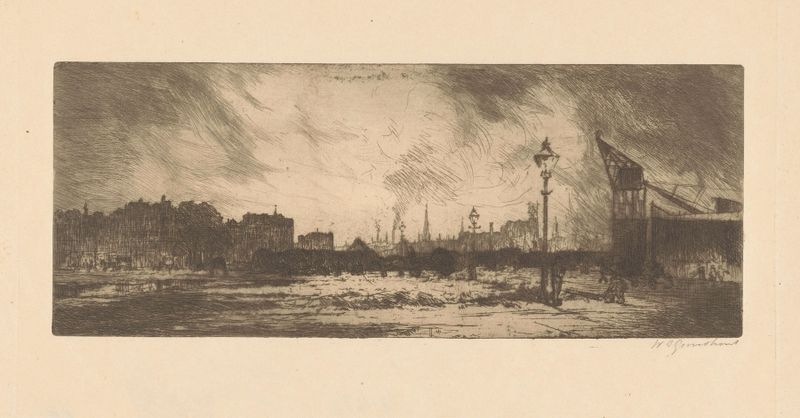
Havenkade met lantaarnpalen in Rotterdam
Willem Adrianus Grondhout
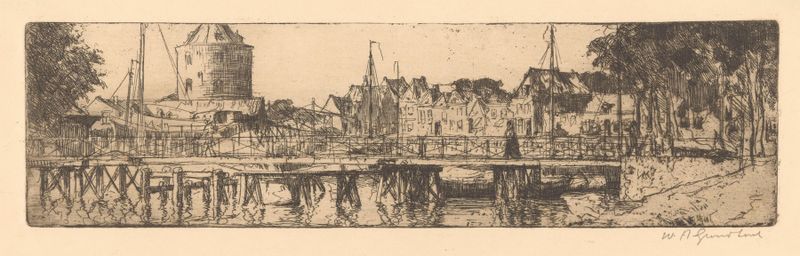
Enkhuizen
Willem Adrianus Grondhout
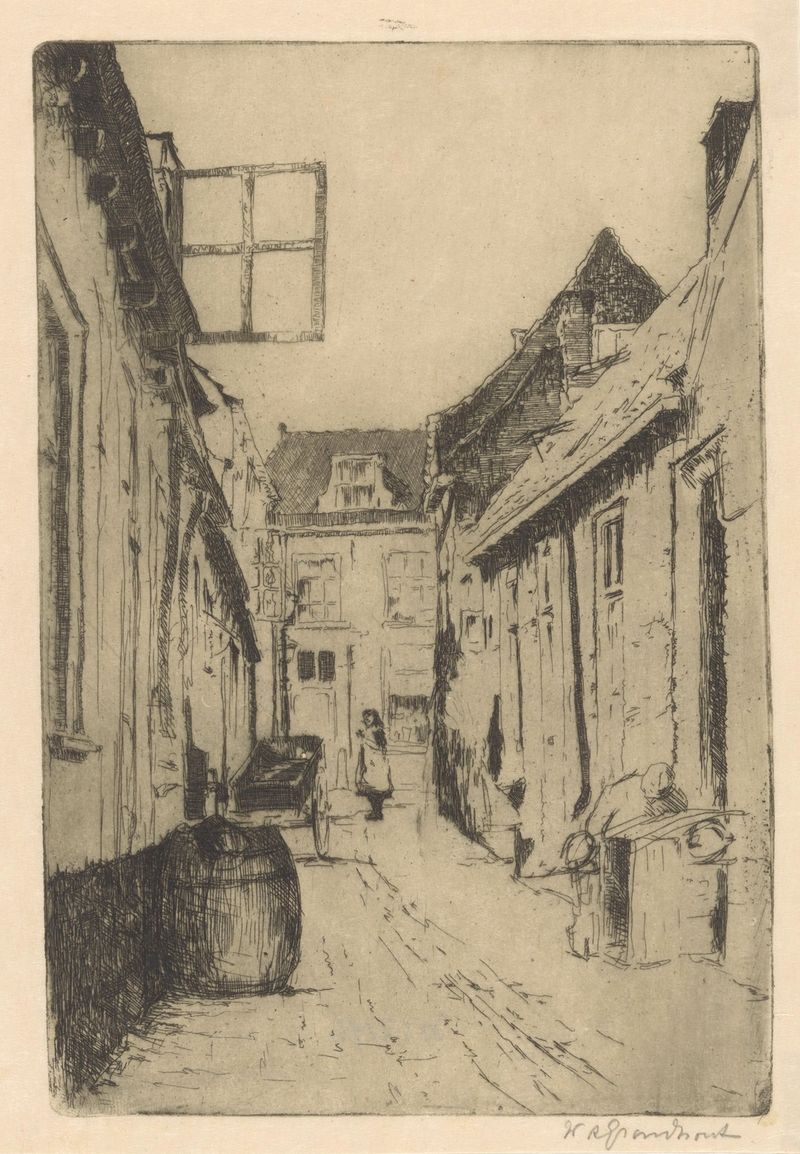
Straatje in Voorburg.
Willem Adrianus Grondhout
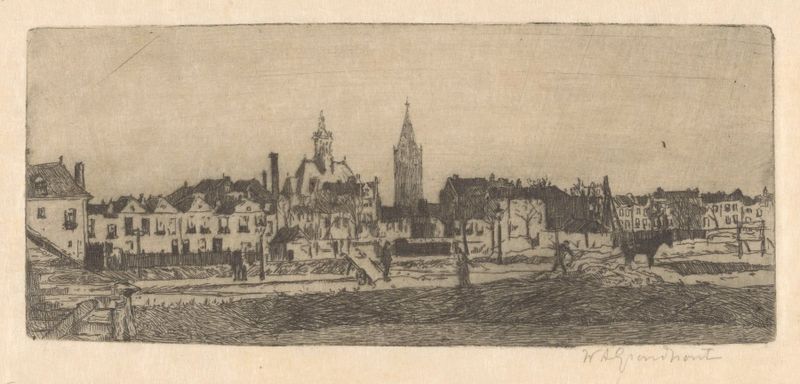
Delft
Willem Adrianus Grondhout





