
In Mexico — History & Facts
What if beauty was never meant to be finished? This thought lingers in the air as one gazes upon the vibrant, raw energy captured in the depths of the canvas. A sense of innocence clings to every brushstroke, inviting the viewer to reflect not just on the image but on the essence of life itself. Look to the left at the gentle curves of the landscape, where sunlight bathes the earth in warm golden hues. These colors radiate a sense of warmth and serenity, while the figures, adorned in traditional clothing, interact harmoniously with their surroundings.
Notice how the intricate patterns in their garments echo the texture of the land, showcasing a profound connection between humanity and nature, a deliberate choice by the artist to blur the lines between the two. Delving deeper, one might uncover layers of complexity beneath the surface. The figures, though engaged in labor, emanate a lightness that speaks to the joy found in simplicity. Their expressions reflect not just duty but a celebration of life, contrasting with the tumult of the post-war reality beyond the frame.
This juxtaposition between innocence and the encroaching shadows of the world invites contemplation on the fragility of joy and the resilience of the human spirit. Created in 1918, this piece emerged during a transformative period for William Henry Holmes, who was deeply influenced by the landscapes and cultures he encountered in Mexico. As the world grappled with the aftermath of World War I, his work became a sanctuary of beauty and reflection, showcasing not only his artistic journey but also a yearning for peace rooted in the vibrancy of life.
More Artworks by William Henry Holmes
Browse all →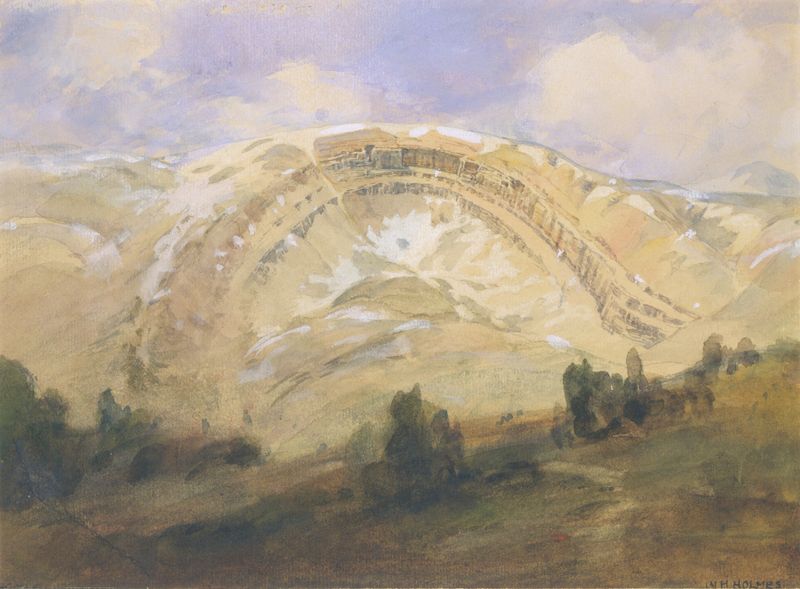
Folded Strata, A Great Geological Arch, Colorado
William Henry Holmes
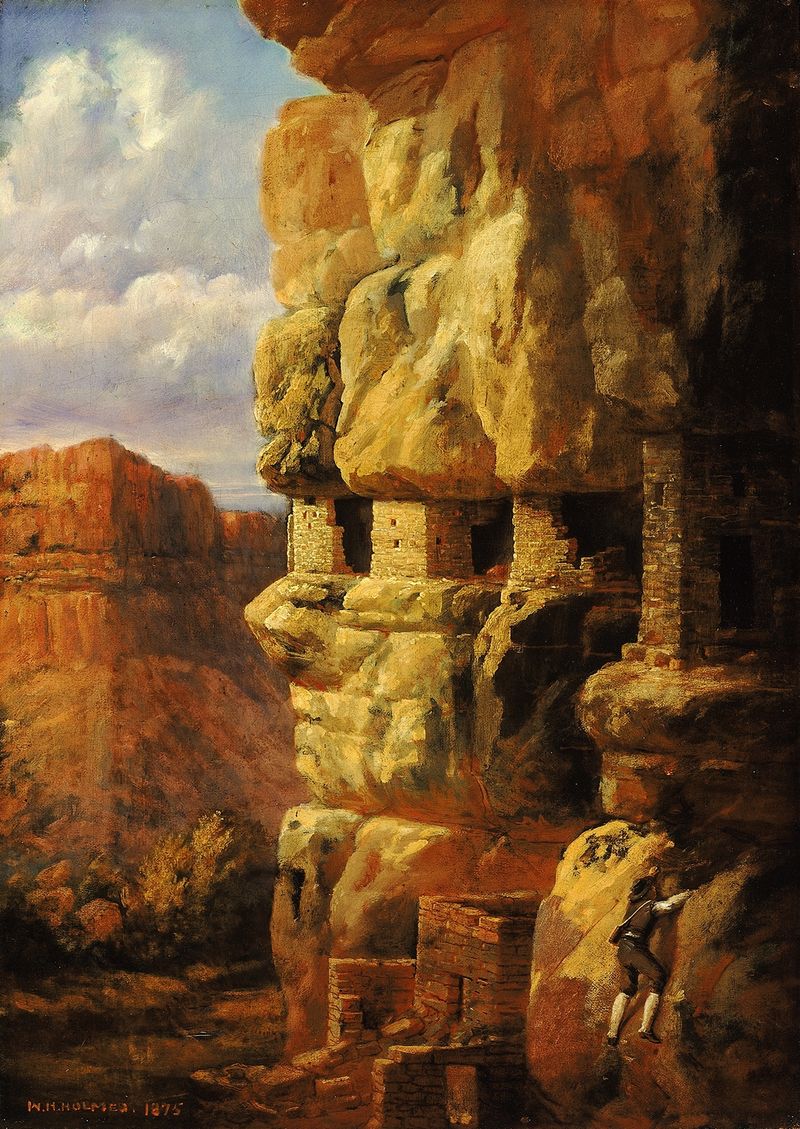
Cliff Houses On The Rio Mancos, Colorado
William Henry Holmes
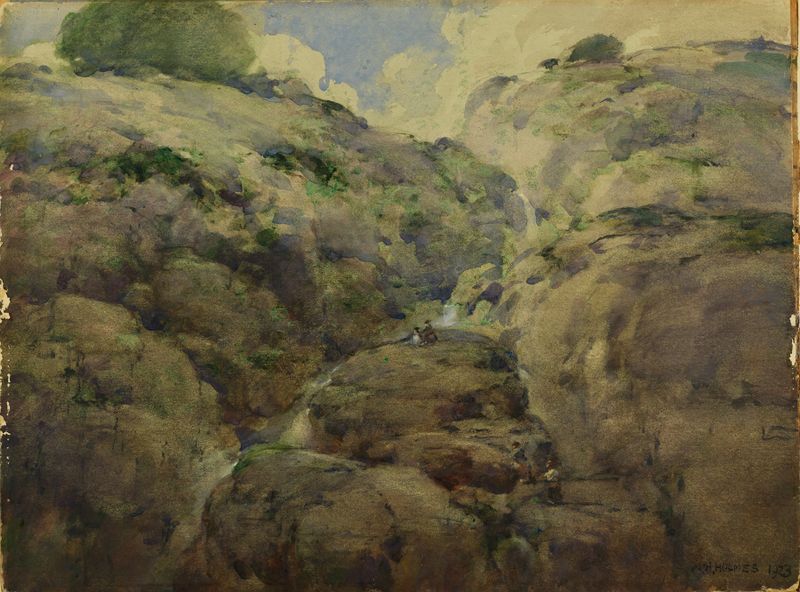
Mountain Gorge, Colorado
William Henry Holmes
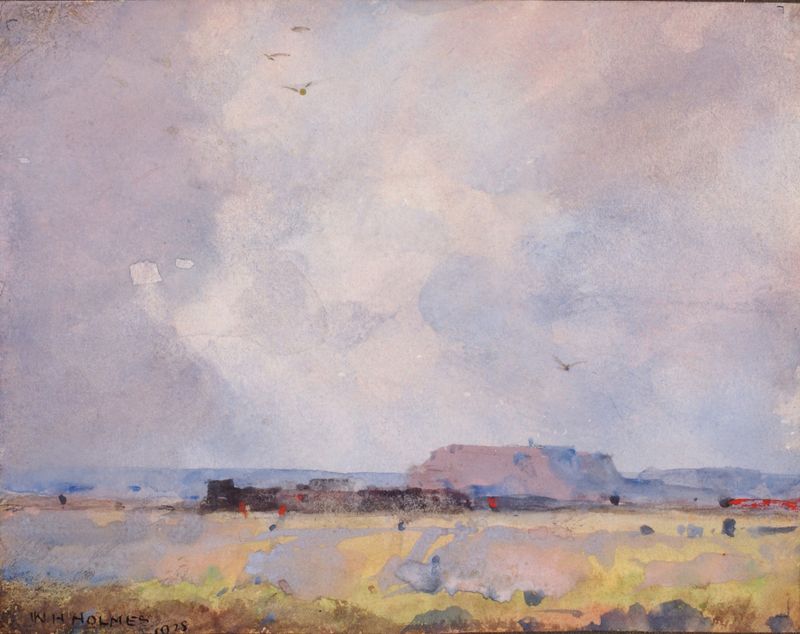
In The Plateau Country, With An Inhabited Pueblo
William Henry Holmes
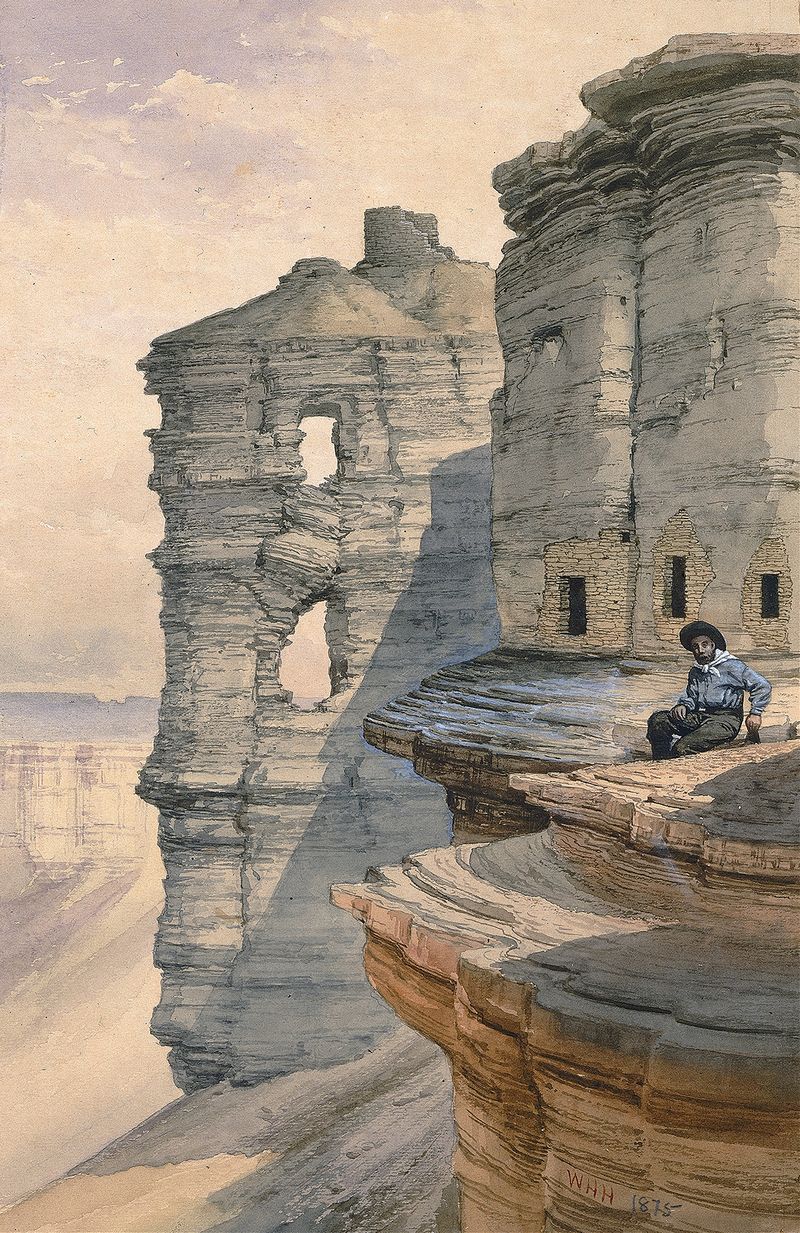
Cliff Houses on the Rio Mancos, Colorado
William Henry Holmes
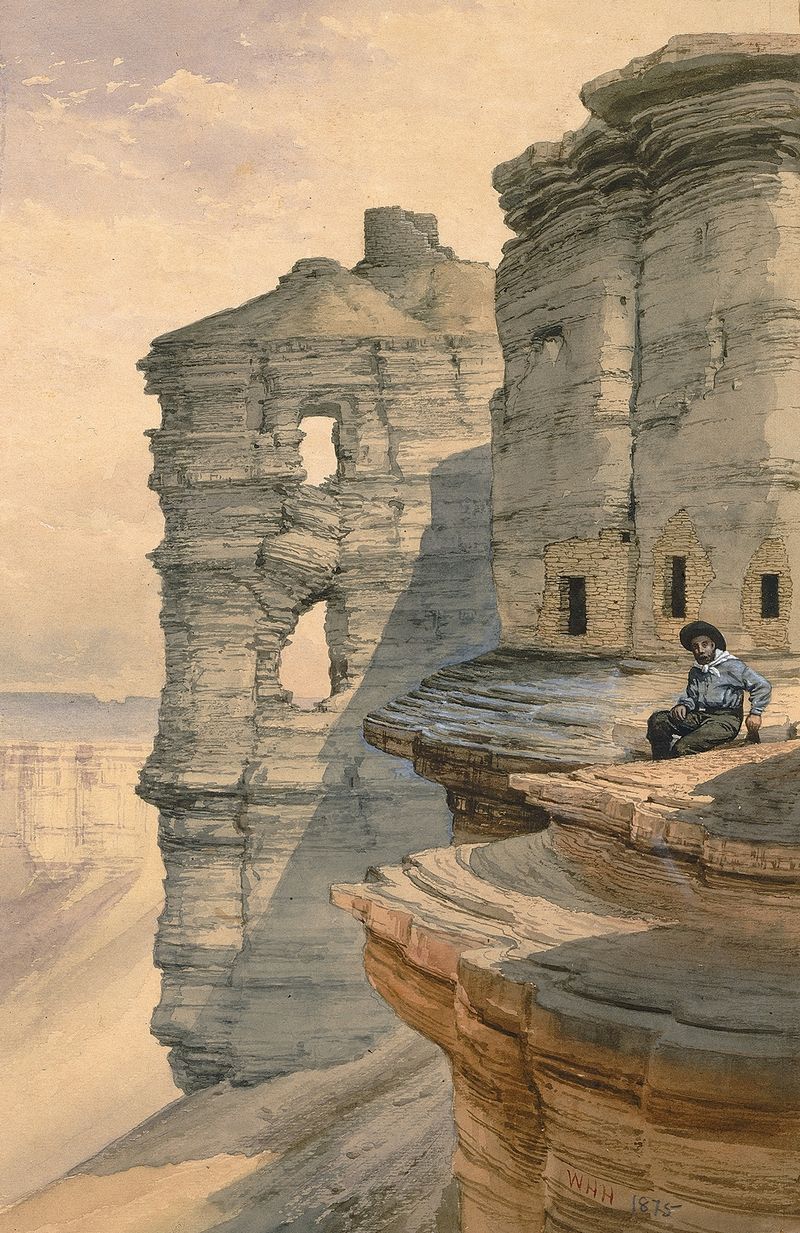
Cliff Houses On The Rio Mancos, Colorado
William Henry Holmes
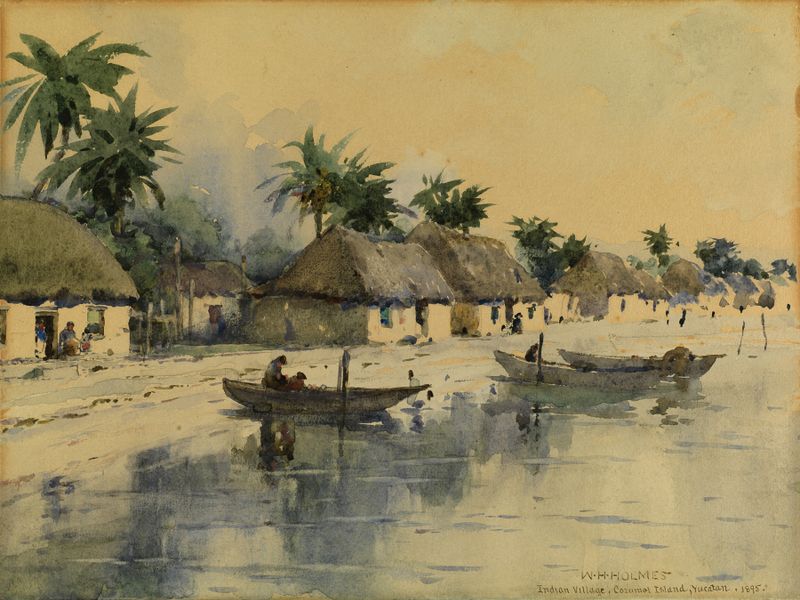
Indian Village, Cozumel Island, Yucatan
William Henry Holmes
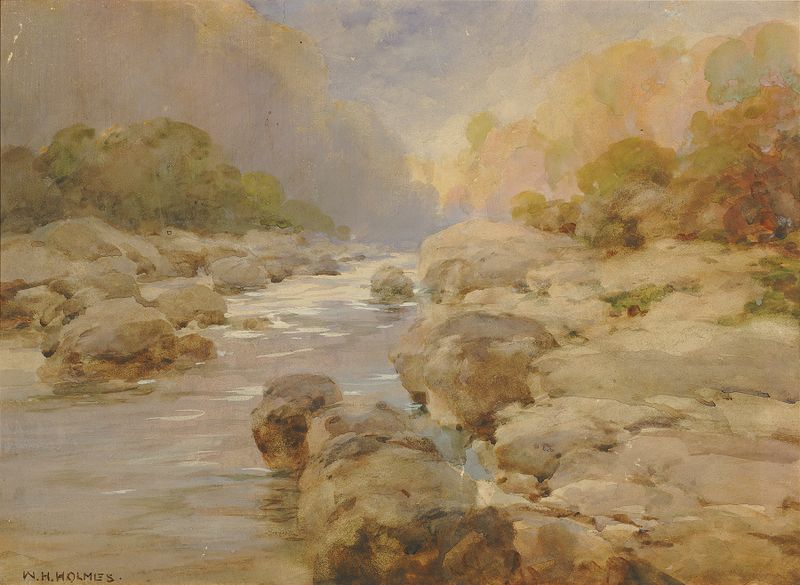
Unmodified Rock Creek, About 1910
William Henry Holmes
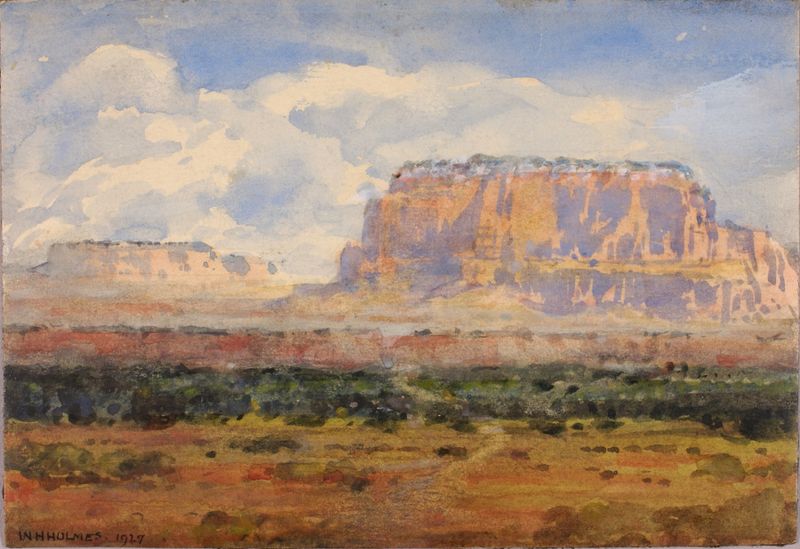
The Enchanted Mesa
William Henry Holmes
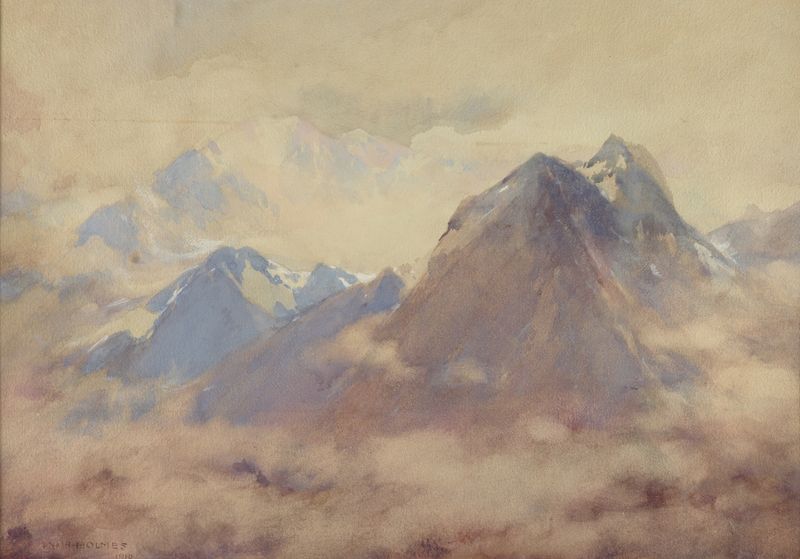
The Almighty’s Own, An Impression Of The High Andes
William Henry Holmes





