
In the forest — History & Facts
In a world where truth intertwines with nature, a moment captured on canvas reveals a deeper reality beyond mere observation. The forest whispers secrets, inviting us to explore the delicate balance between illusion and authenticity. Look to the left, where dappled sunlight filters through a canopy of leaves, casting intricate shadows across the forest floor. The vibrant greens are punctuated by flecks of gold and amber, guiding your gaze toward the center where a solitary figure stands.
Notice the fluidity of the lines, almost as if they dance with the wind, accentuating the gentle sway of branches and the stillness of the observer, poised in contemplation. Within this moment, contrasts emerge—between light and shadow, solitude and connection, reality and imagination. The figure, though alone, is enveloped by nature, suggesting an introspective journey toward truth. The vibrant colors evoke emotions of warmth and nostalgia, yet the subtle brushwork conveys a sense of transience, as if the scene could dissolve into the ether at any moment.
Each stroke resonates with the viewer’s own experiences, reminding us that truth often lies in the spaces between the visible and the felt. In 1897, Charles Conder found himself in Australia, exploring the richness of its landscapes and cultures. As the impressionist movement flourished, he sought to blend his own experiences with the beauty around him. This period marked a significant evolution in his style, embracing both spontaneity and technique, and In the Forest stands as a testament to his pursuit of the delicate truths woven into the fabric of everyday life.
More Artworks by Charles Conder
Browse all →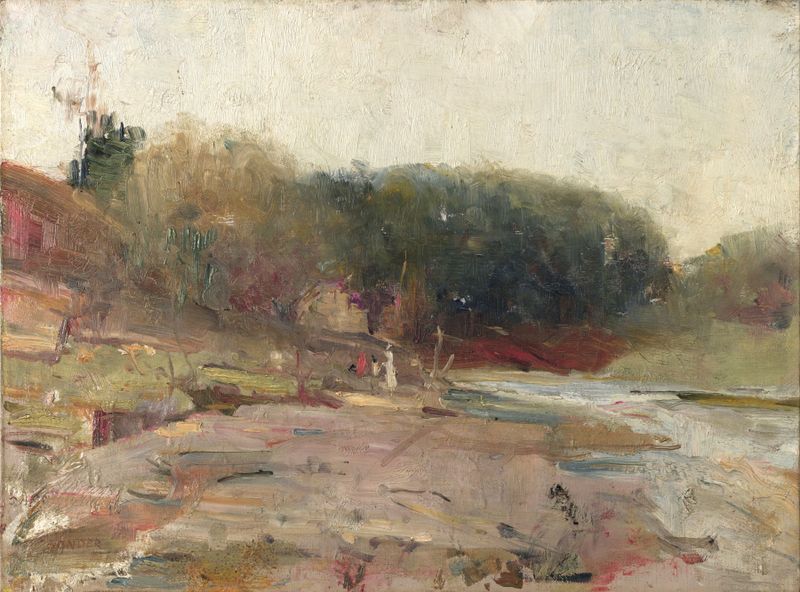
On the River Yarra, near Heidelberg, Victoria
Charles Conder
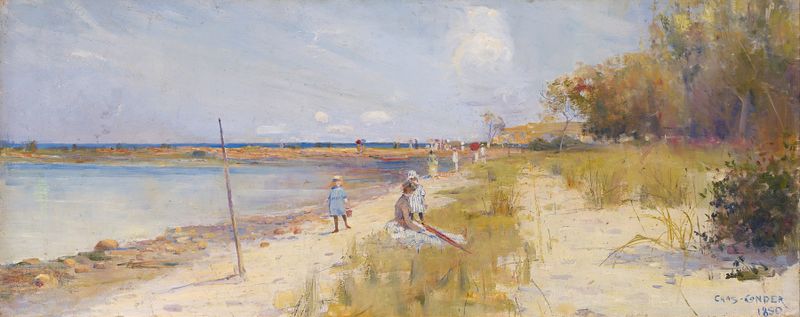
Rickett’s Point
Charles Conder

Sunset, Sydney Harbour
Charles Conder

Australian landscape
Charles Conder

Riddell’s Creek
Charles Conder
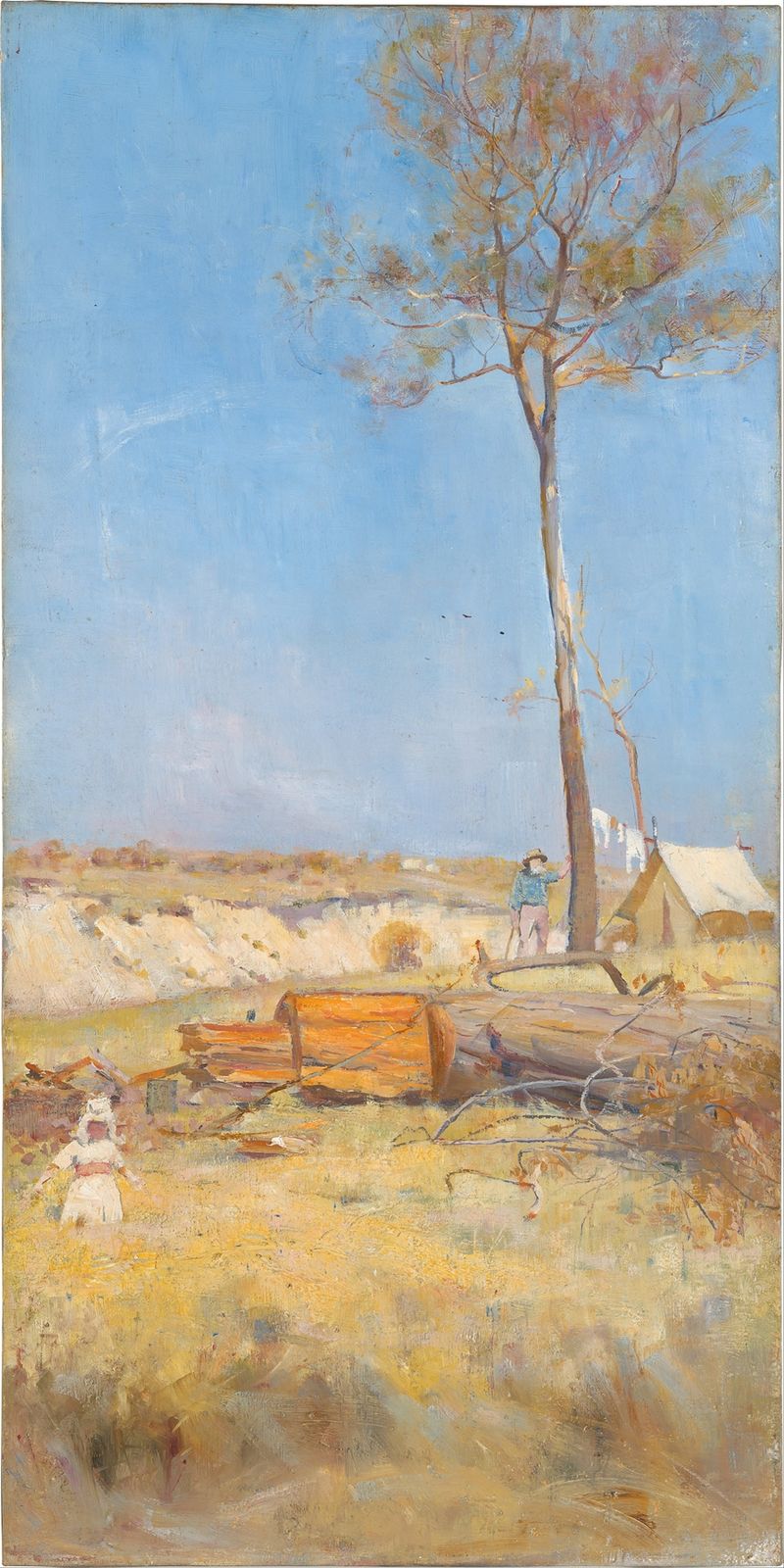
Under a southern sun
Charles Conder
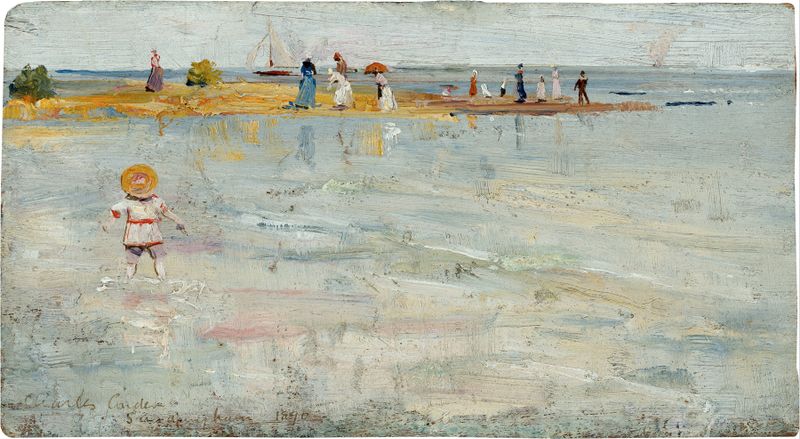
Ricketts Point, Beaumaris
Charles Conder

Going home
Charles Conder
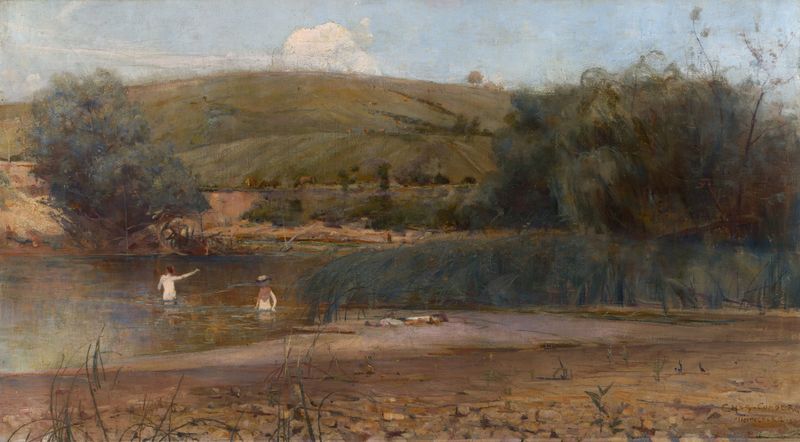
The Yarra, Heidelberg
Charles Conder
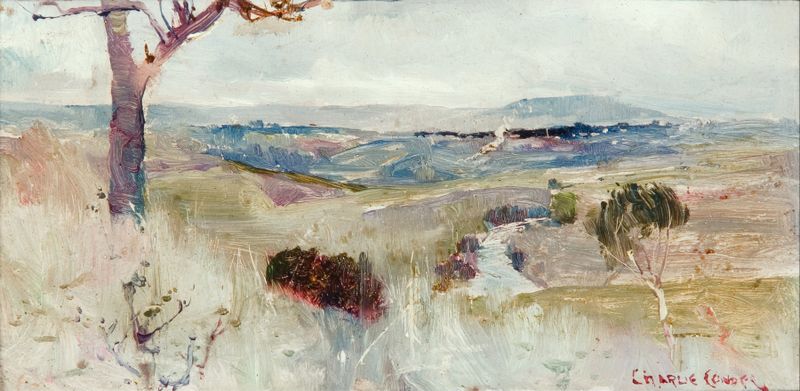
Dandenongs from Heidelberg
Charles Conder





