In the garden — History & Facts
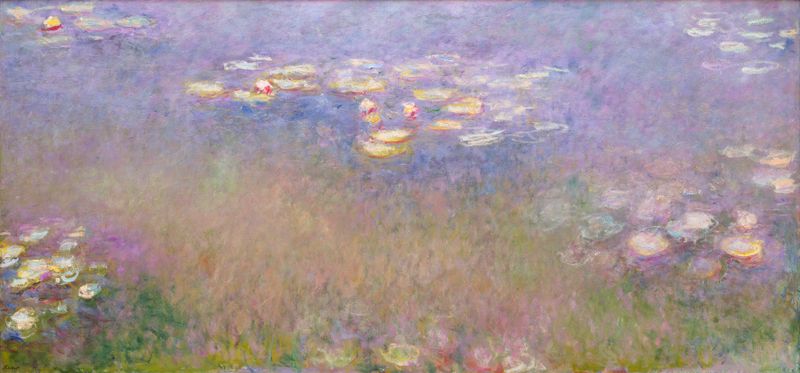
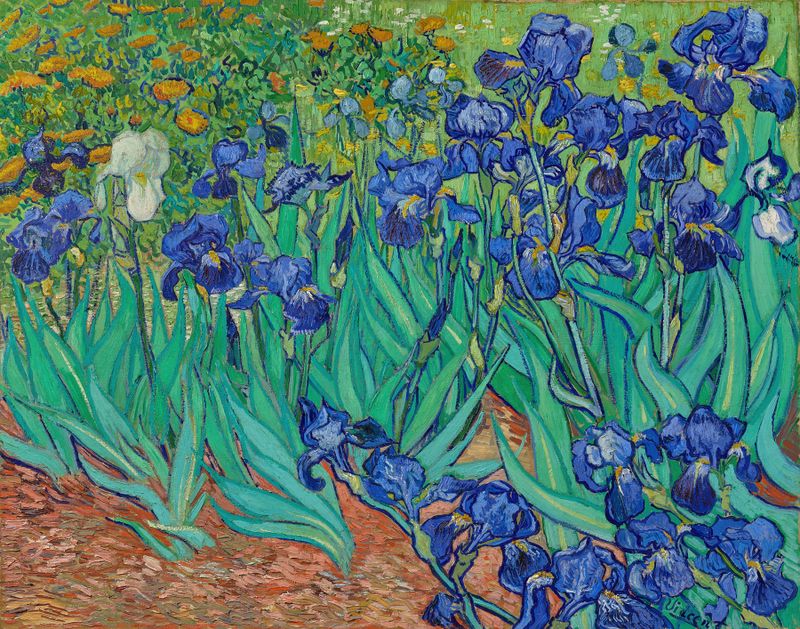
A gentle breeze stirs the leaves, rustling their edges like whispered secrets. In this garden, vibrant flowers bloom in a riot of colors, as laughter and shouts echo from children playing nearby. The sunlight spills through the branches, casting dappled patterns on the ground, creating a scene of chaotic joy, yet tinged with fleeting moments of stillness. Focus on the left side of the canvas, where a cluster of bold red and yellow blossoms bursts forth, drawing your eye with their radiant energy.
Notice how the painter employs swift brushstrokes that seem almost frenetic, capturing the essence of life in motion. The delicate greens that cradle these blooms create a striking contrast, grounding the vibrancy with a sense of order amidst the chaos. Shadows dance beneath the foliage, further enhancing the scene's dynamic quality. Yet, amidst this visual cacophony, small details whisper deeper truths.
The way the light filters through the leaves suggests transience, as if time is fleeting in this moment of exuberance. The children’s laughter hides the complexities of adulthood just beyond the garden's gate, hinting at a world filled with responsibilities yet untouched by the innocence of youth. This tension between chaos and stillness, freedom and obligation, permeates the painting, inviting viewers to ponder the balance of their own lives. In 1901, In the Garden was created during a time when Leopold von Kalckreuth was deeply engaged with the natural world, seeking to capture not just its beauty but its essence.
Living in Germany and influenced by the burgeoning expressionist movement, he aimed to transcend mere representation, merging emotion with the vibrancy of everyday moments. The artwork reflects both his personal journey and the evolving landscape of art, where chaos and order coexist harmoniously.