
In The Garden Of The Rose And Crown — History & Facts
In the gentle embrace of twilight, a lush garden unfolds, filled with the muted colors of blooming roses. Figures linger among the petals, their laughter soft and distant, woven into the scent of earth and blossoms. The low sun casts a warm glow, illuminating the tender moments shared that feel both ephemeral and eternal. Look to the left at the elegantly arching rose trellis, its blossoms bursting forth in vibrant shades of pink and red.
Notice how the light dances upon the petals, lending them a soft luminescence as shadows stretch long across the ground. The composition draws the eye inward, inviting you to linger among the figures caught in intimate conversation, framed by the verdant beauty surrounding them. Beneath the surface of this idyllic scene lies a profound sense of nostalgia, encapsulating fleeting moments of joy and connection. The juxtaposition of brightness against shadow evokes both warmth and melancholy, suggesting the bittersweet nature of memory.
Tiny details, like a discarded book resting on a bench or a playful breeze rustling the leaves, whisper stories of love, loss, and the passage of time. Elijah Walton painted In The Garden Of The Rose And Crown between 1850 and 1880, during a period marked by a growing interest in the Pre-Raphaelite movement and the celebration of nature. Living in England, Walton was influenced by the lush landscapes and romantic ideals of his contemporaries. The work reflects both personal longing and a broader cultural yearning for connection with nature and simpler pleasures in an increasingly industrial world.
More Artworks by Elijah Walton
Browse all →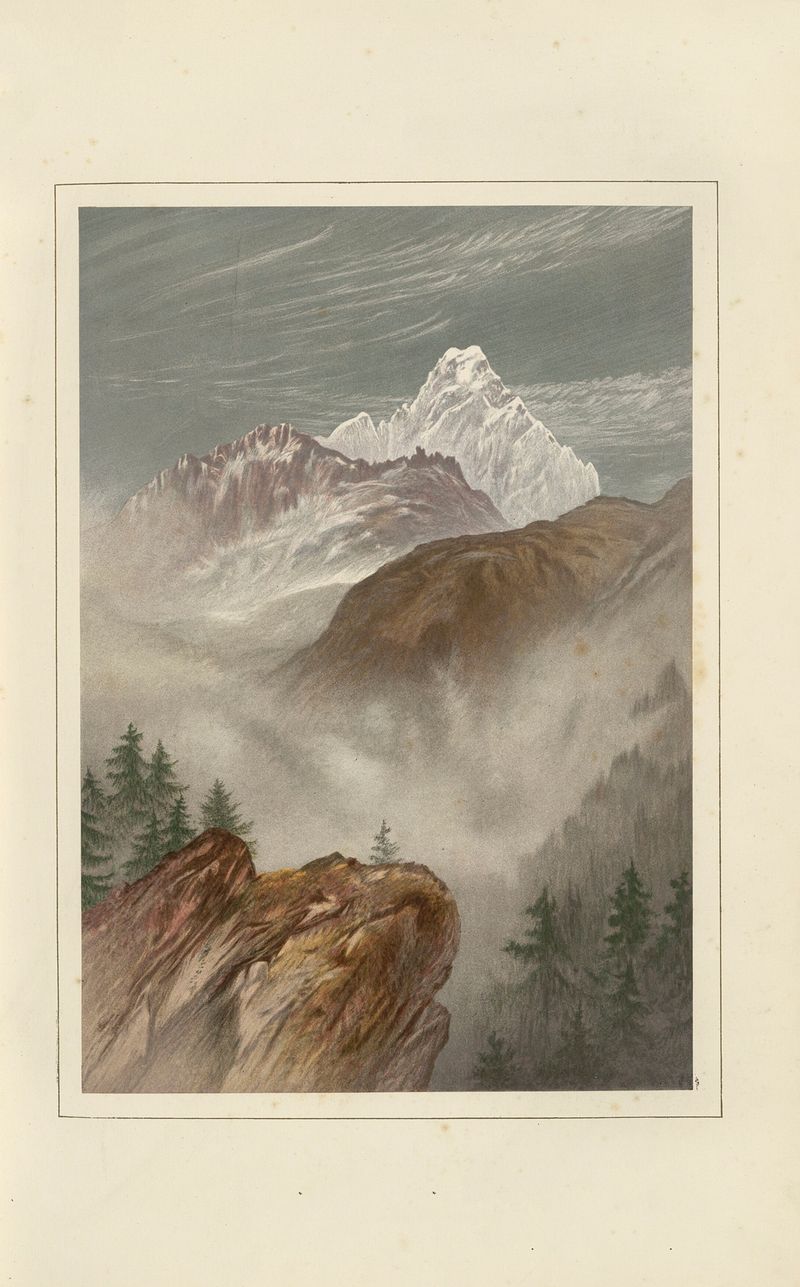
Monte Viso, from the south
Elijah Walton

The Matterhorn
Elijah Walton

The Gorner glacier
Elijah Walton

The Cascade de Roget and the Pointe de Salles
Elijah Walton
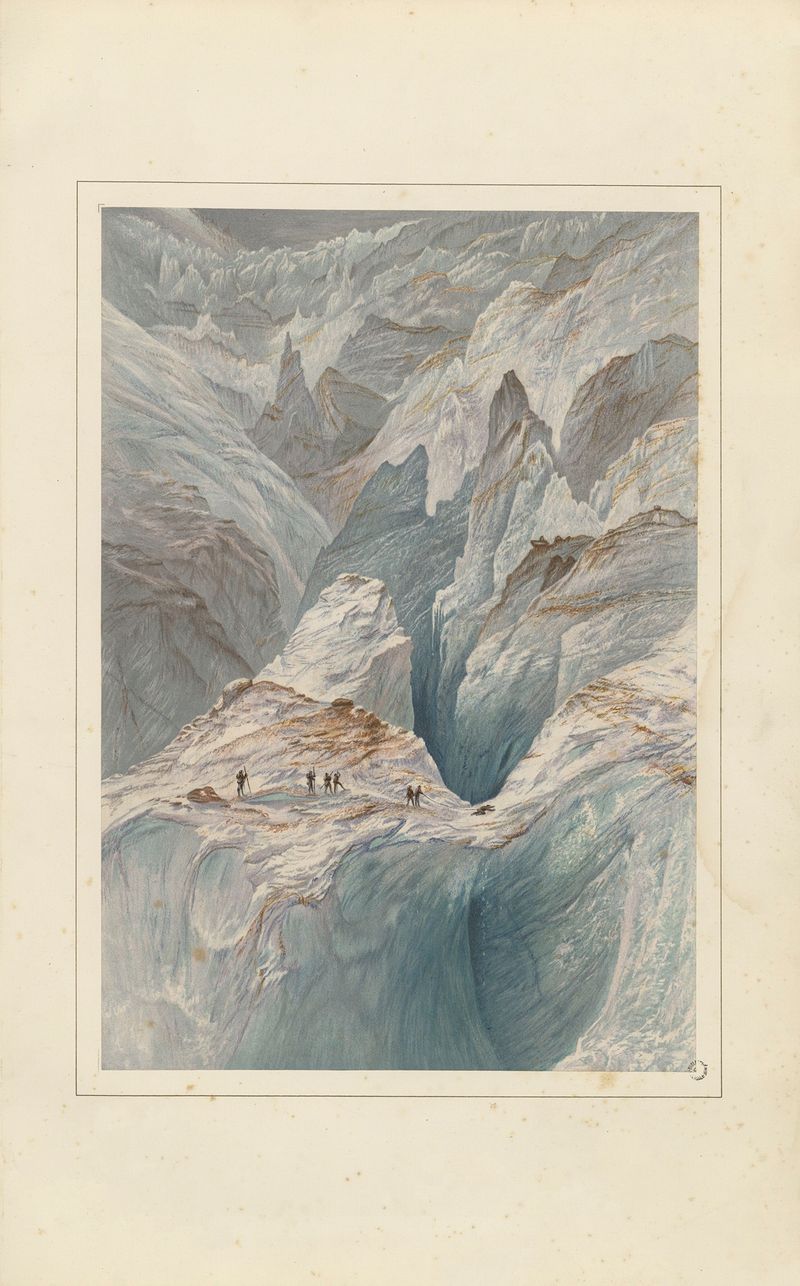
Crevasses on the Mer de Glace
Elijah Walton
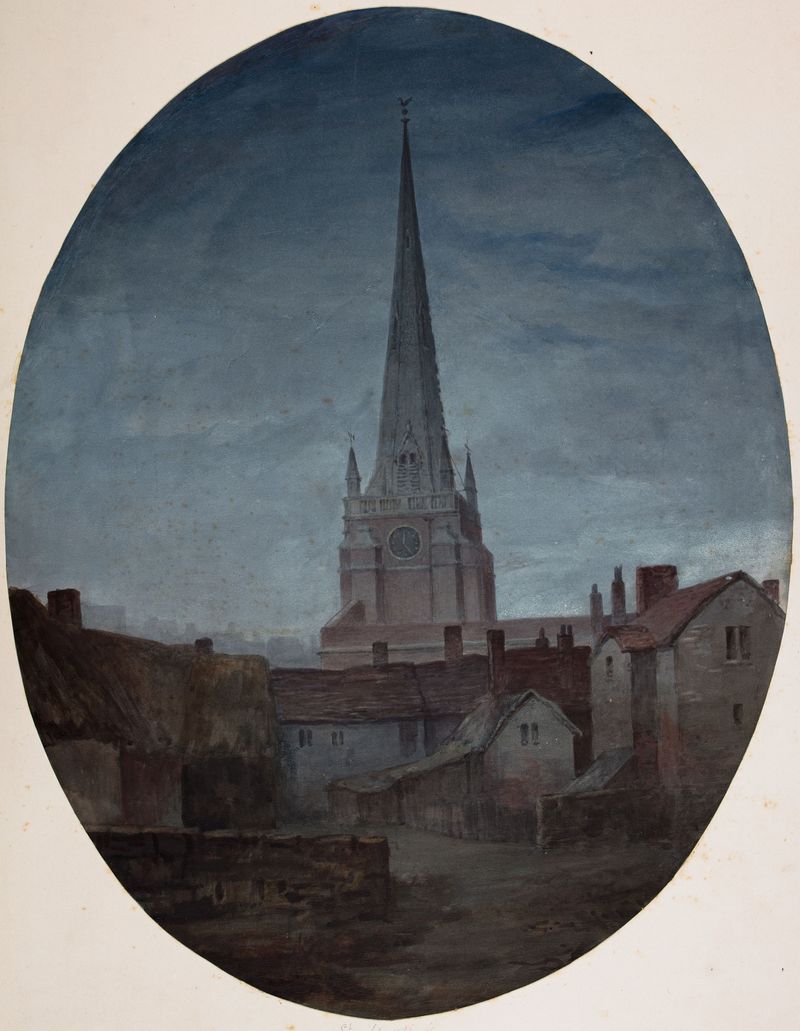
St Martin’s Church Birmingham, By Night
Elijah Walton

The Weisshorn, from near St. Niklaus
Elijah Walton

Monte Viso, from the Col de La Croix
Elijah Walton
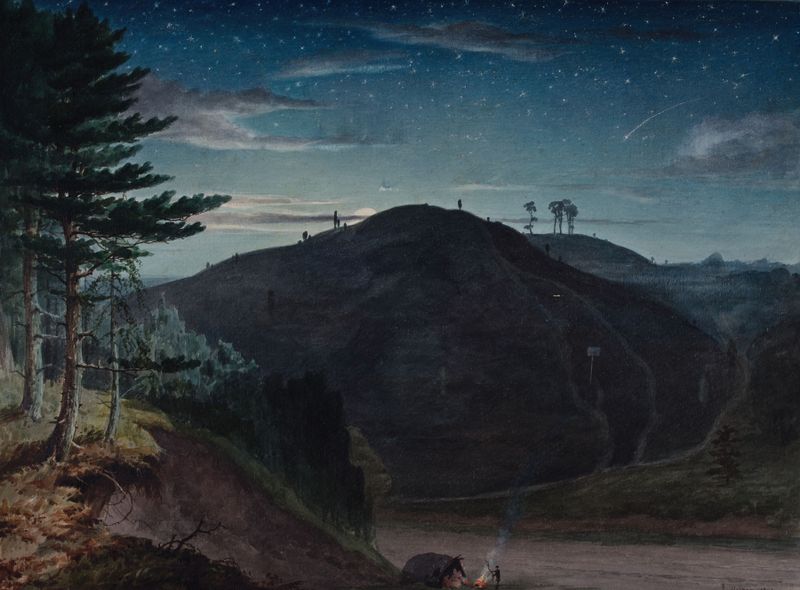
Cofton From Rednal, Moonlight
Elijah Walton
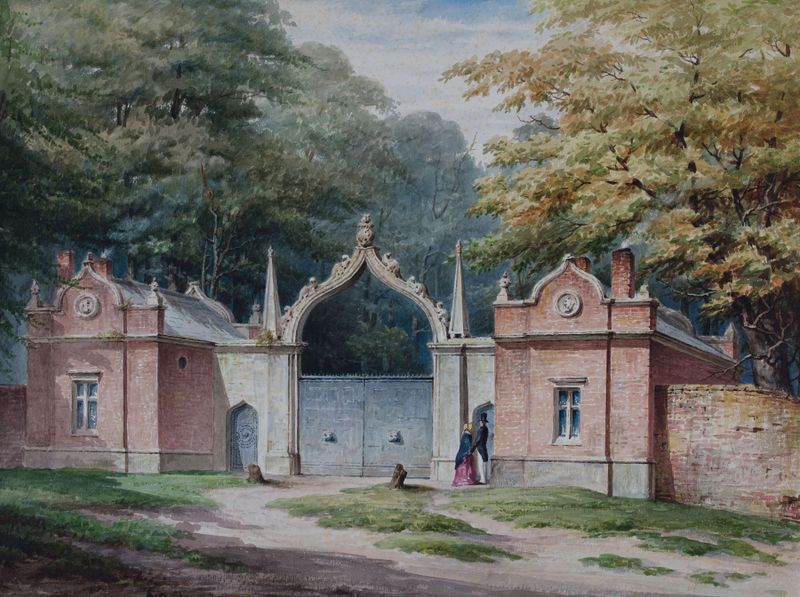
Lodge Gates, Entrance To Aston Hall
Elijah Walton





