
In the Pine Woods — History & Facts
Is this a mirror — or a memory? In In the Pine Woods, light dances through the branches, illuminating an enchanting world where nature breathes softly in shades of green and gold. Focus on the interplay of light and shadow as it spills across the canvas, guiding your gaze from the foreground, where rich earth tones convey the forest floor, to the bright canopy above. Notice how the artist employs gentle brushstrokes to illustrate the leaves, creating a shimmering effect that captures the fleeting essence of sunlight filtering through the trees. The composition draws you deeper into this tranquil grove, where every detail is both a celebration of nature and an invitation to pause. Beneath the surface of this serene setting lies a contemplation of solitude and reflection.
The varying tones of green evoke feelings of peace, yet there is an underlying tension in the way the trees stand tall and close, almost as if they guard secrets of the forest. This duality of welcoming tranquility and guarded stillness invites viewers to explore their own memories and connections to nature, linking the personal and the universal through the act of observation. Emil Carlsen painted In the Pine Woods in 1915, during a period of introspection marked by the tumult of World War I. Living in New York, he was influenced by the American art movement and the transition toward modernism, yet he remained deeply rooted in the natural world.
This piece reflects both his artistic pursuit of light and atmosphere, and a personal sanctuary amidst the chaos surrounding him.
More Artworks by Emil Carlsen
Browse all →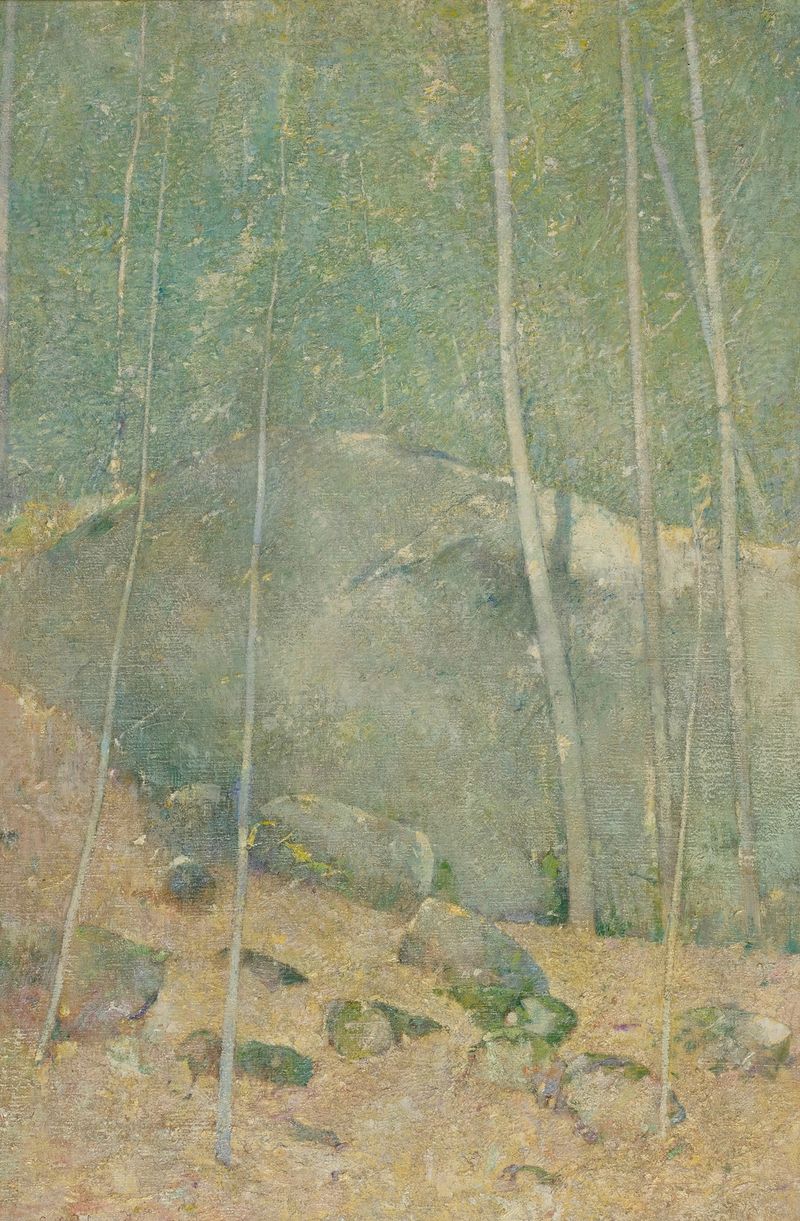
In The Maine Woods
Emil Carlsen
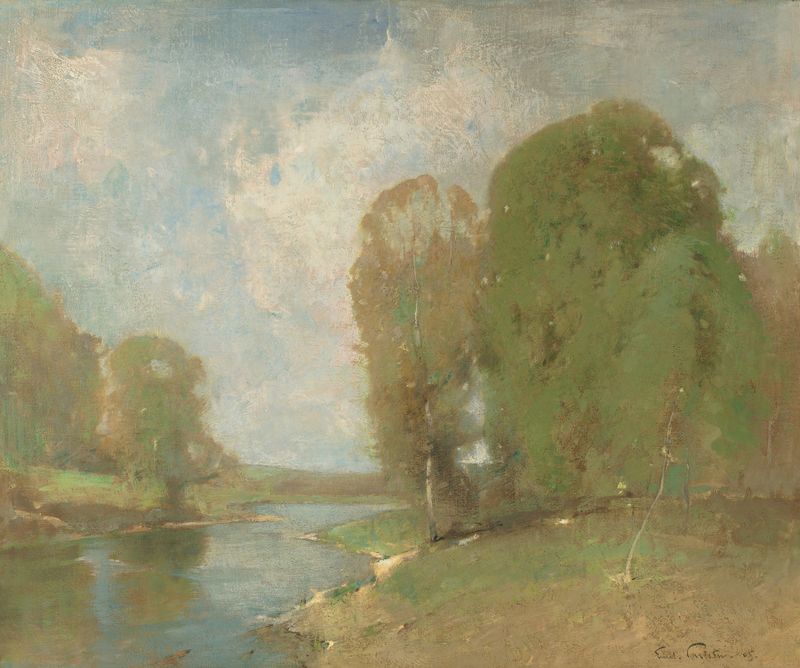
Meadow Brook
Emil Carlsen

Bald Head Cliff, York, Maine
Emil Carlsen
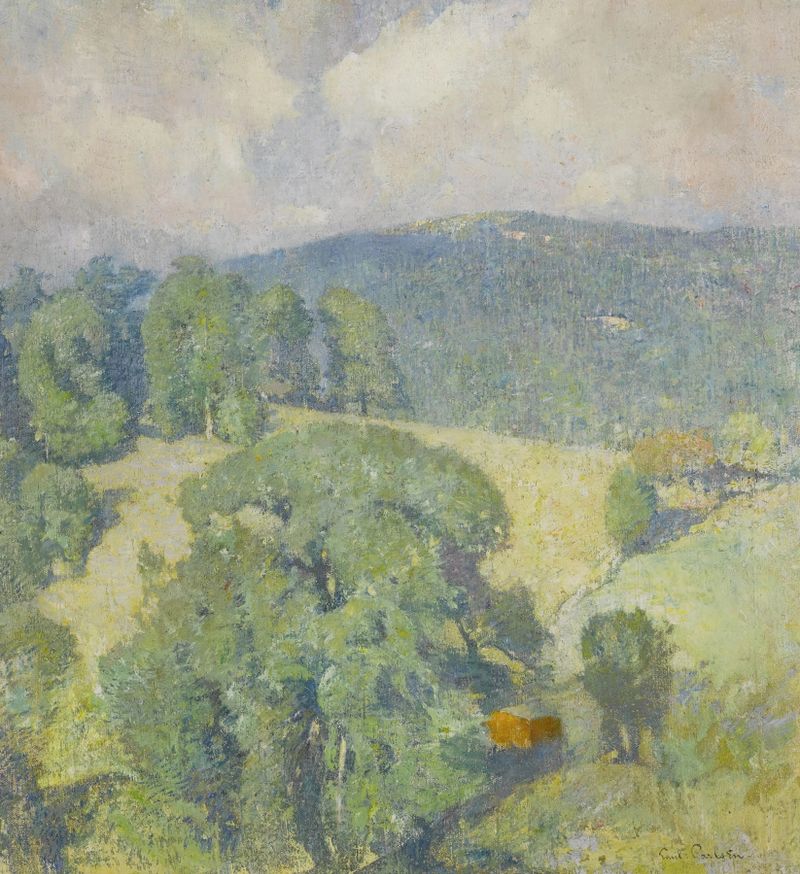
Connecticut Hillside
Emil Carlsen
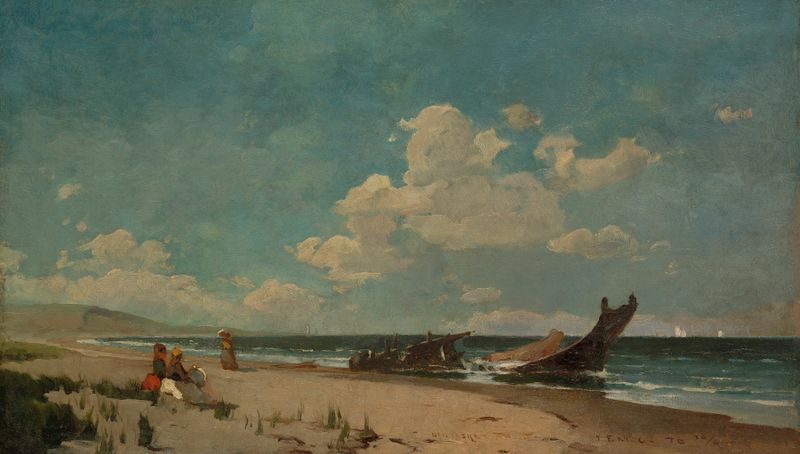
Nantasket Beach
Emil Carlsen

Nantasket Beach
Emil Carlsen

Fishing Boat on Shore
Emil Carlsen
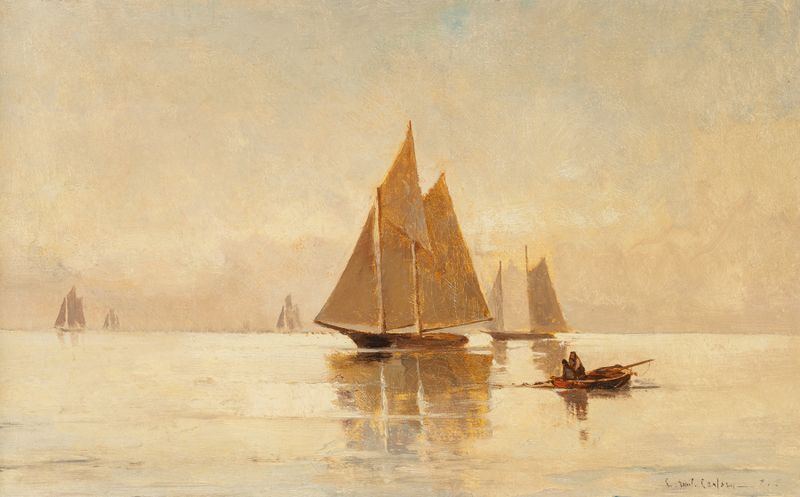
Sailboats in the Evening
Emil Carlsen

The South Strand
Emil Carlsen
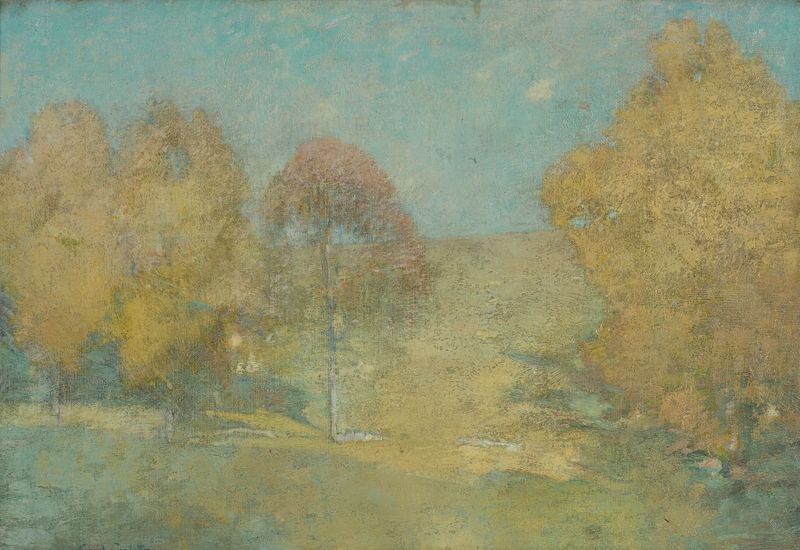
Autumn Morning-Fading Moon
Emil Carlsen





