
Nantasket Beach — History & Facts
Who listens when art speaks of silence? In Nantasket Beach, the quiet expanse of shore evokes a profound stillness, inviting contemplation while hinting at the subtle revolutions of nature and emotion that linger beneath its calm surface. Look to the horizon, where the gentle waves lap against the sandy shore, their rhythm a soothing presence in this serene landscape. Notice how the soft palette of blues and grays envelops the scene, invoking a sense of tranquility. The delicate interplay of light captures the fleeting moments of day, with sunlight shimmering on the water’s surface, creating a luminous path that draws the eye.
The composition is balanced, with the low horizon anchoring the viewer, while wisps of clouds drift lazily above, offering a contrast to the stillness below. The contrasts in Nantasket Beach speak volumes: the quiet of the shoreline against the subtle movement of the waves, the stillness of the sand juxtaposed with the distant, ever-changing sea. Each brushstroke carefully articulates a moment that feels timeless, yet it also suggests the inexorable passage of time. It carries an emotional weight, reflecting the inner world of the observer who gazes upon it, perhaps evoking nostalgia or yearning for the simplicity of life. In 1876, Emil Carlsen was honing his skills as a painter in Europe before settling in the United States, where he would become a prominent figure in American landscape painting.
During this period, the art world was experiencing a shift towards realism, influenced by the burgeoning Impressionist movement. This backdrop of change would inform his work, paving the way for contemplative pieces that blend natural beauty with an introspective gaze.
More Artworks by Emil Carlsen
Browse all →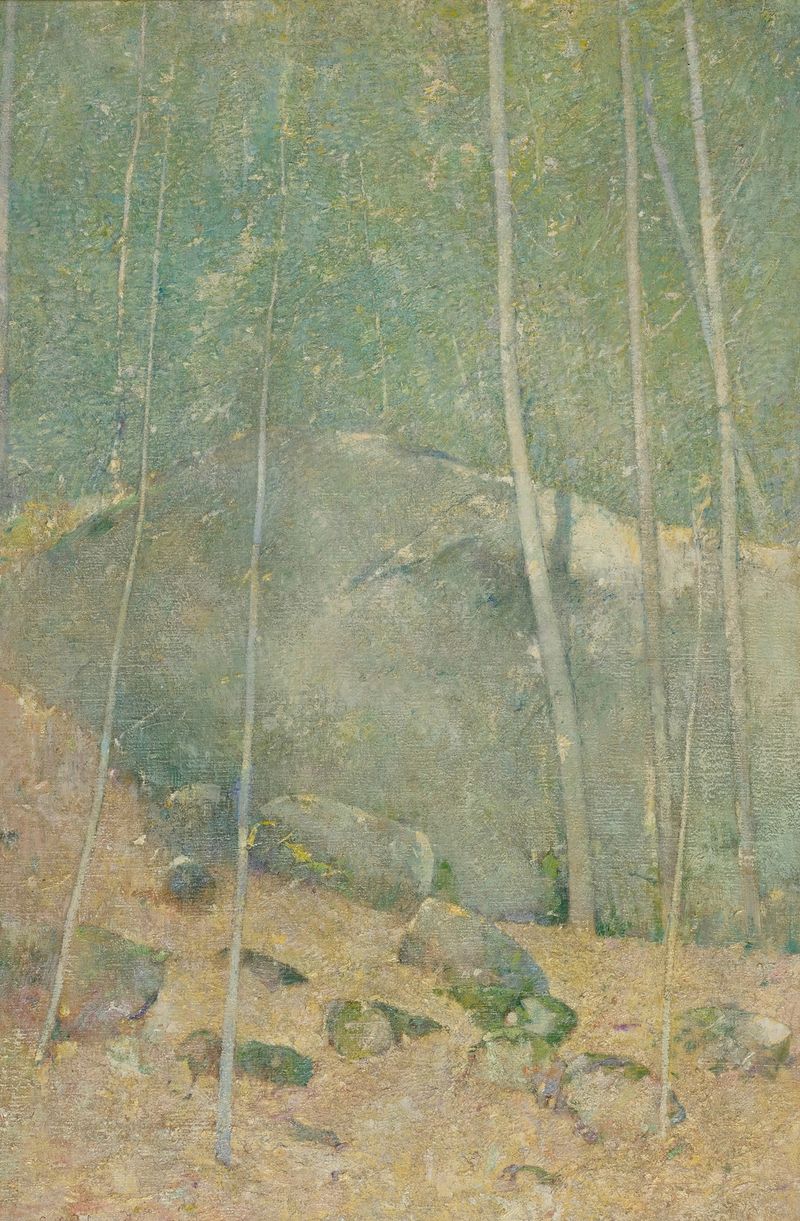
In The Maine Woods
Emil Carlsen
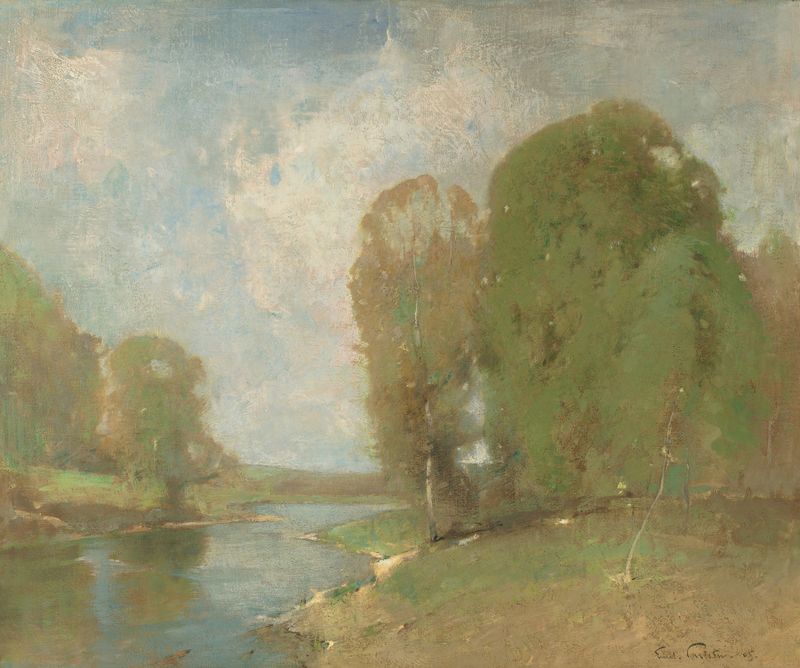
Meadow Brook
Emil Carlsen

Bald Head Cliff, York, Maine
Emil Carlsen
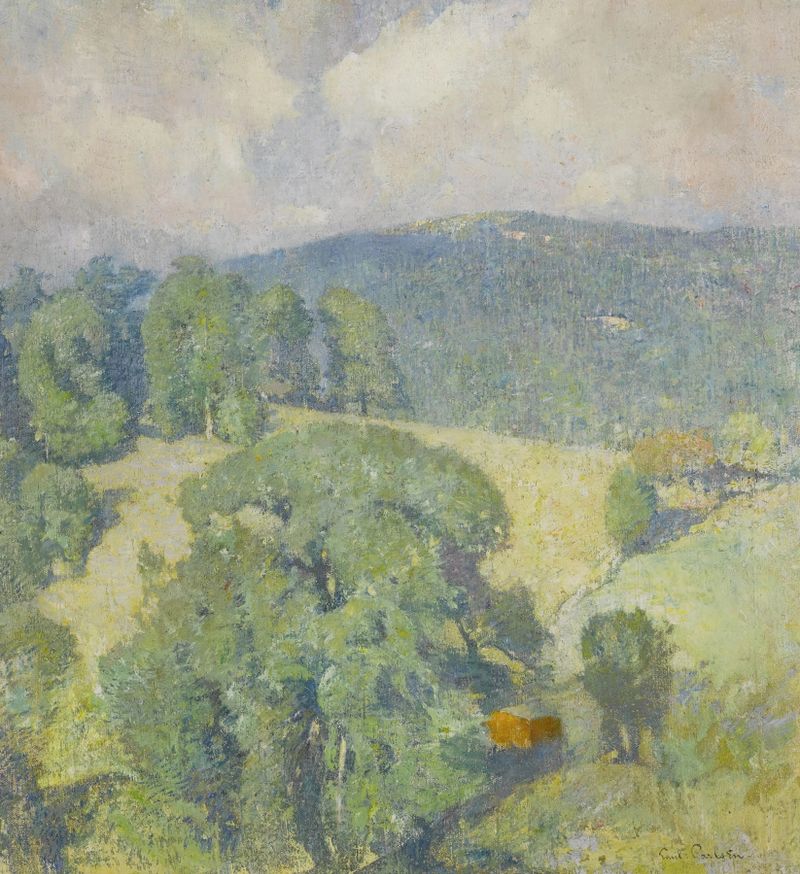
Connecticut Hillside
Emil Carlsen
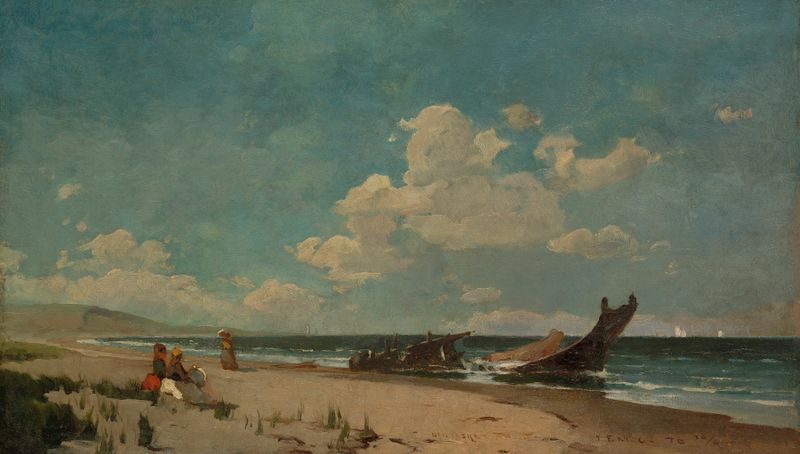
Nantasket Beach
Emil Carlsen

Fishing Boat on Shore
Emil Carlsen
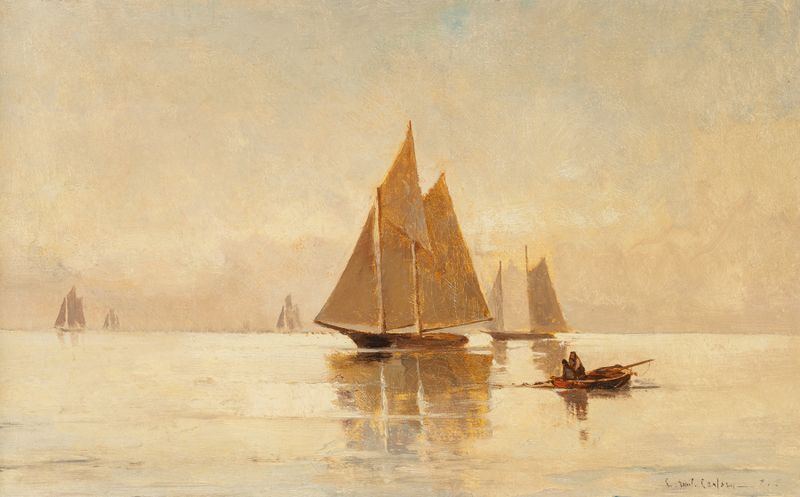
Sailboats in the Evening
Emil Carlsen

The South Strand
Emil Carlsen

In the Pine Woods
Emil Carlsen
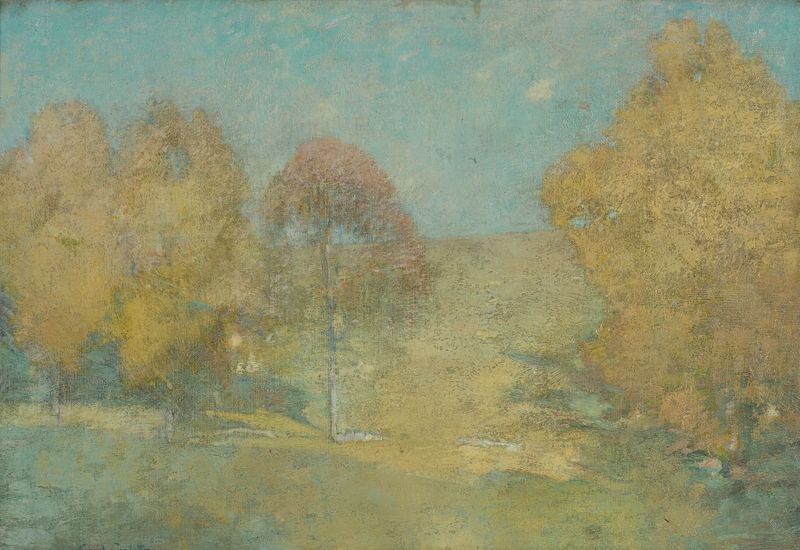
Autumn Morning-Fading Moon
Emil Carlsen





