
Sailboats in the Evening — History & Facts
Within its stillness, one can find the pulse of chaos, waiting to be unveiled. Look to the lower section of the painting, where delicate sailboats drift across a glassy expanse. The brushwork is deceptively smooth, suggesting a tranquil moment, yet the hues of deep indigo and fiery orange swirl together, hinting at an impending storm. Notice how the light interacts with the water's surface, as if the chaotic undercurrents are just below, ready to disrupt the calm.
These opposing colors create a visual tension that draws the eye across the canvas. Beneath the surface lies a battle between peace and unrest. The serene sailboats symbolize hope, yet their fragile presence contrasts sharply with the tumultuous sky, evoking a sense of vulnerability. The interplay of light and shadow also suggests an impending transition, as day gives way to night, reflecting the duality of existence — tranquility interrupted by the chaos of nature.
Each brushstroke speaks to the complexity of emotion, urging the viewer to contemplate the balance between serenity and discord. Emil Carlsen created this work around the turn of the 20th century, a period marked by significant changes in the art world and society. As movements like Impressionism and Symbolism flourished, artists were increasingly drawn to capturing the interplay of light and emotion. Carlsen, already recognized for his mastery in landscape painting, sought to embrace new techniques, blending realism with a more expressive approach.
This period of experimentation in his life was pivotal, setting the stage for transformative perspectives on nature and the human experience.
More Artworks by Emil Carlsen
Browse all →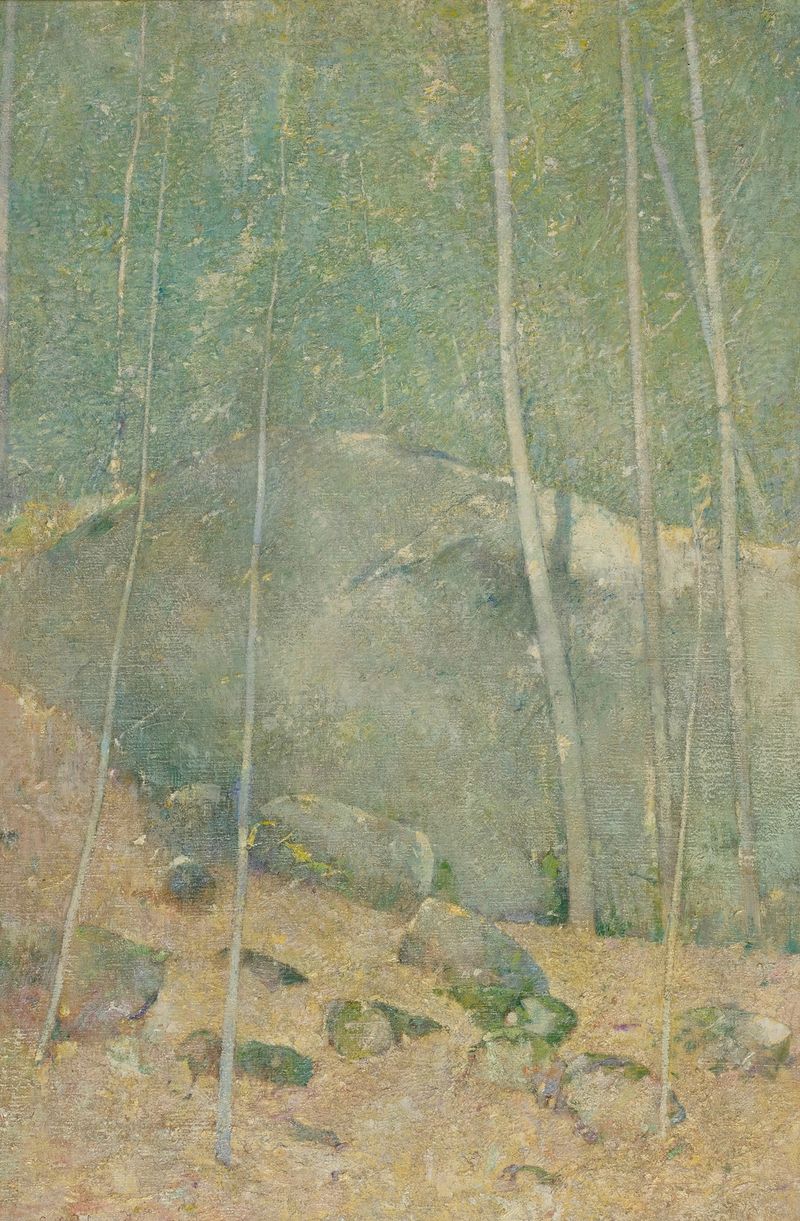
In The Maine Woods
Emil Carlsen
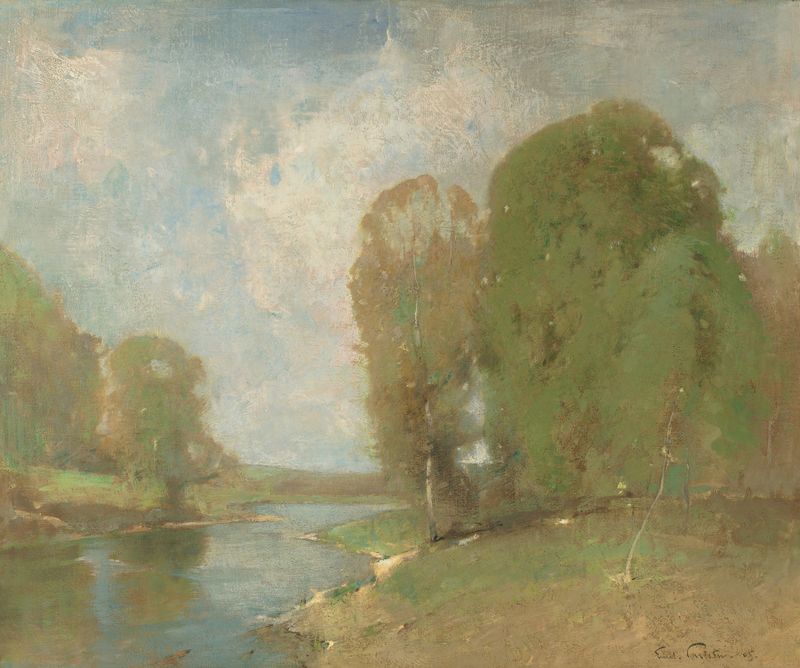
Meadow Brook
Emil Carlsen

Bald Head Cliff, York, Maine
Emil Carlsen
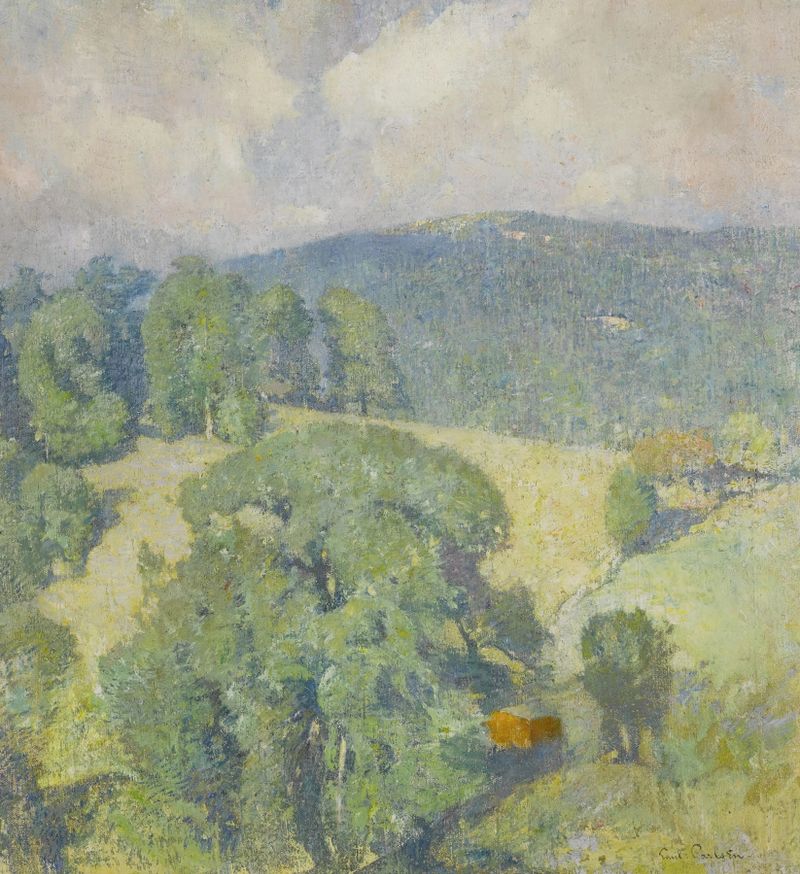
Connecticut Hillside
Emil Carlsen
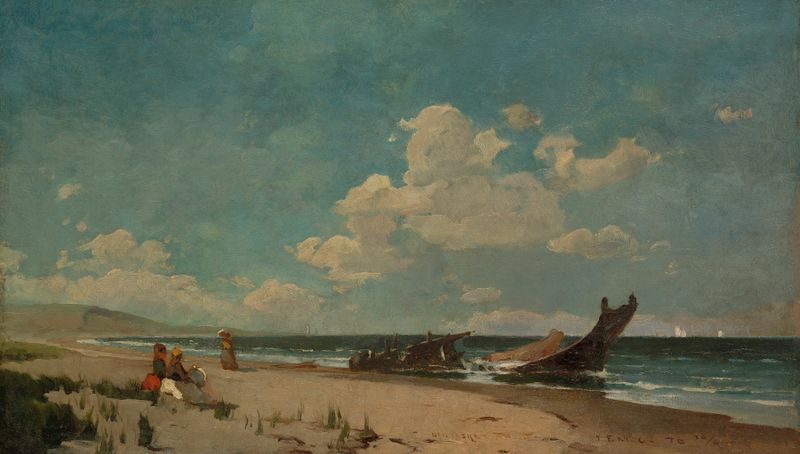
Nantasket Beach
Emil Carlsen

Nantasket Beach
Emil Carlsen

Fishing Boat on Shore
Emil Carlsen

The South Strand
Emil Carlsen

In the Pine Woods
Emil Carlsen
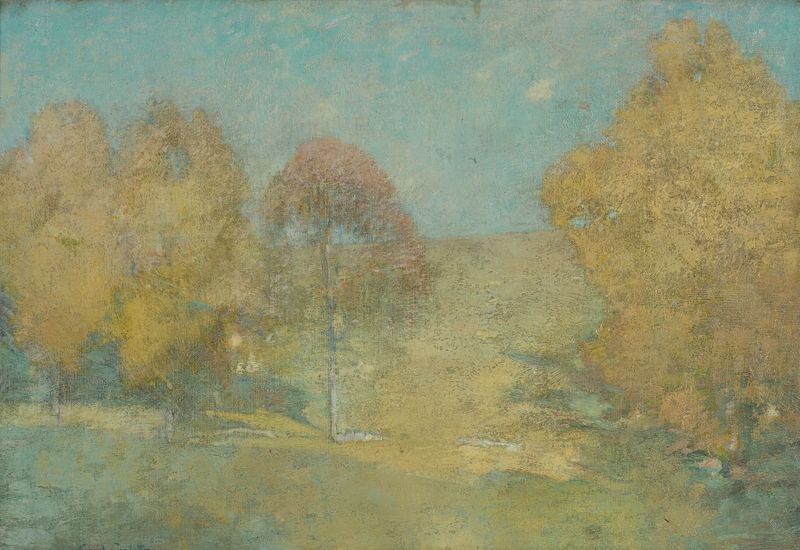
Autumn Morning-Fading Moon
Emil Carlsen





