
Nantasket Beach — History & Facts
The tranquil play of color at Nantasket Beach evokes a profound stillness, inviting contemplation and quiet introspection. It is not merely a scene of water and sand; it is a meditation on the interplay of light and emotion. Look to the horizon, where subtle shades of azure dance with the golden tones of the setting sun. Notice how the artist masterfully blends soft pastels with deeper hues, creating a serene gradient that mirrors the calming ebb of the tide.
The delicacy of the brushwork brings the clouds to life, hovering above the shore like whispered secrets. Each stroke conveys a sense of harmony, where sky and sea meet in a gentle embrace. In the foreground, the soft lines of the sandy beach contrast sharply with the tumult of the waves, evoking feelings of peace amidst chaos. The scattered footprints speak of fleeting human presence, suggesting stories of joy and solitude intertwined.
This juxtaposition of tranquility and movement captures the essence of life's transitory moments, encouraging observers to reflect on their own connections to nature and the passage of time. In 1876, the artist found himself at Nantasket Beach, a popular retreat near Boston, reflecting a burgeoning interest in capturing the American landscape. During this time, the art world was shifting towards Impressionism, emphasizing light and color over detail. Amidst this transitional period, he immersed himself in the natural beauty of the coast, creating a piece that resonates with the emotional depth of his surroundings and his own artistic evolution.
More Artworks by Emil Carlsen
Browse all →
In The Maine Woods
Emil Carlsen
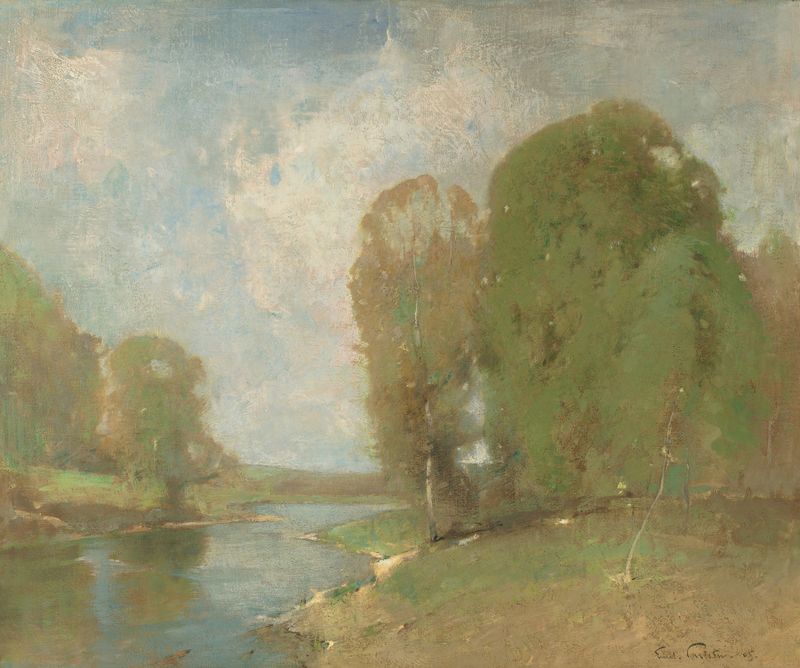
Meadow Brook
Emil Carlsen

Bald Head Cliff, York, Maine
Emil Carlsen
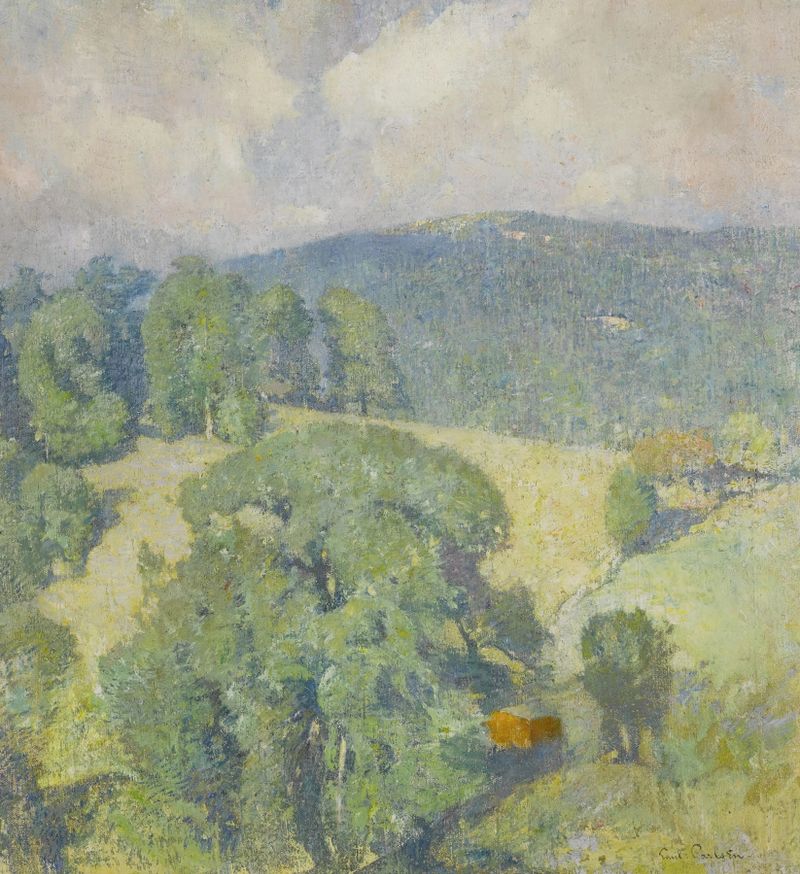
Connecticut Hillside
Emil Carlsen

Nantasket Beach
Emil Carlsen

Fishing Boat on Shore
Emil Carlsen
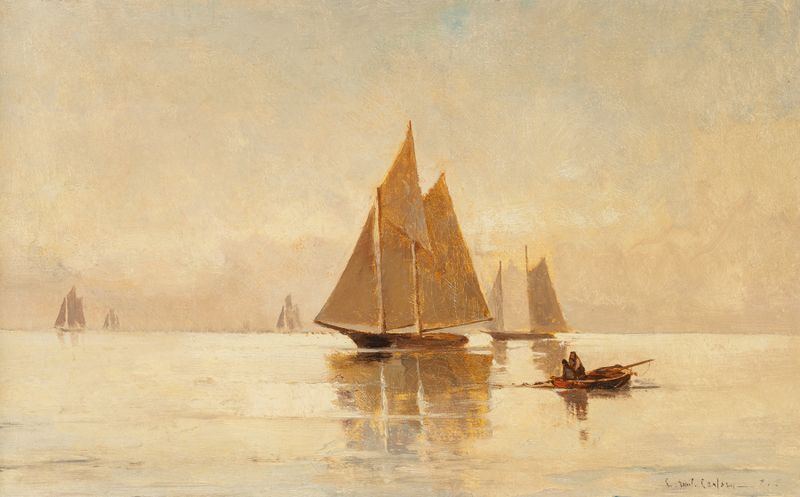
Sailboats in the Evening
Emil Carlsen

The South Strand
Emil Carlsen

In the Pine Woods
Emil Carlsen
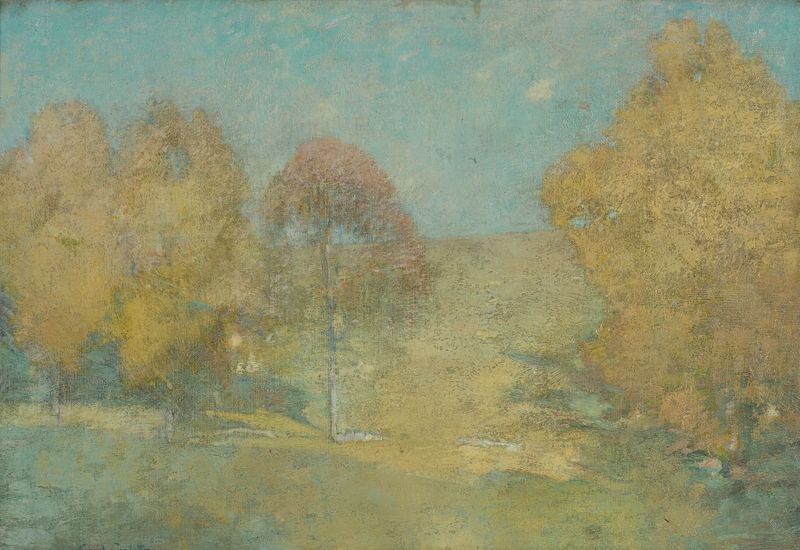
Autumn Morning-Fading Moon
Emil Carlsen





