
The South Strand — History & Facts
In The South Strand, a quiet transformation unfolds, inviting viewers to witness the gentle rebirth of a coastal landscape. Look to the center of the canvas where soft waves caress the sandy shore, their rhythm echoing the pulse of nature. Notice how the artist employs a delicate palette of blues and greens, with shimmering whites that dance upon the water's surface, suggesting both tranquility and vitality. The horizon stretches wide, painted with a warm glow that hints at sunrise or sunset, casting a serene light that envelops the scene in a sense of hope. As you explore the details, observe the distant figures, their silhouettes blending effortlessly into the environment, evoking a sense of unity with the landscape.
The juxtaposition of the solid earth and the fluid sea speaks to life's inevitable cycles—moments of stillness and movement, beginnings and endings. This harmony invites contemplation on how rebirth is woven into the fabric of nature, reminding us that beauty often lies in the gentle transitions we may overlook. Emil Carlsen created this work in 1909 during his time in the United States, where he had established himself as a respected artist. At this juncture, the art world was shifting, with Impressionism paving the way for a modern exploration of light and color.
Carlsen, influenced by these evolving styles, captures a moment that reflects not only his personal artistic journey but also the broader conversation of renewal in the face of change.
More Artworks by Emil Carlsen
Browse all →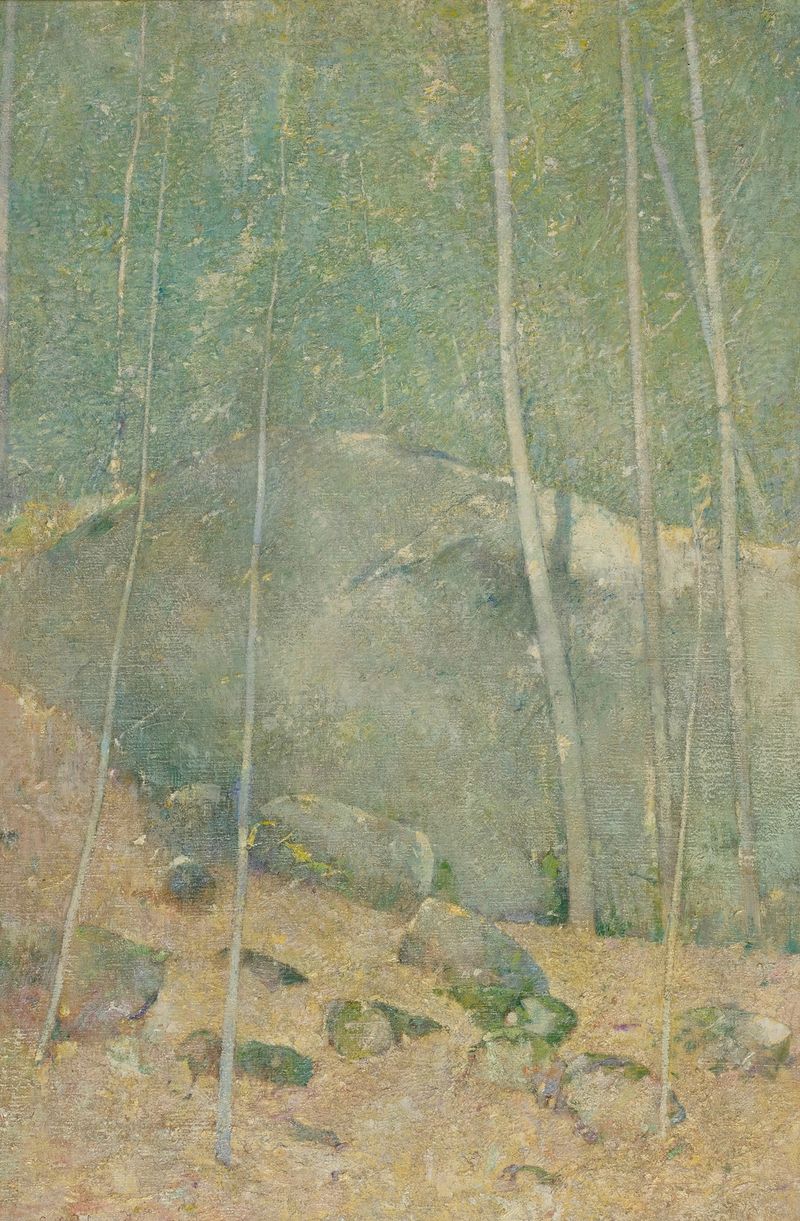
In The Maine Woods
Emil Carlsen
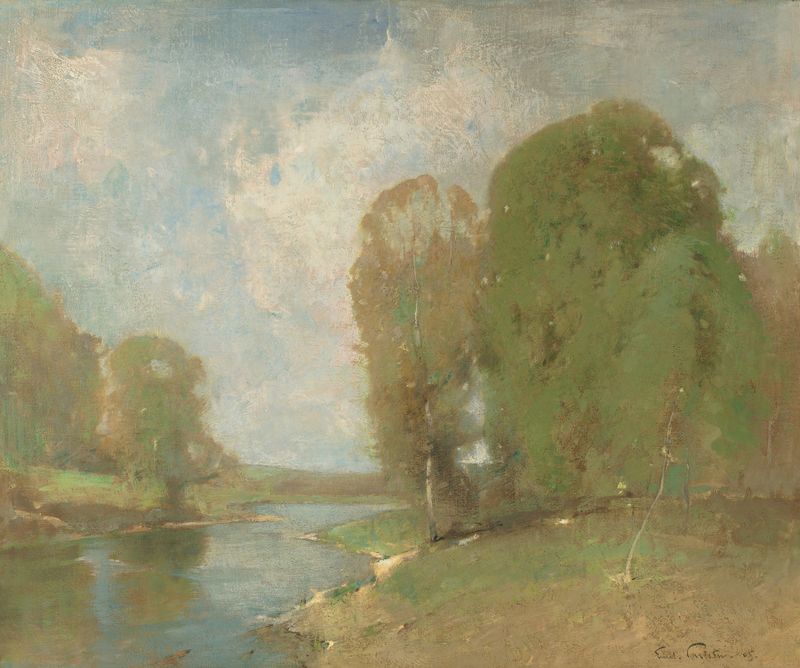
Meadow Brook
Emil Carlsen

Bald Head Cliff, York, Maine
Emil Carlsen
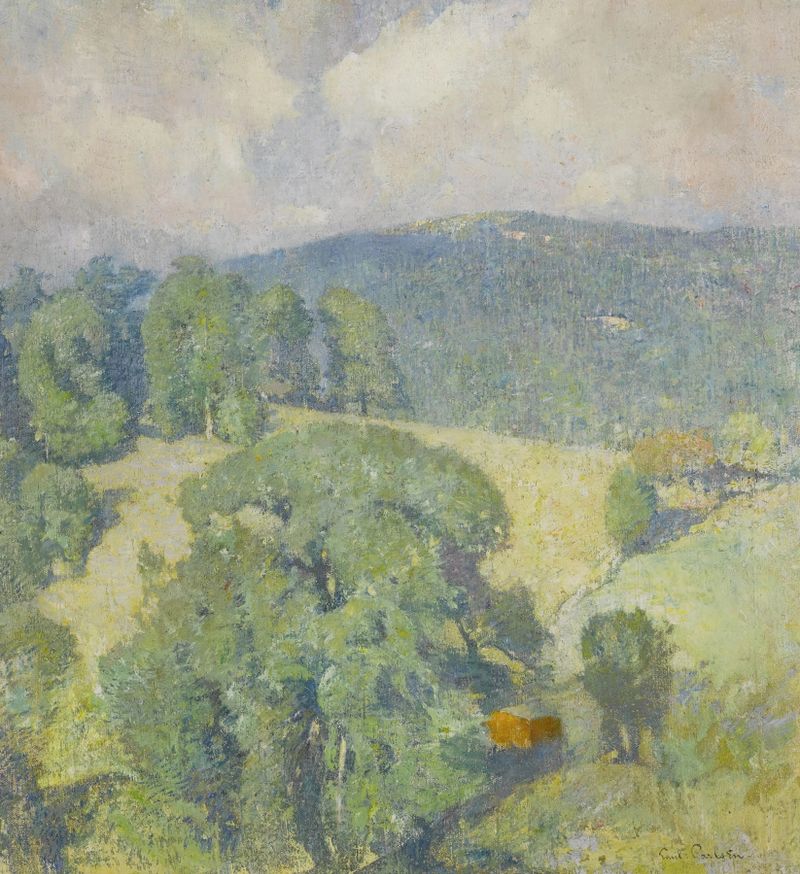
Connecticut Hillside
Emil Carlsen
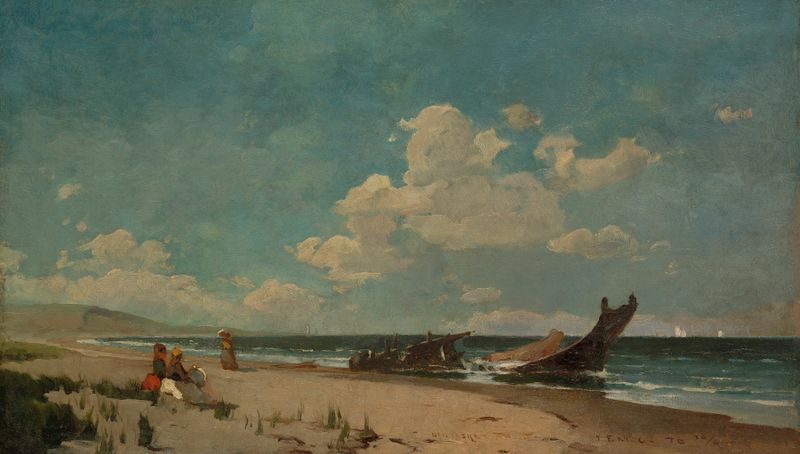
Nantasket Beach
Emil Carlsen

Nantasket Beach
Emil Carlsen

Fishing Boat on Shore
Emil Carlsen
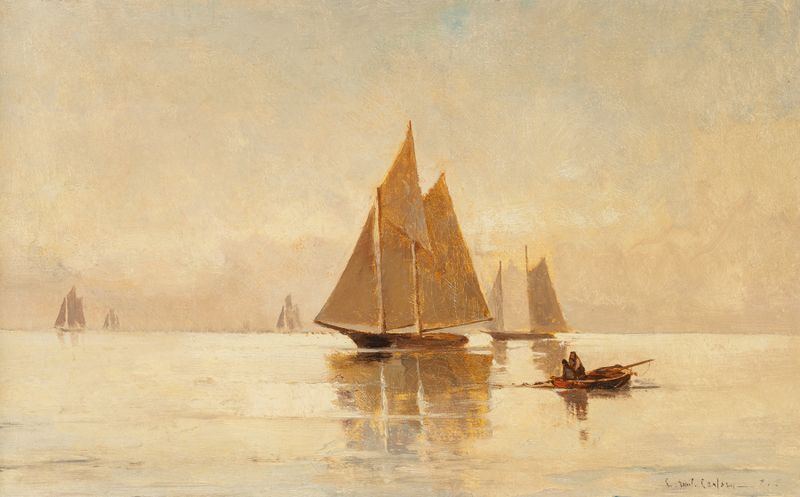
Sailboats in the Evening
Emil Carlsen

In the Pine Woods
Emil Carlsen
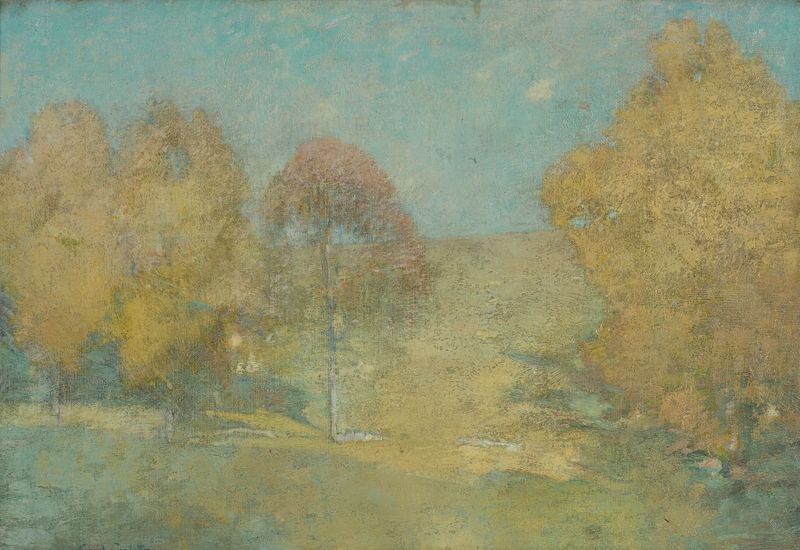
Autumn Morning-Fading Moon
Emil Carlsen





