
In the Valley of Aosta — History & Facts
Can paint confess what words never could? In In the Valley of Aosta, the haunting beauty of life and death converge, whispering truths beyond the reach of language. Look to the left at the ethereal light spilling through a canopy of trees, illuminating the verdant valley below. The brushwork captures the delicate dance between shadow and sun, with strokes that evoke both tranquility and unease. The palette, dominated by deep greens and hazy blues, invites contemplation, as the mountains loom majestically in the background, their peaks shrouded in mist.
This interplay of light and color reveals a world caught in the balance of existence and oblivion. Consider the small, almost imperceptible figures meandering along the riverbank. Their presence underscores humanity's fragility amidst nature's grandeur. The juxtaposition of the vast landscape with these minute silhouettes amplifies the theme of mortality, suggesting that while life flourishes, it is but a fleeting moment against the eternal backdrop of the mountains.
Each leaf and ripple echoes the transient beauty of our own lives, as if to remind us that the serenity of this valley belies a deeper, inevitable truth. Created in 1867, during a period of both personal and artistic evolution for the painter, this piece reflects his engagement with the Romantic ideals of landscape. At that time, Walton was exploring the connection between humanity and nature, a theme resonant in the wider art community as artists sought to express the sublime. The tranquility of Aosta served as a poignant backdrop for his introspections on life, even as societal changes loomed on the horizon.
More Artworks by Elijah Walton
Browse all →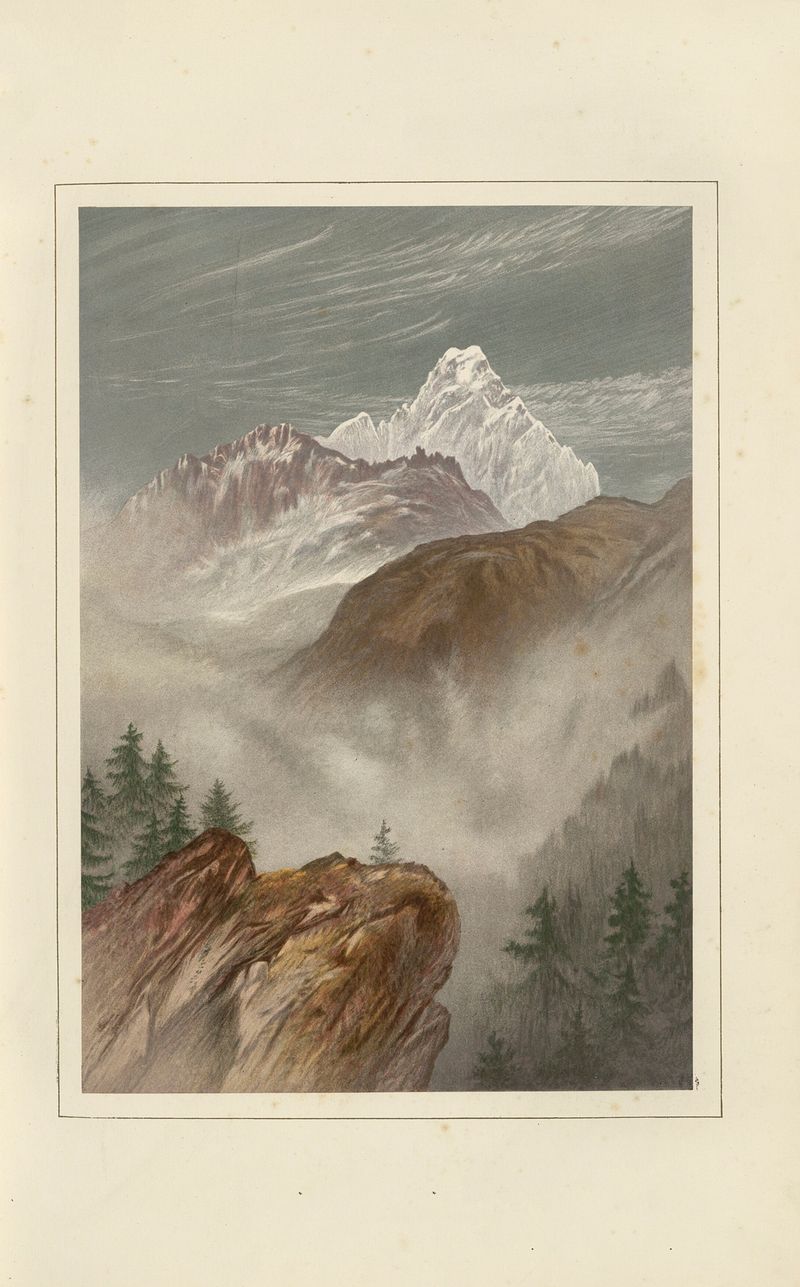
Monte Viso, from the south
Elijah Walton

The Matterhorn
Elijah Walton

The Gorner glacier
Elijah Walton

The Cascade de Roget and the Pointe de Salles
Elijah Walton
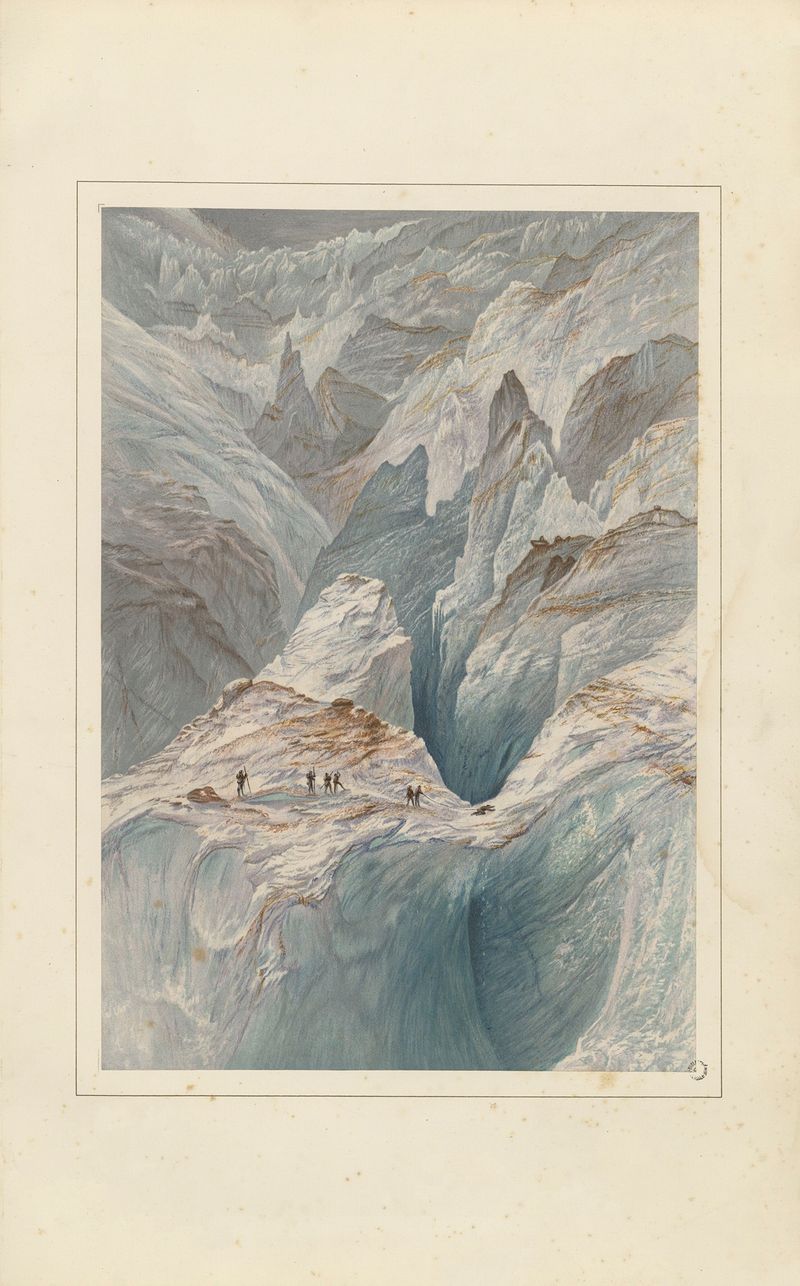
Crevasses on the Mer de Glace
Elijah Walton
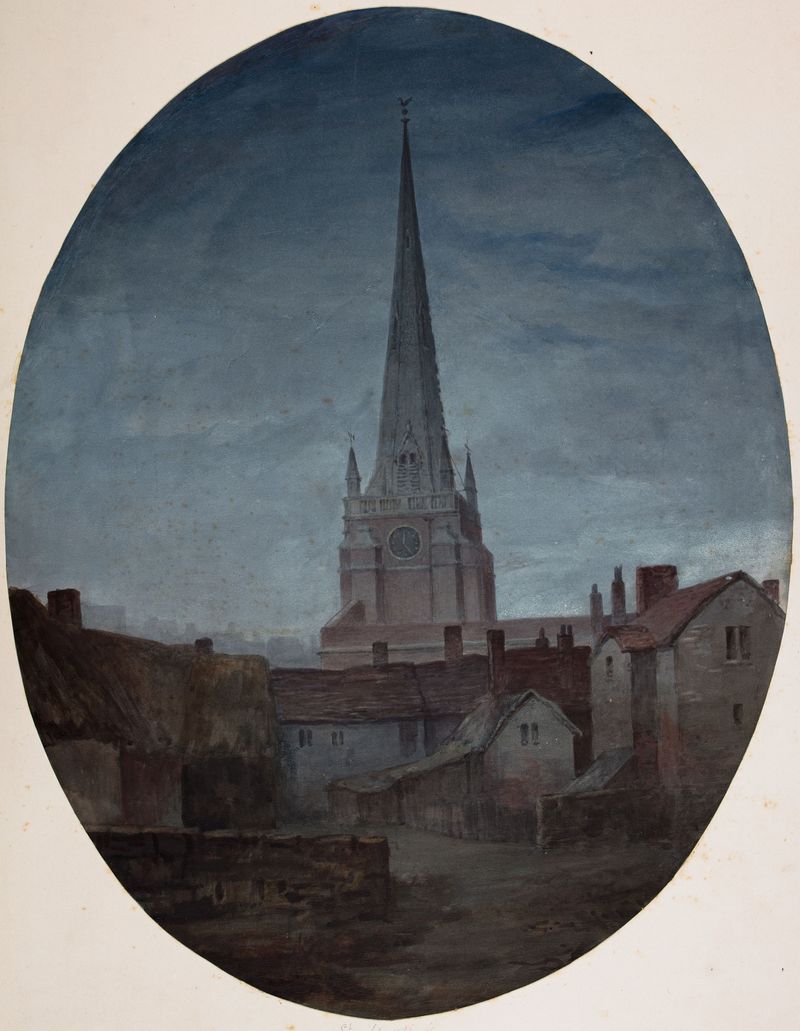
St Martin’s Church Birmingham, By Night
Elijah Walton

The Weisshorn, from near St. Niklaus
Elijah Walton

Monte Viso, from the Col de La Croix
Elijah Walton
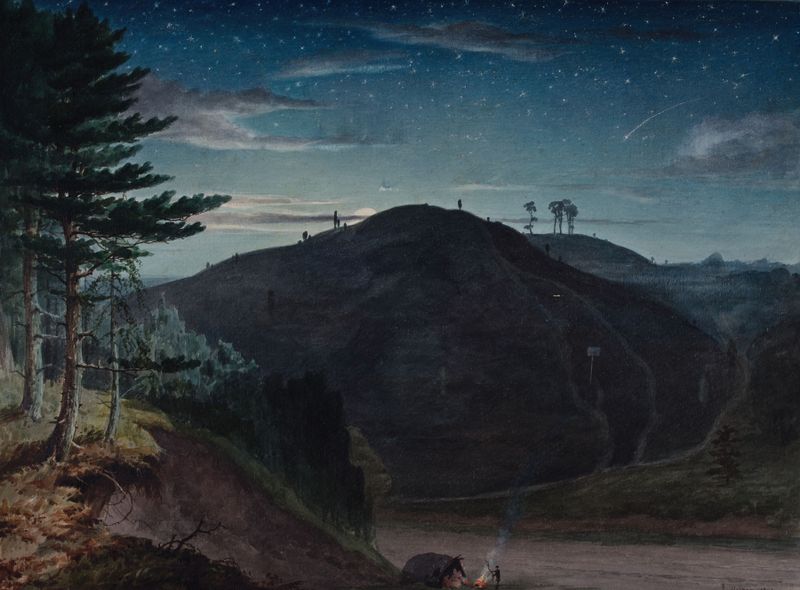
Cofton From Rednal, Moonlight
Elijah Walton
Lodge Gates, Entrance To Aston Hall
Elijah Walton





