
Independence camp — History & Facts
What if silence could speak through light? In the stillness of a moment captured in time, the innocence of youth emerges, whispering tales of freedom and hope. Look to the left at the young figures set against a backdrop of nature's embrace—lush greenery and expansive sky. The play of sunlight glimmers on their joyful faces, illuminating their expressions with a radiant glow. Notice how the artist's loose brushwork conveys a sense of movement and spontaneity, drawing the viewer into a world of carefree exuberance.
The harmonious palette of greens and blues highlights the vitality of the scene, while dappled shadows create depth and a feeling of warmth. Beneath the surface, the painting reflects a profound contrast between the innocence of childhood and the harsh realities of the world that awaits them. The juxtaposition of vibrant life against the serene yet imposing landscape suggests the tension between freedom and the societal expectations that loom on the horizon. Each figure embodies a unique story—some laughing, some contemplative—inviting the viewer to ponder their aspirations and the eventual journey toward adulthood. In 1859, Daniel A.
Jenks created Independence Camp against the backdrop of a nation on the cusp of upheaval. As the U.S. grappled with tensions that would soon lead to the Civil War, his work captured a fleeting moment of innocence, reflecting both his personal artistic journey and the collective yearning for freedom and harmony in a changing world.
More Artworks by Daniel A. Jenks
Browse all →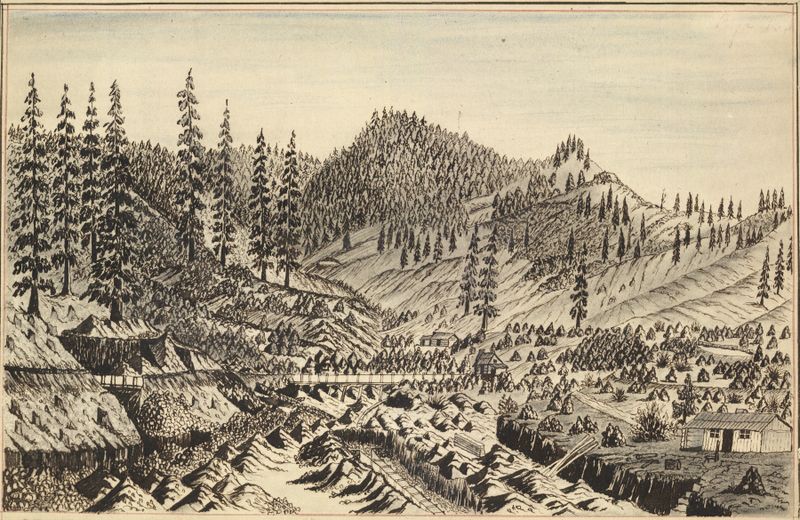
View of the mine at Long Gulch
Daniel A. Jenks
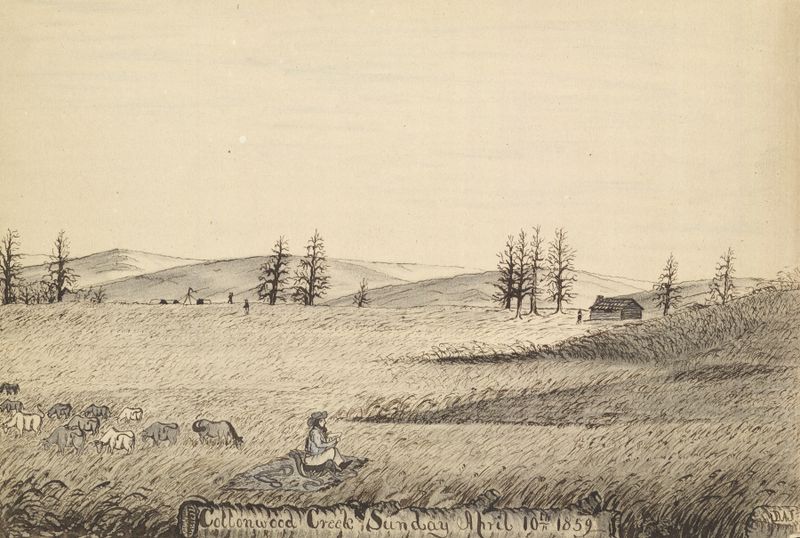
Cottonwood Creek, Sunday April 10th 1859
Daniel A. Jenks
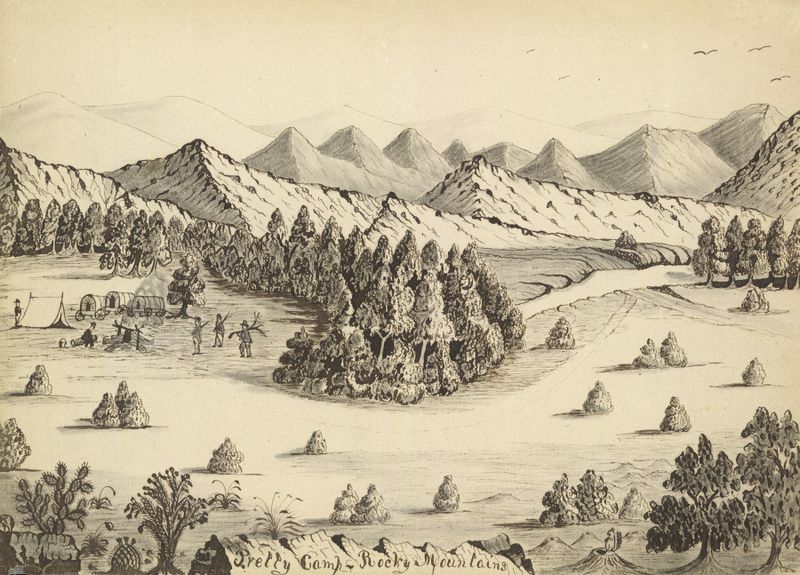
Pretty camp – Rocky Mountains
Daniel A. Jenks
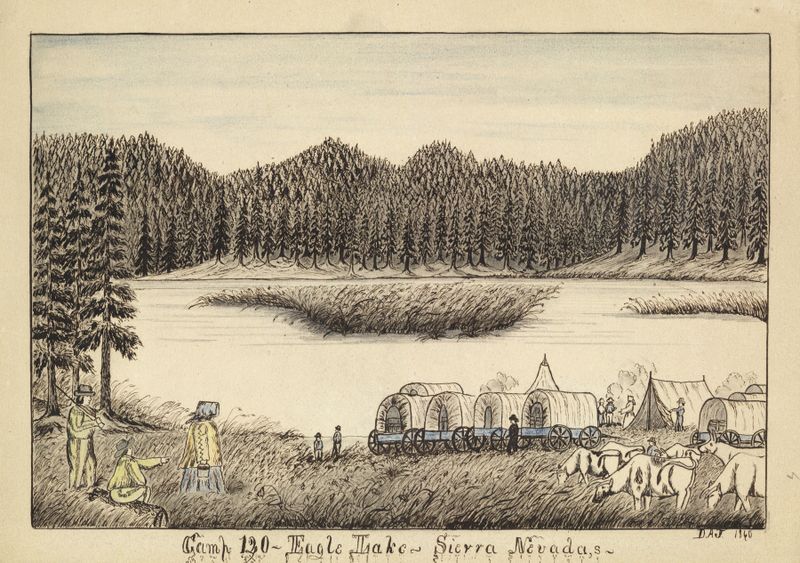
Camp 120, Eagle Lake, Sierra Nevadas
Daniel A. Jenks

Chavis Creek, camp 14th
Daniel A. Jenks
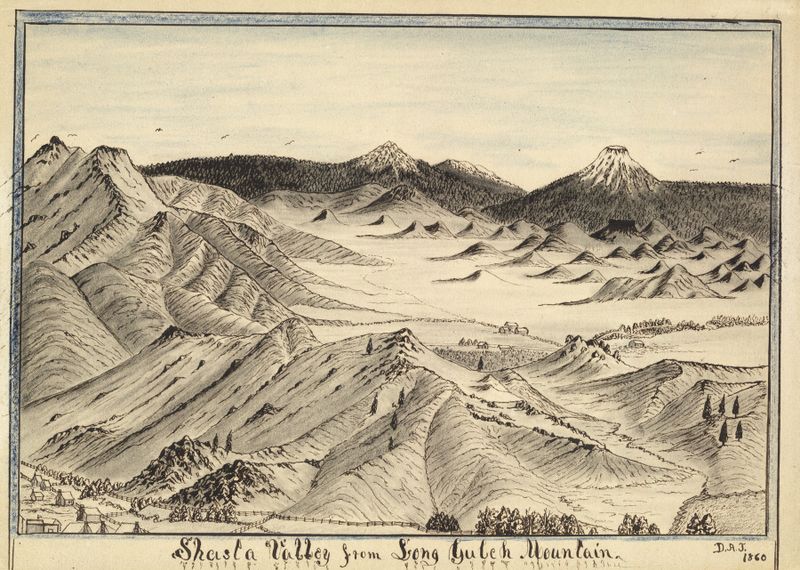
Shasta Valley from Long Gulch Mountain
Daniel A. Jenks
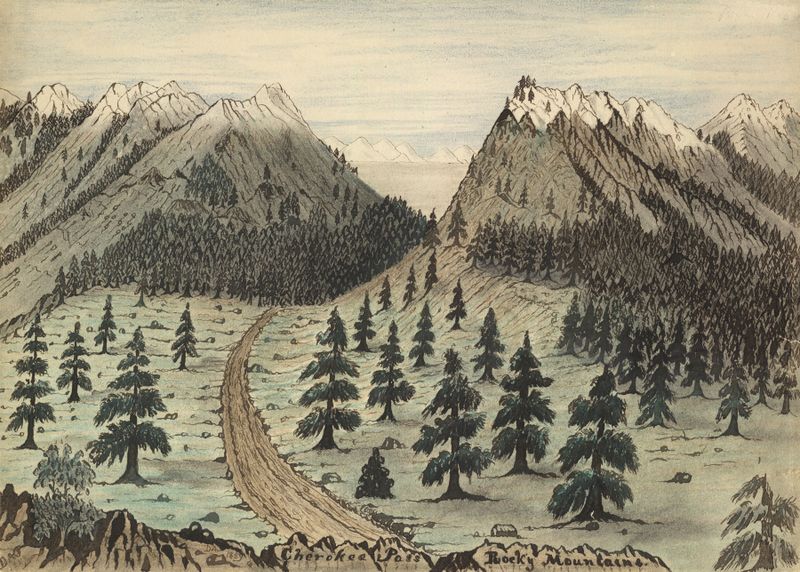
Cherokee Pass, Rocky Mountains
Daniel A. Jenks

Camp 100 – Humbolt River
Daniel A. Jenks
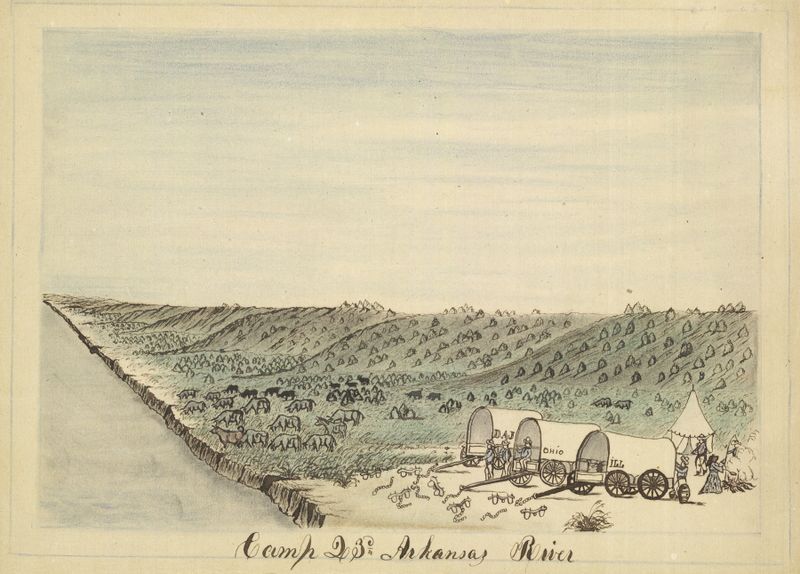
Camp 23rd Arkansas River
Daniel A. Jenks
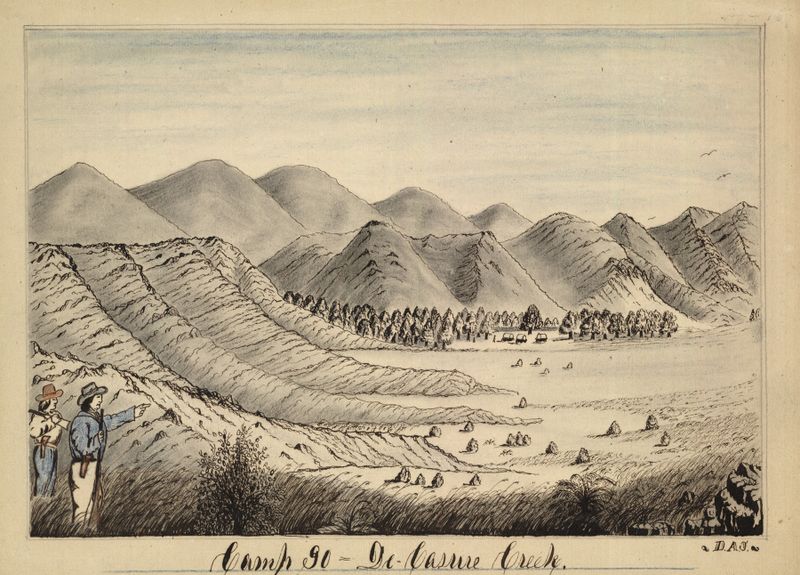
Camp 90, De Casure Creek
Daniel A. Jenks





