
Inondation du Demer à Diest — History & Facts
In Inondation du Demer à Diest, desire lingers not just in the strokes of blue and green but in the very essence of the flood. The viewer is drawn into a delicate paradox: a serene landscape overwhelmed by water, an invitation to witness nature's power and its quiet aftermath. Look to the center, where the river swells, its currents painted with fluid brushwork that conveys movement and depth. Notice how the light dances on the water’s surface, reflecting both the muted blues of the sky and the lush greens of the landscape.
The trees along the riverbanks stand resolute yet vulnerable, their outlines softened by the encroaching flood, embodying the tension between stability and chaos that Taelemans masterfully captures. In the stillness of this scene lies a deeper commentary on the human experience. The flood not only transforms the land but also evokes emotions of longing and loss, hinting at the fragility of existence. Each brushstroke serves as a reminder of nature's beauty and unpredictability, inviting contemplation on the relationship between mankind and the natural world.
The interplay of light and shadow suggests hope amid turmoil, as if the canvas yearns for renewal. Jean-François Taelemans painted Inondation du Demer à Diest in 1914, a year marked by the onset of World War I. Living in Belgium during this tumultuous period, he witnessed the profound changes in society and the landscape around him. As artists grappled with the shifting tides of modernity, Taelemans captured the essence of nature’s resilience, reflecting both personal and collective experiences of desire amidst the chaos.
More Artworks by Jean-François Taelemans
Browse all →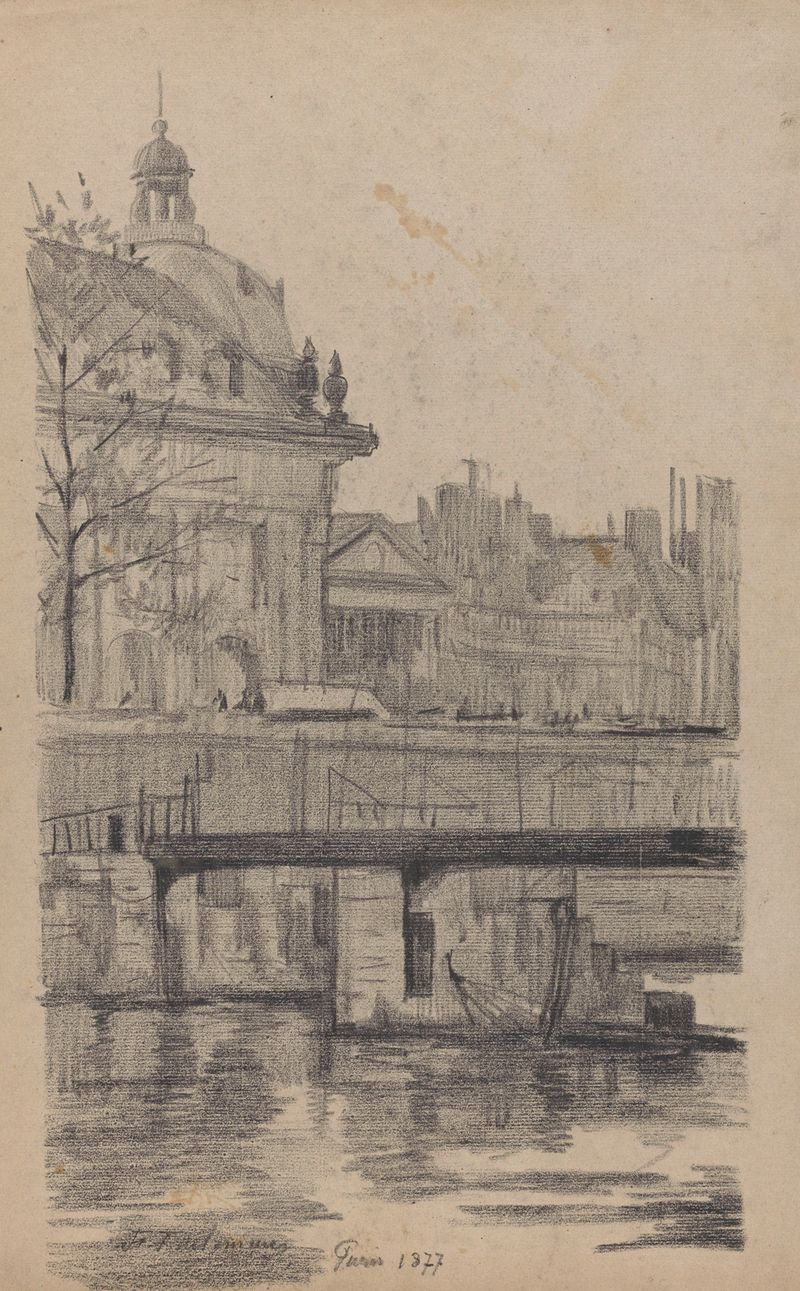
Paris (vue de la Seine et du Collège des Quatre Nations (actuellement siège de l’Institut de France)
Jean-François Taelemans
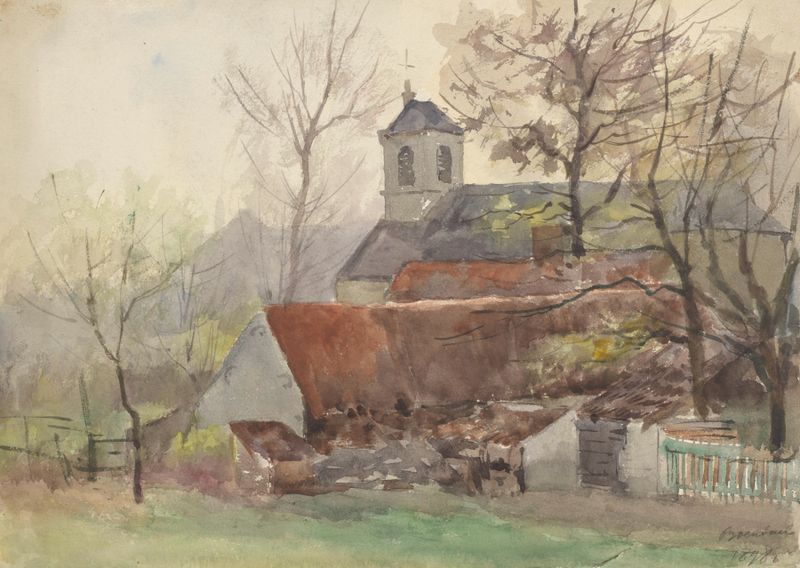
Boendael (église)
Jean-François Taelemans
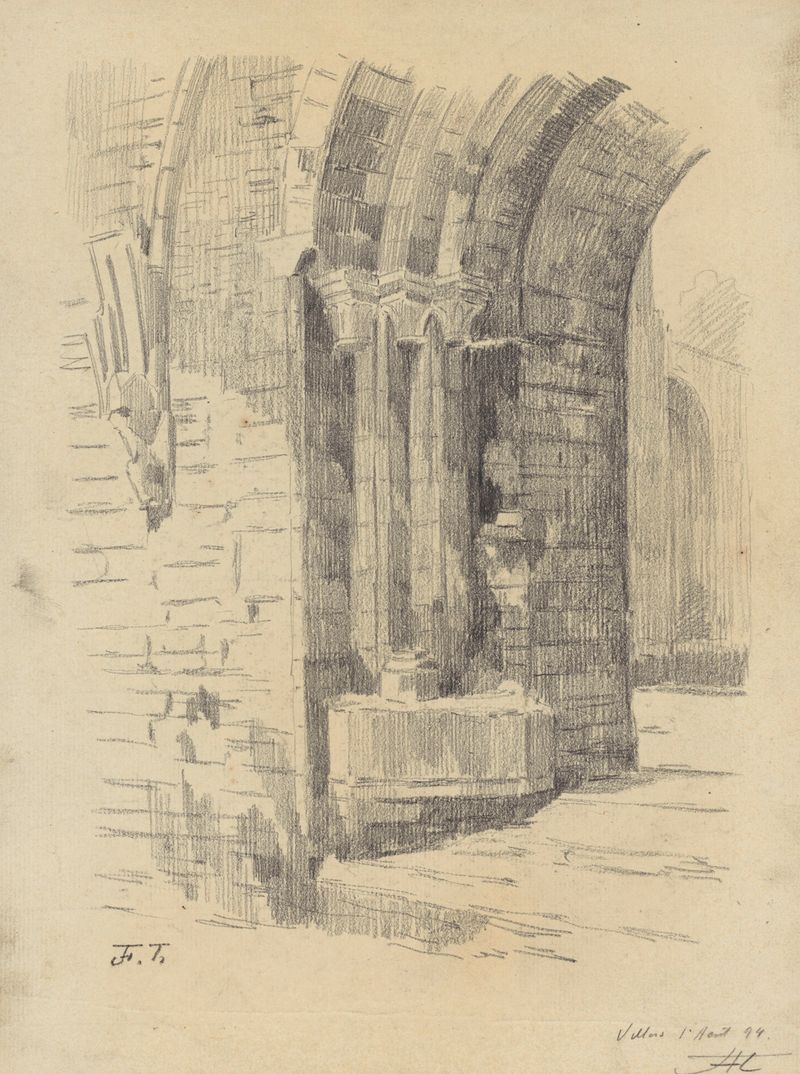
Ruines de l’abbaye de Villers-la-Ville – porche entre le cloître et l’église abbatiale (côté droit)
Jean-François Taelemans
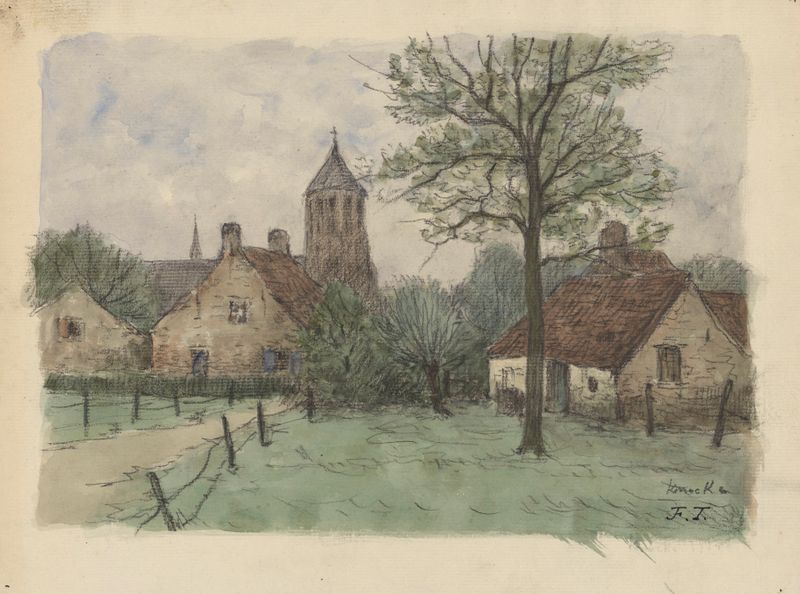
Village et église Sint Margaretha à Knocke
Jean-François Taelemans
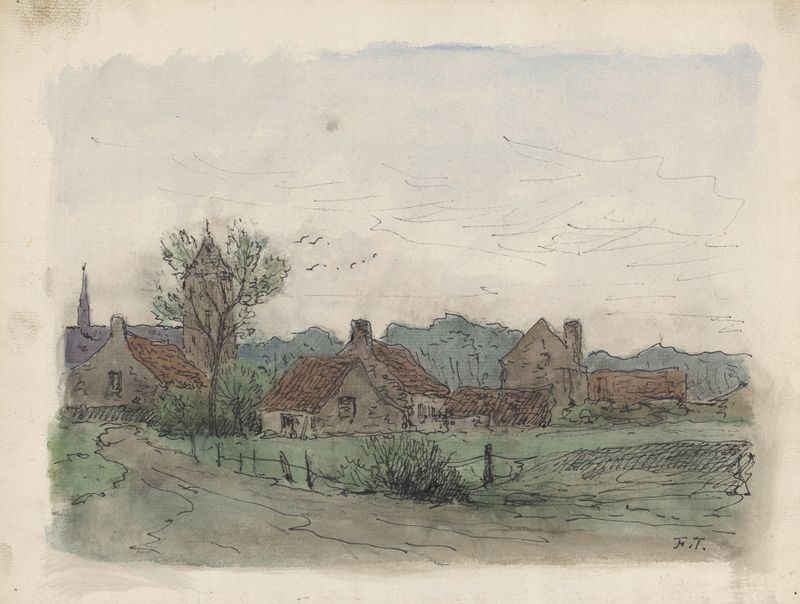
Village
Jean-François Taelemans
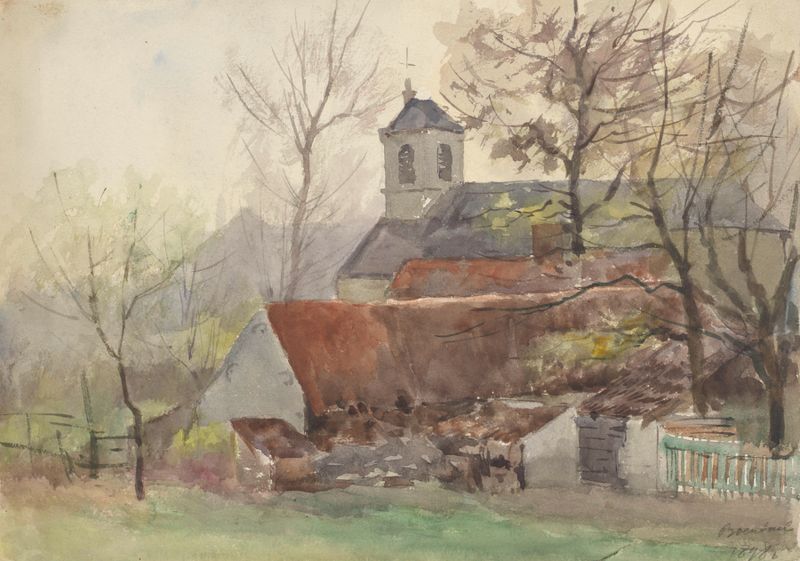
Boendael (église)
Jean-François Taelemans
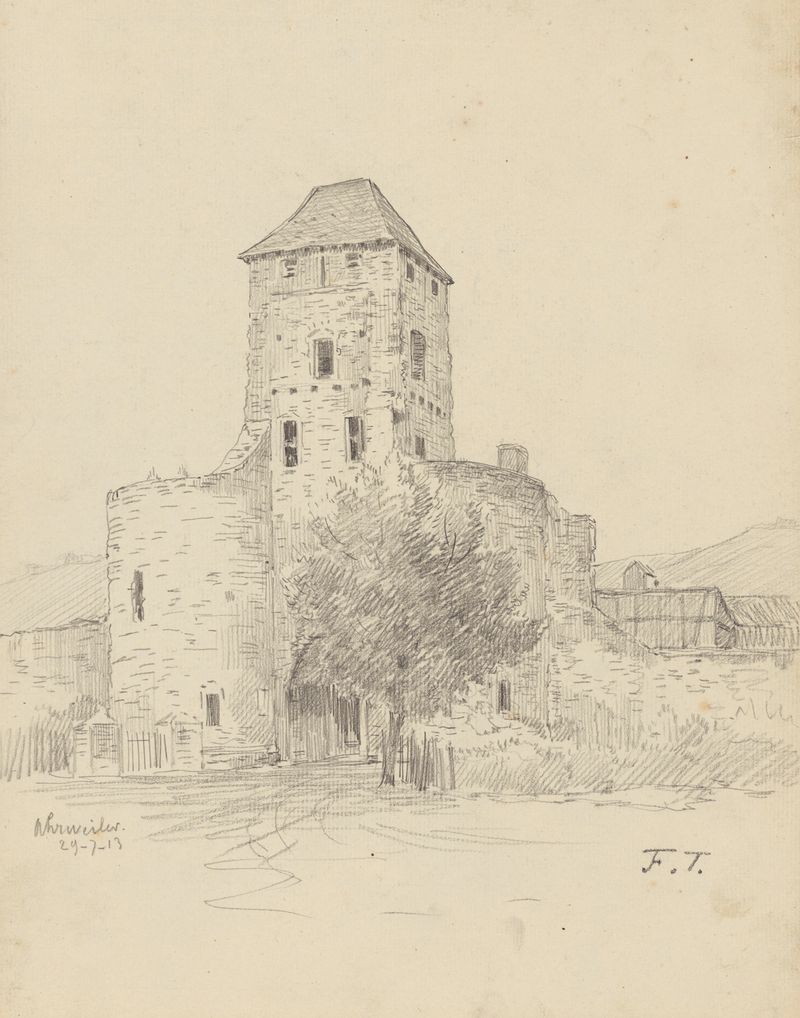
Vieille tour (porte) à Ahrweiler (Allemagne)
Jean-François Taelemans
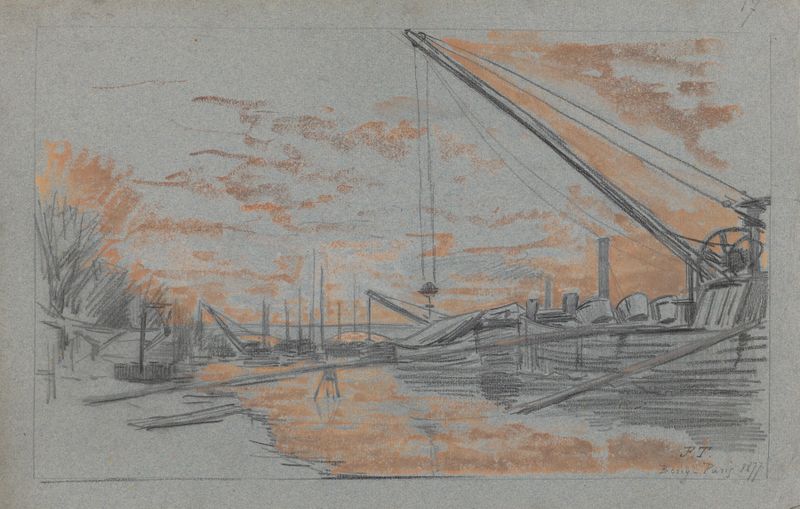
Bercy – Paris (bord de Seine avec chalands à l’ancre en cours de chargement, soleil couchant)
Jean-François Taelemans
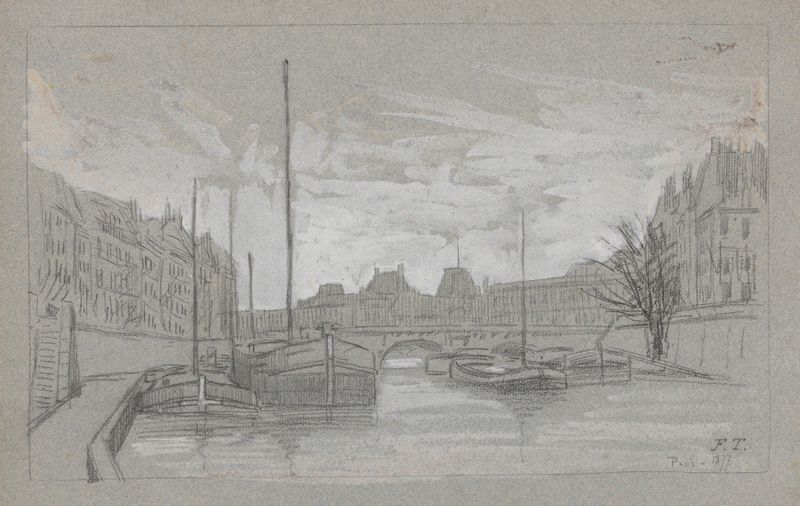
Paris (bateaux sur la Seine près d’un pont)
Jean-François Taelemans
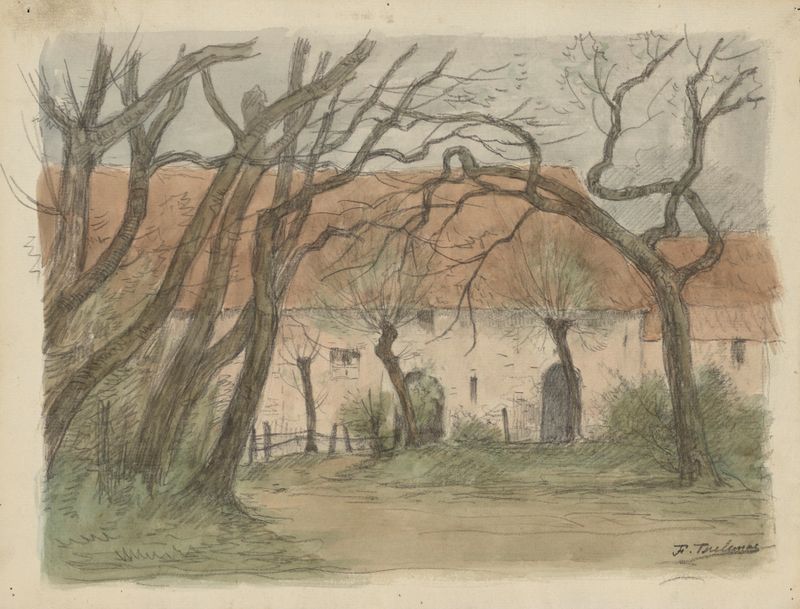
Grande maison campagnarde derrière un bouquet d’arbres
Jean-François Taelemans





