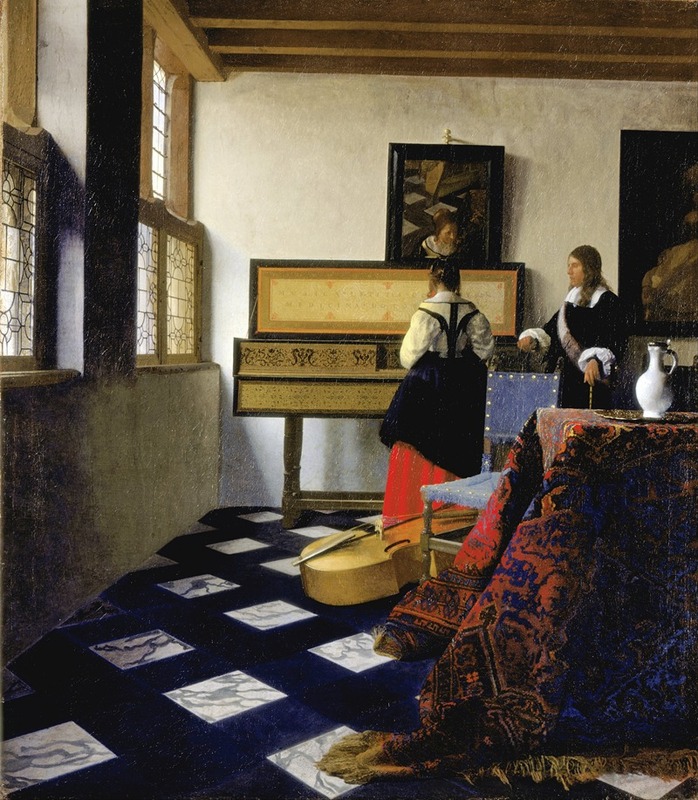
Interieur de l’Eglise — History & Facts
Can beauty exist without sorrow? In the hushed embrace of the church’s interior, that question lingers like a whispered prayer. Focus on the interplay of light and shadow as it dances across the wooden pews, inviting you to explore the sanctuary. Notice how the soft, muted tones of ochre and deep brown exude warmth, while the delicate strokes suggest both reverence and intimacy. Your eyes will be drawn upwards to the soaring arches, where the light filters through the stained glass, casting a kaleidoscope of colors that hints at both the sacred and the fleeting nature of life. Yet, amidst the tranquility, an undercurrent of yearning pulses quietly.
The absence of figures amplifies the space's echo, suggesting solitude in a place of communal solace. The contrast between the tranquil setting and the emotional weight of silence evokes a profound contemplation of faith and the void. Here, beauty and sorrow intertwine, reminding us that even in sanctity, an ache for connection persists. During the late 19th to early 20th century, Lepère captured this moment in a period marked by personal loss and a shifting art world.
Living in France amidst the tensions of societal change, he sought to convey the beauty found in stillness, reflecting both his inner struggles and a broader search for meaning. This artwork resonates with a timeless longing, emblematic of an artist striving to capture the essence of both the sacred and the ephemeral.
More Artworks by Auguste Louis Lepère
Browse all →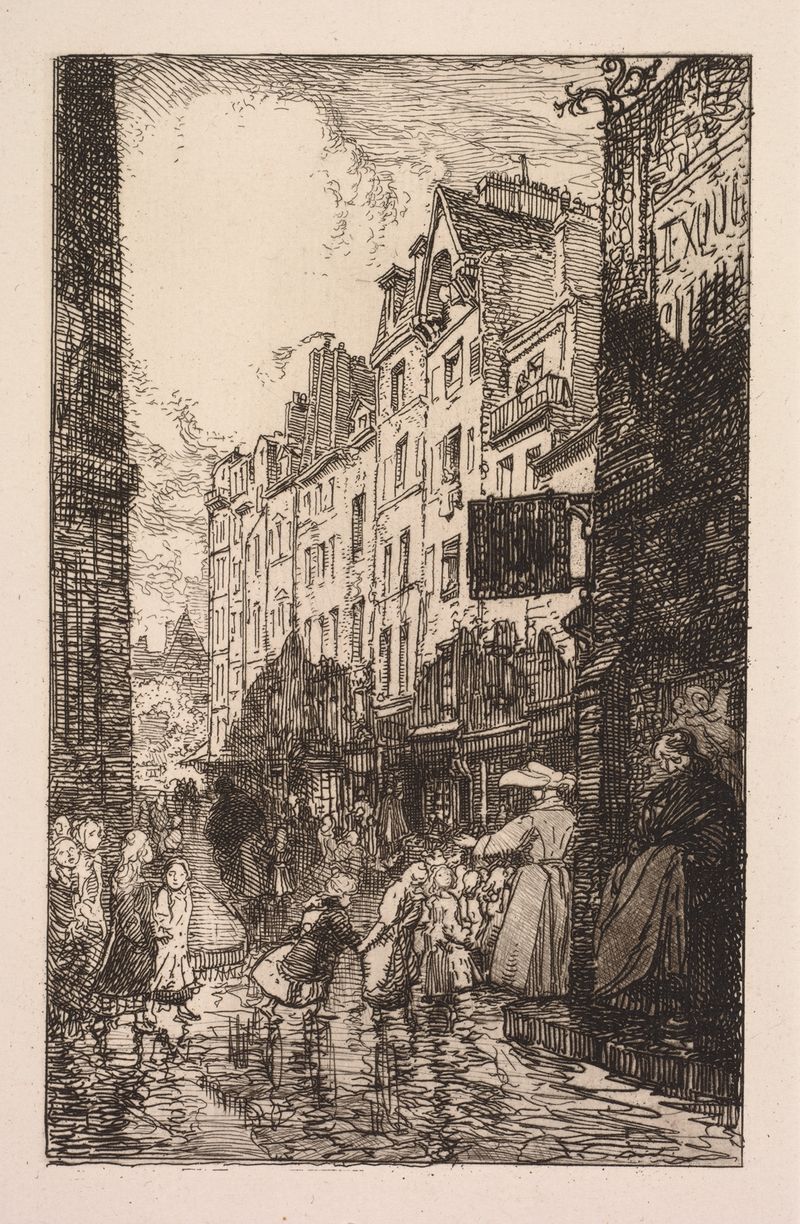
La Rue des Prêtres Saint-Séverin
Auguste Louis Lepère
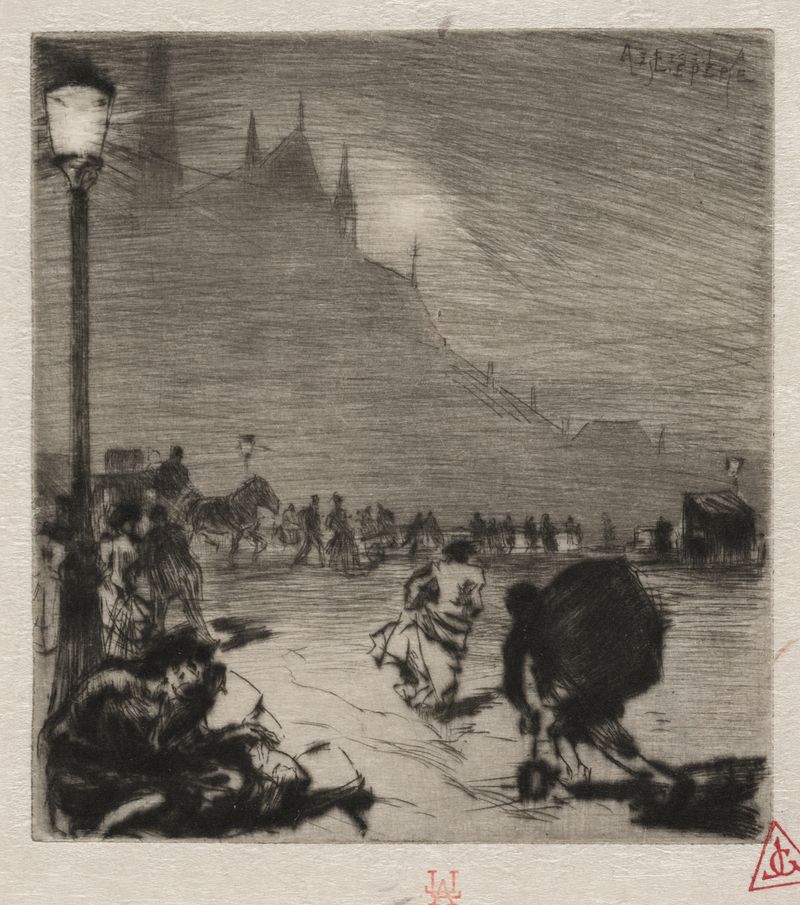
Au Coin du Pont-aux-Doubles
Auguste Louis Lepère
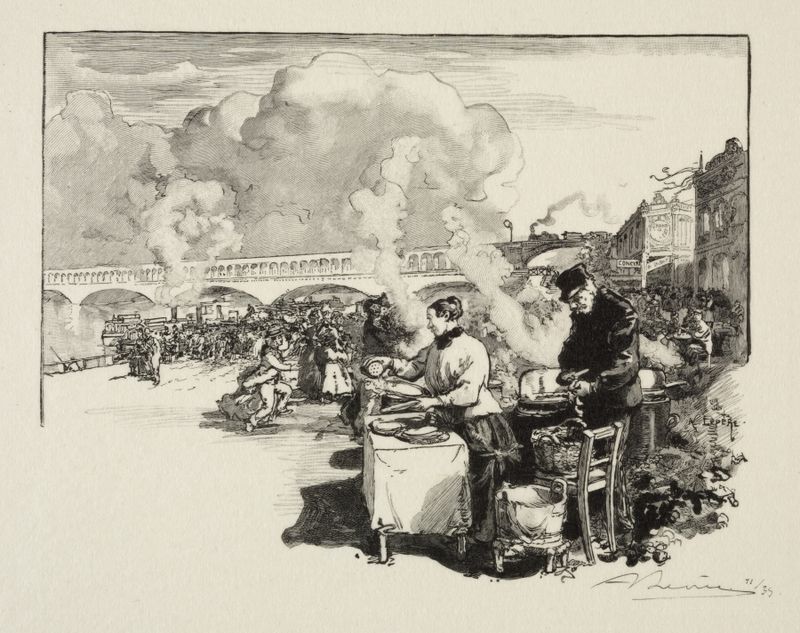
Debarcadère des bateaux-omnibus
Auguste Louis Lepère

La Seine, au quai de la Rapée
Auguste Louis Lepère
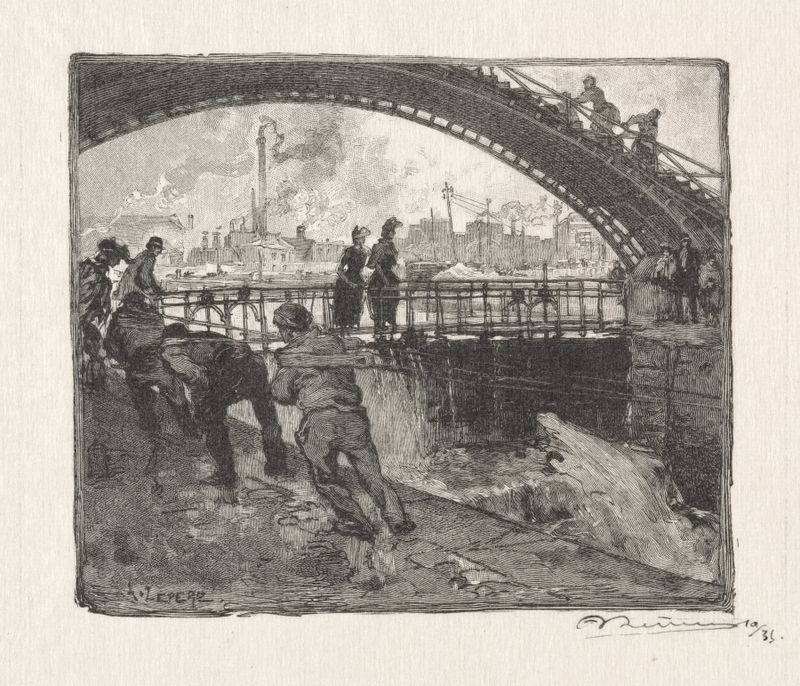
L’Ecluse du Canal St. Martin
Auguste Louis Lepère

Le Boulevard Montmartre, le Soir
Auguste Louis Lepère

Une Chasse au Mont Gérard
Auguste Louis Lepère
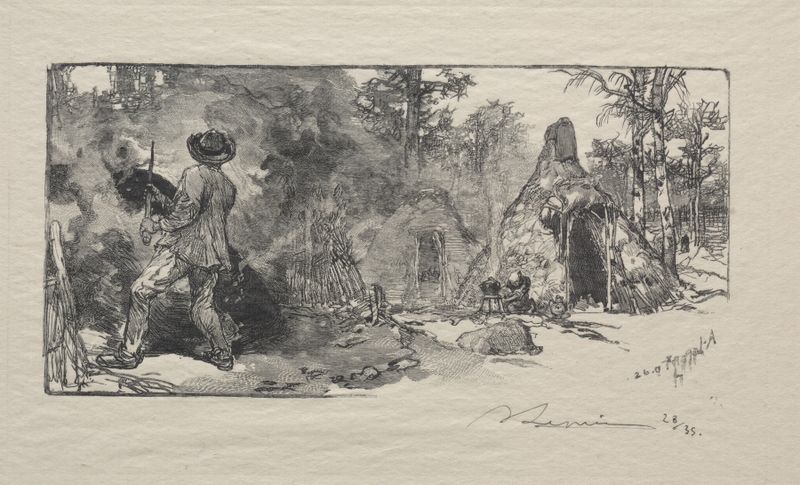
Les Charbonniere
Auguste Louis Lepère
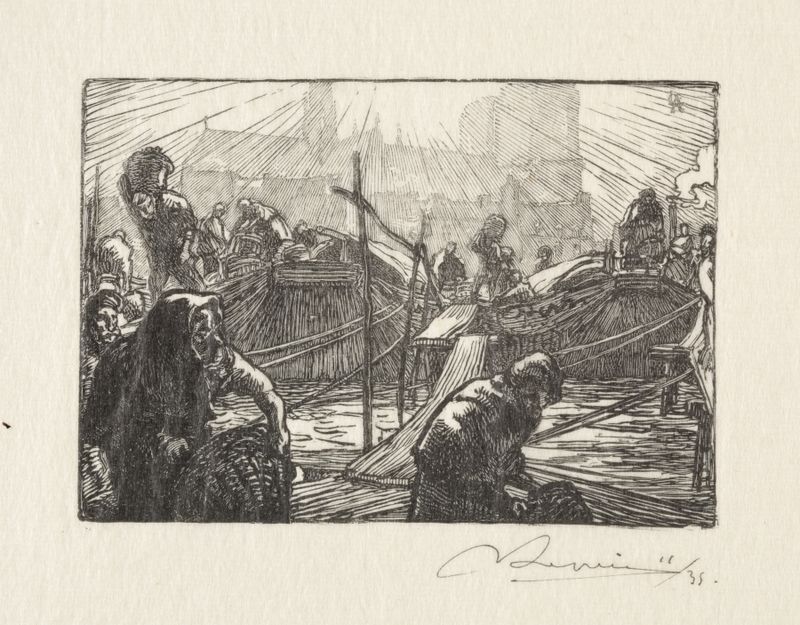
Notre Dame vue du Marché aux pommes
Auguste Louis Lepère

Le Palais des Arts Liberaux, Intèrieur
Auguste Louis Lepère