Interieur van grot Santa Maria Capella — History & Facts
In the shadows of a cavern, fear lurks alongside beauty, reminding us of the delicate interplay between light and darkness. Look to the right at the play of light filtering through the crystalline formations, casting unexpected patterns on the cave walls. The artist employs a muted palette, with earthy browns and soft grays, contrasted by hints of glimmering blue reflecting off the water below. The careful brushwork captures the intricate textures of the rock and the fluidity of the water, drawing you deeper into this hidden world. As you linger in the stillness of the scene, notice how the shadows dance along the edges, evoking a sense of both wonder and trepidation.
There’s a palpable tension between the haunting silence of the cave and the vibrant life suggested by the reflections. Though the cave seems a sanctuary, it also embodies the unknown, reminding us of nature’s power to both nurture and consume. In 1778, Ducros painted Interieur van grot Santa Maria Capella while navigating a career that was increasingly defined by the tensions of the Enlightenment. Working in Italy during a time of artistic exploration, he sought to fuse the emerging Romantic sensibilities with classical ideals.
His commitment to capturing nature’s raw beauty was a reflection of both his personal struggles and the broader shifts within the art world as it began to embrace more emotive expressions.
More Artworks by Abraham-Louis-Rodolphe Ducros
Browse all →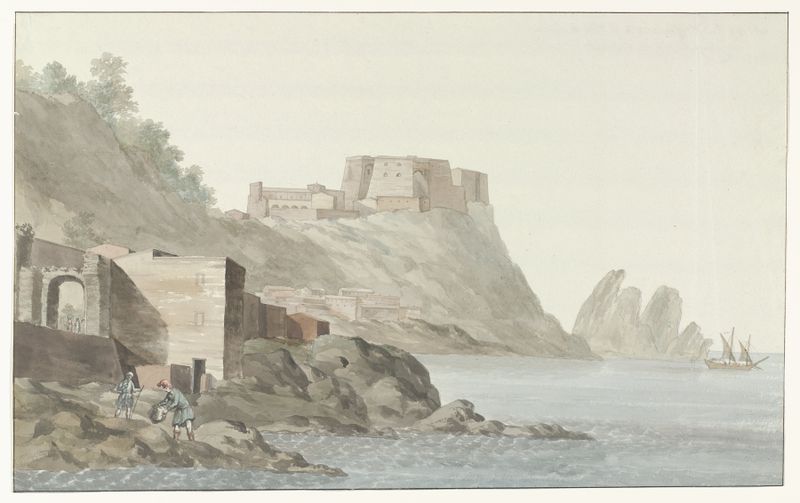
Rots en stad Scilla in de regio Calabrië aan de oostkust
Abraham-Louis-Rodolphe Ducros
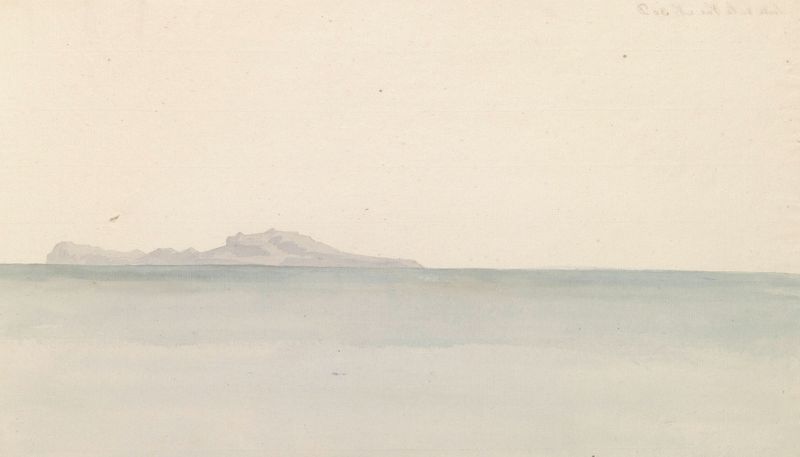
Gezicht op Golf van Napels vanaf kade bij kerk Santa Maria del Carmine
Abraham-Louis-Rodolphe Ducros
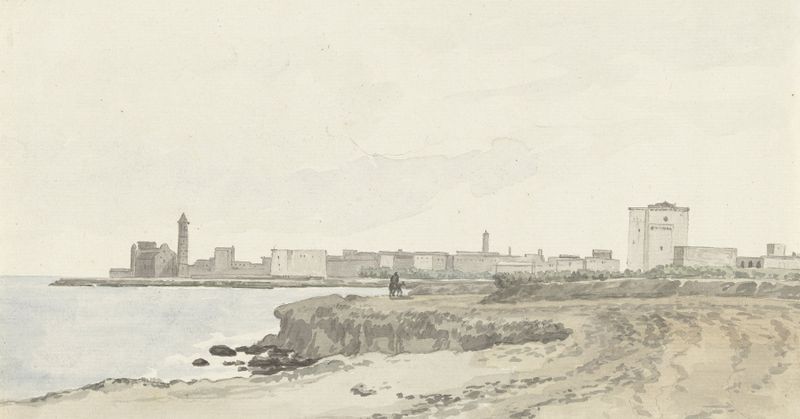
Gezicht op Trani gelegen aan de kust
Abraham-Louis-Rodolphe Ducros
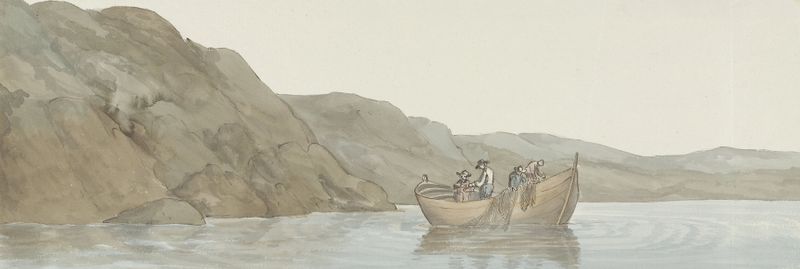
Gezicht op Kaap Paceco in Calabrië nabij de stad Scilla
Abraham-Louis-Rodolphe Ducros
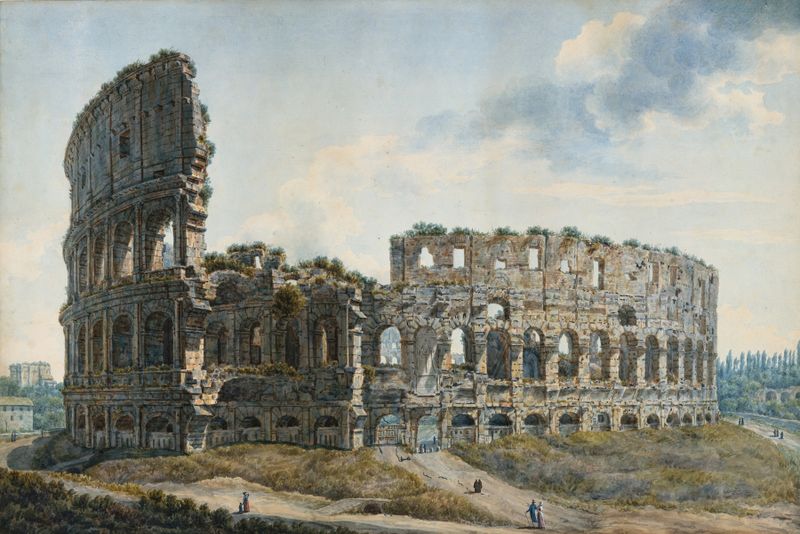
The Colosseum, Rome.
Abraham-Louis-Rodolphe Ducros
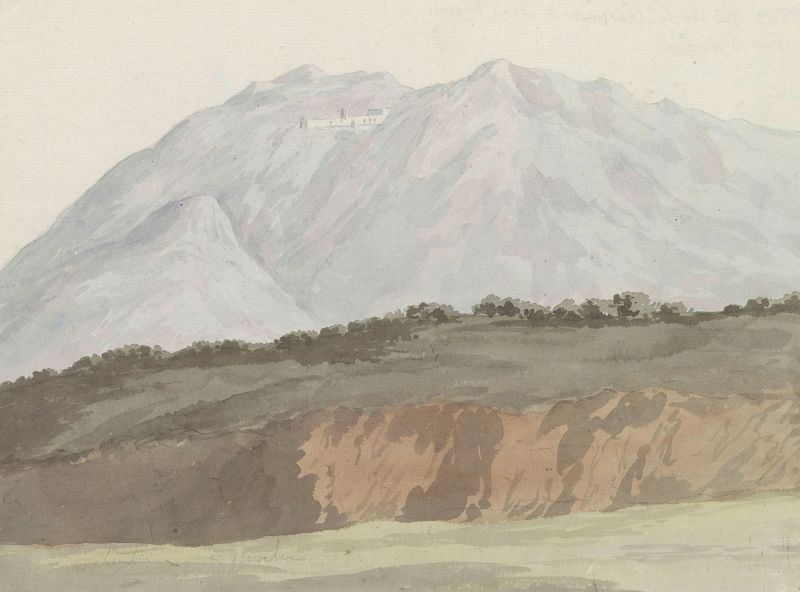
Gezicht op kartuizerklooster van Monte Vergine hoog gelegen boven Avellino
Abraham-Louis-Rodolphe Ducros
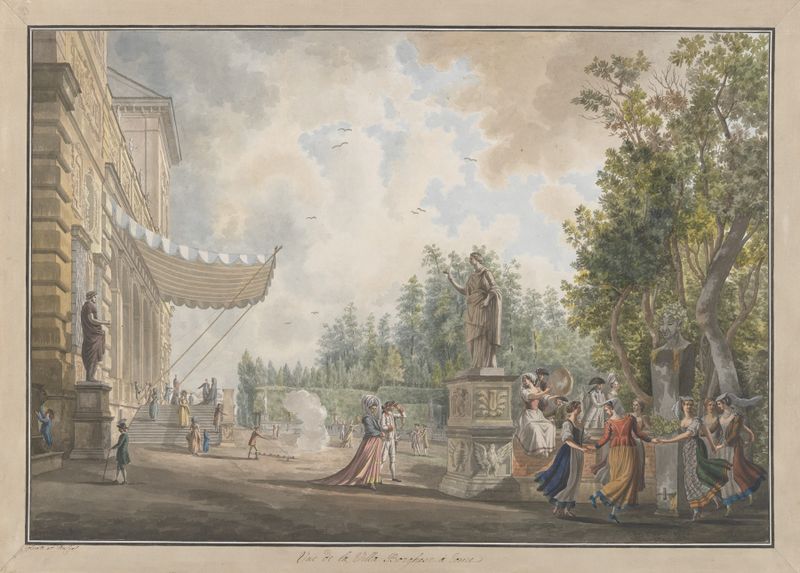
Villa Borghese
Abraham-Louis-Rodolphe Ducros
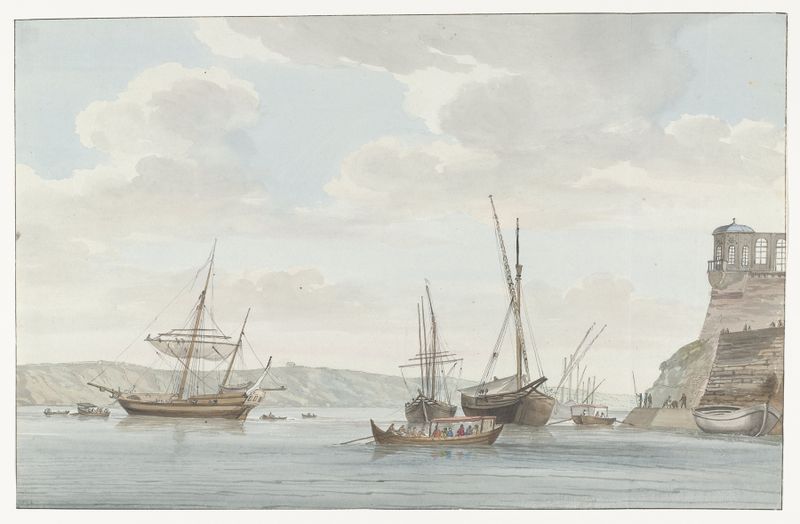
Tuinhuis van de Jardin du Grand Maître uittorend boven de haven met galei schepen op Malta
Abraham-Louis-Rodolphe Ducros
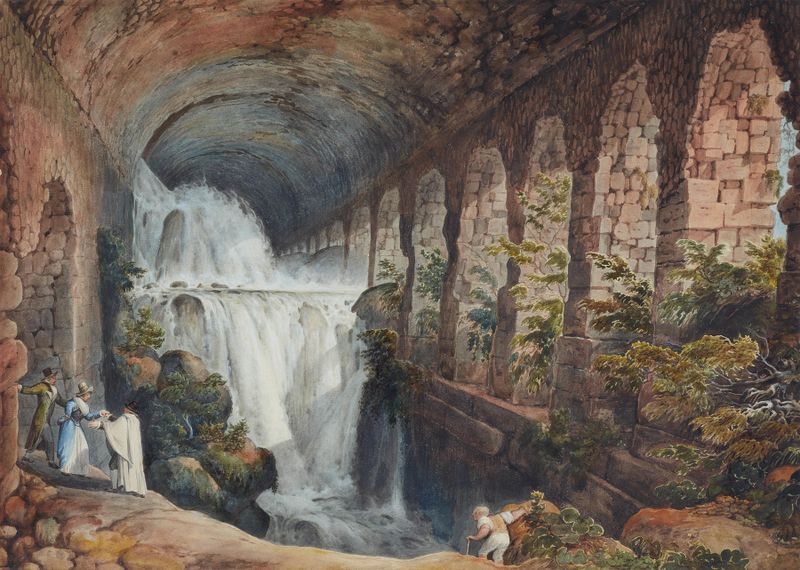
Aquädukt unter der Villa des Maecenas in Tivoli
Abraham-Louis-Rodolphe Ducros
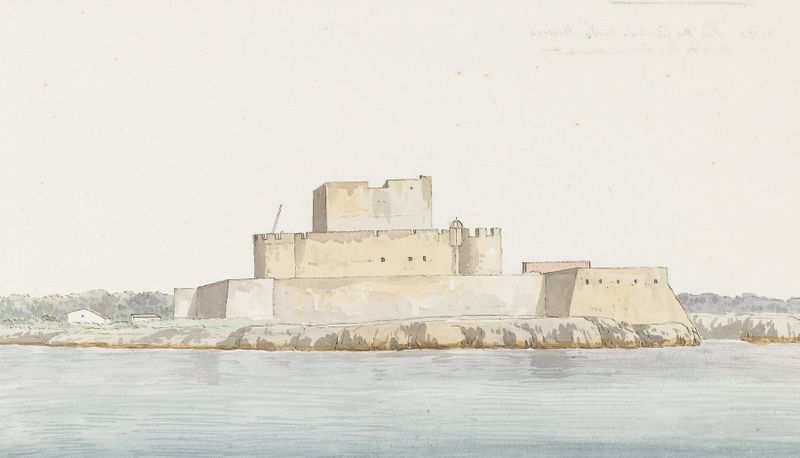
Gezicht op kasteel van San Mauro la Bruca vanaf zee bij aankomst
Abraham-Louis-Rodolphe Ducros