Interior — History & Facts
No painting by Edgar Degas has provoked more speculation than Interior, sometimes called “The Rape” by early critics, though the artist himself never confirmed its subject. Since its first exhibition in 1869, viewers and scholars have puzzled over its narrative, as Degas left behind no written explanation. The work stands alone in his oeuvre for its charged, unsettling atmosphere, and its ambiguous, almost theatrical staging.
Even the medium is debated—most believe it to be oil on canvas, but documentation is lacking. The painting’s mystery has fueled over a century of debate, with some suggesting it was inspired by a scene from Émile Zola’s novel Thérèse Raquin. The scene unfolds in a dimly lit Parisian room: a woman sits hunched on the edge of a bed, partially undressed, her face turned away, while a man stands at the door, rigid and looming, his shadow falling across the floor. The tension is palpable—the scattered objects (a sewing box, a corset on a chair, a lamp casting harsh light) suggest a recent, fraught encounter.
The woman’s vulnerability and the man’s distance create a psychological drama, heightened by Degas’s sharp, almost photographic composition. Unlike Jean-Auguste-Dominique Ingres’s sensual interiors, Degas offers no comfort or resolution; instead, he freezes the moment at its most uneasy, leaving the viewer to piece together the story from clues in posture and light. Interior was never sold in Degas’s lifetime and remained in his studio until his death in 1917, after which it passed through several private collections. Its unsettling subject and ambiguous narrative made it a curiosity among collectors and critics, and it was not widely exhibited until the 20th century.
Today, the painting resides in the Musée d'Orsay in Paris, where it stands as a singular work in Degas’s career—far removed from the ballet dancers and racehorses that made him famous. Its unresolved story and psychological depth continue to fascinate, marking it as one of the most enigmatic works of the Impressionist period.
More Artworks by Edgar Degas

Two Dancers on a Stage
Edgar Degas
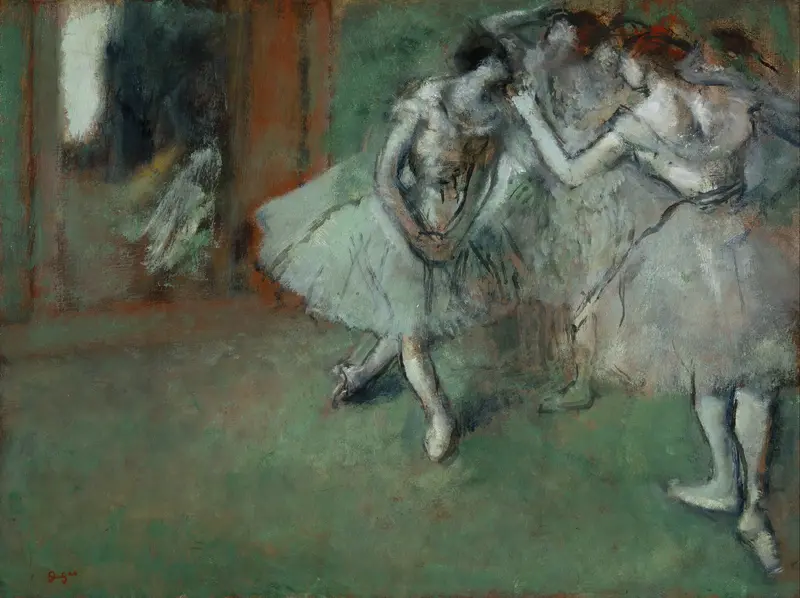
A Group of Dancers
Edgar Degas

The Dancing Class
Edgar Degas
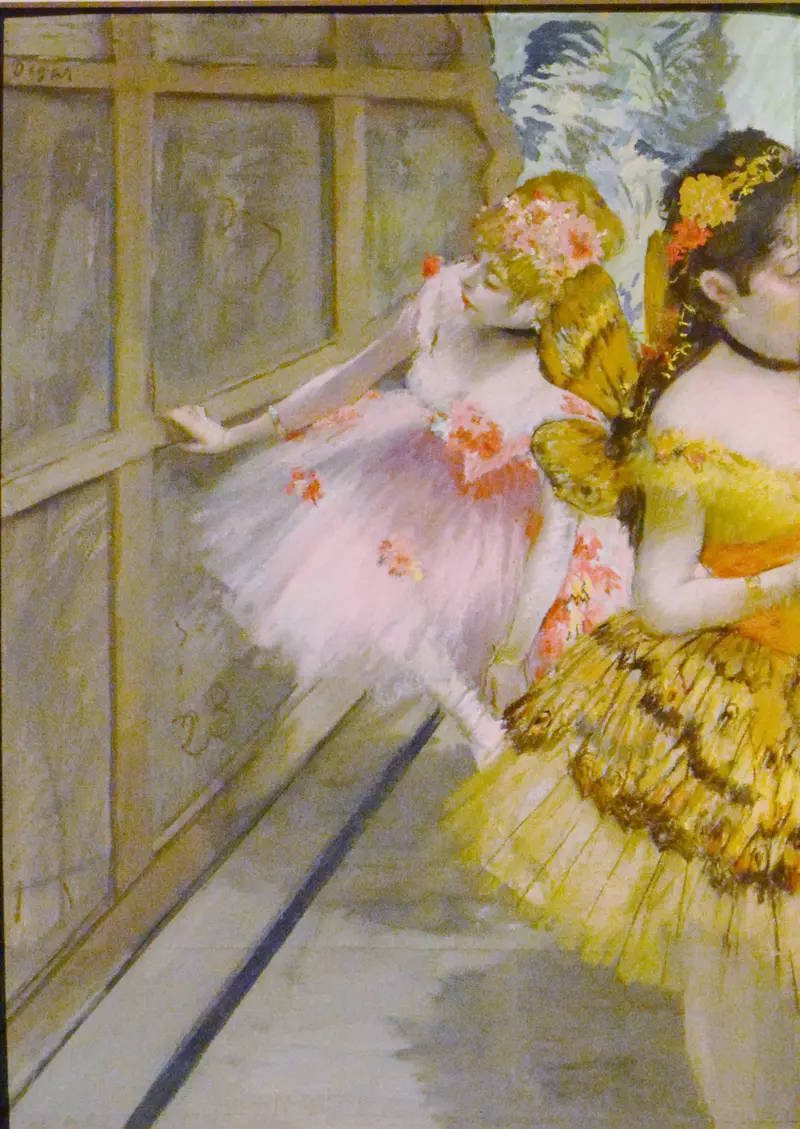
Dancers in the Wings
Edgar Degas
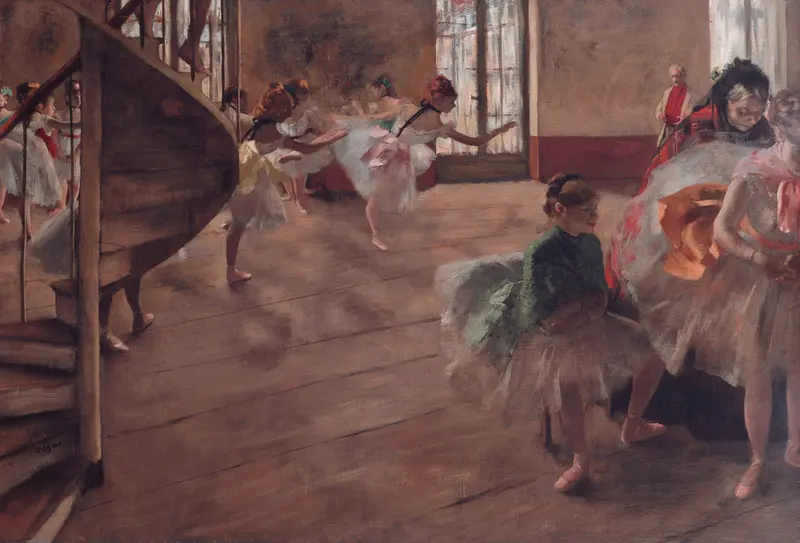
Ballet Rehearsal
Edgar Degas
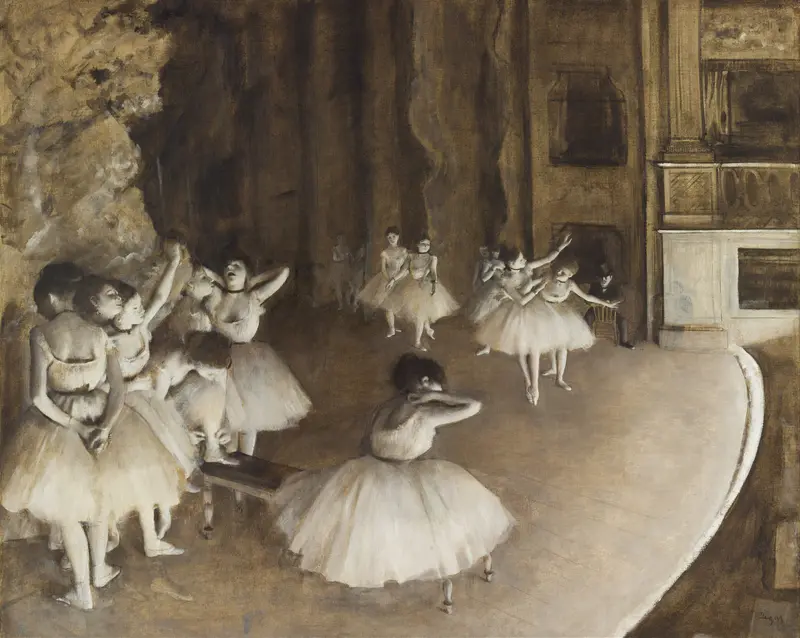
Edgar Degas - Rehearsal on Stage
Edgar Degas
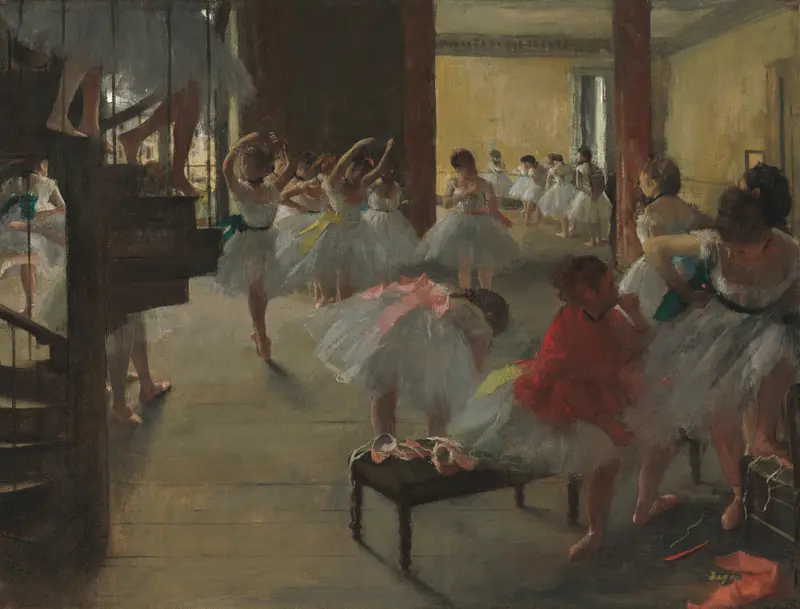
The Dance Class
Edgar Degas
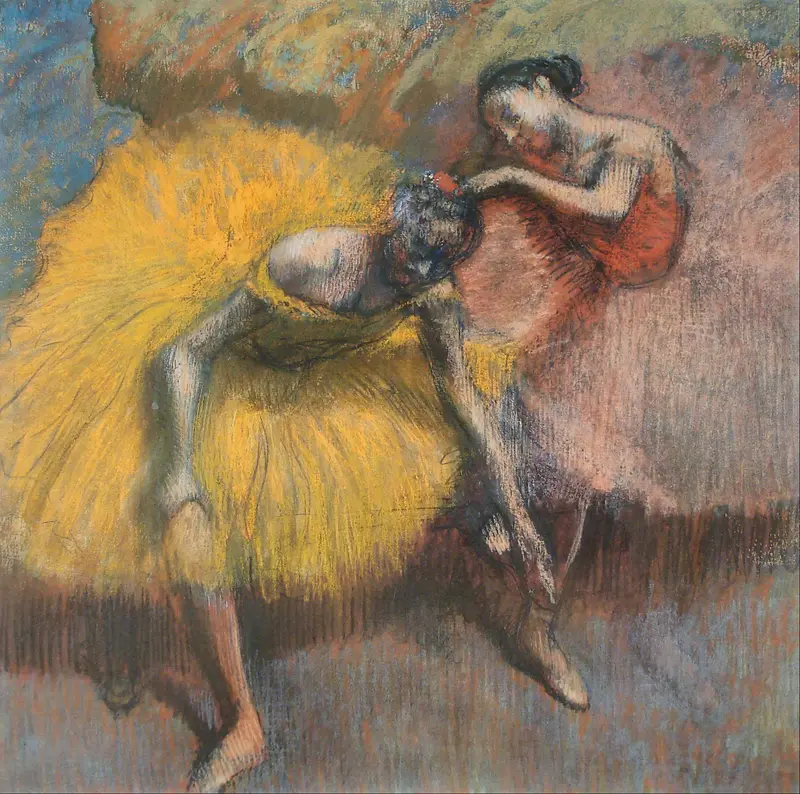
Two Dancers - Yellow and Rose
Edgar Degas
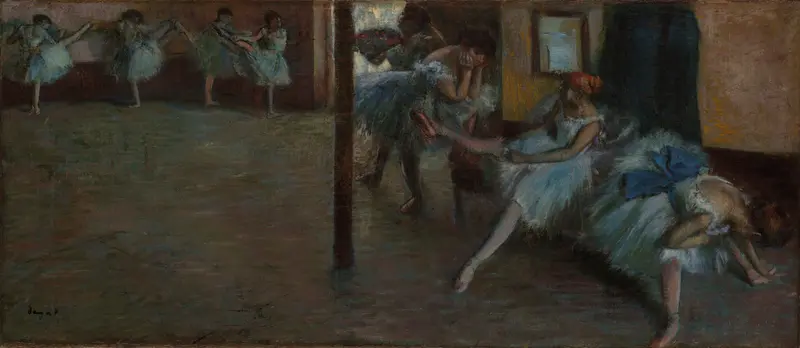
The Ballet Rehearsal
Edgar Degas
Count Lepic and His Daughters
Edgar Degas